Viriar
Trachycarpus martianus 'Nepal'❄️ (Seeds) | VIRIAR
Couldn't load pickup availability
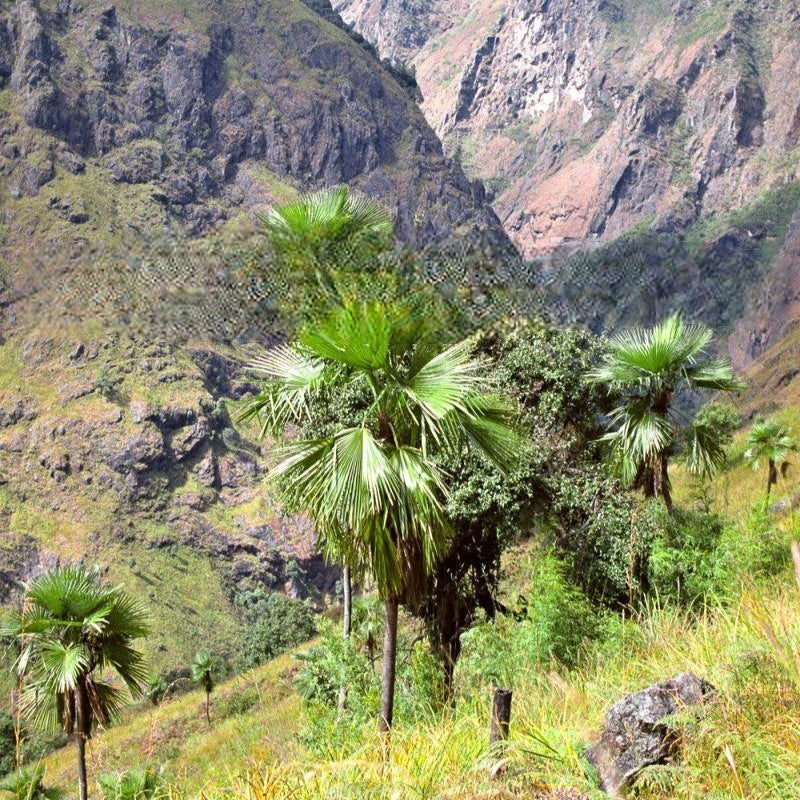
Trachycarpus martianus
Nepalese Windmill Palm
Cold-hardy alpine palm from the Himalayan regions
About Trachycarpus martianus
Trachycarpus martianus, commonly known as the Nepalese Windmill Palm, is a striking and relatively rare species of palm native to the mountainous regions of Nepal and India. It is appreciated for its unique aesthetic and its adaptability to cooler climates, making it a desirable choice for temperate and subtropical gardens.
The Nepalese Windmill Palm typically grows to a height of 6-10 meters (20-33 feet) with a slender trunk that can reach up to 25 cm (10 inches) in diameter. The trunk is covered with a dense layer of fibrous leaf bases, giving it a textured and rugged appearance. The palm's crown features fan-shaped fronds with deeply divided leaflets, each frond reaching up to 1.5 meters (5 feet) in length.
Growing Conditions
Light Requirements
Trachycarpus martianus thrives in full sun to partial shade. It performs best with ample sunlight but can also tolerate some shade, particularly in very hot or dry climates. Position in a location receiving 6+ hours of daily sunlight.
Temperature and Hardiness
This palm is hardy in USDA zones 7-11. It is well-suited to cooler climates and can withstand temperatures down to -10°C (14°F). It is an excellent choice for temperate gardens and can handle winter frosts, making it ideal for regions with cold winters.
Soil Requirements
Trachycarpus martianus prefers well-draining soil but is adaptable to various soil types, including sandy, loamy, and clay soils. The soil should be slightly acidic to neutral with a pH of 6.0-7.5. Good drainage is essential to prevent root rot.
Watering Needs
Regular watering is important to keep the soil moist, especially during the growing season. Ensure the soil is well-drained to avoid waterlogging, which can lead to root problems. Once established, this palm is relatively drought-tolerant.
Planting and Care Guide
Planting Instructions
Choose a location with full sun or partial shade and ensure the soil is well-draining. Dig a hole twice the width of the root ball and plant the palm at the same depth as it was in its container. Water thoroughly after planting. This palm is suitable for larger gardens or as a specimen plant in landscaping.
Fertilization
Use a balanced, slow-release fertilizer designed for palms. Apply the fertilizer during the growing season (spring and summer) to promote healthy growth and maintain the palm's vibrant appearance. Avoid excessive fertilization, which can cause nutrient imbalances.
Maintenance
This palm is relatively low-maintenance. Remove dead or damaged fronds to keep the plant looking neat. It is generally resistant to pests and diseases, but occasional inspections are recommended to prevent issues such as scale insects or spider mites.
Pests and Diseases
Generally resistant to common pests and diseases. Monitor for scale insects or spider mites occasionally. Maintain good air circulation and avoid overwatering to prevent fungal issues. Treat with neem oil or insecticidal soap if pest problems develop.
Winter Protection
While cold-hardy, young palms may benefit from winter protection in extreme climates. Mulch around the base during first winters and avoid transplanting during cold periods. Mature established palms are exceptionally frost-hardy and require minimal protection.
Container Growing
Young plants can thrive in containers filled with well-draining palm soil. Repot every 2-3 years as the root system expands. Ensure pots have drainage holes. Container-grown palms can be moved indoors during extreme cold in temperate regions.
Landscape Use
Excellent as a focal point in temperate and subtropical gardens. Its unique textured trunk and fan-shaped fronds create architectural interest. Suitable for specimen plantings, creating tropical gardens in cooler climates, or grouping with other cold-hardy palms.
Propagation Guide
Seed Propagation
Trachycarpus martianus is typically propagated from seeds. Collect mature seeds and clean them thoroughly before sowing. Plant the seeds in a well-draining potting mix composed of cocopeat and perlite. Keep them warm and moist at temperatures of 24-28°C.
Germination Period
Germination can take several months, typically 3-6 months or longer depending on seed quality and conditions. Maintain consistent moisture and warmth throughout the germination period. Seedlings should be kept in a protected environment away from direct sun initially.
Seedling Care
After germination, provide bright, indirect light and maintain moisture. Once seedlings develop their first true leaves, gradually acclimate to brighter conditions. Transplant into individual pots with quality potting soil when roots are well-established.
Transplanting to Garden
Young palms can be transplanted carefully, ensuring minimal disturbance to the root system. They should be moved to a location with conditions similar to their native environment. Harden off container-grown seedlings gradually before final outdoor planting.
Quick Reference Summary
Premier Provider of Exceptional Exotic and Rare Seeds Worldwide
Specializing in authentic, carefully curated germplasm selected with meticulous precision and unwavering commitment to quality excellence.
Shipping & Returns
Shipping & Returns
Share