Viriar
Sabal palmetto – Palmetto Palm (Seeds) | VIRIAR
Couldn't load pickup availability
Sabal palmetto
Cabbage Palm
Hardy, resilient palm with outstanding salt tolerance and hurricane resistance
About Sabal palmetto
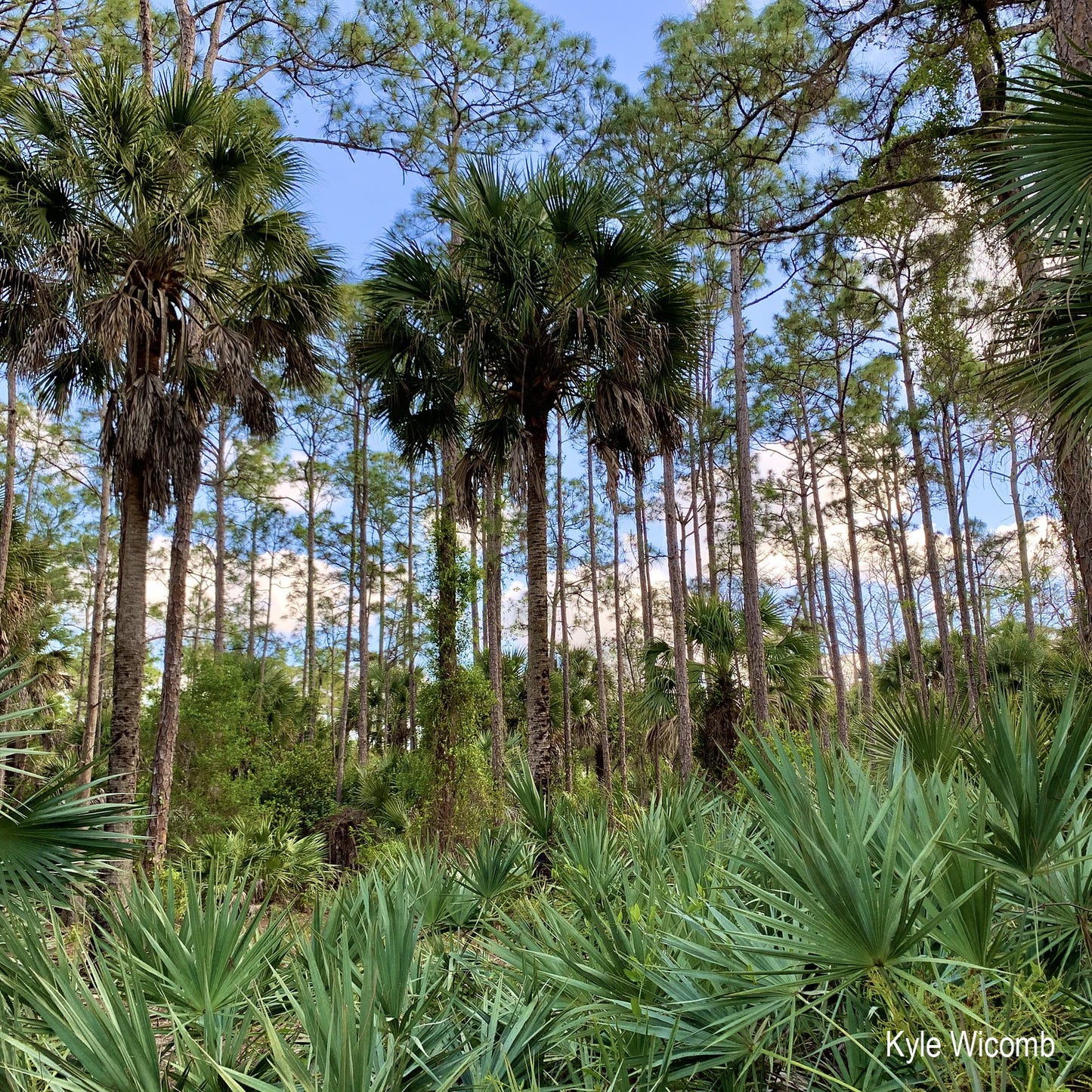
Sabal palmetto, commonly known as the Cabbage Palm or Cabbage Palmetto, is a large and robust palm native to the southeastern United States, particularly Florida, South Carolina, and coastal regions. This iconic palm is the official state tree of both Florida and South Carolina, serving as a symbol of the southern landscape and cultural heritage.
This impressive palm typically grows up to 20 meters (65 feet) in height with a thick, sturdy trunk reaching up to 60 cm (2 feet) in diameter. The trunk displays a distinctive pattern of old leaf bases, creating a rough, textured appearance that adds character and historical appeal. The crown comprises large, fan-shaped fronds spanning up to 2.5 meters (8 feet) across, forming a dense, rounded canopy of dark green foliage with smooth, spine-free petioles.
Sabal palmetto is legendary for its exceptional hardiness, outstanding salt tolerance, and remarkable ability to withstand hurricanes and harsh coastal conditions. Its remarkable resilience, combined with its attractive appearance and low-maintenance nature, make it a versatile and highly valued choice for coastal landscapes, parks, and large gardens throughout the southeastern United States and beyond.
Cultivation Requirements
Light
Sabal palmetto thrives in full sun and requires at least 6–8 hours of direct sunlight daily for optimal growth and development. While it can tolerate partial shade, full sun exposure produces the most robust growth and maintains the palm's finest form and density.
Temperature & Hardiness
Hardy in USDA zones 8b–11. This palm can tolerate cold temperatures down to approximately −10°C (14°F), although it prefers warmer climates. It exhibits exceptional tolerance of salt spray and windy conditions, making it extraordinarily well-suited for coastal environments and hurricane-prone regions.
Soil
Sabal palmetto is highly adaptable to a wide range of soil types, including sandy, loamy, and clay soils. It prefers well-draining soil but can also tolerate poor, compacted soils. It thrives in both acidic and alkaline soils, making it suitable for virtually any landscape situation.
Watering
While Sabal palmetto is drought-tolerant once established, it benefits from regular watering, especially during its early growth stages and the first year after planting. Ensure the soil has good drainage to prevent root rot. Once mature, this palm can handle periodic flooding and is highly resilient to water stress.
Fertilization
Fertilize Sabal palmetto with a balanced, slow-release fertilizer specifically formulated for palms during spring and summer months. Apply according to package directions. Avoid over-fertilization, as this can create nutrient imbalances and reduce the palm's natural disease resistance.
Maintenance & Pruning
This palm requires minimal maintenance, making it exceptionally low-maintenance for landscaping. Prune dead or damaged fronds to maintain a tidy appearance. The Cabbage Palm is naturally resistant to most pests and diseases and does not require frequent pruning, allowing it to develop its characteristic form with minimal intervention.
Planting & Site Selection
Planting Preparation
Site Selection: Choose a sunny location with well-draining soil for optimal growth. This palm is suitable for large gardens, parks, coastal landscapes, and urban streetscapes. Hole Preparation: Dig a planting hole approximately twice the width of the root ball. Place the palm at the same depth as it was in its container to avoid stem rot.
Initial Care
Watering: Water thoroughly immediately after planting to settle the soil and eliminate air pockets. Maintain consistently moist (but not waterlogged) soil for the first year. Mulching: Apply 2–4 inches of organic mulch around the base, keeping it away from the trunk to prevent rot and maintain soil moisture.
Long-term Care
Once established (typically after 2–3 years), Sabal palmetto becomes increasingly drought-tolerant and requires minimal intervention. Continue periodic watering during extended dry periods. This palm thrives with benign neglect and naturally develops its characteristic robust form with minimal management.
Seed Propagation & Transplanting
Seed Collection & Preparation
Collection: Collect ripe seeds from mature fruit. Cleaning: Thoroughly clean seeds to remove all fleshy material. Processing: Dried seeds may benefit from light scarification to promote germination. Fresh seeds typically have higher viability rates than stored seeds.
Sowing & Germination
Sow cleaned seeds in a well-draining potting mix. Keep the mix warm (around 70–80°F or 21–27°C) and consistently moist but not waterlogged. Germination typically requires several months and is variable. Maintain patience and consistent moisture management until emergence occurs.
Transplanting Young Palms
Seedling Care: Young seedlings require bright, indirect light and consistent moisture. Transplanting: Transplant carefully when seedlings develop their first true fronds. Handle with care to avoid damaging the delicate root system. Young palms can be successfully transplanted, but care should be taken to avoid excessive disturbance of the roots.
Quick Reference Summary
Palm Seeds & Plants
Quality products sourced and prepared for cultivation.
Shipping & Returns
Shipping & Returns
Share