Viriar
Ravenala madagascariensis – Travelers Palm (Seeds) | VIRIAR
Couldn't load pickup availability
Ravenala madagascariensis
Traveler's Palm / Traveler's Tree
Iconic Madagascar plant with distinctive fan-shaped foliage and architectural beauty
About Ravenala madagascariensis
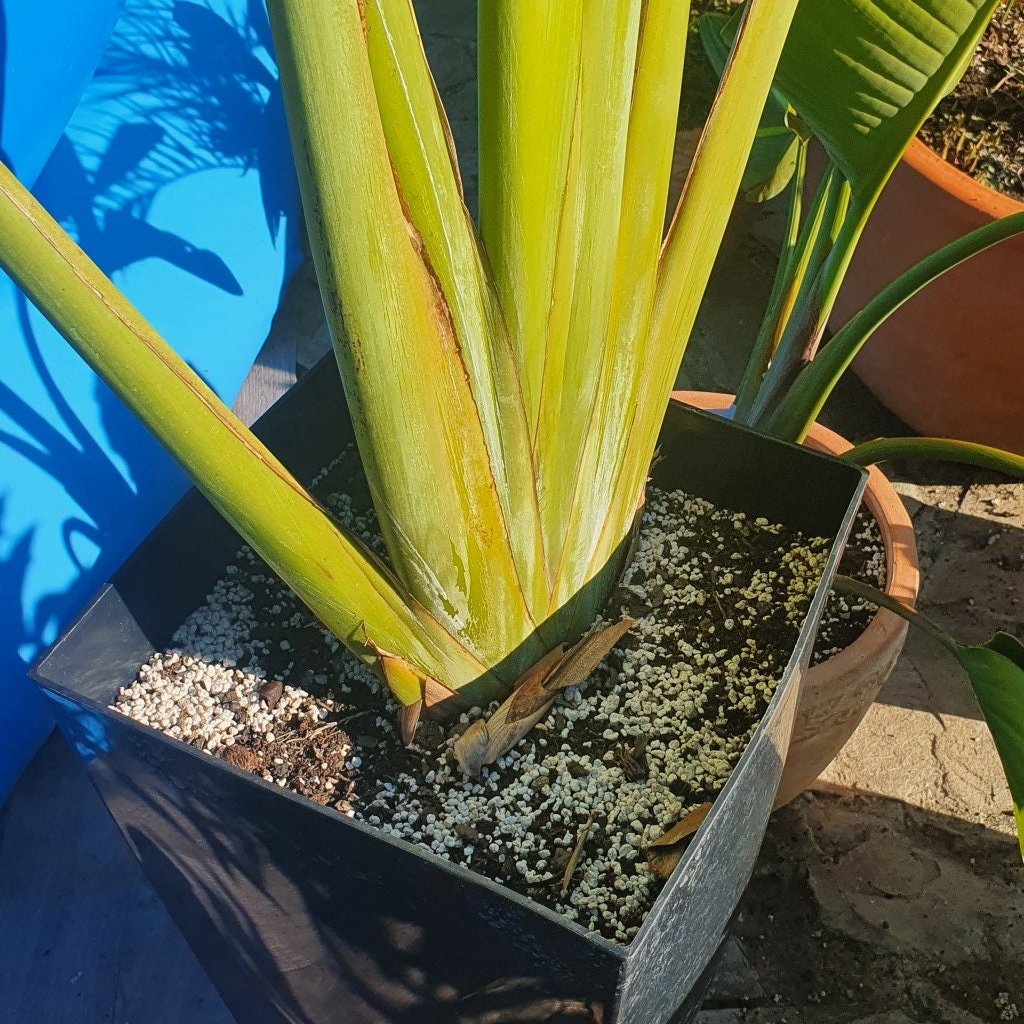
Ravenala madagascariensis, commonly known as the Traveler's Tree or Traveler's Palm, is an iconic and striking plant native to Madagascar. Despite its common name, it is not a true palm but belongs to the Strelitziaceae family, which includes bird-of-paradise plants. This plant is highly recognizable by its large, fan-shaped arrangement of leaves, which grow in a single plane, creating a distinctive, symmetrical appearance.
The Traveler's Tree can grow up to 30 meters (100 feet) in height under optimal conditions, although it usually remains smaller in cultivation. The leaves resemble those of a banana plant, each reaching up to 3 meters (10 feet) in length. They are supported by long, sturdy petioles, which form the fan-like structure. The plant is named the Traveler's Tree because its leaf bases collect rainwater, which can be accessed by thirsty travelers. Additionally, the orientation of the leaves, which typically aligns east to west, was thought to help travelers navigate.
Growing Conditions
Light Requirements
Ravenala madagascariensis thrives in full sun to partial shade. It prefers bright, indirect light when grown indoors but requires full sun for optimal growth when planted outdoors. Maximum sun exposure enhances vibrant foliage development and flowering.
Temperature Preferences
This tropical plant prefers warm, humid conditions with temperatures between 20–30°C (68–86°F). It is sensitive to frost and should be protected from temperatures below 10°C (50°F). It is suitable for USDA zones 10–11. Maintain consistent warmth for optimal growth.
Soil Composition
The Traveler's Tree prefers well-draining, fertile soil. A mix of loam, sand, and organic matter works well. It can tolerate a range of soil types, but good drainage is essential to prevent root rot. Enriched soil supports vigorous growth and health.
Water Management
Regular watering is necessary for Ravenala madagascariensis, especially during the growing season. Keep the soil consistently moist but not waterlogged. The plant also benefits from high humidity, so consider misting it regularly or placing it near a water source. Humidity promotes lush foliage development.
Planting and Care Guide
Planting Location
When planting outdoors, choose a location with plenty of space, as this plant can grow large. For container growth, use a large, well-draining pot and a rich potting mix. Ensure that the plant has ample light. Adequate space prevents crowding and allows full architectural development.
Fertilization Program
Fertilize Ravenala madagascariensis with a balanced, slow-release fertilizer during the growing season (spring and summer). Feed every 6–8 weeks to support its vigorous growth. Proper nutrition ensures healthy foliage and flower production throughout the growing season.
Maintenance and Pruning
Prune off any dead or damaged leaves to maintain the plant's appearance and encourage new growth. Due to its size, it may need to be transplanted or given additional space as it matures. Regular maintenance preserves the distinctive fan shape and overall health.
Growing from Seeds
Seed Preparation
Fresh seeds of Ravenala madagascariensis have the best chance of germination. Soak the seeds in warm water for 24–48 hours to help soften the seed coat. Scarifying the seeds slightly can also improve germination rates significantly. Fresh seeds offer superior viability.
Sowing Instructions
Sow the seeds in a well-draining seed-starting mix. Plant the seeds about 2–3 cm (0.8–1.2 inches) deep and cover lightly with soil. Proper planting depth ensures good contact with moisture while allowing air circulation around developing roots.
Germination Conditions
Place the seed tray in a warm environment with temperatures around 25–30°C (77–86°F). Keep the soil consistently moist and provide bright, indirect light. Germination can be slow and irregular, often taking several weeks to a few months. Patience is essential.
Seedling Care
Once seedlings emerge, provide them with bright, indirect light. As they grow, gradually acclimate them to more direct sunlight. Transplant seedlings into larger pots or directly into the garden when they are large enough to handle. Careful acclimation prevents leaf damage.
Quick Reference Guide
Premier Provider of Exceptional Exotic and Rare Seeds Worldwide
Specializing in authentic, carefully curated germplasm selected with meticulous precision and unwavering commitment to quality excellence.
Shipping & Returns
Shipping & Returns
Share