Skip to product information
1 of 5

VIRIAR

Pinus longaeva - Great Basin Bristlecone Pine - 10 Seeds | VIRIAR.COM

Pinus longaeva - Great Basin Bristlecone Pine - 10 Seeds | VIRIAR.COM

Regular price €14,99 EUR
Regular price Sale price €14,99 EUR
Sale Sold out
Taxes included. Shipping calculated at checkout.
Pinus longaeva - Great Basin Bristlecone Pine

Pinus longaeva

Great Basin Bristlecone Pine

One of Earth's oldest living trees – an ancient symbol of endurance

About Pinus longaeva

Pinus longaeva, commonly known as the Great Basin Bristlecone Pine, is one of the oldest living tree species on Earth, with some individuals estimated to be over 5,000 years old. This remarkable conifer is native to the high mountain ranges of the Western United States, particularly in Nevada, Utah, and California.

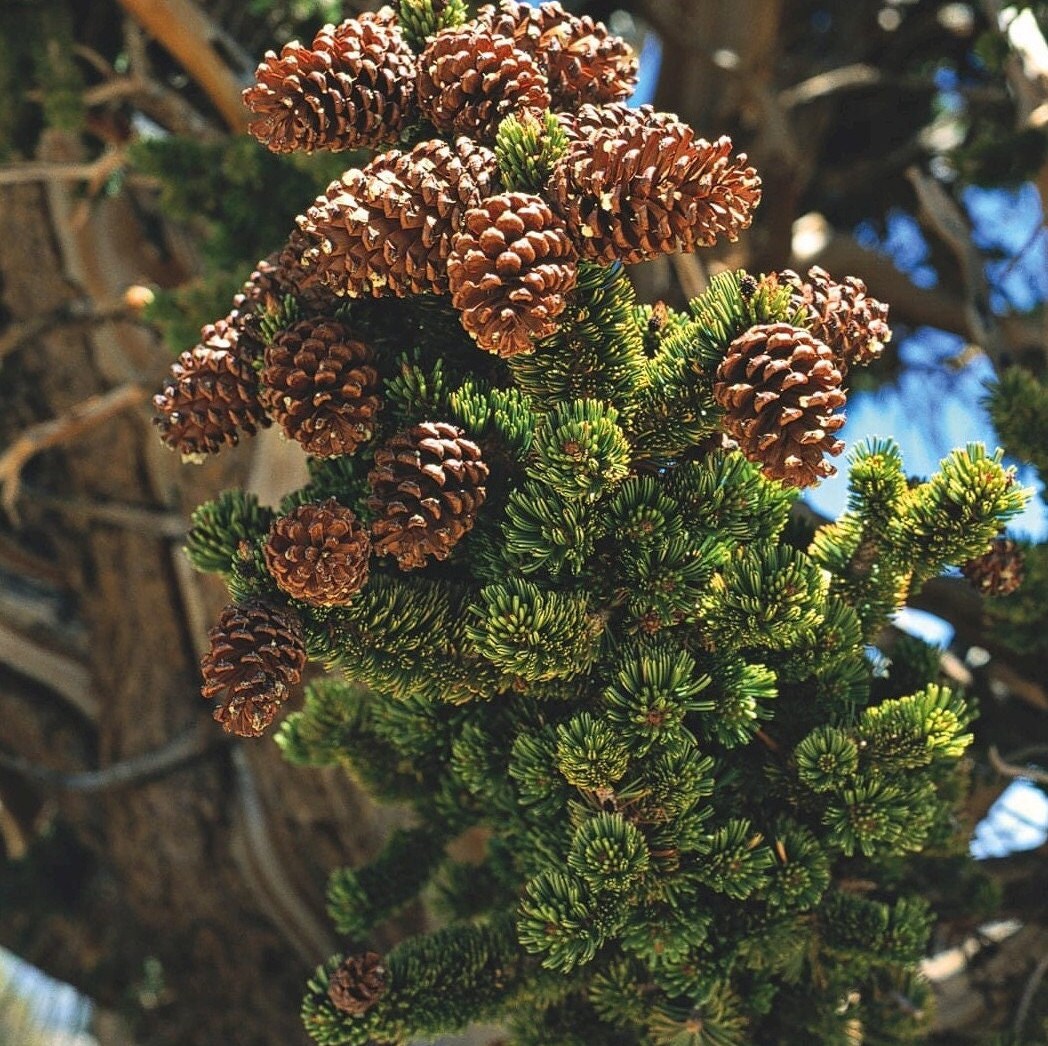
The Bristlecone Pine is a slow-growing tree, often stunted and twisted due to the harsh conditions of its native habitat. It typically grows to a height of 5-15 meters (16-49 feet), though some specimens may reach up to 20 meters (66 feet). The tree's bark is thick, reddish-brown, and deeply furrowed, providing protection against the extreme cold and wind. The needles are dark green, grouped in clusters of five, and can remain on the tree for up to 40 years. The cones, which give the tree its name, are oval-shaped and have distinctive bristle-tipped scales.

⛰️ Ancient Symbol of Resilience: This tree is revered for its incredible longevity and resilience, making it a symbol of endurance and survival in harsh environments. VIRIAR.COM provides fresh seeds of this remarkable ancient species for collectors and enthusiasts seeking to cultivate a living connection to Earth's most enduring organisms.

Growing Conditions

Light Requirements

Pinus longaeva thrives in full sun. It requires at least 6-8 hours of direct sunlight each day to maintain its health and growth. This species evolved under intense alpine sunlight and requires abundant light to develop its characteristic twisted, dense wood and maintain vigor in cultivation.

Temperature Tolerance

This pine is highly tolerant of cold temperatures and can survive in USDA hardiness zones 4-7. It is well-adapted to harsh, mountainous conditions with cold winters and dry summers. The species can withstand temperatures well below -20°C (-4°F) and has exceptional frost tolerance, making it suitable for northern and high-elevation landscapes.

Soil Composition

Pinus longaeva prefers rocky, well-draining soils that mimic its natural, nutrient-poor habitats. It can tolerate sandy or gravelly soils and is highly resistant to drought. The tree does not require fertile soil and, in fact, performs better in lean, mineral-rich substrates. Excellent drainage is essential to prevent root rot.

Water Management

Watering should be minimal, as this species is highly drought-tolerant. It is well-adapted to dry, arid conditions and does not require frequent watering. Overwatering can be detrimental to its health and may cause root diseases. Once established, this tree requires virtually no supplemental watering except in extreme drought conditions.

Environmental Preferences

This pine thrives in alpine and subalpine environments characterized by intense solar radiation, low humidity, high winds, and rocky terrain. In cultivation, mimicking these conditions – full sun, excellent drainage, sparse moisture, and cool temperatures – produces the most authentic growth forms and ensures long-term plant health.

Planting and Care Instructions

Planting Location

Choose a location with full sun and well-draining soil. Pinus longaeva is best suited for planting in rock gardens, alpine gardens, or other dry, mountainous environments. When planting, dig a hole that is twice as wide and the same depth as the root ball. Water lightly after planting to settle the soil, then minimize further irrigation to allow the tree to establish its deep root system.

Fertilization Program

This pine does not require fertilization and is adapted to nutrient-poor soils. Avoid using fertilizer, as it can harm the tree's natural growth processes and promote soft, susceptible growth that contradicts the species' evolutionary adaptations. The tree's slow growth and resilience depend upon its nutrient-efficient physiology.

Maintenance and Pruning

Pinus longaeva requires very little maintenance. It is naturally resistant to pests and diseases, and its slow growth means it rarely needs pruning. The tree is best left to grow naturally, allowing it to develop its unique, twisted form that characterizes the species. Removing limbs or attempting to shape the tree can damage its aesthetic appeal and unique character.

Container Cultivation

While this species is ideally suited for in-ground cultivation, it can be grown in large containers filled with well-draining alpine mix or rocky substrate. Containers should provide excellent drainage and be positioned in full sun. Container-grown specimens require extremely infrequent watering – only when soil is completely dry and the plant shows minor drought stress.

Winter Protection

Once established, Pinus longaeva requires no winter protection in hardiness zones 4-7. Its natural thick bark and dense wood provide exceptional cold tolerance. Young seedlings may benefit from shelter during their first winter, but mature trees thrive in cold climates and actually prefer cold, dry winters that mimic their native habitat.

Long-term Expectations

Cultivators should understand that Pinus longaeva grows extremely slowly – often only a few centimeters per year. This remarkable slowness is part of the species' evolutionary success and longevity strategy. Patience and long-term perspective are essential virtues when cultivating this ancient tree. A specimen may take decades to develop significant size, but the result is a genuine contribution to multi-century landscapes.

Propagation Methods

Propagation from Seeds

Pinus longaeva is typically propagated from seeds. Collect seeds from mature cones, which open in the fall. Viable seeds are large, wingless, and relatively easy to extract. Sow the seeds in a well-draining mix and place them in a cold frame or stratify them in the refrigerator for 6-8 weeks to mimic natural winter conditions. This cold stratification is essential for breaking seed dormancy and improving germination rates. Germination can be slow and may take several months.

Stratification Process

Proper cold stratification dramatically improves germination success. Mix seeds with moist sand or peat moss and place in the refrigerator at 4°C (39°F) for 6-8 weeks. Keep the medium consistently moist but not waterlogged. After stratification, sow seeds in well-draining alpine mix and place in a cold frame or cool location with good light. Maintain moderate moisture during early growth.

Seedling Care

Young seedlings require consistent moisture, excellent drainage, and bright light. Place them in a cold frame or unheated greenhouse where temperatures remain cool. Growth is slow – don't be concerned if seedlings appear to stagnate. This is normal. Seedlings may take 2-3 years to develop substantial root systems and become established enough for transplanting to larger containers or outdoor locations.

Hardening Off

Before transplanting seedlings outdoors, gradually acclimate them to full sun and outdoor conditions over several weeks. This hardening process allows their tissues to develop protective compounds and adapt to intense light and wind. Initially, provide shade and protection; gradually increase light exposure and reduce shelter as seedlings demonstrate increased vigor and stress tolerance.

Propagation Limitations

Propagation by cuttings is not commonly used for this species, as it can be difficult to root. Additionally, rooted cuttings may not develop the characteristic gnarled, twisted form that defines the species. Seed propagation is the preferred and recommended method for obtaining genetically authentic Great Basin Bristlecone Pines with all the species' remarkable characteristics.

Quick Reference Summary

Botanical Name
Pinus longaeva
Common Names
Bristlecone Pine
Origin
Western United States
Hardiness Zone
USDA 4-7
Light
Full Sun (6-8+ hours)
Height
5-20 meters
Growth Rate
Very Slow
Lifespan
5,000+ years
VIRIAR.COM

Premier Provider of Exceptional Exotic and Rare Seeds Worldwide

Specializing in authentic, carefully curated germplasm selected with meticulous precision and unwavering commitment to quality excellence.

Shipping & Returns

View full details