Viriar
Marojejya – Big Leaf Palm (Seeds) | VIRIAR
Couldn't load pickup availability
Marojejya
Madagascar Feather Palm
Elegant tropical palm with graceful, feathery pinnate leaves and striking architectural form
About Marojejya
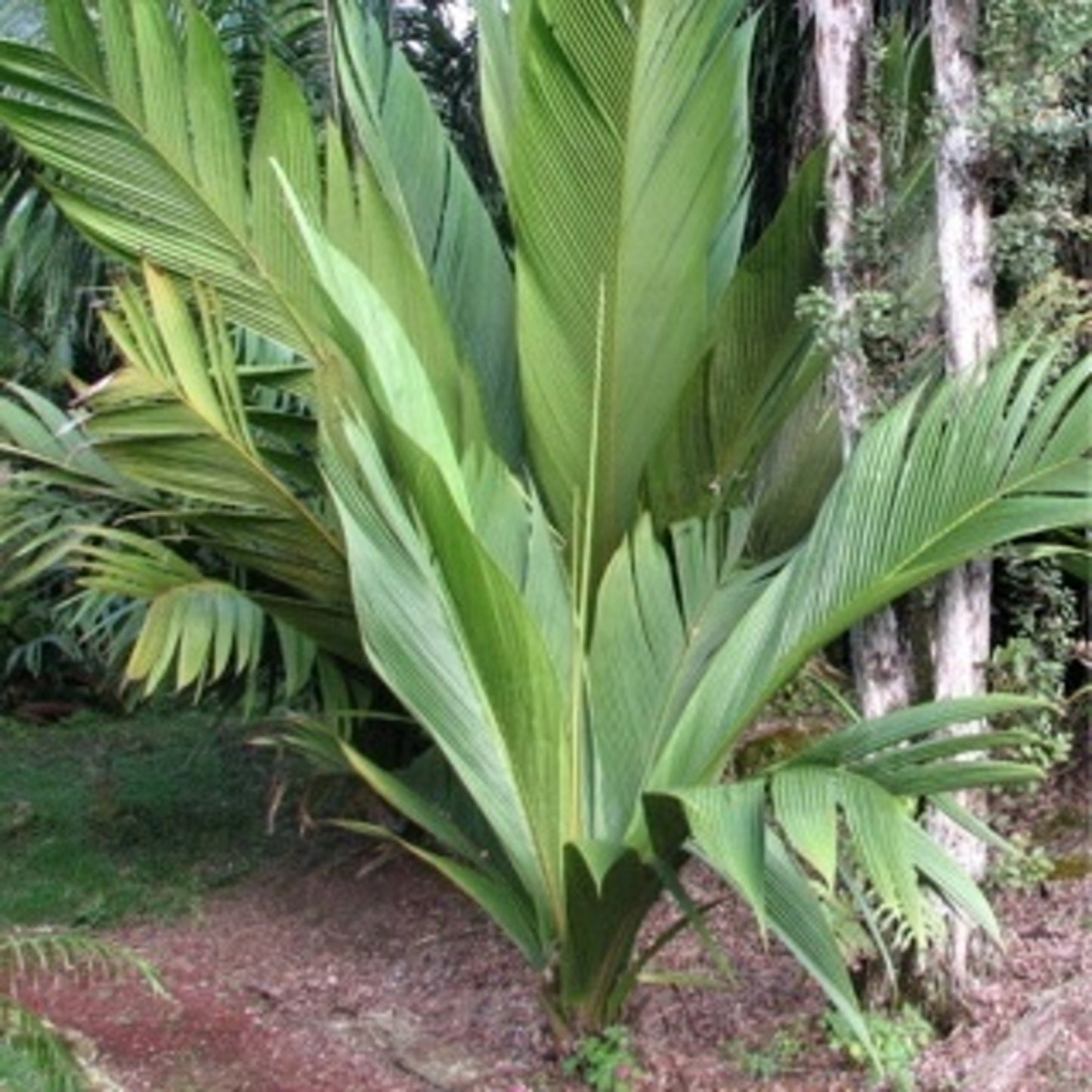
Marojejya is a genus of palms in the Arecaceae family, native to Madagascar. It is notable for its unique and striking appearance, which makes it an attractive choice for palm enthusiasts and collectors. The genus is relatively small, comprising a few species that are distinguished by their distinctive characteristics.
Marojejya palms are typically characterized by their tall, slender trunks and elegant, pinnate leaves. The leaves are feather-like and arch gracefully, giving the plant a tropical and exotic appearance. The trunk is often smooth and ringed, adding to the ornamental value of the plant.
Marojejya palms are elegant and visually striking plants that add a touch of the exotic to any garden. Their refined appearance and adaptability make them a valuable addition to tropical and subtropical landscapes.
Cultivation Conditions
Light Requirements
Marojejya palms prefer bright, indirect light or partial shade. They can tolerate full sun in tropical climates but may need some protection from the harsh afternoon sun in hotter regions. Adequate light promotes healthy, vibrant foliage.
Temperature Preferences
These palms thrive in warm climates and are typically suited to USDA hardiness zones 10-11. They are sensitive to frost and should be protected or brought indoors if temperatures drop significantly. Optimal growing temperatures range from 22-30°C (72-86°F).
Soil Composition
Marojejya palms prefer well-draining, rich soil. A loamy or sandy soil with added organic matter is ideal. Ensure the soil is well-drained to prevent root rot. The addition of peat or coconut coir improves moisture retention without creating waterlogged conditions.
Water Management
These palms require regular watering, especially during the growing season. Keep the soil consistently moist but not waterlogged. Allow the top layer of soil to dry out between waterings. During cooler months, reduce watering frequency to prevent root problems.
Planting and Care Instructions
Planting Location
Plant Marojejya palms in a location that provides bright, indirect light or partial shade. If planting in a container, use a palm or cactus potting mix with good drainage. Choose a pot with drainage holes to prevent water accumulation and ensure root health.
Fertilization Program
Fertilize the plant with a balanced, slow-release fertilizer during the growing season, typically from spring through summer. Follow the manufacturer's instructions for dosage to avoid over-fertilization. A palm-specific fertilizer with added micronutrients is recommended for optimal growth.
Maintenance and Pruning
Marojejya palms generally require minimal maintenance. Remove any dead or damaged fronds to maintain the plant's appearance and promote healthy growth. Keep an eye out for pests and diseases, such as spider mites or fungal infections, and treat them promptly with appropriate solutions.
Growing from Seeds
Seed Preparation
Marojejya seeds should be soaked in warm water for 24-48 hours before sowing to help soften the seed coat and improve germination rates. Use room-temperature or slightly warm water and change it periodically to prevent fermentation and fungal growth.
Sowing Process
Sow the seeds in a well-draining seed-starting mix. Press them lightly into the soil and cover with a thin layer of soil or sand. Ensure the seed-starting mix is moist before planting and maintain consistent moisture throughout the germination period without creating waterlogged conditions.
Germination Conditions
Place the seed tray in a warm, bright location with temperatures around 25-30°C (77-86°F). Maintain consistent moisture in the soil but avoid waterlogging. Germination can take several weeks to a few months depending on seed freshness and environmental conditions. Be patient and maintain optimal conditions consistently.
Care for Seedlings
Once seedlings emerge, provide them with bright, indirect light and gradually acclimate them to more light exposure over several weeks. Transplant seedlings into individual pots or directly into the garden when they are large enough to handle and have developed several fronds.
Quick Reference Guide
Premier Provider of Exceptional Exotic and Rare Seeds Worldwide
Specializing in authentic, carefully curated germplasm selected with meticulous precision and unwavering commitment to quality excellence.
Shipping & Returns
Shipping & Returns
Share