Viriar
Licuala mattanensis 'Mapu' – Paradise Palm (Seeds) | VIRIAR
Couldn't load pickup availability
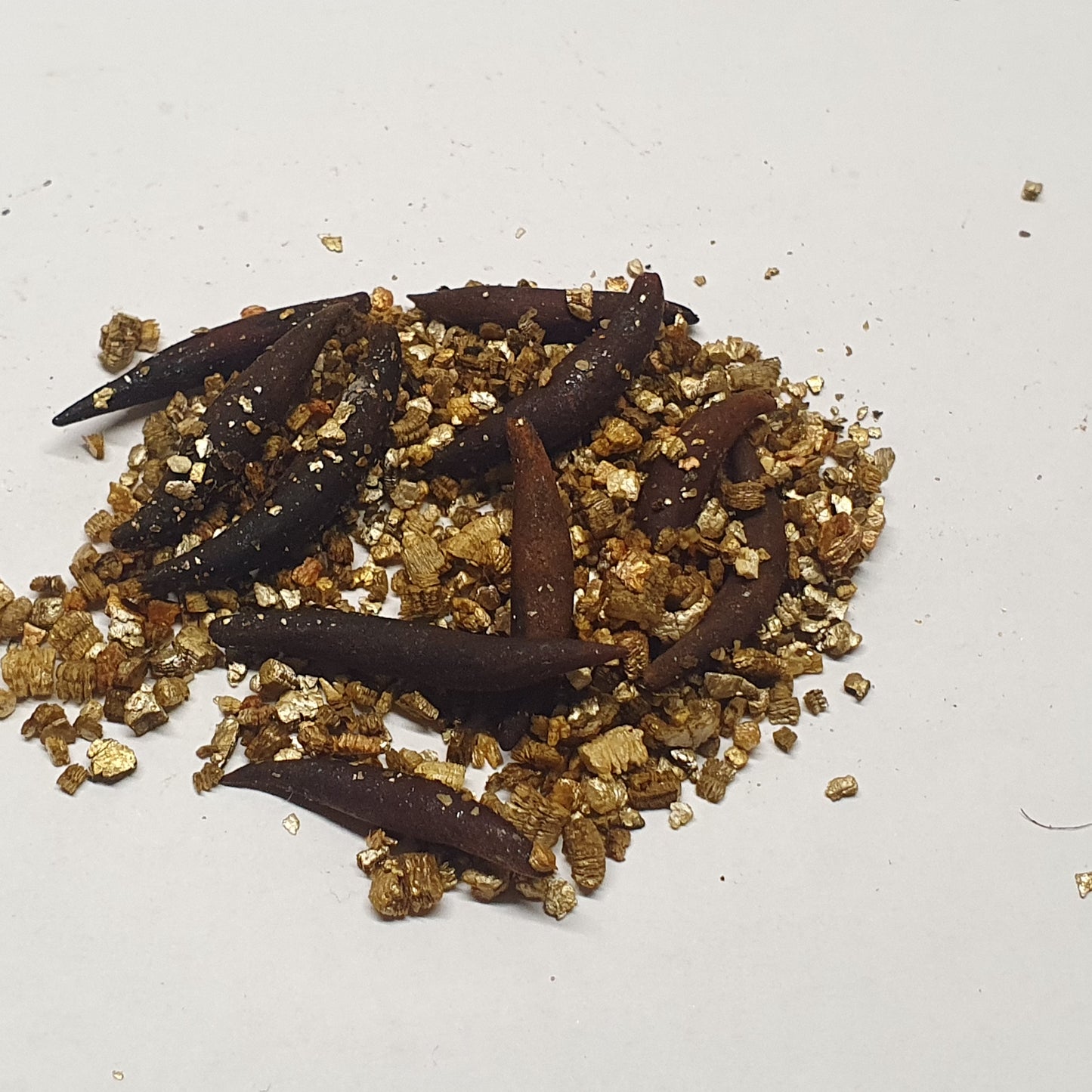
Licuala mattanensis 'Mapu'
Mapu Fan Palm
Visually striking tropical fan palm with distinctive ruffled foliage
About Licuala mattanensis 'Mapu'
Licuala mattanensis 'Mapu', commonly known as the Mapu Fan Palm, is a visually striking and unique variety of the Licuala mattanensis species. Native to the tropical rainforests of Papua New Guinea and nearby regions, this palm is prized for its distinctive appearance and compact growth habit, making it a favorite among tropical plant enthusiasts and collectors.
The Mapu Fan Palm typically grows to a height of 2–3 meters (6.5–10 feet), making it relatively compact compared to other large palms. It features a slender, single trunk covered with leaf scars. The palm's most notable feature is its fan-shaped leaves, which are deeply divided into numerous segments, giving them a highly textured, ruffled appearance. These leaves can reach up to 1 meter (3 feet) in diameter and form a dense, dramatic crown at the top of the trunk. The palm produces small, inconspicuous flowers that are followed by small fruits, but the primary appeal of this palm is its striking foliage.
Growing Conditions
Light Requirements
Licuala mattanensis 'Mapu' thrives in bright, indirect light but can also tolerate partial shade. It prefers filtered sunlight, making it suitable for indoor cultivation near bright windows or in shaded outdoor areas. In hotter climates, it benefits from some protection from the harsh midday sun.
Temperature Preferences
This palm prefers warm, tropical to subtropical conditions with temperatures ranging from 18–30 °C (65–86 °F). It is sensitive to frost and should be protected from temperatures below 10 °C (50 °F). It is suitable for USDA zones 10–11.
Soil Composition
The Mapu Fan Palm prefers well-draining, rich soil. A mix of peat, perlite, and compost provides good drainage and aeration. It can adapt to a range of soil types as long as they are well-draining and slightly acidic to neutral in pH.
Water Management and Humidity
Regular watering is important for Licuala mattanensis 'Mapu'. Keep the soil consistently moist but not waterlogged. Allow the top layer of soil to dry out slightly between waterings. The plant appreciates high humidity, so consider misting the leaves or placing a humidifier nearby, especially in dry indoor environments.
Planting and Care
Planting Location
For indoor cultivation, use a pot with drainage holes and a well-draining potting mix. Choose a location with bright, indirect light. When planting outdoors, select a site with well-draining soil and some protection from harsh sunlight if necessary.
Fertilization Program
Feed Licuala mattanensis 'Mapu' with a balanced, slow-release fertilizer formulated for palms. Apply fertilizer every 6–8 weeks during the growing season (spring and summer) to support healthy growth and maintain its vibrant foliage. Avoid over-fertilizing, as this can lead to nutrient imbalances.
Maintenance Requirements
Prune off any dead or damaged fronds to maintain the plant's appearance and encourage new growth. The palm is relatively low-maintenance but should be monitored for pests such as spider mites and scale insects. Ensure good air circulation around the plant to minimize the risk of fungal diseases.
Growing from Seeds
Initial Seed Preparation
Soak the seeds of Licuala mattanensis 'Mapu' in warm water for 24–48 hours to help soften the seed coat and improve germination rates. Scarify the seeds by lightly sanding them if necessary.
Sowing and Medium
Sow the seeds in a well-draining seed-starting mix. Plant the seeds about 1–2 cm (0.5–0.8 inches) deep and cover lightly with soil.
Germination Conditions
Place the seed tray in a warm, humid environment with temperatures around 25–30 °C (77–86 °F). Keep the soil consistently moist and provide bright, indirect light. Germination can be slow and may take several weeks to a few months.
Care for Seedlings
Once seedlings emerge, provide them with bright, indirect light and gradually acclimate them to more direct light. Transplant seedlings into larger pots or directly into the garden when they are large enough to handle.
Expert Germination Guide
Detailed Step-by-Step Germination Process
- Soak: Soak the seeds in water for 24 hours to soften the seed coat and encourage germination.
- Prepare Medium: Fill a seed tray or pots with a well-draining seed compost or a mixture of peat moss and sand.
- Sow: Sow the seeds on the surface of the compost and press them down gently.
- Cover: Cover the seeds with a thin layer of compost or vermiculite to keep them moist and in the dark.
- Humidity Control: Place the tray or pots in a propagator or cover with a plastic bag and place in a warm place, around 27°C (81°F).
- Moisture: Keep the compost moist but not waterlogged by misting or watering gently.
- Patience: Germination can take anywhere from a few weeks to a few months, depending on the species and growing conditions.
- Transplant: Once the seedlings are large enough to handle, transplant them into individual pots and grow them on until they are big enough to plant out in the garden.
Germination Success Notes
It's worth noting that not all seeds will germinate, and germination rates can vary widely depending on the quality of the seed and the growing conditions. Fresh, high-quality seeds collected from mature parent plants typically have better germination rates. Maintain consistent warmth and humidity throughout the germination period for optimal results.
Quick Reference Guide
Premier Provider of Exceptional Exotic and Rare Seeds Worldwide
Specializing in authentic, carefully curated germplasm selected with meticulous precision and unwavering commitment to quality excellence.
Shipping & Returns
Shipping & Returns
Share