Skip to product information
1 of 8

VIRIAR

Copernicia hospita seeds (Blue Yarey Palm) | VIRIAR.COM

Copernicia hospita seeds (Blue Yarey Palm) | VIRIAR.COM

Regular price €9,99 EUR
Regular price Sale price €9,99 EUR
Sale Sold out
Taxes included. Shipping calculated at checkout.

Copernicia hospita

Cuban Wax Palm / Hospita Palm

Striking ornamental palm with unique bluish-gray foliage and robust growth

About Copernicia hospita

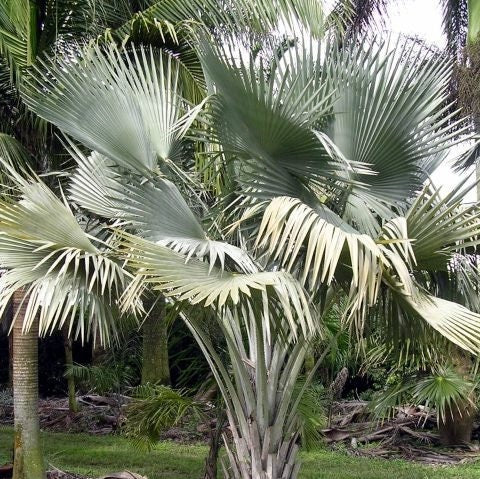
Copernicia hospita, commonly known as the Cuban Wax Palm or Hospita Palm, is a striking and ornamental palm species native to Cuba. It is highly regarded for its unique bluish-gray foliage and robust growth habit, making it a popular choice for tropical and subtropical gardens.

The Cuban Wax Palm features a solitary, tall, and straight trunk that can reach up to 10–15 meters (33–49 feet) in height. The trunk is often covered with old leaf bases, giving it a rugged, textured appearance. Its most distinctive feature is its large, fan-shaped leaves that are covered in a silvery-blue wax, providing a dramatic contrast against the green surroundings. The leaves are stiff and deeply divided, contributing to the palm's architectural appeal.

💎 Ornamental Excellence: This palm produces small, creamy-yellow flowers that develop into black fruits. The wax extracted from the leaves has various industrial uses, similar to other species in the Copernicia genus. A truly spectacular focal point for tropical landscapes!

The unique bluish-gray coloration of its foliage makes the Cuban Wax Palm an exceptional ornamental specimen. Its architectural form, dramatic leaf texture, and industrial potential combine to create a plant of remarkable value for discerning gardeners and collectors.

Growing Conditions

Light Requirements

Full Sun Essential: Copernicia hospita thrives in full sun and should be planted in a location where it receives direct sunlight for most of the day. It is well-suited to open, sunny areas where the distinctive bluish-gray foliage can be fully appreciated.

Temperature Range

Tropical Climate Preference: This palm prefers warm, tropical climates with temperatures ranging from 20–35 °C (68–95 °F). It is not frost-tolerant and requires protection from temperatures below 10 °C (50 °F). In cooler climates, it should be grown in a greenhouse or as a container plant that can be moved indoors during winter.

Soil Composition

Well-Draining Soil: The Cuban Wax Palm prefers well-draining, sandy, or loamy soils with good organic content. It can tolerate a range of soil types but performs best in slightly acidic to neutral conditions. Proper drainage is essential to avoid root rot and ensure healthy development.

Water Management

Regular but Measured Watering: While relatively drought-tolerant once established, regular watering is important during the growing season and when the palm is young. Keep the soil consistently moist but not waterlogged, allowing the top layer of soil to dry out slightly between waterings.

Planting and Care

Planting Guidelines

Choose a location with full sun exposure and well-draining soil. Given its size and striking appearance, the Cuban Wax Palm is best planted as a focal point in the landscape. If planting in a container, use a large pot with good drainage and a well-draining potting mix suitable for palms.

Fertilization Program

Apply a balanced, slow-release fertilizer specifically formulated for palms every 2–3 months during the growing season. This will support healthy growth and vibrant foliage. Reduce fertilization during the cooler months when growth naturally slows.

Maintenance Requirements

Prune dead or damaged fronds as needed to maintain a neat appearance and promote healthy growth. Copernicia hospita is generally resistant to pests and diseases but should be monitored for common issues like scale insects and treated accordingly.

Growing from Seeds

Seed Preparation

Use fresh seeds for the best results. Soak the seeds in warm water for 48–72 hours to soften the seed coat and improve germination rates. Fresh, viable seeds will yield the highest success rates for propagation.

Sowing Instructions

Sow seeds in a well-draining seed-starting mix, such as a blend of sand, perlite, and peat. Plant the seeds about 2–3 cm (1 inch) deep. Ensure the medium is consistently moist but not waterlogged to promote proper seed development.

Germination Conditions

Place the seed tray in a warm, humid environment with temperatures around 25–30 °C (77–86 °F). Maintain consistent moisture without waterlogging. Germination can take several weeks to several months, so patience is required for successful propagation.

Seedling Care

Once seedlings emerge, provide them with bright, indirect light and keep the soil consistently moist. As they grow, gradually acclimate them to more direct sunlight. Transplant seedlings into larger pots or directly into the garden when they are large enough to handle.

Quick Reference Guide

Botanical Name
Copernicia hospita
Common Names
Cuban Wax Palm / Hospita Palm
Origin
Cuba
Foliage Color
Bluish-Gray / Silvery-Blue
Light
Full Sun
Temperature
20–35°C (68–95°F)
Mature Height
10–15 meters (33–49 feet)
Provider
VIRIAR.COM
VIRIAR.COM

Premier Provider of Exceptional Exotic and Rare Seeds Worldwide

Specializing in authentic, carefully curated germplasm selected with meticulous precision and unwavering commitment to quality excellence.


Shipping & Returns

View full details