Skip to product information
1 of 6

VIRIAR

Asimina triloba - PawPaw - 5 seeds | VIRIAR.COM

Asimina triloba - PawPaw - 5 seeds | VIRIAR.COM

Regular price €8,99 EUR
Regular price Sale price €8,99 EUR
Sale Sold out
Taxes included. Shipping calculated at checkout.
Asimina triloba - Pawpaw

Asimina triloba

Pawpaw • American Pawpaw • Custard Apple

North America's largest native edible fruit tree with delicious tropical-flavored fruit

About Asimina triloba

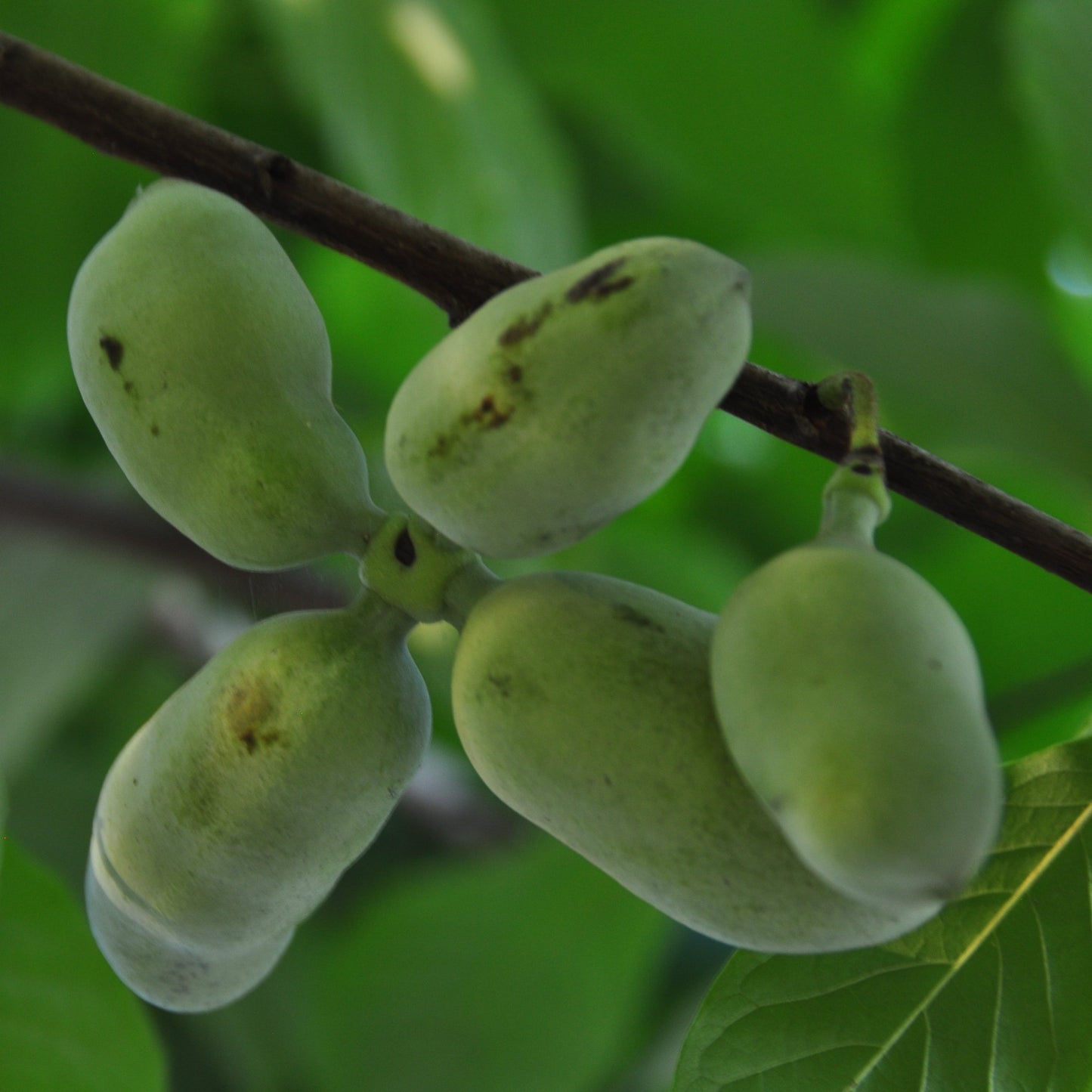
Asimina triloba, commonly known as the Pawpaw or American Pawpaw, is a deciduous fruit tree native to the eastern United States. It is the largest edible fruit native to North America and belongs to the Annonaceae family, which also includes the tropical custard apples. The Pawpaw tree typically grows 4 to 9 meters (13 to 30 feet) tall, featuring large, tropical-looking leaves that can reach up to 30 cm (12 inches) in length.

The tree produces unique, maroon-colored flowers in the spring, which give way to greenish-brown, oblong fruits resembling a mango. The fruits have a creamy texture and a flavor often described as a mix between banana, mango, and melon. Pawpaw fruits are rich in vitamins, minerals, and antioxidants, making them both delicious and nutritious.

🦋 Wildlife Magnet & Ornamental Beauty: The tree is highly valued not only for its fruit but also for its attractive appearance and ability to attract wildlife, particularly the Zebra Swallowtail butterfly, whose larvae feed exclusively on pawpaw leaves. These leaves turn a bright yellow in the fall, adding ornamental value to gardens.

Growing Conditions

Light Requirements

Optimal Exposure: Asimina triloba thrives in full sun to partial shade. While it can tolerate some shade, especially when young, it produces the best fruit yields when grown in full sun. In its natural habitat, pawpaw often grows as an understory tree, adapting well to varied light conditions.

Temperature & Hardiness

Climate Zones: The Pawpaw tree prefers temperate climates and is hardy in USDA zones 5-9. It can tolerate a wide range of temperatures, from cold winters to hot summers. However, it requires a certain number of chilling hours during the winter to produce fruit effectively, making it ideal for areas with distinct seasons.

Soil Composition

Soil Preference: Asimina triloba prefers well-draining, fertile soil with a slightly acidic to neutral pH (5.5-7.0). It grows well in loamy or sandy soils enriched with organic matter. Good drainage is essential to prevent root rot, the most common problem with pawpaw cultivation.

Water Management

Irrigation Protocol: The Pawpaw tree requires consistent moisture, especially during its first few years of growth. It prefers deep, well-drained soils and should be watered regularly to keep the soil moist but not waterlogged. Mulching around the base can help retain moisture and regulate soil temperature.

Planting & Maintenance

Planting Procedure

Plant the Pawpaw tree in a sunny or partially shaded location with well-draining soil. Dig a hole twice the size of the root ball and place the tree in the hole, making sure the root collar is level with the ground. Backfill with soil, water thoroughly, and mulch around the base to retain moisture and suppress weeds. Space trees 4-6 meters apart for mature growth.

Fertilization

Fertilize Asimina triloba with a balanced fertilizer in early spring and again in early summer. Organic compost or well-rotted manure can also be applied to enrich the soil. Avoid excessive fertilization, which can promote leaf growth at the expense of fruit production. Follow package instructions for recommended rates.

Pruning & Maintenance

Prune the Pawpaw tree in late winter or early spring to remove dead, damaged, or crossing branches and to shape the tree. Minimal pruning is needed as the tree naturally forms an attractive, open shape. Protect the tree from strong winds, as the large leaves can be damaged. Keep the area around the base weed-free.

Propagation Methods

Seed Propagation

Collection & Stratification: Asimina triloba is commonly propagated from seeds. Harvest seeds from ripe fruits and plant them immediately, as they lose viability quickly when dried. Stratify the seeds by placing them in a moist medium and refrigerating them for 90-120 days. After stratification, sow the seeds in pots with a well-draining potting mix and keep them in a warm, sunny location. Germination can take several weeks to months. Be patient and maintain consistent moisture.

Grafting Method

Commercial Production: Pawpaw trees can also be propagated through grafting to ensure desirable fruit characteristics. Scions from a mature, fruit-bearing tree are grafted onto rootstock. This method is often used in commercial cultivation to produce uniform and high-quality fruit, as it guarantees true-to-type specimens and earlier fruit production compared to seed-grown plants.

Quick Reference Guide

Botanical Name
Asimina triloba
Common Names
Pawpaw
Origin
Eastern USA
Fruit Size
Largest Native North American Fruit
Mature Height
4–9 Meters (13–30 feet)
Hardiness Zone
USDA 5–9
Light
Full Sun to Partial Shade
Provider
VIRIAR.COM
VIRIAR.COM

Premier Provider of Exceptional Exotic and Rare Seeds Worldwide

Specializing in authentic, carefully cultivated specimens selected with meticulous precision and unwavering commitment to quality excellence. All trees are professionally grown, healthy, and ready for immediate establishment.

Shipping & Returns

View full details