Viriar
Arenga micrantha – Mountain Sugar Palm (Seeds) | VIRIAR
Couldn't load pickup availability
Arenga micrantha
Dwarf Sugar Palm
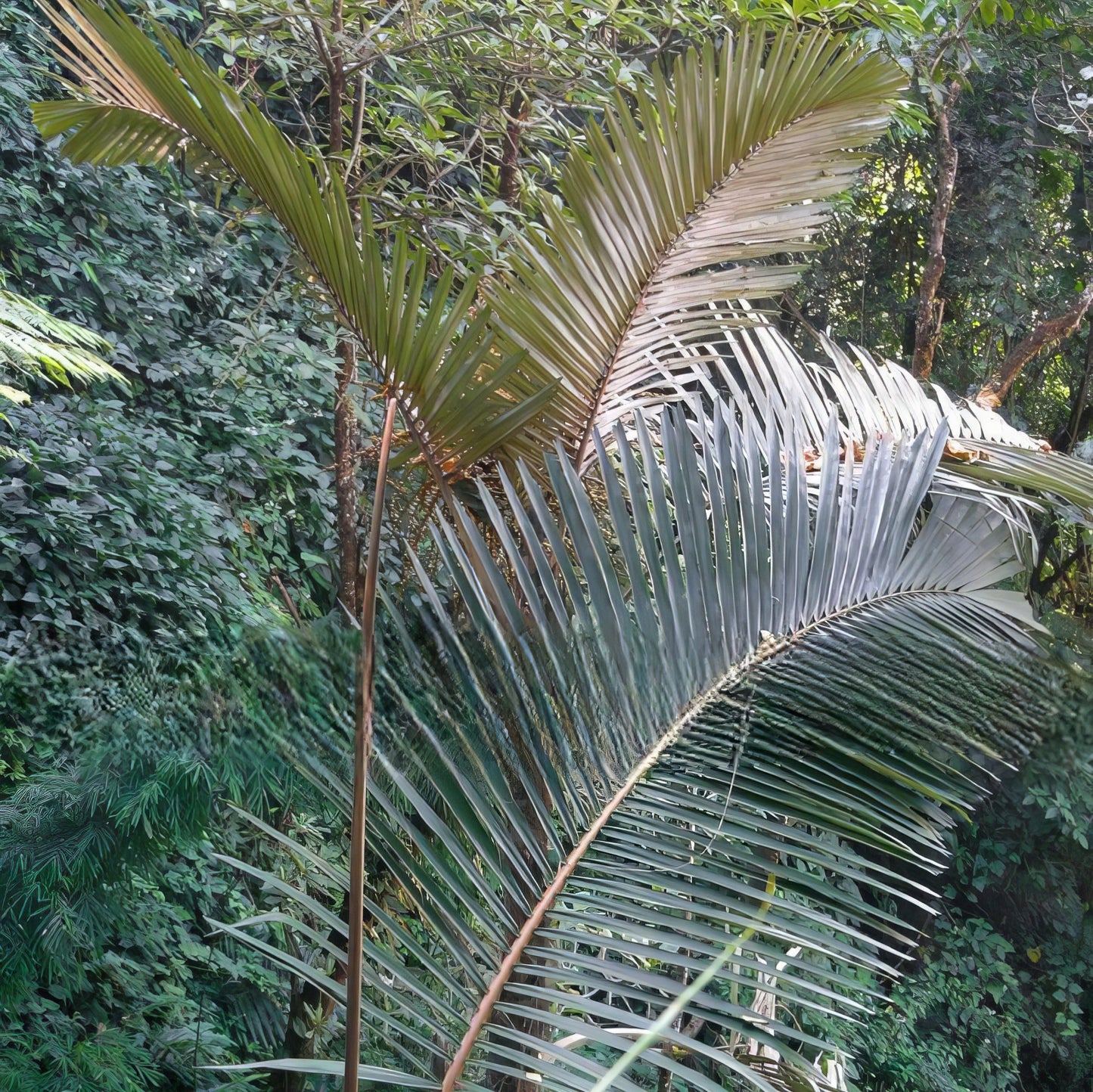
Cold-tolerant clustering palm with silvery-backed feathery fronds
About Arenga micrantha
Arenga micrantha, commonly known as the Dwarf Sugar Palm or Mountain Sugar Palm, is a small to medium-sized palm native to the mountainous regions of Southeast Asia, particularly in Nepal, Bhutan, and northern India. This palm is known for its clustering habit, producing multiple stems from the base, each adorned with long, feather-like (pinnate) leaves.
The leaves are dark green with a silvery underside, adding to the plant's visual appeal. Unlike some larger species in the Arenga genus, Arenga micrantha remains relatively compact, typically reaching heights of 3–6 meters, making it suitable for smaller gardens or as an understory plant in larger landscapes. This palm is also notable for its tolerance to cooler temperatures and higher altitudes compared to many other tropical palms.
Growing Conditions
Light Requirements
Arenga micrantha thrives in partial to full shade. It can tolerate some sun, particularly in cooler climates, but prefers the filtered light found in forested environments.
Temperature Preferences
This palm is more cold-tolerant than many tropical palms, thriving in temperatures ranging from 10–25 °C. It can withstand occasional frost, making it suitable for subtropical and cooler climates.
Soil Composition
Arenga micrantha prefers well-draining, fertile soil with a high organic content. It can adapt to various soil types, including loam and sandy soils, but good drainage is essential.
Water Management
This palm requires regular watering to keep the soil consistently moist. It is not drought-tolerant and appreciates high humidity, making it ideal for humid, shaded areas.
Planting and Care
Planting Location
Plant Arenga micrantha in a location that receives filtered light or partial shade. It can be grown as an understory plant in a tropical or subtropical garden. If planting in a container, ensure the pot is large enough to accommodate its clumping growth habit and has proper drainage.
Fertilization Program
Fertilize with a balanced, slow-release fertilizer during the growing season to support healthy growth. Adding organic mulch around the base can help retain moisture and provide additional nutrients.
Maintenance Requirements
This palm requires minimal maintenance. Prune away any dead or damaged fronds to keep the plant looking neat. Watch for pests such as scale or mealybugs, which can be treated with appropriate insecticidal measures if needed.
Growing from Seeds
Seed Preparation
Fresh seeds have the best germination success. Before sowing, soak the seeds in warm water for 24–48 hours to soften the seed coat.
Sowing Medium
Sow the seeds in a well-draining soil mix, such as a blend of peat, perlite, and sand. Place the seeds just below the soil surface, covering them lightly.
Germination Conditions
Maintain a warm, humid environment with temperatures around 25–30 °C. Germination can be slow, taking several months, so patience is required. Keep the soil moist but not waterlogged.
Care for Seedlings
Once the seedlings emerge, provide them with bright, indirect light and keep the soil consistently moist. As they grow, gradually acclimate them to outdoor conditions if planting outside. When the seedlings are large enough, they can be transplanted into individual pots or directly into the garden.
Quick Reference Guide
Premier Provider of Exceptional Exotic and Rare Seeds Worldwide
Specializing in authentic, carefully curated germplasm selected with meticulous precision and unwavering commitment to quality excellence.
Shipping & Returns
Shipping & Returns
Share