Viriar
Agaveamericana var. oxacensis – Oaxacan Century Plant (Seeds) | VIRIAR
Agaveamericana var. oxacensis – Oaxacan Century Plant (Seeds) | VIRIAR
Couldn't load pickup availability
Agave americana var. oxacensis
Oaxacan Century Plant
Striking desert agave with architectural form and bold blue-green foliage
About Agave americana var. oxacensis
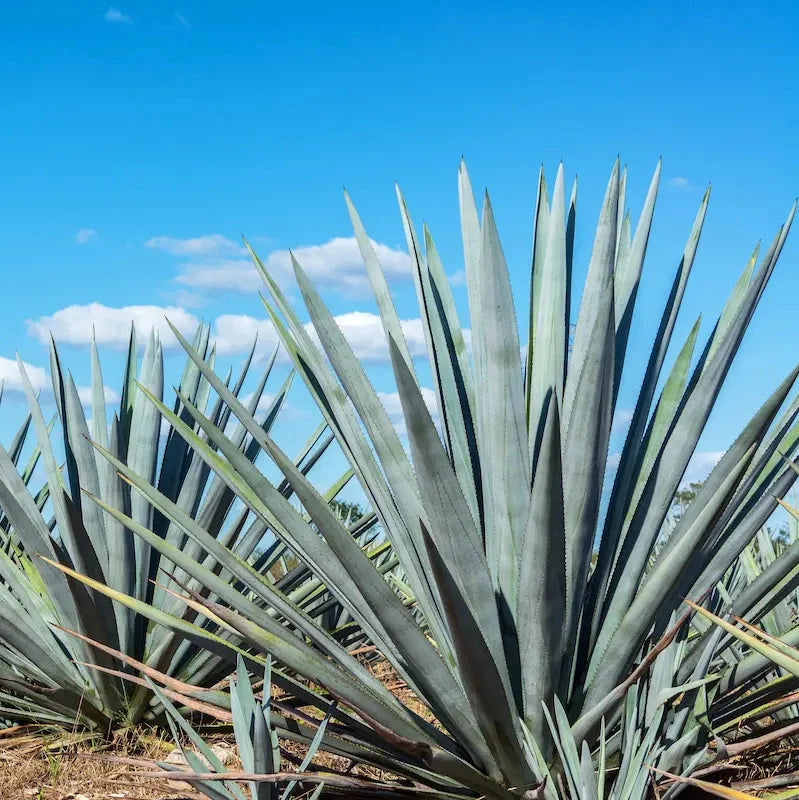
Agave americana var. oxacensis, commonly known as the Oaxacan Century Plant, is a striking variety of the well-known Agave americana. Native to the arid regions of Oaxaca, Mexico, this agave is appreciated for its bold, architectural form and striking foliage. The plant has thick, succulent leaves arranged in a rosette pattern, featuring blue-green coloration with a hint of gray and sharp, spiny margins with a distinct terminal spine at the tip.
This variety is smaller and more compact than the typical Agave americana, usually reaching a height of 1–1.5 meters (3–5 feet) and a spread of 1.5–2 meters (5–6 feet). The plant is known for its dramatic flowering spike, which can grow up to 6 meters (20 feet) tall and bears clusters of vibrant yellow flowers. This flowering event happens once in the plant's lifetime, after which the plant dies, but it usually produces numerous offsets or "pups" at its base before it blooms.
Agave americana var. oxacensis is ideal for gardeners seeking a distinctive, architecturally bold plant that demands minimal care yet delivers maximum visual impact. Its compact size compared to other agaves, combined with its striking blue-green foliage and dramatic yellow flowers, makes it a valuable addition to landscapes, containers, and botanical collections.
Cultivation Conditions
Light Requirements
Agave americana var. oxacensis requires full sun to thrive, needing at least 6 hours of direct sunlight daily. It can tolerate some light shade, particularly in hotter climates, but full sun is ideal for maintaining its compact form and vibrant blue-green coloration.
Temperature & Hardiness
This agave is hardy in USDA zones 8–11. It prefers hot, dry climates and is highly heat and drought-tolerant. It can withstand occasional light frost but may require protection or mulching in areas where temperatures drop below freezing for extended periods.
Soil Composition
The Oaxacan Century Plant thrives in well-draining soil, such as sandy or gravelly types, and does well in poor, rocky soils where other plants might struggle. Good drainage is essential to prevent root rot, which is a common issue in heavy, waterlogged soils. Amend clay soils with sand and perlite.
Water Management
This variety is drought-tolerant and requires minimal watering once established. Water deeply but infrequently, allowing the soil to dry out completely between waterings. Overwatering should be avoided, especially in areas with high humidity or poor drainage. Once established, natural rainfall is often sufficient.
Planting & Care Instructions
Planting Procedure
Timing: Plant Agave americana var. oxacensis in the spring or fall. Location: Choose a sunny location with well-draining soil. Planting: Dig a hole twice as wide as the root ball but no deeper. Place the plant in the hole, backfill with soil, and water lightly to settle the roots. Avoid planting too deep, as this can lead to stem rot and other issues.
Spacing & Location
Allow adequate spacing for mature size: 1.5–2 meters (5–6 feet) spread. Place in prominent locations where the architectural form can be appreciated. Ensure protection from waterlogged areas and areas prone to standing water. In cooler zones, place near south-facing walls for maximum warmth.
Fertilization
Fertilization is generally not necessary for this agave. However, a light application of a balanced, slow-release fertilizer in the spring can promote faster growth. Avoid excessive fertilization, as this can encourage lush, weak growth more prone to rot and pest problems in desert species.
Pruning & Maintenance
Pruning is minimal and usually involves removing dead or damaged leaves as needed. Safety First: Wear thick gloves when handling this plant, as the leaf margins are spiny and the sap can cause skin irritation. Remove any diseased foliage promptly to maintain plant health and appearance.
Container Growing
Younger plants can be grown in large containers. Use cactus/succulent potting mix with excellent drainage. Ensure containers have drainage holes. Move containers to protected locations during cold snaps in zones 8–9. Repot every 2–3 years as the plant grows.
Propagation Methods
Offsets (Pups) - Primary Method
The most common method of propagation for Agave americana var. oxacensis is through the removal and replanting of offsets, or "pups," that grow around the base of the mature plant. Carefully dig around the base of the pup, gently pull it away from the parent plant, and allow it to dry for a few days to form a callous over the cut surface. This prevents rot during initial establishment.
Planting Offsets
Plant the offset in a well-draining potting mix (cactus mix works well) and water sparingly until it establishes roots. Provide bright, indirect light initially, then gradually transition to full sun. Most offsets establish roots within 2–4 weeks. Avoid overwatering during establishment, as this is the primary cause of failure.
Seed Propagation
Less Common Method: Although less common, agave can also be propagated by seeds. Sow seeds in a well-draining soil mix and keep them in a warm, sunny location with temperatures between 25–30°C (77–86°F). Germination may take several weeks to months. This method is less common because it takes significantly longer for plants grown from seeds to reach maturity.
Care for Young Plants
Young agaves require bright light and well-draining soil. Water sparingly and allow soil to dry completely between waterings. Protect from extreme cold during the first year. Once established (after 6–12 months), gradually reduce watering frequency. Mature plants rarely need water except during extended droughts.
Quick Reference Guide
Premier Provider of Exceptional Exotic and Rare Plants Worldwide
Specializing in authentic, carefully cultivated specimens selected with meticulous precision and unwavering commitment to quality excellence. All plants are professionally grown, healthy, and ready for immediate establishment.
Shipping & Returns
Shipping & Returns
Share