Viriar
Alocasia macrorrhiza – Giant Taro, Elephant Ear (Seeds) | VIRIAR
Alocasia macrorrhiza – Giant Taro, Elephant Ear (Seeds) | VIRIAR
Couldn't load pickup availability
Alocasia macrorrhiza
Giant Taro / Elephant Ear
Spectacular tropical plant with enormous, dramatic foliage
About Alocasia macrorrhiza
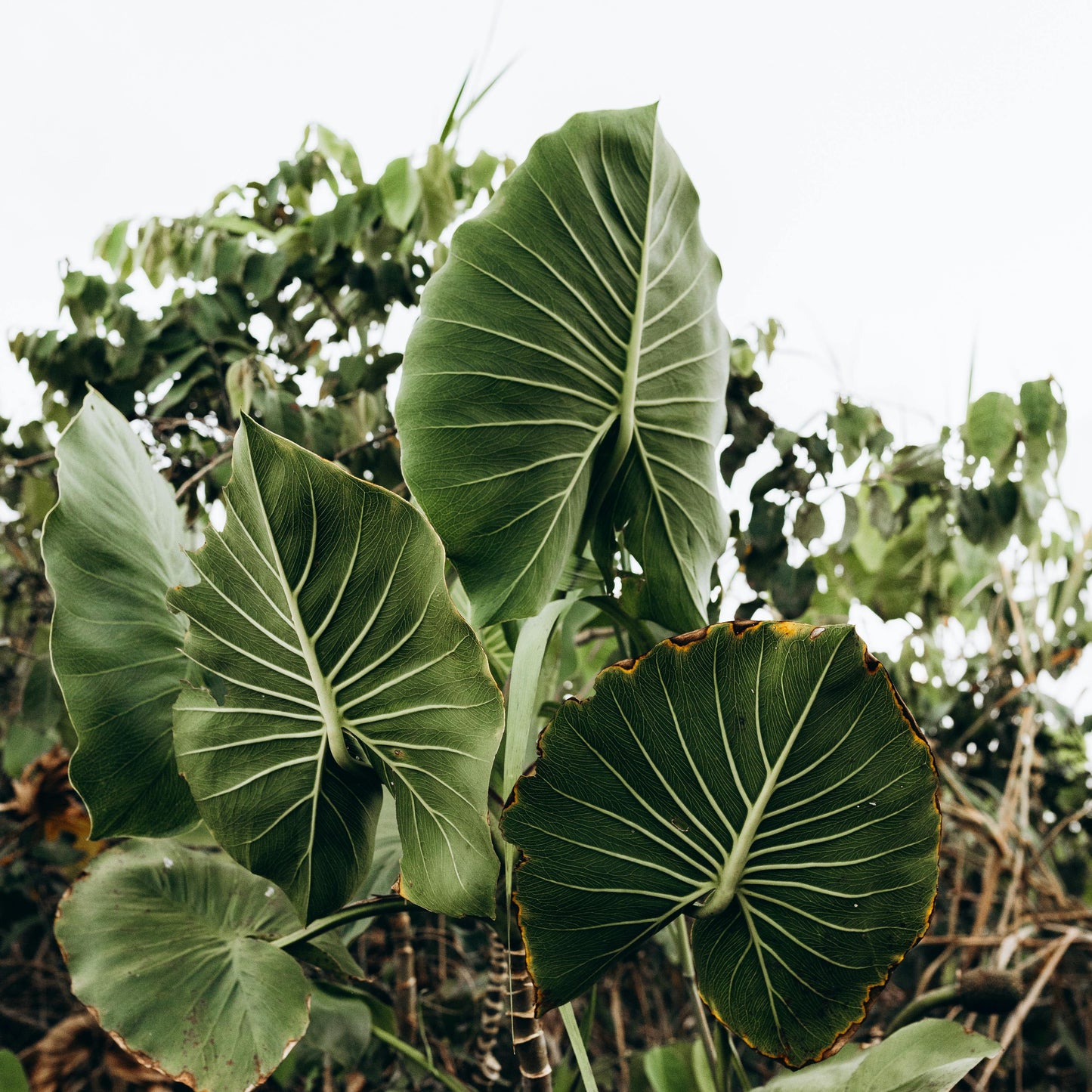
Alocasia macrorrhiza, commonly known as the Giant Taro, Elephant Ear, or Giant Alocasia, is a tropical perennial plant prized for its dramatic, large foliage. Native to Southeast Asia, this plant is renowned for its enormous, glossy, heart-shaped leaves that can grow up to 1 meter (3 feet) long and 60 cm (2 feet) wide. The leaves are dark green with prominent veins, giving them an impressive, architectural appearance that adds a lush, tropical vibe to gardens and indoor spaces.
This plant can grow up to 3-4 meters (10-13 feet) tall in its natural habitat, making it one of the largest members of the Alocasia genus. Alocasia macrorrhiza thrives in warm, humid environments and is commonly used as a focal point in landscape designs due to its striking foliage and bold form. It is also popular as an indoor plant in regions with cooler climates.
Growing Conditions
☀️ Light Requirements
Alocasia macrorrhiza thrives in bright, indirect light but can tolerate partial shade. Direct sunlight can scorch the leaves, especially in hotter climates. Indoors, place the plant near a window with filtered light or in a well-lit room.
🌡️ Temperature Preferences
This plant prefers warm temperatures and high humidity. Ideal temperatures range from 18-30°C (65-85°F). It is not frost-tolerant and should be protected from cold drafts and temperatures below 10°C (50°F).
🌍 Soil Composition
Alocasia macrorrhiza prefers a well-draining, fertile potting mix rich in organic matter. A mix of peat moss, perlite, and compost works well. The soil should retain moisture without becoming waterlogged.
💧 Water Management
This plant enjoys consistent moisture but should not be left in soggy soil. Water regularly, allowing the top 2-3 cm (1 inch) of soil to dry out between waterings. Reduce watering in the winter when the plant is not actively growing.
Planting and Care Guide
🪴 Planting Instructions
Choose a large pot with drainage holes and fill it with a well-draining potting mix. Place the plant in the pot, ensuring the top of the root ball is level with the soil surface. Water thoroughly after planting. For outdoor planting, choose a sheltered spot with filtered sunlight or partial shade.
🧪 Fertilization Program
Feed Alocasia macrorrhiza with a balanced, water-soluble fertilizer every 2-4 weeks during the growing season (spring and summer). Reduce feeding during the fall and winter months when growth slows. Over-fertilization can cause leaf burn, so follow the instructions on the fertilizer packaging carefully.
✂️ Maintenance Requirements
Prune any dead or damaged leaves to maintain a tidy appearance and encourage new growth. Regularly wipe the leaves with a damp cloth to remove dust and allow the plant to photosynthesize efficiently. This plant is susceptible to pests such as spider mites, aphids, and mealybugs; check regularly and treat with insecticidal soap or neem oil if needed.
Propagation Methods
🌱 Division Method
The most common method of propagating Alocasia macrorrhiza is through division. When repotting, separate the offsets or "pups" from the mother plant. Each division should have at least one leaf and a portion of the root system. Plant the divisions in individual pots filled with a well-draining potting mix and water thoroughly.
🌿 Rhizome Propagation
This plant can also be propagated from rhizomes. Cut healthy rhizomes from the mother plant and plant them in a moist, well-draining medium. Keep the rhizomes in a warm, humid environment to encourage sprouting and growth.
Quick Reference Guide
Premier Provider of Exceptional Tropical and Rare Plants Worldwide
Specializing in authentic, carefully cultivated specimens selected with meticulous precision and unwavering commitment to quality excellence. All plants are professionally grown, healthy, and ready for immediate establishment.
Shipping & Returns
Shipping & Returns
Share