Passer aux informations produits
1 de 3

Viriar

Howea forsteriana – Kentia Palm (Seeds)

Howea forsteriana – Kentia Palm (Seeds)

Prix habituel €46,99 EUR
Prix habituel Prix promotionnel €46,99 EUR
Promotion Épuisé
Taxes incluses. Frais d'expédition calculés à l'étape de paiement.
Pack Size

Howea forsteriana

Kentia Palm

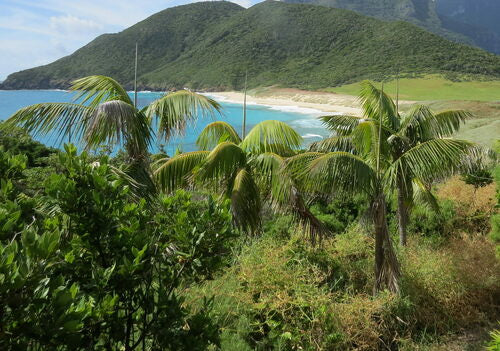
The world’s most popular indoor palm, native to Lord Howe Island

About Howea forsteriana

Howea forsteriana, the Kentia Palm, is arguably the world’s most beloved indoor palm. Endemic to Lord Howe Island in the Tasman Sea between Australia and New Zealand, this elegant species has graced the interiors of homes, hotels, and offices since the Victorian era. Its tolerance for low light, dry air, and neglect has made it the gold standard for interior landscaping. In the wild, it grows as a stately single-trunked palm beneath the subtropical forests of its island home.

Collector’s Note: The Kentia Palm is one of the most commercially significant palm species in the world. Lord Howe Island still exports seeds under strict regulation, making wild-harvested Kentia seeds highly prized. This species is remarkably slow-growing, which contributes to its value and longevity as an indoor specimen.

In its natural habitat, Howea forsteriana reaches 10 to 15 meters (33 to 49 feet) tall, with a slender, ringed trunk and a graceful crown of dark green, pinnate fronds that arch elegantly outward. As an indoor plant, it rarely exceeds 3 meters but maintains its refined appearance for decades. The fronds are deep green, smooth, and drooping, creating a lush tropical canopy. In maturity, it produces hanging clusters of small, reddish-brown fruit.

Cultivation & Growing Conditions

Light Requirements

The Kentia Palm is remarkably shade-tolerant and thrives in low to bright indirect light. It adapts well to north-facing windows, offices, and interior spaces where many other palms would struggle. Direct sunlight should be avoided, especially in hot climates, as it can scorch the fronds. Outdoors in subtropical climates, it prefers dappled shade beneath taller trees.

Temperature & Hardiness

Hardy to approximately –2°C (28°F) for brief periods once established, making it suitable for USDA Zones 9b–11. Indoors, it thrives in normal room temperatures between 16–27°C (60–80°F). It tolerates dry indoor air better than most tropical palms, though it appreciates occasional misting. Avoid cold drafts and sudden temperature changes.

Soil & Drainage

Prefers well-draining, humus-rich soil with a slightly acidic to neutral pH (6.0–7.0). A good potting mix of peat, perlite, and sand works well for container cultivation. In the ground, it adapts to various soil types provided drainage is adequate. Avoid heavy clay or waterlogged soils that can lead to root rot.

Water Requirements

Moderate water needs. Allow the top 2–3 cm of soil to dry between waterings. Overwatering is the most common cause of decline in Kentia Palms. In winter, reduce watering frequency. The palm is moderately drought-tolerant once established but performs best with consistent, moderate moisture during the growing season.

Planting & Care Guide

Seed Preparation

Soak seeds in lukewarm water for 48–72 hours, changing water daily. Fresh seeds germinate best; older seeds may take considerably longer. Remove any remaining fruit flesh before soaking.

Germination

  • Sow seeds in well-draining seed compost at a depth of 1–2 cm (0.5–1 inch).
  • Maintain a temperature of 25–30°C (77–86°F) for optimal germination.
  • Keep the medium consistently moist but not waterlogged.
  • Germination is slow, typically 3–12 months. Patience is essential.
  • Provide bright, indirect light once seedlings emerge.

Seedling Care

Transplant seedlings to individual pots once they have 2–3 true leaves. Use a well-draining potting mix and place in bright indirect light. Feed with diluted balanced fertilizer every 6–8 weeks during the growing season. Growth is very slow in the first few years, which is normal for this species.

Propagation

Howea forsteriana is propagated exclusively from seed. It does not produce offsets or suckers, so division is not possible. Seeds should be collected from fully ripe fruit and sown as soon as possible for best results.

Propagation Tip: Kentia Palm seeds are notoriously slow to germinate, often taking 3 to 12 months. Bottom heat (using a heat mat set to 27–30°C) significantly improves germination rates and speed. Keep the growing medium warm and consistently moist throughout the long germination period.

Seedlings grow very slowly, particularly in the first 2–3 years. This slow growth rate is one reason mature Kentia Palms command premium prices in the nursery trade. With patience and proper care, seedlings will develop into beautiful specimens that can thrive for decades.

Quick Reference

Botanical Name
Howea forsteriana
Common Names
Kentia Palm
Origin
Lord Howe Island, Australia
Mature Height
10–15 m (33–49 ft)
Hardiness
USDA Zones 9b–11
Light
Partial Shade to Bright Indirect
Product Type
Seeds
Seller
VIRIAR.COM

Expédition et retours

Afficher tous les détails