Climbing Plants Encyclopedia — Complete Vertical Garden Guide
Browse by Group
💜 Clematis
The queen of climbers, clematis offers an unrivalled range of flower forms from large-flowered hybrids to dainty species. With careful selection of early, mid, and late varieties, you can have clematis in bloom from January through to November. Three pruning groups make care straightforward once you know which group your plant belongs to.


🌹 Climbing Roses
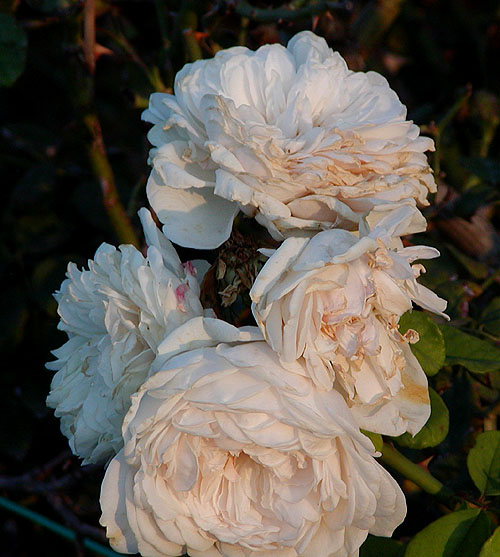
Climbing roses bring the romance and fragrance of the rose garden to vertical surfaces. Unlike ramblers, climbing roses produce flowers on a permanent framework of long canes that can be trained along walls, fences, arches, and pergolas. Many modern varieties are repeat-flowering and disease-resistant.




💐 Wisteria
Few climbers match the sheer spectacle of wisteria in full bloom, with cascading racemes of scented flowers in late spring. These vigorous, long-lived woody climbers need sturdy support and disciplined twice-yearly pruning but reward patience with decades of breathtaking displays.


🌸 Honeysuckle
Beloved for their sweet evening fragrance, honeysuckles are vigorous twining climbers that attract moths and other pollinators. Both evergreen and deciduous species are available, offering year-round interest from flowers, berries, and in some species, attractive bark.


⭐ Jasmine
Jasmine species span the seasons — winter jasmine brightens the coldest months with yellow stars, while summer jasmine fills warm evenings with intoxicating white blooms. These scrambling and twining plants need regular tying-in but are otherwise undemanding.


🌺 Passionflower
With their extraordinary, complex flowers unlike anything else in the garden, passionflowers are fast-growing tendril climbers. The hardiest species (P. caerulea) thrives outdoors in temperate climates, while tender species reward conservatory growing with edible fruits.


🤍 Climbing Hydrangea
The self-clinging climbing hydrangea is one of the finest climbers for shady walls, requiring no support once established. Slow to start but ultimately vigorous, it produces beautiful lacecap flower heads and has attractive peeling bark for winter interest.


🍃 Ivy & Virginia Creeper
Self-clinging climbers that need no support structures, ivy and Virginia creeper cover walls, fences, and trees with dense foliage. Ivy provides year-round evergreen cover and vital winter wildlife habitat, while Virginia creeper delivers spectacular autumn colour before leaf drop.


🌴 Tropical Vines
Bold, exotic climbers from warmer regions that bring drama to sheltered walls, conservatories, and heated greenhouses. Bougainvillea, mandevilla, and trumpet vines offer vivid colour, though most need winter protection or indoor overwintering in temperate climates.


🍇 Edible Vines
Productive climbers that combine ornamental value with harvest potential. Grapes, kiwifruit, hops, and passion fruit all need sturdy support systems capable of bearing fruit weight, but reward the grower with fresh produce and attractive foliage.


🌼 Annual Vines
Fast-growing climbers that complete their lifecycle in a single season, annual vines provide quick screening, colour, and vertical interest. Morning glories, sweet peas, and nasturtiums are easily grown from seed and ideal for temporary features and container displays.


🌿 Evergreen Climbers
Year-round foliage makes evergreen climbers invaluable for screening, privacy, and winter structure. Star jasmine, evergreen clematis, and climbing euonymus maintain their leaves through winter, providing constant green cover and often fragrant flowers in season.


Aquatic Plants Encyclopedia
347 aquatic species with water garden design and pond care guides.
Browse Aquatic Plants →