Pileostegia viburnoides (Climbing Pileostegia)
Pileostegia viburnoides (Climbing Pileostegia)



Contents
Introduction
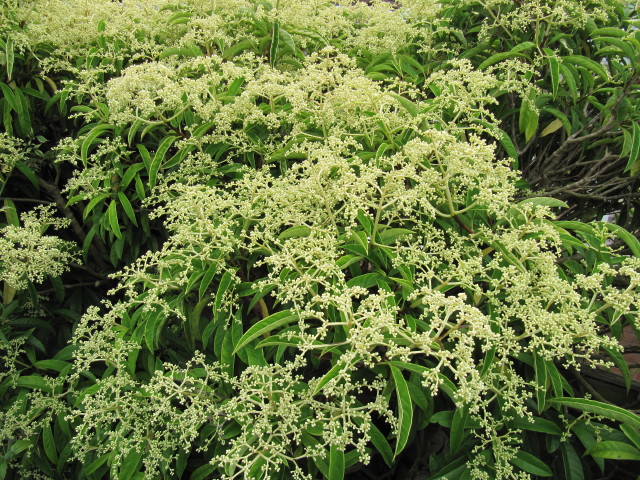
Pileostegia viburnoides (Climbing Pileostegia) is a evergreen climber in the Hydrangeaceae family, reaching 6 metres with creamy white flowers in summer through autumn. Hardy in USDA zones 7-10.
Pileostegia viburnoides, commonly known as Climbing Pileostegia, is a evergreen evergreen climber in the Hydrangeaceae family. The plant reaches 6 metres in height with a spread of approximately 3 metres, climbing by means of aerial rootlets that adhere to surfaces. The creamy white flowers appear in summer through autumn, providing seasonal colour. The foliage is dark_green, maintaining its colour year-round as an evergreen. Growth rate is slow-growing, adding less than 30 cm per year. Native to China, India, this species has become a valued ornamental plant in temperate and subtropical gardens worldwide.
Height: 6 m • Flowers: creamy white (summer_autumn) • USDA zones: 7-10 • Growth: slow
Botanical Description
Classification: Hydrangeaceae > Pileostegia > viburnoides. The Hydrangeaceae (hydrangea family) includes both shrubby and climbing species found across Asia and the Americas. This species is native to China, India and was introduced to European gardens from China, India. The genus Pileostegia contains several species, many of which are valued in horticulture for their climbing habit and ornamental qualities.
| Height | 6 m |
| Spread | 3 m |
| Foliage | Evergreen — dark_green |
| Flowers | creamy white |
Climbing Mechanism
Pileostegia viburnoides climbs using aerial rootlets that adhere to surfaces. These small, adventitious roots emerge along the stems and secrete a natural adhesive that bonds to rough surfaces such as brick, stone, and bark. This self-clinging mechanism means the plant generally does not require additional support structures on suitable surfaces. The aerial roots can penetrate small cracks and crevices, which may cause cosmetic damage to rendered walls or aging mortar. The plant can reach 6 metres when growing on a suitable vertical surface.
Group Climbing Guide — Climbing Hydrangea
Aerial roots attach to rough surfaces. Slow to establish (2–3 years), then vigorous. Needs no tying.
Planting Guide
Step 1 — Site Selection: Choose a position in shade or dappled light with well-drained soil. Consider the mature size (6m tall × 3m wide) when selecting the site. Step 2 — Support Installation: Install a wall (with or without wire supports) or solid vertical surface before planting. Ensure the support is rated for the mature weight of the plant. Step 3 — Soil Preparation: Dig a hole twice the width and 1.5 times the depth of the rootball. Mix in well-rotted compost and a slow-release fertilizer. Target pH 5.5-7.0. Step 4 — Planting: Plant at the same depth as the container (except clematis, which should be planted deeper). Water thoroughly and firm in gently. Step 5 — Aftercare: Mulch with 5-8 cm of organic matter. Water regularly during the first growing season. Guide initial stems toward the support using soft ties. Protect from slugs and snails in the early stages.
Climate & Hardiness
Spring: Apply a balanced slow-release fertilizer as new growth begins. Mulch around the base with organic matter. Tie in new stems to supports. Check for winter damage and prune out any dead or damaged growth. Summer: Water regularly , especially during dry spells. Feed monthly with a liquid fertilizer during the growing season. Continue training and tying in new growth. Deadhead if applicable. Autumn: Reduce watering and feeding as growth slows. Apply a thick mulch to protect roots from winter cold. Check for any pest or disease issues before winter. Winter: This species is reliably hardy in most temperate gardens. Check ties and supports. Plan any structural pruning for late winter.
Zones 7–10
Overwintering Guide
Fully hardy. No protection needed. Old flowerheads provide winter interest — leave until spring.
Propagation
Stem cuttings (primary method): Take semi-ripe cuttings in mid to late summer (July-August). Select healthy, current season's growth, cutting just below a leaf node. Cuttings should be 10-15 cm long. Remove lower leaves, dip the cut end in hormone rooting powder, and insert into a well-drained mix of perlite and peat (50:50). Place in a propagator or cover with a clear plastic bag. Bottom heat of 18-21°C improves success rates. Roots typically develop within 4-8 weeks. Success rate: 60-80%. Layering (alternative): In spring, select a low-growing flexible stem. Wound the underside lightly, pin it to the ground with a wire staple, and cover with soil. Keep moist. Roots develop over 6-12 months. Sever from the parent plant and transplant the following season. Success rate: 80-90%.
Pests & Diseases
Common Problems
1. Powdery Mildew: White, powdery fungal growth on leaves and stems. Most common in warm, dry weather with cool nights. Improve air circulation, avoid overhead watering, and treat with a suitable fungicide. 2. Aphids: Dense colonies of small insects on new growth, causing distortion and sticky honeydew. Spray with insecticidal soap or encourage natural predators (ladybirds, lacewings, hoverflies). 3. Root Rot (Phytophthora/Pythium): Wilting despite moist soil, yellowing leaves, soft brown roots. Caused by waterlogged conditions. Improve drainage and avoid overwatering. Remove severely affected plants. 4. Leaf Spot: Brown or black spots on foliage caused by various fungal pathogens. Remove affected leaves, improve air circulation, and apply a fungicide if widespread. 5. Slugs and Snails: Particularly damaging to young plants. Use organic slug pellets, copper barriers, or biological controls (nematodes).Group Disease & Pest Reference (Climbing Hydrangea)
- Leaf spot — occasional brown spots in wet weather; usually minor and cosmetic
- Scale insects — on old woody stems; scrape off or treat with winter oil wash
- Powdery mildew — rare but possible in extreme drought; water at base during dry spells
- Honey fungus — can affect established plants; maintain plant vigour
- Vine weevil — notch-shaped leaf damage; search for and destroy grubs in soil around base
1. Air circulation — good spacing and pruning prevents fungal diseases
2. Clean tools — sterilise secateurs between plants to avoid spreading disease
3. Correct pruning — removing dead/diseased wood promptly limits spread
4. Good hygiene — clear fallen leaves and debris from around the base
5. Resistant cultivars — choose disease-resistant varieties where available
Training & Pruning
Pruning timing: Prune after flowering or in early spring. Formative pruning: In the first 2-3 years, focus on building a strong framework of main stems by selecting well-placed shoots and tying them to the support. Remove weak, crossing, or badly-placed stems. Maintenance pruning: Once established, shorten side shoots after flowering to maintain shape and encourage new flowering wood. Remove any dead or damaged growth promptly. Thin overcrowded stems to maintain good air circulation. Training: Tie in new growth regularly throughout the growing season using soft garden twine or plant clips. Spread stems evenly across the support for the best coverage and flowering display. Self-clinging species need minimal tying once established.
Pruning Guide — Climbing Hydrangea
Minimal pruning needed. After flowering, trim outward-growing shoots to maintain shape. Remove dead wood spring.
Support Structures
Pileostegia viburnoides is a self-clinging climber that generally does not require additional support structures on suitable surfaces. However, young plants may need initial guidance: Suitable surfaces: Brick, stone, rough-rendered walls, mature tree trunks. The plant adheres best to rough, porous surfaces. Temporary support: Use small nails or adhesive hooks to guide young growth until the plant's own attachment mechanism takes hold (usually within one growing season). Weight considerations: Mature plants can be extremely heavy. Ensure the wall or structure is sound before allowing extensive growth. A mature specimen covering a large wall area can weigh hundreds of kilograms when wet. Dimensions: Allow for a mature height of 6m and spread of 3m.
Support Guide — Climbing Hydrangea
Self-clinging: walls, fences, tree trunks. No support needed once established. North-facing walls fine.
Wildlife Value
Pileostegia viburnoides is a valuable pollinator plant, attracting bees, butterflies, and hover flies to the garden. The open flowers provide easy access to nectar and pollen. Ecosystem services: The climbing habit creates valuable vertical habitat, providing shelter and nesting opportunities for birds and invertebrates. Dense foliage offers roosting sites for birds and overwintering habitat for beneficial insects.
Landscape Design
Walls and fences: Pileostegia viburnoides is well-suited to covering walls and fences, providing year-round screening. Self-clinging habit means no additional wiring is needed on rough surfaces. Pergolas and arbors: Excellent choice for pergolas, creating a dramatic overhead canopy. Screening: Creates year-round screening when grown on appropriate support. Effective for disguising unsightly structures, dividing garden rooms, or creating private spaces. Feature plant: Makes a stunning focal point when grown on a prominent support structure. Combine with other climbers for a layered, naturalistic effect.
History & Culture
Pileostegia viburnoides has been cultivated in gardens since its introduction from China, India. Originally from China, India, it has become valued in horticulture for its ornamental qualities. The genus Pileostegia has contributed significantly to the diversity of climbing plants available to gardeners, with species found across multiple continents and climate zones.
Container Growing
Pileostegia viburnoides is not recommended for container growing due to its vigorous root system and large mature size (6m). The plant requires open ground to develop a sufficiently large root system for healthy growth and flowering. If space is limited, consider a more compact cultivar or alternative species better suited to container culture.
Frequently Asked Questions
How tall does Climbing Pileostegia grow?
Climbing Pileostegia typically reaches 6 metres in height under good growing conditions. Actual size depends on support structure, pruning regime, and local climate.
What support does Climbing Pileostegia need?
Climbing Pileostegia performs best on wall. Choose a support appropriate to the climbing method and mature weight of the plant.
When should I prune Climbing Pileostegia?
Minimal pruning needed. After flowering, trim outward-growing shoots to maintain shape. Remove dead wood spring.
Is Climbing Pileostegia suitable for containers?
Climbing Pileostegia is best planted in the ground where its root system can develop fully, though young plants may succeed in very large containers.
Does Climbing Pileostegia damage walls?
Self-clinging climbers like Climbing Pileostegia can potentially damage old, soft mortar. On sound walls in good condition, damage is minimal. Avoid planting on surfaces that need regular maintenance.
How fast does Climbing Pileostegia grow?
Climbing Pileostegia has a slow growth rate. Newly planted climbers may take 1–2 years to establish before vigorous growth begins.
Is Climbing Pileostegia invasive?
The invasive risk for Climbing Pileostegia is rated as none. This species is generally well-behaved when properly managed.
What diseases affect Climbing Pileostegia?
Generally very trouble-free. Maintain adequate moisture, remove dead wood, inspect woody stems annually
What are expert tips for growing Climbing Pileostegia?
Install supports before planting: Trying to fit supports after the plant is established risks root damage and is far more difficult. Water deeply and less frequently: Deep watering encourages deep root growth, making the plant more drought-resilient than frequent shallow watering. Check ties regularly: Ties that are too tight can girdle stems as they thicken. Use soft, stretchy materials and check at least twice a year. Mulch annually: A 5-8 cm layer of organic mulch suppresses weeds, conserves moisture, moderates soil temperature, and improves soil structure as it decomposes. Right plant, right place: Match the plant's needs (sun, soil, hardiness) to your site conditions. A plant in its ideal conditions will always outperform one that is struggling.
What cultivars of Climbing Pileostegia are available?
Pileostegia viburnoides is the species type, from which many cultivars and hybrids have been derived. It represents the 'wild' form of the plant as found in its native habitat of China, India. The species form typically displays creamy white flowers and reaches 6 metres. It is valued for its genetic vigour and adaptability compared to some highly bred cultivars. Several named selections have been made for improved flower colour, size, or habit.
Seasonal Care Calendar
🌱 Spring (Mar–May)
Water: As soil dries out
Feed: General fertiliser at base
Prune: Light trim if needed
Train: Tie in new shoots to supports
☀️ Summer (Jun–Aug)
Water: Regular in dry spells
Feed: Liquid feed fortnightly
Prune: Deadhead spent flowers
Train: Direct new growth, fill gaps
🍂 Autumn (Sep–Nov)
Water: Reduce as growth slows
Feed: Final potash feed
Prune: Remove dead/diseased wood
Train: Tie in loose stems before gales
❄️ Winter (Dec–Feb)
Water: Only in dry frost-free spells
Feed: None until spring
Prune: Dormant pruning (roses, grape)
Train: Check and repair supports
Quick Reference: Pileostegia viburnoides
Explore More Plant Encyclopedias
Roses Herbs Citrus Bulbs Ferns Vegetables Aquatic Plants Climbing Plants