Viriar
Zamia furfuracea – Cardboard Palm (Seeds) | VIRIAR
No se pudo cargar la disponibilidad de retiro
Zamia furfuracea
Cardboard Palm
Unique low-maintenance cycad with distinctive cardboard-textured leaves
About Zamia furfuracea
Zamia furfuracea, commonly known as the Cardboard Palm or Cardboard Cycad, is a tropical plant native to the coastal regions of eastern Mexico. Despite its common name, it is not a true palm but a cycad, belonging to the Zamiaceae family. This plant is prized for its unique, leathery, and thick leaves that have a cardboard-like texture, giving it its common name.
The Cardboard Palm forms a low-growing, rosette-like structure, usually reaching heights of up to 1 meter (3 feet) with a similar spread. The leaves are pinnate, meaning they have a feather-like arrangement, and they emerge in a spiral from the central stem. The leaves are typically 60–120 cm (2–4 feet) long, with each leaflet being broad, ovate, and covered in a fine layer of fuzz.
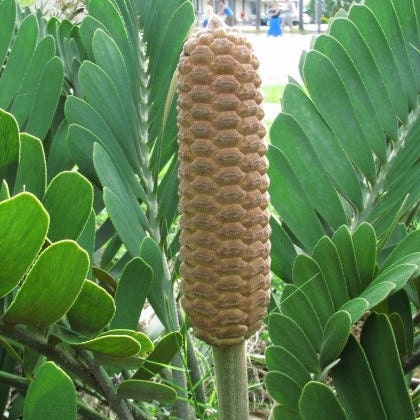
Zamia furfuracea is a dioecious plant, meaning individual plants are either male or female. The male plants produce cylindrical cones, while the female plants produce larger, egg-shaped cones that can be quite striking. This plant is slow-growing and can live for many years, making it an excellent choice for containers or as a low-maintenance landscape plant in warm climates.
Growing Conditions
Light Requirements
Zamia furfuracea thrives in bright, indirect light but can tolerate partial shade. In full sun, the leaves can become more compact and leathery, while in lower light, they may grow longer and more spread out.
Temperature Preferences
This plant prefers warm, tropical to subtropical climates, ideally between 18–27 °C (65–80 °F). It is sensitive to frost and should be protected or brought indoors in colder climates.
Soil Composition
The Cardboard Palm prefers well-draining, sandy or loamy soil with a slightly acidic to neutral pH. Good drainage is essential to prevent root rot, as the plant is susceptible to overwatering.
Water Management
Zamia furfuracea is drought-tolerant once established. Water the plant regularly during the growing season, allowing the soil to dry out between waterings. In the winter, reduce watering to prevent overwatering.
Planting and Care
Planting Location
Plant Zamia furfuracea in a location with well-draining soil and partial shade. If planting in a container, use a cactus or palm potting mix to ensure good drainage. Choose a pot with drainage holes to prevent waterlogging.
Fertilization Program
Fertilize the plant with a balanced, slow-release fertilizer during the growing season, typically in spring and summer. Avoid over-fertilizing, as this can lead to excessive growth and weak stems.
Maintenance Requirements
This plant requires minimal maintenance. Prune off any dead or yellowing leaves to maintain its appearance. Be cautious when handling the plant, as the sap can be irritating to the skin.
Growing from Seeds
Seed Preparation
Zamia furfuracea seeds should be cleaned and soaked in warm water for 24 hours before sowing to soften the seed coat and improve germination rates.
Sowing Medium
Sow the seeds in a well-draining seed-starting mix, pressing them lightly into the soil. Cover the seeds with a thin layer of soil or sand.
Germination Conditions
Place the seed tray in a warm, bright location with temperatures around 25–30 °C (77–86 °F). Keep the soil consistently moist but not waterlogged. Germination can be slow, often taking several months.
Care for Seedlings
Once seedlings emerge, provide them with bright, indirect light. As they grow, transplant them into individual pots or directly into the garden when they are large enough to handle.
Quick Reference Guide
Premier Provider of Exceptional Exotic and Rare Seeds Worldwide
Specializing in authentic, carefully curated germplasm selected with meticulous precision and unwavering commitment to quality excellence.
Shipping & Returns
Shipping & Returns
Share