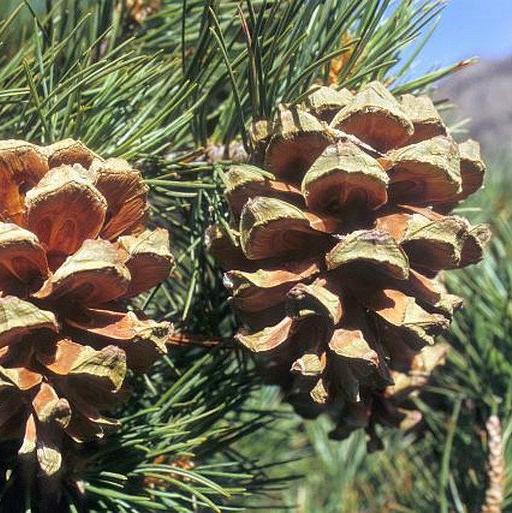
Pinus gerardiana, commonly known as Chilgoza Pine, Neja, or Himalayan Pine, is a remarkable small to medium-sized evergreen conifer native to the northwestern Himalayas. This species thrives in regions spanning Afghanistan, Pakistan, and India, where it has been valued for millennia as both a timber source and producer of nutritious pine nuts.
The "Kohistan" variant is specifically named after the Kohistan district in northern Pakistan, a mountainous region where this exceptional pine variety naturally flourishes. This particular cultivar represents the authentic genetic heritage of pine nuts production regions, making it highly sought after by collectors and growers seeking genuine Himalayan genetics.
Physical Characteristics: Pinus gerardiana typically reaches heights of 10-25 meters (33-82 feet) with an impressive trunk diameter of up to 1 meter (3.3 feet). Young trees display a characteristic conical shape that becomes increasingly irregular and rounded with maturity – a natural adaptation to harsh alpine winds. The bark is distinctly thick, deeply fissured, and exhibits a striking reddish-brown coloration. Needle fascicles contain three long, slender needles arranged tightly around the shoot, creating an elegant fine-textured appearance. Mature cones are woody and ovoid, containing large edible seeds encased in remarkably hard protective shells.
Ecological Importance: In its native habitat, Pinus gerardiana plays a crucial role in high-altitude forest ecosystems, stabilizing steep mountainous terrain and providing shelter for diverse wildlife. The species represents thousands of years of natural selection in extreme alpine conditions, resulting in exceptional drought tolerance and cold hardiness. Growing this species in cultivation preserves this ancient genetic lineage while supporting biodiversity conservation efforts.