Ir directamente a la información del producto
1 de 6

VIRIAR

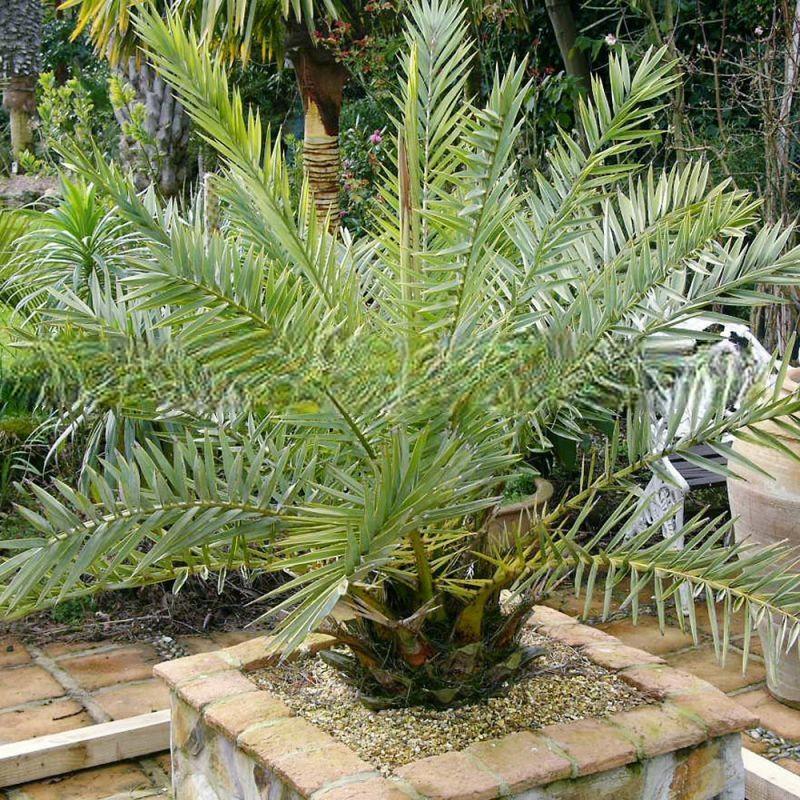
Phoenix theophrasti - Cretan Date Palm - 15 x seeds fresh | VIRIAR.COM

Phoenix theophrasti - Cretan Date Palm - 15 x seeds fresh | VIRIAR.COM

Precio habitual €8,99 EUR
Precio habitual Precio de oferta €8,99 EUR
Oferta Agotado
Impuestos incluidos. Los gastos de envío se calculan en la pantalla de pago.
Phoenix theophrasti - Cretan Date Palm

Phoenix theophrasti

Cretan Date Palm

Rare Mediterranean palm native to Crete with ancient heritage

About Phoenix theophrasti

Phoenix theophrasti, commonly known as the Cretan Date Palm or Theophrastus' Date Palm, is a rare and ancient species of palm native to the eastern Mediterranean, specifically the island of Crete and a few surrounding areas in Greece and Turkey. This palm is one of the few species of palms that are native to Europe.

The Cretan Date Palm typically grows to a height of 10–15 meters (33–49 feet), with a single, slender trunk covered in old leaf bases. The crown is composed of pinnate fronds that are gray-green in color, with each frond reaching up to 3 meters (10 feet) in length. The fronds have stiff, sharp leaflets, giving the tree a somewhat rugged appearance. In late summer, the palm produces small, yellowish flowers that develop into clusters of small, oval, orange-brown dates. These dates are generally not considered edible.

☀️ Mediterranean Treasure: This palm is adapted to the dry, rocky environments of its native habitat and is highly drought-tolerant. Its striking appearance and resilience make it a unique and valuable addition to Mediterranean gardens or similar dry, warm climates. One of Europe's rarest native palms!

Growing Conditions

Light Requirements

Phoenix theophrasti thrives in full sun. It requires at least 6–8 hours of direct sunlight daily to grow well and maintain its health. Full sun exposure enhances the plant's vigor and vibrant appearance.

Temperature & Hardiness

This palm is best suited for USDA hardiness zones 8–11. It can tolerate mild frost and cold temperatures down to -6 °C (21 °F) for short periods, but it prefers warm, Mediterranean climates. Protect young plants from severe cold.

Soil Composition

Phoenix theophrasti prefers well-draining, sandy or rocky soils. It is well-adapted to nutrient-poor soils and can tolerate alkaline conditions. Good drainage is essential to prevent root rot and ensure long-term health.

Water Requirements

This palm is highly drought-tolerant once established and requires minimal watering. Watering should be done sparingly, allowing the soil to dry out between waterings. Overwatering can be harmful and lead to root problems.

Planting & Care Guide

Site Selection & Planting

Choose a sunny location with well-draining soil. If planting in a garden, dig a hole that is twice as wide as the root ball and plant the palm at the same depth as it was in the pot. Water lightly after planting. This palm is ideal for xeriscaping or Mediterranean-style gardens.

Fertilization

Phoenix theophrasti does not require frequent fertilization. However, applying a balanced, slow-release fertilizer in the spring can support growth in poor soils. Fertilize sparingly to avoid overfeeding, which can stress the plant.

Maintenance & Pruning

Maintenance is minimal, consisting mainly of removing any dead or damaged fronds. This palm is resistant to most pests and diseases. Pruning should be done with care, as the fronds have sharp edges. Ensure that the tree has enough space to grow, as the sharp leaflets can be hazardous in high-traffic areas.

Container Growing

Young to intermediate Phoenix theophrasti can be grown in large containers with excellent drainage. Use quality cactus or palm potting mix. Container plants should be placed in the sunniest location available and watered sparingly.

Propagation Guide

Seed Propagation

Phoenix theophrasti is typically propagated from seeds. Collect seeds from ripe dates in the fall, clean them thoroughly, and sow in a well-draining potting mix. Keep the seeds warm and moist. Germination can take several weeks to months. Use a heat mat to maintain warm temperatures and accelerate germination.

Seed Preparation

Soak collected seeds in warm water for 24–48 hours before sowing to improve germination rates. This softens the seed coat and activates the embryo. After soaking, remove any remaining fruit pulp and sow in moist, sterile seed-starting mix.

Sowing Requirements

Plant seeds approximately 1–2 cm deep in well-draining seed-starting mix. Keep the medium consistently moist but not waterlogged. Place seed trays in a warm location (25–30°C or 77–86°F) with bright, indirect light. Good air circulation helps prevent fungal issues.

Germination Timeline

Germination typically occurs within 4–8 weeks under ideal warm conditions, though it may take longer. Do not discard seeds prematurely. Once seedlings emerge with their first true leaf, gradually increase light exposure and reduce moisture slightly.

Offset/Pup Propagation

This palm can also produce offshoots (pups) at the base of the trunk, which can be separated and transplanted once they have developed their own root systems. Use a clean knife to carefully remove established pups with roots and plant in well-draining potting mix.

Quick Reference Guide

Botanical Name
Phoenix theophrasti
Common Names
Cretan / Theophrastus' Date Palm
Origin
Mediterranean (Crete)
Hardiness
USDA Zones 8–11
Light
Full Sun (6–8 Hours)
Cold Tolerance
Down to -6°C (21°F)
Mature Height
10–15 Meters (33–49 feet)
Provider
VIRIAR.COM
VIRIAR.COM

Premier Provider of Exceptional Exotic and Rare Seeds Worldwide

Specializing in authentic, carefully curated germplasm selected with meticulous precision and unwavering commitment to quality excellence.

Shipping & Returns

Ver todos los detalles