Ir directamente a la información del producto
1 de 7

VIRIAR

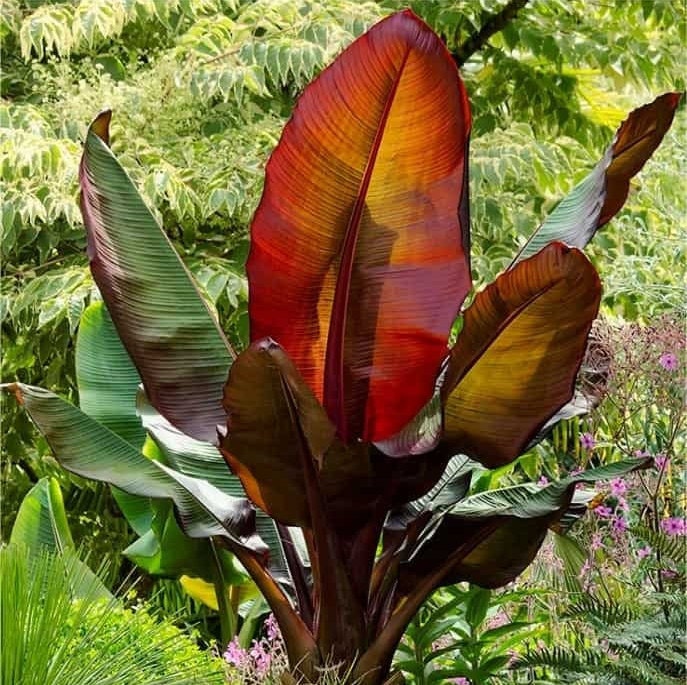
Musa sikkimensis - Red Tiger Seeds - Darjeeling Banana - 10 seeds | VIRIAR.COM

Musa sikkimensis - Red Tiger Seeds - Darjeeling Banana - 10 seeds | VIRIAR.COM

Precio habitual €9,99 EUR
Precio habitual Precio de oferta €9,99 EUR
Oferta Agotado
Impuestos incluidos. Los gastos de envío se calculan en la pantalla de pago.
Musa sikkimensis - Darjeeling Banana

Musa sikkimensis

Darjeeling Banana

Cold-hardy banana with dramatic foliage and delicious fruit

About Musa sikkimensis

Musa sikkimensis, commonly known as the Darjeeling Banana, is a cold-hardy banana species native to the Himalayan foothills of northeast India. Unlike tropical banana varieties, this remarkable plant is capable of thriving in temperate climates and can tolerate much cooler temperatures, making it an excellent choice for gardeners in cooler regions who want to grow exotic fruit.

The Darjeeling Banana is an attractive ornamental plant with massive, dramatic leaves that can reach 2–3 meters long, creating a striking tropical ambiance in any garden or conservatory. The plant produces beautiful yellow flowers followed by small, edible, sweet-tasting yellow bananas that ripen to creamy perfection. With proper care, this incredible plant can reach 3–4 meters in height, making it a stunning focal point.

🍌 Cold-Hardy Exotic Treasure: Unlike most banana varieties, Musa sikkimensis can tolerate temperatures as low as -6 to -8°C when established, making it suitable for USDA zones 8–11. Its combination of dramatic foliage, beautiful flowers, and delicious edible fruit make it a must-have for adventurous gardeners seeking tropical appeal in temperate climates.

This is a truly versatile plant that offers ornamental value through its spectacular leaves and flowers, while also producing delicious, honey-sweet fruit that surpasses many other banana varieties in flavor. Perfect for gardeners looking to push the boundaries of what's possible in cooler climates.

Seed Germination Guide

Pre-Sowing Preparation

Before sowing your seeds, soak them for 24 hours in warm water. This softens the seed coat and activates germination. Use room temperature or slightly warm water (around 25–28°C) for best results. This crucial step significantly improves germination rates.

Seed Compost Selection

Use a high-quality seed compost such as John Innes 'Seed and Potting' or a similar commercial seed-starting mix. Fill your seed trays or large modular trays with the moist compost. Good drainage and proper nutrient balance are essential for healthy seedling development.

Sowing Technique

Using a dibber, sow each Musa sikkimensis seed deep into the compost. The seed should be planted at a depth of approximately 1.5–2 cm. Backfill the hole carefully with a little more compost, ensuring good contact between seed and soil. Water thoroughly, allowing excess water to drain away completely.

Propagation Environment

Place the seed tray in a heated propagator set to around 28°C (82°F) or seal the tray inside a clear polythene bag and place it in a warm, bright area. Consistent warmth is crucial for successful germination. Ensure good light conditions but avoid direct intense sunlight which may overheat the seeds.

Moisture Management

Keep the compost moist but not waterlogged throughout the germination period. Check daily and water as needed with a fine mister or gentle watering can. Excessive moisture can lead to fungal infections and seed rot, so excellent drainage is essential.

Germination Timeline

Be patient: The germination of Musa sikkimensis can be slow and erratic, taking anywhere from 1 to 6 months to germinate. Seed age, temperature fluctuations, and individual seed viability all affect germination time. Do not discard seeds prematurely – germination can occur over an extended period.

Post-Germination Care

Once seedlings emerge, improve ventilation immediately by removing the polythene bag or opening propagator vents. Fungal infections can quickly take hold on both foliage and roots if humidity remains too high. Maintain good air circulation while keeping compost consistently moist.

Growing & Care Instructions

Seedling Transplanting

Once the root system has established itself, pot seedlings on into 9 cm pots using a good quality seed or potting compost. Handle delicate seedlings carefully to avoid damaging the tender roots. Ensure pots have adequate drainage holes to prevent waterlogging.

Growing Environment

Allow seedlings to grow on in a warm, frost-free position with plenty of bright light. Temperature should be maintained between 18–25°C for optimal growth. Protect from cold draughts and temperature fluctuations. A warm greenhouse, conservatory, or bright windowsill is ideal.

Watering & Feeding

Water well during the growing season, keeping the soil consistently moist but not waterlogged. Feed with a liquid soluble fertilizer every couple of weeks during the active growing period (spring to autumn). A balanced fertilizer or one slightly higher in potassium promotes healthy growth and fruit production.

Light Requirements

Musa sikkimensis thrives in bright, indirect light or partial sun. In cooler climates, maximum light exposure helps develop stronger plants and encourages flowering and fruiting. However, protect from intense afternoon sun in very hot regions, which can scorch the large leaves.

Soil & Potting Mix

Use a rich, well-draining potting compost with good organic content. A mix of quality potting soil, perlite, and compost works well. The plant prefers slightly acidic to neutral soil. As plants grow larger, pot on into progressively larger containers (12 cm, 18 cm, then 25 cm pots) as roots develop.

Temperature & Hardiness

Unlike tropical bananas, Musa sikkimensis is remarkably cold-tolerant. Established plants can survive temperatures as low as -6 to -8°C when dormant and well-established. However, tender young plants must be protected from frost. Suitable for USDA zones 8–11, with protection in zone 8.

Outdoor Planting

In suitable climates (zones 8–11), plants can be planted outdoors in spring once all frost danger has passed. Choose a sheltered, sunny location with protection from strong winds, which can shred the large leaves. Plant in rich, well-draining soil with plenty of organic matter incorporated.

Fruiting & Harvesting

With proper care, Musa sikkimensis will produce flowers and fruit. The plant typically flowers 18–24 months after germination. Small, golden-yellow bananas develop in clusters. Bananas are ready to harvest when fully yellow, usually 2–3 weeks after the plant's flowering period ends. They ripen to a creamy, sweet perfection with honey-like flavor.

Quick Reference Guide

Botanical Name
Musa sikkimensis
Common Name
Darjeeling Banana
Origin
Himalayan Foothills
Hardiness
USDA Zones 8–11
Cold Tolerance
-6 to -8°C
Mature Height
3–4 Meters
Germination Time
1–6 Months
Provider
VIRIAR.COM
VIRIAR.COM

Premier Provider of Exceptional Exotic and Rare Seeds Worldwide

Specializing in authentic, carefully curated germplasm selected with meticulous precision and unwavering commitment to quality excellence.

Shipping & Returns

Ver todos los detalles