Ir directamente a la información del producto
1 de 8

VIRIAR

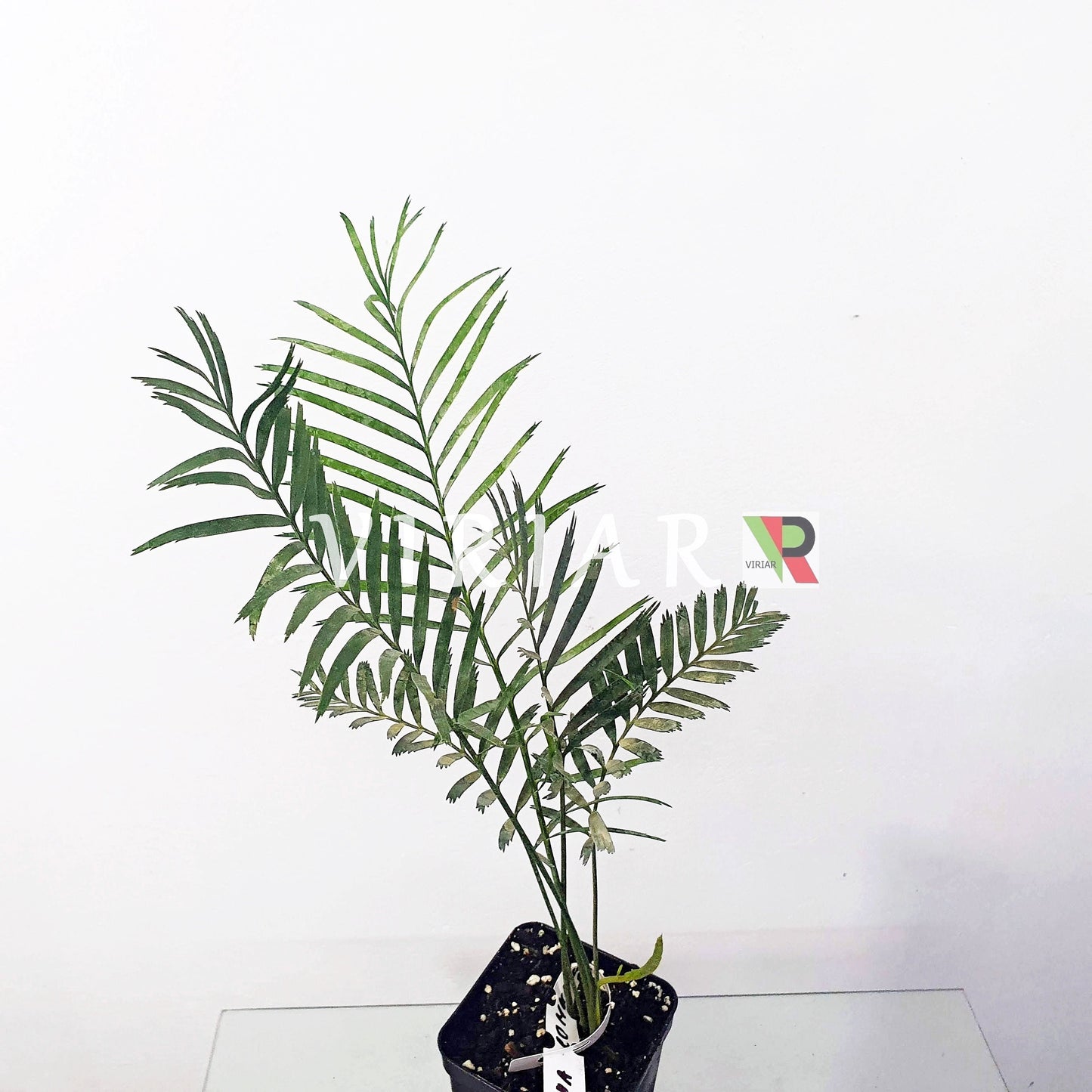
Macrozamia communis - Burrawang - 15 - 25 cm plant

Macrozamia communis - Burrawang - 15 - 25 cm plant

Precio habitual €16,99 EUR
Precio habitual Precio de oferta €16,99 EUR
Oferta Agotado
Impuestos incluidos. Los gastos de envío se calculan en la pantalla de pago.
Macrozamia communis - Burrawang Palm

Macrozamia communis

Burrawang / Burrawang Palm

Ancient cycad native to Australia - a living fossil with striking tropical appearance

About Macrozamia communis

Macrozamia communis, commonly known as Burrawang or Burrawang Palm, is a type of cycad native to the eastern regions of Australia, particularly in New South Wales. This ancient plant belongs to the Zamiaceae family and has a history dating back millions of years, making it a living fossil. Despite its palm-like appearance, it is not a true palm but a cycad, which are primitive seed plants.

The Burrawang typically grows as a low, trunkless plant with a large underground stem. It produces a crown of glossy, dark green, pinnate leaves that can reach up to 2 meters (6.5 feet) in length. The leaves are stiff and arch gracefully, giving the plant a tropical look. The plant is slow-growing and long-lived, with some specimens living for hundreds of years.

🌿 Ancient Living Fossil: Macrozamia communis is dioecious, meaning that male and female cones are produced on separate plants. The male cones are cylindrical and produce pollen, while the female cones are larger, more rounded, and contain seeds. The seeds are large, bright red, and covered with a fleshy outer layer. While the seeds are toxic if consumed raw, they were traditionally processed by Indigenous Australians to remove toxins and used as a food source.

With its stunning dark green foliage, slow growth habit, and remarkable longevity, Macrozamia communis is an excellent choice for gardeners seeking a unique, low-maintenance plant that adds botanical prestige and ancient beauty to any landscape.

Growing Conditions

Light Requirements

Optimal Light: Macrozamia communis thrives in partial shade to full sun. It can tolerate a range of light conditions but prefers some shade, especially in hotter climates. In very hot regions, afternoon shade protects the plant from excessive heat stress.

Temperature & Hardiness

Temperature Range: This cycad is hardy and can tolerate a variety of temperatures. It is suitable for USDA zones 9-11 and can withstand light frosts, although it prefers warmer conditions. Mature plants are more cold-tolerant than young specimens.

Soil Composition

Soil Type: The Burrawang prefers well-draining soil, particularly sandy or loamy soils, with a slightly acidic to neutral pH. It is tolerant of poor soils but performs best in fertile, well-drained conditions. Avoid heavy clay soils that retain water.

Water Management

Watering Schedule: Macrozamia communis is drought-tolerant once established but benefits from regular watering, especially during dry periods. Ensure the soil is kept moist but not waterlogged. Reduce watering in winter months when growth slows.

Planting & Care Guide

Site Selection

Choose a location with well-draining soil and partial shade. When planting outdoors, ensure there is enough space for the large, spreading leaves to develop fully. Select a spot protected from strong winds and excessive heat in summer.

Container Planting

For container planting, use a deep pot with a well-draining potting mix suitable for cycads or palms. Ensure the container has drainage holes to prevent water accumulation. Young specimens grow well in containers before being transplanted to larger spaces.

Fertilization

Feed Macrozamia communis with a slow-release fertilizer designed for cycads or palms in the spring. Avoid over-fertilizing, as this plant grows slowly and does not require heavy feeding. Excessive nutrients can be harmful to root systems.

Maintenance Requirements

This cycad requires minimal maintenance. Prune off any dead or damaged leaves to maintain its appearance and encourage healthy growth. Be cautious of the sharp leaflets when handling the plant. The slow growth rate means minimal pruning is needed.

Growing from Seeds

Seed Preparation

Macrozamia communis seeds should be cleaned of their fleshy outer coating before sowing. This is crucial to prevent fungal rot during germination. Soak the cleaned seeds in warm water for 24 hours to soften the seed coat and improve germination rates.

Sowing Medium

Sow the seeds in a well-draining seed-starting mix. A mixture of peat, perlite, or sand works well for optimal drainage. Bury the seeds about halfway into the soil. Space the seeds to allow room for root development without overcrowding.

Germination Conditions

Temperature: Place the seed tray in a warm, shaded area with temperatures around 25-30 °C (77-86 °F). Keep the soil consistently moist but not waterlogged. Germination can be slow, taking several months. Be patient and maintain steady conditions.

Seedling Care

Once seedlings emerge, provide them with bright, indirect light. As they grow, gradually increase exposure to filtered sunlight for healthy development. Transplant seedlings into larger pots or directly into the garden when they are large enough to handle safely.

Quick Reference Summary

Botanical Name
Macrozamia communis
Common Names
Burrawang / Wax Palm
Plant Type
Cycad (Ancient Plant)
Origin
Eastern Australia
Light
Partial Shade to Full Sun
Hardiness
USDA Zones 9–11
Leaf Length
Up to 2 Meters (6.5 ft)
Provider
VIRIAR.COM
VIRIAR.COM

Premier Provider of Exceptional Exotic and Rare Seeds Worldwide

Specializing in authentic, carefully curated germplasm selected with meticulous precision and unwavering commitment to quality excellence.

Shipping & Returns

Ver todos los detalles