Ir directamente a la información del producto
1 de 5

VIRIAR

Leonotis leonurus - Lion's tail - 40 pieces fresh seeds | VIRIAR.COM

Leonotis leonurus - Lion's tail - 40 pieces fresh seeds | VIRIAR.COM

Precio habitual €7,99 EUR
Precio habitual Precio de oferta €7,99 EUR
Oferta Agotado
Impuestos incluidos. Los gastos de envío se calculan en la pantalla de pago.
Leonotis leonurus - Lion's Ear

Leonotis leonurus

Lion's Ear / Wild Dagga / Lion's Tail

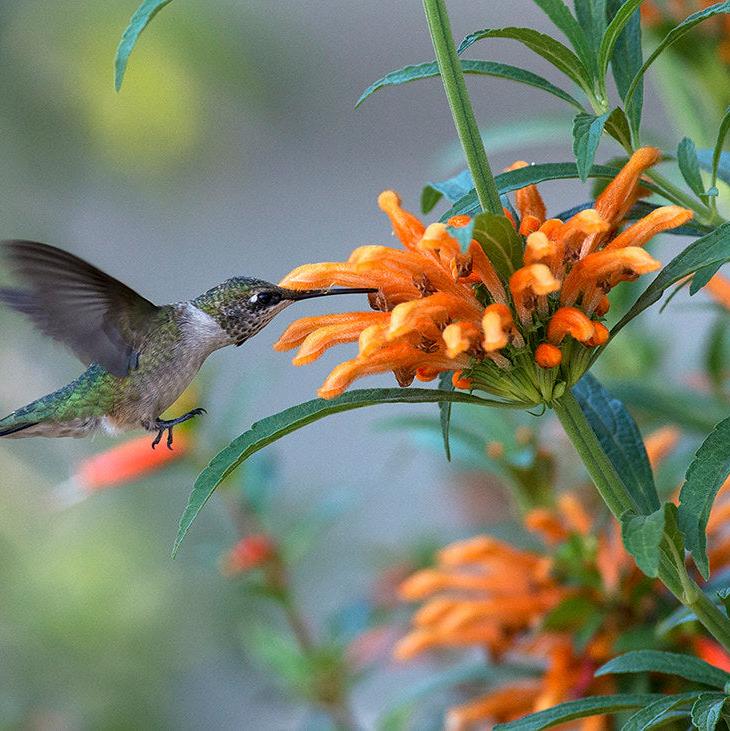
Stunning South African shrub with vibrant orange flowers that attract hummingbirds and butterflies

About Leonotis leonurus

Leonotis leonurus, commonly known as Lion's Ear, Wild Dagga, or Lion's Tail, is a perennial shrub native to South Africa. This plant is notable for its tall, upright growth habit and striking tubular flowers, which are typically a bright orange but can also be white in some cultivars.

The flowers are arranged in whorls around the upper stems, creating a spectacular visual display that resembles a lion's tail, hence its common name. The plant's leaves are aromatic, lance-shaped, and dark green, adding to its ornamental appeal. Lion's Ear grows to a height of 1.5 to 2.5 meters (5 to 8 feet) and spreads about 1 to 1.5 meters (3 to 5 feet) wide.

🦁 Spectacular Ornamental Value: Lion's Ear is a fast-growing plant that thrives in sunny locations and is often used in borders, as a background plant, or in wildlife gardens due to its attraction to hummingbirds, bees, and butterflies. In addition to its ornamental value, Leonotis leonurus has been used in traditional medicine for its anti-inflammatory and analgesic properties.

This remarkable plant is an excellent choice for gardeners looking to add vibrant color, wildlife attraction, and unique character to their landscape. Its fast growth, minimal maintenance requirements, and spectacular flowering make it a valuable addition to any garden setting.

Growing Conditions

Light Requirements

Full Sun Essential: Leonotis leonurus thrives in full sun, requiring at least 6 to 8 hours of direct sunlight per day to produce the most vibrant flowers and maintain its upright growth habit. It can tolerate partial shade but may result in fewer blooms and leggy growth.

Temperature & Hardiness

This plant is suitable for USDA hardiness zones 8-11. It prefers warm climates and is frost-sensitive, so it should be protected or grown as an annual in colder regions. In areas with mild winters, it remains evergreen; otherwise, it may die back to the ground and resprout in spring.

Soil Requirements

Lion's Ear prefers well-drained, sandy, or loamy soils with a neutral to slightly acidic pH. It can tolerate poor soils, including rocky and sandy conditions, but does not do well in heavy clay soils that retain water. Excellent drainage is essential for plant health.

Water Management

Leonotis leonurus is drought-tolerant once established, but it benefits from regular watering, especially during prolonged dry periods. Water deeply but infrequently, allowing the soil to dry out between waterings. Overwatering should be avoided to prevent root rot.

Planting & Care Guide

Planting Instructions

Plant Leonotis leonurus in the spring after the danger of frost has passed. Choose a sunny location with well-drained soil. Dig a hole twice the width of the root ball but no deeper. Place the plant in the hole, backfill with soil, and water thoroughly to settle the roots.

Fertilization Program

Fertilize in early spring with a balanced, slow-release fertilizer to promote healthy growth and flowering. Too much nitrogen can result in lush foliage at the expense of flowers. A monthly application of compost or organic fertilizer during the growing season can also be beneficial.

Pruning Maintenance

Prune lightly in late winter or early spring to remove dead or damaged stems and encourage bushier growth. Cutting back the plant by one-third after flowering can help maintain its shape and promote a second bloom cycle in warmer climates.

Propagation Methods

From Seeds

Leonotis leonurus can be propagated from seeds sown in spring. Sow seeds in well-draining soil, covering lightly, and keep moist until germination, which typically takes 2-4 weeks. Transplant seedlings when they are large enough to handle. Use seed-starting mix to ensure proper drainage and aeration.

From Cuttings

Propagation by softwood cuttings is also effective. Take cuttings from new growth in late spring or early summer, dip the cut ends in rooting hormone, and plant them in a sandy or perlite-based potting mix. Keep the cuttings moist and in a warm, bright location until roots develop, typically 2-3 weeks.

Quick Reference Guide

Botanical Name
Leonotis leonurus
Common Names
Lion's Ear, Wild Dagga
Origin
South Africa
Hardiness
USDA Zones 8-11
Light
Full Sun (6-8 Hours)
Mature Height
1.5-2.5 meters (5-8 feet)
Flower Color
Orange / White
Provider
VIRIAR.COM
VIRIAR.COM

Premier Provider of Exceptional Exotic and Rare Seeds Worldwide

Specializing in authentic, carefully curated germplasm selected with meticulous precision and unwavering commitment to quality excellence.

Shipping & Returns

Ver todos los detalles