Viriar
Ensete glaucum – Snow Banana (Seeds) | VIRIAR
No se pudo cargar la disponibilidad de retiro
Ensete glaucum
Blue Banana / Blue Abyssinian Banana
Striking ornamental banana plant with unique blue-tinted foliage
About Ensete glaucum
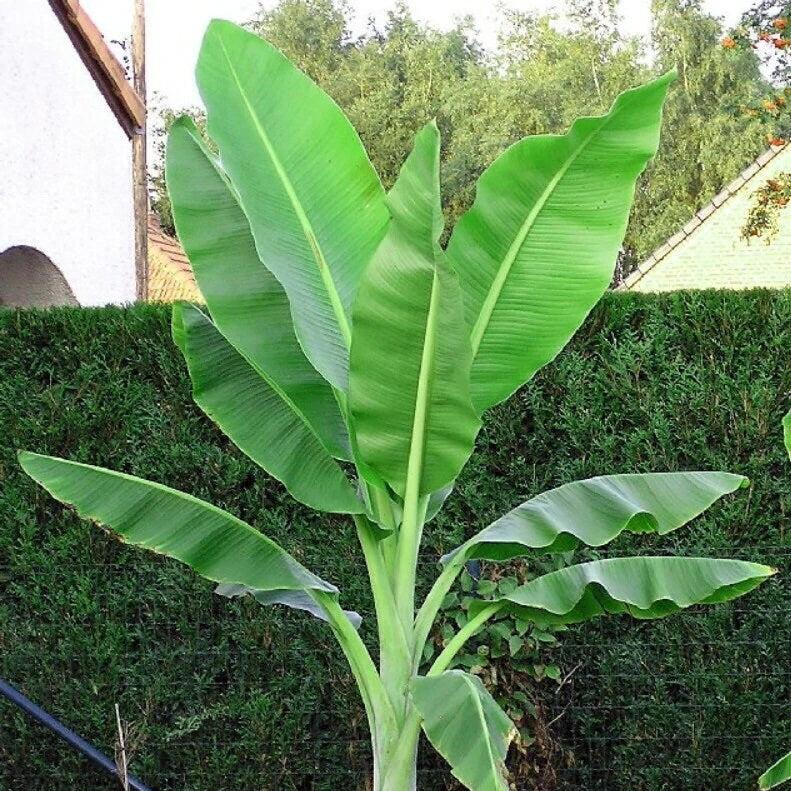
Ensete glaucum, commonly known as the Blue Banana or Blue Abyssinian Banana, is a striking and ornamental species of banana plant native to the highlands of Ethiopia and other parts of East Africa. It is notable for its impressive foliage and unique, blue-tinted leaves, which contribute to its ornamental appeal in tropical and subtropical gardens.
The Blue Banana is a large herbaceous plant that can reach heights of 5-10 meters (16-33 feet). It features a pseudostem (the trunk-like structure) that is smooth and green with a slight waxy coating. The leaves are large, paddle-shaped, and have a distinctive blue-green color with a metallic sheen. The plant does not produce edible bananas but is valued for its dramatic foliage and is often used as a focal point in garden design.
Ensete glaucum is a visually stunning plant that adds a touch of exotic beauty to any garden. Its impressive size, unique foliage, and relatively low-maintenance nature make it a desirable choice for tropical and subtropical landscapes.
Growing from Seeds
Seed Preparation
Soak the seeds of Ensete glaucum in warm water for 24-48 hours to soften the outer shell and improve germination rates. This essential step helps activate the embryo and increases the likelihood of successful germination.
Sowing Medium
Sow the seeds in a well-draining seed-starting mix. A mixture of peat, perlite, or sand works well. Ensure proper drainage to prevent seed rot during germination. The substrate should be light and aerated.
Planting Depth
Plant the seeds about 1-2 cm (0.5-1 inch) deep in the soil and cover lightly. Shallow planting allows for proper air circulation while maintaining seed contact with the moist substrate.
Temperature and Humidity
Place the seed tray in a warm, humid environment with temperatures around 25-30 °C (77-86 °F). Keep the soil consistently moist but not waterlogged. Maintain humidity at 70-80% for optimal germination.
Light Conditions
Provide bright, indirect light during germination. Once seedlings emerge, gradually increase exposure to filtered sunlight for healthy development. Avoid intense direct sun on germinating seeds.
Germination Timeline
Germination can be slow and may take several weeks to a few months depending on temperature and seed freshness. Maintain consistent warm temperatures and moisture levels for best results. Be patient with slow-germinating seeds.
Care for Seedlings
Once seedlings emerge, provide them with bright, indirect light. As they grow, gradually acclimate them to more direct sunlight. Transplant seedlings into larger pots or directly into the garden once they are large enough to handle.
Cultivation and Care
Light Requirements
Ensete glaucum prefers full sun to partial shade. It thrives in bright, direct sunlight but can tolerate some light shade, especially during the hottest part of the day. Optimal light exposure promotes vibrant blue coloration.
Temperature Preferences
This plant is suited to warm climates and prefers temperatures ranging from 20-30 °C (68-86 °F). It is not frost-tolerant and should be protected from temperatures below 5 °C (41 °F). It is suitable for USDA zones 9-11.
Soil Composition
The Blue Banana prefers well-draining, fertile soils rich in organic matter. It can adapt to various soil types, including loamy or sandy soils, as long as they are well-draining and have a slightly acidic to neutral pH. Good drainage is essential.
Watering Schedule
Regular watering is essential for Ensete glaucum. The soil should be kept consistently moist, but not waterlogged. Increase watering during the growing season and reduce it slightly in the winter months when the plant's growth slows.
Fertilization Program
Feed Ensete glaucum with a balanced, slow-release fertilizer during the growing season to support healthy growth and vibrant foliage. Apply fertilizer every 4-6 weeks. Avoid over-fertilization, as this can lead to nutrient imbalances.
Maintenance Requirements
Little maintenance is required beyond removing dead or damaged leaves. The Blue Banana is generally resistant to pests and diseases, but monitor the plant regularly for common issues like spider mites or fungal infections. Keep the plant tidy and healthy.
Planting and Container Growing
Choose a location with full sun or partial shade and ensure well-draining soil. If planting in the ground, ensure adequate space for the plant to grow. For container planting, use a large pot with good drainage and a rich, well-draining potting mix.
Quick Reference Guide
Premier Provider of Exceptional Exotic and Rare Seeds Worldwide
Specializing in authentic, carefully curated germplasm selected with meticulous precision and unwavering commitment to quality excellence.
Shipping & Returns
Shipping & Returns
Share