Viriar
Chestnut Dioon (Dioon edule) – (Seeds) | VIRIAR
No se pudo cargar la disponibilidad de retiro
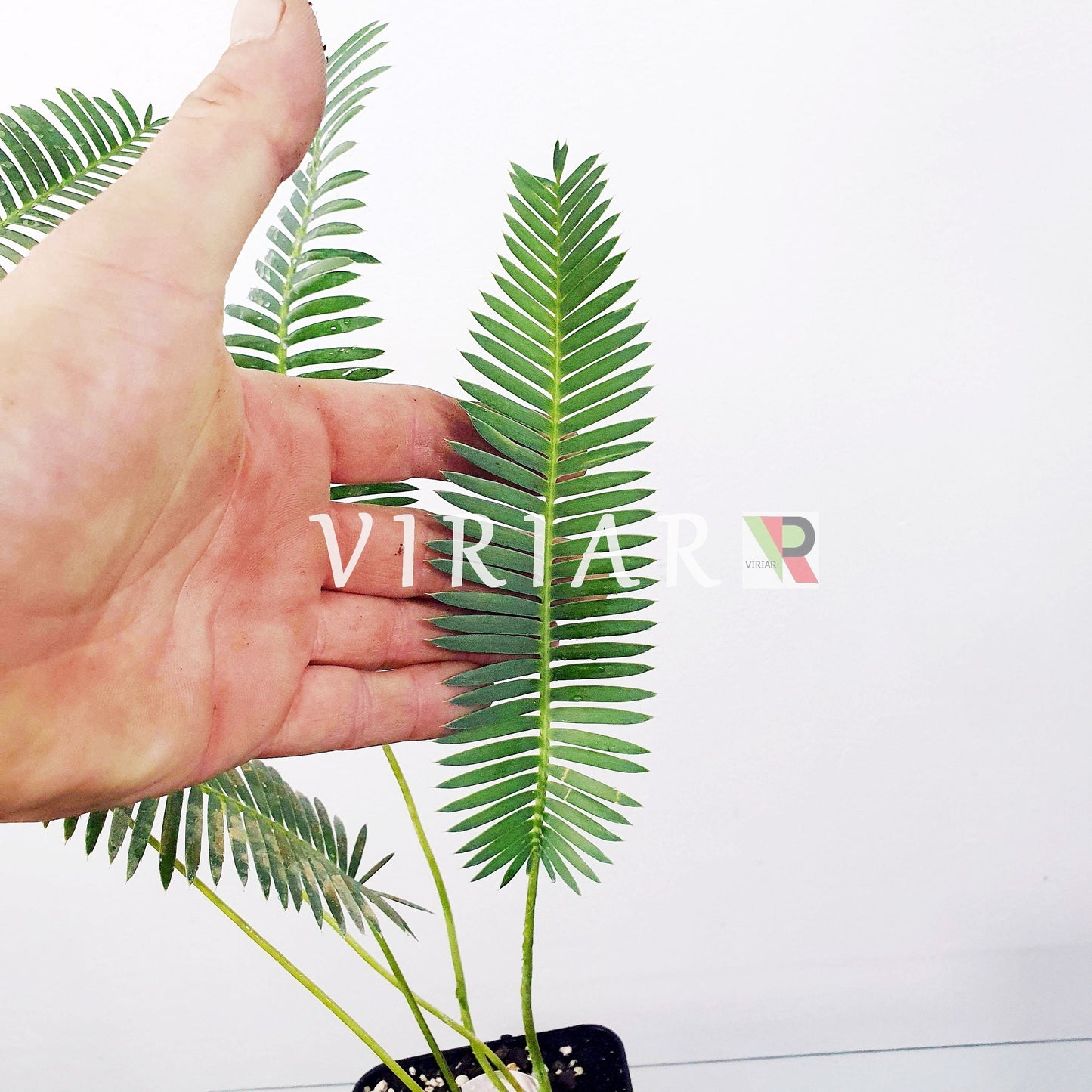
Dioon edule
Chestnut Dioon
Rare seeds from Mexico – exotic cycad for passionate collectors
About Dioon edule
Dioon edule, commonly known as Stone Dioon or Mexican Cycad, is an exceptionally rare and highly prized palm-like cycad native to the subtropical regions of Mexico. This ancient plant species is part of the Zamiaceae family and has been cultivated for centuries by indigenous peoples and modern plant enthusiasts alike.
This particular specimen represents a unique opportunity for discerning collectors seeking authentic, undocumented germplasm. The seeds are freshly harvested, carefully selected, and packed with meticulous attention to detail. Each seed has been individually inspected to ensure maximum viability and genetic authenticity.
Botanical Classification: Dioon edule is a gymnosperm, meaning it reproduces via seeds rather than flowers. It represents an ancient lineage dating back millions of years, making it both a living fossil and a testament to nature's remarkable resilience and adaptability.
Germination Guide
Light Requirements
Provide bright, indirect light conditions. Germinating seedlings are highly sensitive to direct sunlight, which can scorch emerging tissues and severely compromise growth potential. Place seedling trays in a location with consistent, filtered light – ideally near an east or north-facing window where gentle morning light penetrates.
Watering Protocol
Maintain consistent moisture without waterlogging. Use a fine misting bottle to gently spray the substrate daily. The medium should feel like a well-wrung sponge – moist but never soggy. Excessive moisture is the primary cause of seed rot and fungal contamination. Allow slight surface drying between applications, but never permit complete desiccation. Poor air circulation combined with excessive moisture creates ideal conditions for damping-off disease.
Germination Timeline
Germination is notably slow and highly variable. First visible signs typically emerge between 8-16 weeks, though germination can continue for 6-12 months or even longer. Some seeds may appear dormant for extended periods before suddenly sprouting. Do not discard seedling trays prematurely – maintain consistent moisture and warmth throughout the entire first year. Patience is not merely recommended; it is absolutely essential for success with this species.
Temperature Management
Maintain consistent warmth throughout the germination period. Ideal temperature range is 22-28°C (72-82°F). Fluctuating temperatures delay or prevent germination entirely. Bottom heat (using a seedling heat mat set to 25°C) dramatically improves germination rates and reduces germination time significantly. Avoid exposing seeds to temperatures below 15°C, which can shock seeds into dormancy.
Substrate Composition
Use a well-draining, sterile seed-starting medium. An ideal mixture combines: 50% coconut coir, 30% perlite, and 20% peat moss. This composition ensures optimal drainage while maintaining necessary moisture retention. Sterilize all media by baking at 82°C (180°F) for 30 minutes to eliminate potentially pathogenic fungi and bacteria. Fill containers to 2 inches from the rim, leaving space for gentle water application.
Transplanting Seedlings
Wait until the first true leaflet has fully emerged and the primary root has developed to approximately 5-7 cm in length before transplanting. Gently move seedlings into individual deep pots (minimum 4 inches deep) filled with well-draining cactus/succulent soil amended with 30% extra perlite. Ensure perfect drainage – root rot is the primary cause of seedling mortality. Handle seedlings with extreme care, as the delicate emerging tissues are easily damaged.
Air Circulation
Excellent air circulation is essential for preventing fungal diseases. Position a small oscillating fan approximately 1 meter away from seedling trays, set to low speed. This gentle air movement prevents moisture from accumulating on leaf surfaces and strengthens emerging stem tissues through stimulated growth. Avoid direct air streams that could desiccate delicate seedlings.
Plant Care Instructions
Light Exposure
- First Year Seedlings: Maintain partial shade, protecting from intense afternoon sun during establishment phase.
- Established Plants: Gradually acclimate to full sun exposure for optimal compact growth, enhanced color intensity, and robust health. At least 6-8 hours of direct sunlight daily produces superior specimens.
Soil Requirements
Use exceptionally well-draining soil formulations specifically designed for cycads and succulent species. Recommended composition: 40% cactus/succulent soil, 30% coarse perlite, 20% pumice, and 10% orchid bark. This creates an open structure that prevents root stagnation and promotes aeration. Never use standard potting soil, which retains excessive moisture and causes fatal root rot. Annual top-dressing with fresh, well-draining medium promotes continued plant health.
Irrigation Strategy
Dioon edule exhibits remarkable drought tolerance, a characteristic reflecting its native xerophytic habitat. Adopt a "soak and dry" irrigation approach: water deeply and thoroughly until water drains from pot bottom, then allow the soil to dry completely before rewatering. During growing season (spring/summer), water approximately every 10-14 days. In winter dormancy, reduce watering significantly – water only when soil is completely dry. Overwatering is the single most common cause of mortality in established plants.
Temperature Tolerance
Dioon edule demonstrates exceptional hardiness and cold tolerance – considerably superior to most cycad species. Mature specimens tolerate temperatures down to approximately -3°C (27°F), though extended cold exposure may damage new growth. Optimal growth occurs within 18-32°C (64-90°F). Avoid exposure to frost without protective measures. Plants acclimated gradually to cool conditions develop enhanced cold hardiness compared to those grown consistently warm.
Fertilization Protocol
Apply specialized slow-release fertilizer formulated for palms and cycads during the active growing season (April-September). Choose products with low phosphorus content but enriched with micronutrients including iron, manganese, and zinc. Apply according to package directions – typically every 8-12 weeks during growing season. Excessive nitrogen promotes leggy, weak growth. Cease all fertilization during winter dormancy. Foliar feeding with diluted micronutrient solutions proves beneficial for correcting deficiencies.
Pest & Disease Management
Dioon edule demonstrates remarkable resistance to pests and diseases when provided with proper cultural conditions. In arid climates, scale insects or mealybugs may occasionally appear during dry periods. Inspect foliage regularly – if pests appear, treat with horticultural oil or insecticidal soap following product directions carefully. Fungal issues rarely occur with adequate air circulation and proper watering practices. Root rot, the most serious threat, results exclusively from poor drainage and overwatering. Prevent through meticulous attention to substrate composition and irrigation discipline.
Landscape Applications
Dioon edule proves exceptional for xeriscaping projects in Mediterranean and subtropical climates. In temperate regions, grow as a remarkable container specimen that can be overwintered indoors in cool conditions. Perfect for specialized botanical collections, architectural landscape designs requiring dramatic foliage, and protected garden positions in marginal frost zones. Its remarkable growth form creates stunning focal points in rock gardens, dry borders, and contemporary minimalist landscapes.
Growth Characteristics
Dioon edule exhibits characteristically slow growth, reaching mature dimensions over 50-100+ years – this is entirely normal and highly desirable for creating enduring botanical specimens. First flowering typically occurs after 15-25 years of cultivation. New fronds emerge slowly and deliberately, each one representing years of accumulated growth. This measured growth pattern demands long-term perspective and commitment, transforming plant cultivation into a multi-generational endeavor.
Quick Reference Summary
Premier Provider of Exceptional Exotic and Rare Seeds Worldwide
Specializing in authentic, carefully curated germplasm selected with meticulous precision and unwavering commitment to quality excellence.
Shipping & Returns
Shipping & Returns
Share