Viriar
Baby Queen Palm (Chamaedorea plumosa) (Seeds) | VIRIAR
No se pudo cargar la disponibilidad de retiro
Chamaedorea plumosa
Baby Queen Palm
Elegant miniature palm with graceful, feather-like fronds
About Chamaedorea plumosa
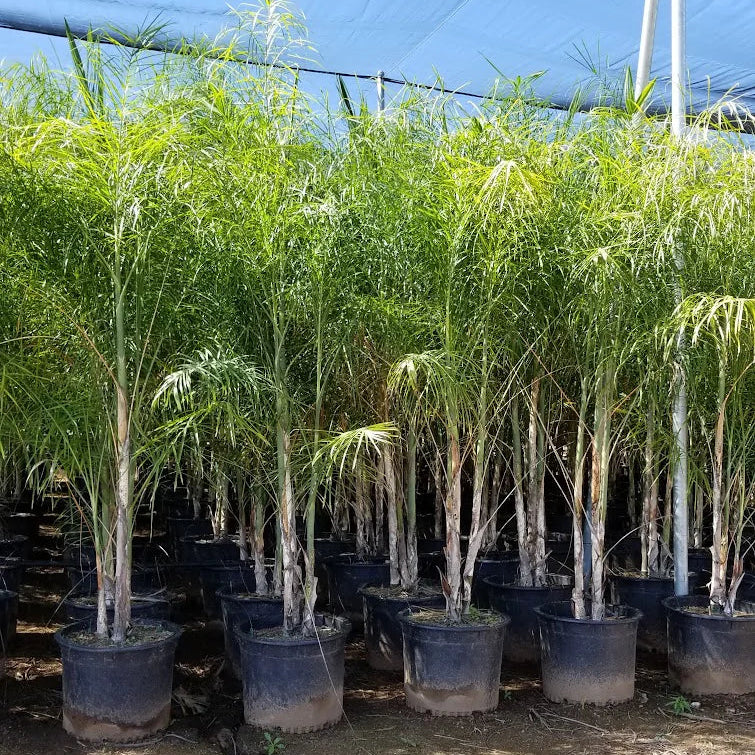
Chamaedorea plumosa, commonly known as the Baby Queen Palm, is an elegant miniature palm species admired for its lush, feather-like fronds and graceful tropical habit. Originating from Central America, this palm thrives both indoors and outdoors in warm, humid conditions, offering unmatched versatility for any environment.
Unlike its towering relatives, Chamaedorea plumosa forms a slender trunk and grows to a manageable height of 2–3 meters, making it a perfect choice for containers, tropical landscaping, patios, or sophisticated interior design applications. Its soft, arching green fronds and refined structure provide a delicate, fine-textured appearance that enhances residential spaces, offices, and botanical collections alike. The graceful presentation creates an immediate sense of tropical tranquility and botanical elegance.
Fresh seeds from VIRIAR.COM are carefully selected from mature, healthy specimens and maintained under optimal storage conditions to preserve maximum viability. This ensures excellent germination results and robust early growth for your seedlings. Perfect for indoor gardeners, collectors seeking compact specimens, and landscape designers requiring sophisticated tropical accents, the Baby Queen Palm delivers lasting beauty with minimal space requirements.
Germination Guide
Seed Preparation
Contents: 5 fresh, viable seeds. Pre-treatment: Soak seeds in warm water for 48–72 hours, changing the water daily to soften the outer shell and activate the embryo for optimal germination success.
Sowing Medium & Drainage
Use a light and well-draining mix of 50% cocopeat and 50% perlite or coarse sand. The medium should remain slightly moist but airy to prevent fungal rot and promote healthy seed germination. Excellent drainage is essential for this miniature species.
Planting Depth & Labeling
Plant seeds approximately 1–1.5 cm deep and lightly cover them with substrate. Label each planting container with the planting date for accurate tracking of germination timelines and progress monitoring.
Temperature & Humidity
Optimal Range: 26–30°C provides ideal germination conditions. Humidity: Maintain 70–80% humidity by covering with a clear plastic dome or humidity chamber, allowing regular air exchange to prevent fungal development.
Watering & Misting
Keep the germination mix evenly moist but never waterlogged. Mist lightly when the surface starts to dry to prevent fungal growth and dehydration. Use a fine spray bottle for gentle, controlled moisture application without disturbing seeds.
Light Conditions
Place the container in bright, indirect light. Avoid direct sunlight during germination to protect seeds from overheating and dehydration. Once germination begins, gradually increase light exposure for strong seedling development.
Germination Timeline & Transplanting
Germination typically occurs within 1–3 months under stable warmth and humidity conditions. Variations may occur depending on seed freshness and environmental stability. Once the first leaf appears and roots are well-formed, carefully transplant seedlings to deep pots with rich, well-drained soil.
Plant Care Guide
Light Requirements
Indoors: Thrives in bright, indirect light and tolerates partial shade beautifully. Outdoors: Prefers partial shade to light filtered sunlight. Avoid intense midday sun for young plants, which can scorch tender fronds. Adaptability to lower light makes this ideal for interior spaces.
Soil Requirements
Use fertile, airy, and well-draining soil. Ideal mix comprises peat, loam, sand, and organic compost in balanced proportions. Avoid heavy clay soils which retain excessive moisture and promote root issues. Good drainage is essential for long-term health.
Watering & Fertilization
Water: Keep soil evenly moist, allowing the top layer to dry slightly between waterings. Avoid waterlogging, which causes root rot in this species. Fertilize: Feed with balanced liquid fertilizer (e.g., 10-10-10) every 6–8 weeks during spring and summer. Reduce feeding frequency during winter dormancy.
Temperature & Hardiness
Optimal growing temperature range is 18–30°C. Protect from cool drafts and temperatures below 10°C, which can damage foliage and slow growth. Best suited for indoor growth in temperate zones. Maintain consistent warmth for optimal development.
Pruning & Maintenance
Prune dead or yellowed fronds at the base to maintain appearance and health. Avoid cutting healthy green leaves, which remain productive for extended periods. This species is slow-growing and naturally requires minimal maintenance. Regular leaf cleaning enhances appearance and health.
Pests & Disease Management
Occasionally may attract spider mites or scale insects in dry air conditions. Treat infestations with natural insecticidal soap or neem oil. Keep humidity moderate (50–70%) to prevent pest issues. Maintain good air circulation and proper watering practices to prevent fungal and disease problems.
Container Growing & Repotting
Perfect for indoor containers and patios due to compact size and refined appearance. Repot every 2–3 years, refreshing the soil mix and gently loosening roots to encourage continued healthy development. Use pots with excellent drainage. This species thrives in well-maintained container environments.
Quick Reference Summary
Premier Provider of Exceptional Exotic and Rare Seeds Worldwide
Specializing in authentic, carefully curated germplasm selected with meticulous precision and unwavering commitment to quality excellence.
Shipping & Returns
Shipping & Returns
Share