Viriar
Caryota mitis 'Variegata' – Variegated Fishtail Palm (Seeds) | VIRIAR
No se pudo cargar la disponibilidad de retiro
Caryota mitis 'Variegata'
Variegated Fishtail Palm
Stunning ornamental palm with striking variegated cream and green foliage
About Caryota mitis 'Variegata'
Caryota mitis 'Variegata', commonly known as the Variegated Fishtail Palm, is a visually striking and unique palm variety prized for its decorative, variegated foliage. This palm is a cultivar of the Caryota mitis species, native to tropical Asia, and is renowned for its distinctive leaf pattern and vibrant coloration.
The Variegated Fishtail Palm features pinnate, or feather-like, leaves that are deeply lobed into segments resembling the tail of a fish, hence its common name. What sets this cultivar apart is its variegated leaves, which exhibit a mix of green with cream, yellow, or white streaks and patterns, creating a dramatic and eye-catching effect. The palm typically grows to a height of 3–6 meters, with a slender trunk and a bushy crown of leaves.
Growing Conditions
Light Requirements
Caryota mitis 'Variegata' thrives in bright, indirect light to partial shade. It can tolerate some direct sunlight but may benefit from protection during the hottest part of the day to prevent leaf burn. The variegated foliage displays best color with adequate but filtered light.
Temperature Preferences
This palm prefers warm temperatures ranging from 18–30 °C. It is sensitive to frost and should be protected from temperatures below 10 °C. In cooler climates, it can be grown in a container and brought indoors or moved to a sheltered location during winter.
Soil Composition
The Variegated Fishtail Palm prefers well-draining soil rich in organic matter. A mix of loam, sand, and compost is ideal. It can adapt to various soil types but performs best in slightly acidic to neutral conditions. Proper drainage is essential to prevent root rot.
Water Management
Regular watering is important, especially during the growing season. Keep the soil consistently moist but not waterlogged. Ensure good drainage to avoid water accumulation around the roots. Reduce watering during the winter months or cooler periods when the plant's growth slows down.
Planting and Care
Planting Location
Choose a location with bright, indirect light or partial shade. Ensure the soil is well-draining and enriched with organic matter. When growing in a container, select a pot with adequate drainage holes and a size that accommodates future growth. Container planting is ideal for cooler climates where the palm can be moved indoors during winter.
Fertilization Program
Use a balanced, slow-release fertilizer designed for palms or general-purpose plants. Apply every 4–6 weeks during the growing season to support healthy growth and maintain vibrant foliage. Reduce fertilization during winter to avoid stressing the plant during its dormant period.
Maintenance Requirements
Regular pruning is necessary to remove dead or damaged fronds and maintain a tidy appearance. Caryota mitis 'Variegata' is generally resistant to pests and diseases but should be monitored for common issues like spider mites or scale insects. Keep foliage clean to enhance the striking variegated patterns.
Growing from Seeds
Seed Preparation
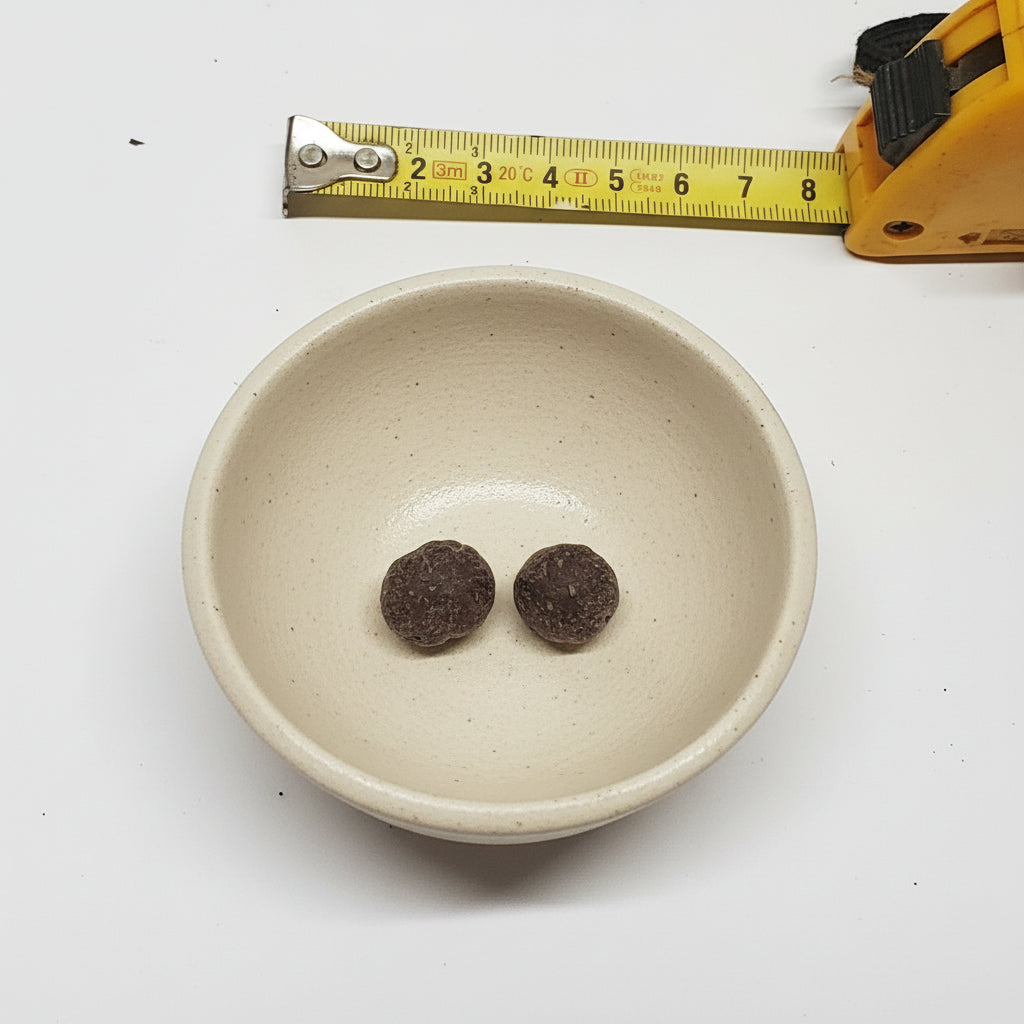
For the best germination rates, use fresh seeds. Soak the seeds in warm water for 24–48 hours to soften the seed coat and improve germination. Fresh seeds often have higher success rates than older stored seeds.
Sowing Medium
Sow seeds in a well-draining seed-starting mix, such as a blend of peat, perlite, and sand. Plant the seeds about 1–2 cm deep. The medium should be loose and aerated to allow for proper moisture retention and oxygen availability.
Germination Conditions
Keep the seed tray in a warm, humid environment with temperatures around 25–30 °C. Maintain consistent moisture without waterlogging. Germination can take several weeks to a few months, so patience is key. Good air circulation helps prevent fungal issues.
Care for Seedlings
Once seedlings emerge, provide them with bright, indirect light and keep the soil consistently moist. Gradually acclimate them to more direct light as they grow. Transplant seedlings into larger pots or directly into the garden when they are large enough to handle.
Quick Reference Guide
Premier Provider of Exceptional Exotic and Rare Seeds Worldwide
Specializing in authentic, carefully curated germplasm selected with meticulous precision and unwavering commitment to quality excellence.
Shipping & Returns
Shipping & Returns
Share