Viriar
Acer pseudovilsonii – Pseudowilson's Maple (Seeds) | VIRIAR
No se pudo cargar la disponibilidad de retiro
Acer pseudovilsonii
Pseudowilson's Maple
Rare deciduous maple with stunning seasonal foliage and graceful form
About Acer pseudovilsonii
Acer pseudovilsonii, commonly known as Pseudowilson's Maple, is a rare deciduous maple tree renowned for its exceptional ornamental value and captivating seasonal transformations. This remarkable tree is cherished by collectors and landscape designers for its graceful, rounded canopy and distinctive palmate leaves that provide year-round visual interest.
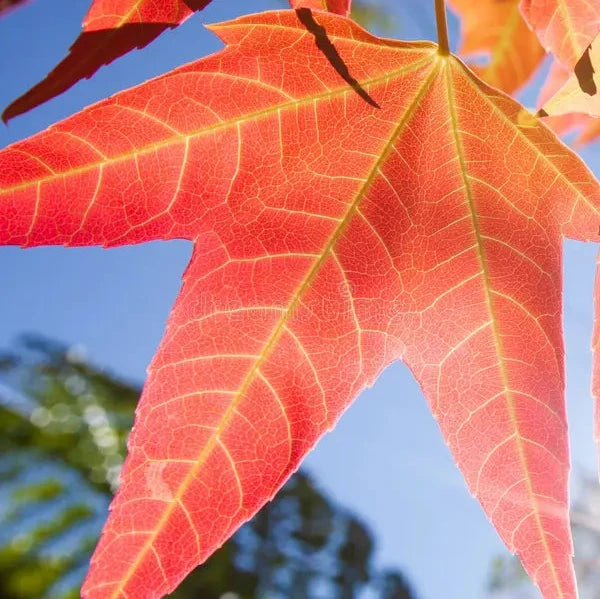
The foliage displays a stunning progression through the seasons: leaves emerge in spring with a warm reddish tint, mature to lush dark green during summer, and transform into brilliant shades of yellow, orange, and red as autumn approaches. This consistent color display makes it an invaluable addition to any garden seeking dynamic seasonal beauty.
While less widely cultivated than other maple species, Acer pseudovilsonii is particularly prized for its compact, manageable size—typically reaching 5–10 meters (16–33 feet) in height. This modest stature makes it ideal for small gardens, urban landscapes, and spaces where larger shade trees would be impractical. The tree combines aesthetic excellence with practical versatility, providing both ornamental beauty and functional shade.
Cultivation Conditions
Light Requirements
Optimal Exposure: Acer pseudovilsonii thrives in full sun to partial shade environments. While it prefers locations with abundant sunlight for optimal color development, it can tolerate shade, particularly in hotter climates where afternoon shade protection is beneficial.
Temperature & Hardiness
Cold Tolerance: This maple is hardy in USDA zones 5-8, making it excellent for temperate climates. It withstands cold winters effectively but may require frost protection in the coldest regions. Mature trees are exceptionally resilient once established.
Soil Requirements
Ideal Composition: Acer pseudovilsonii prefers well-draining, fertile soil with a pH range of 5.5 to 7.5 (slightly acidic to neutral). Excellent drainage is critical—waterlogged conditions damage roots and compromise tree health. Amend heavy clay soils with organic matter for optimal drainage.
Water Management
Watering Protocol: This tree requires consistent moisture, especially during establishment and dry periods. Keep soil evenly moist but not waterlogged. During the first 2-3 years, regular watering helps establish a strong, healthy root system essential for long-term vigor.
Planting & Care Guide
Planting Procedure
Timing: Plant in early spring or fall when weather is cool and moist. Dig a hole twice as wide as the root ball and deep enough so the tree sits at original planting depth. Water thoroughly after planting to settle soil and eliminate air pockets around roots.
Fertilization Program
Spring Feeding: Fertilize in early spring with a balanced, slow-release fertilizer to encourage healthy, vigorous growth. Avoid excessive nitrogen, which promotes weak growth and diminishes spectacular fall color development. Follow product instructions for application rates.
Pruning & Maintenance
Minimal Approach: Prune in late winter or early spring to maintain shape and remove dead, diseased, or crossing branches. Acer pseudovilsonii naturally develops an attractive, well-rounded form—minimal pruning is needed beyond basic maintenance and structural adjustments.
Fall Color Enhancement
Optimization: Ensure adequate sunlight exposure for peak autumn color development. Proper watering during late summer and consistent nutrition support vibrant seasonal displays. Minimize pruning of living branches to preserve nutrient reserves for color production.
Propagation Methods
Seed Propagation
Collection & Storage: Collect ripened seeds in fall and store in cool, dry conditions. Plant seeds in well-draining potting mix. Cold stratification for 60–90 days is essential to break dormancy and encourage successful germination. Maintain consistent moisture and cool temperatures during stratification period.
Semi-Hardwood Cuttings
Summer Propagation: Take semi-hardwood cuttings in summer from healthy, vigorous shoots. Treat cut ends with rooting hormone powder and insert into moist, well-draining propagation medium. Maintain high humidity and warmth until roots develop, typically 6-8 weeks. Keep medium consistently moist but not waterlogged.
Growing Young Trees
Seedling Care: Once roots develop, transplant into individual pots with rich, well-draining soil. Provide bright, filtered light and maintain consistent moisture. Gradually acclimate young trees to outdoor conditions before field planting. Allow at least 1-2 years of growth for sufficient establishment before permanent landscape placement.
Quick Reference Guide
Premier Provider of Exceptional Exotic and Rare Seeds Worldwide
Specializing in authentic, carefully curated germplasm selected with meticulous precision and unwavering commitment to quality excellence.
Shipping & Returns
Shipping & Returns
Share