Pilularia minuta (Minute Pillwort, Dwarf Pillwort, Mediterranean Pillwort, Corsican Pillwort)
Pilularia minuta


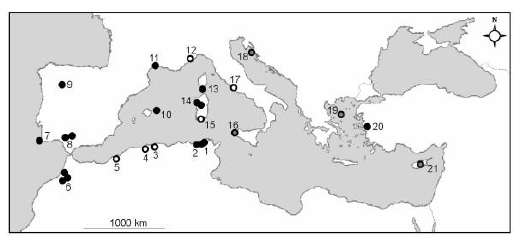
Table of Contents
Introduction & Discovery
Pilularia minuta represents one of the botanical world's most precarious survivors, a diminutive aquatic fern barely reaching three centimeters in height that clings to existence in scattered seasonal ponds across Mediterranean islands. First described scientifically in 1839 by Durieu de Maisonneuve from specimens collected in Corsica, this species has since become emblematic of the conservation challenges facing specialized wetland flora. Unlike its more widespread relative Pilularia globulifera, P. minuta has evolved extreme morphological reduction, producing thread-like fronds scarcely thicker than human hairs that float delicately on water surfaces during the brief winter-spring growing season. The species occupies an extraordinarily narrow ecological niche within temporary pools that fill with winter rains and completely desiccate by late spring, creating conditions that exclude competitive vegetation while demanding notable physiological adaptations. Current populations persist on just four Mediterranean islands, with the most robust colonies documented in Corsica's Prunete marsh and Sardinia's coastal depressions near Oristano. Genetic studies published in 2018 revealed alarmingly low diversity within remnant populations, suggesting severe bottlenecking and vulnerability to stochastic extinction events. The fern's entire life cycle operates on an accelerated timeline compressed into four to five months, during which sporocarps must develop, mature, and release spores before pools evaporate. This temporal constraint has driven evolution toward extreme efficiency in resource allocation and reproductive output.
Discovery & Naming
The scientific discovery of Pilularia minuta emerged from the intensive botanical exploration of Mediterranean islands during the early 19th century, when French botanist Michel Charles Durieu de Maisonneuve first encountered the diminutive fern during expeditions to Corsica between 1836 and 1838. Durieu initially struggled to classify the tiny aquatic plant, which lacked the clear morphological features typical of ferns and superficially resembled depauperate grass specimens or even algal colonies. His detailed 1839 description published in Exploration Scientifique de l'Algérie recognized the species as distinct from the widespread Pilularia globulifera based on sporocarp dimensions (2.5-3.5 mm versus 4-6 mm), frond diameter (0.3-0.4 mm versus 0.6-1.0 mm), and ecological preferences. Subsequent 19th century records from Sardinia by botanist Giuseppe Giacinto Moris and from Menorca by Mariano de la Paz Graells y de la Agüera confirmed the species' Mediterranean island distribution pattern. The Italian population on Ischia remained undiscovered until 1957 when botanist Francesco Giacomini documented a small colony in seasonal pools near Forio, expanding the known range eastward. Throughout the 20th century, P. minuta suffered numerous local extinctions as coastal wetlands were drained for agriculture and development, with populations in southern France, Malta, and mainland Italy disappearing entirely by the 1970s. Modern rediscovery efforts have focused on historical sites, with successful relocations in Corsica's Prunete marsh in 2003 and Sardinia's Marceddi pools in 2011 generating renewed conservation optimism. Genetic studies initiated in 2015 by researchers at the University of Florence revealed that all extant populations share recent common ancestry, likely reflecting bottlenecking during Holocene climate fluctuations rather than ancient vicariance events.
Frond Morphology
The fronds of Pilularia minuta exhibit perhaps the most extreme reduction found within Marsileaceae, consisting of unbranched cylindrical structures 15-30 millimeters long and barely 0.3-0.4 millimeters in diameter that emerge from creeping rhizomes buried in substrate. Unlike typical fern fronds with complex pinnation, these filiform structures lack any discernible blade differentiation, appearing superficially grass-like or even algal to casual observers. Anatomical sectioning reveals a highly simplified vascular arrangement with a single central vein surrounded by thin-walled parenchyma cells and a uniseriate epidermis studded with sparse stomata that remain functional even when fronds float horizontally on water surfaces. The fronds exhibit positive phototropism during emergence but typically assume a prostrate floating position once reaching water level, forming delicate green mats that can cover several square centimeters around each rhizome node. Chloroplast density remains exceptionally high throughout frond tissue, compensating for reduced photosynthetic surface area through metabolic intensity rather than structural expansion. Frond longevity rarely exceeds 60-80 days under optimal conditions, with senescence accelerating rapidly as water temperatures climb above 18-20 degrees Celsius in late spring. New frond production occurs primarily during the cool months between November and March, with growth rates of 0.8-1.2 millimeters per day documented in Corsican populations. The rhizomes themselves measure only 0.5-0.8 millimeters in diameter and extend horizontally through the top 5-8 millimeters of substrate, branching dichotomously at irregular intervals to form small clonal patches.
Native Range & Distribution Map
Distribution map showing the native range of Pilularia minuta.
Biology & Frond Morphology
The biology of Pilularia minuta revolves around extreme specialization for life in Mediterranean temporary pools characterized by cool-season inundation and summer desiccation. Germination studies demonstrate that megaspores require vernalization periods of 60-90 days at temperatures below 12 degrees Celsius to break dormancy, ensuring emergence coincides with optimal winter growing conditions rather than unpredictable early autumn rains. Upon germination, the megaspore produces a reduced gametophyte consisting of just 8-12 cells that remains partially enclosed within the spore wall, with archegonia developing within 10-14 days under favorable conditions. Microspores germinate more rapidly, releasing motile multiflagellate spermatozoids that swim through water films to reach archegonia and effect fertilization, a process requiring free water and typically occurring during winter flood events. The resulting sporophyte initiates rhizome development within 3-4 weeks, establishing the creeping growth form that characterizes mature plants. Photosynthetic rates peak during the period from January to March when water temperatures remain between 10-15 degrees Celsius and day length increases, driving rapid biomass accumulation and sporocarp initiation. The species exhibits CAM-like carbon fixation patterns unusual for aquatic ferns, concentrating photosynthetic activity during morning hours and entering a quiescent state during afternoon thermal peaks. Nutrient acquisition relies heavily on mycorrhizal associations with aquatic fungi in the genus Glomus, which colonize rhizome cortical tissues and extend hyphal networks into surrounding sediments to access phosphorus and nitrogen. The annual life cycle culminates in synchronized sporocarp maturation during April-May, with dehiscence of old sporocarps from previous seasons occurring simultaneously to maximize genetic mixing within populations.
Spore Dispersal
Pilularia minuta employs a sophisticated two-phase dispersal strategy adapted to its ephemeral wetland habitat, producing sporocarps that function both as drought-resistant survival capsules and eventual spore release structures. The sporocarps develop as solitary structures attached directly to rhizome nodes by short stalks barely 2-4 millimeters long, maturing into spherical or slightly ovoid bodies 2.5-3.5 millimeters in diameter with a distinctive brown coriaceous wall. Each sporocarp contains 3-4 internal compartments (sori) that house both megasporangia producing single large megaspores and numerous microsporangia containing 32-64 microspores each, ensuring genetic recombination through obligate outcrossing. The sporocarp wall comprises multiple tissue layers including a hard sclerified outer coat that remains impermeable to water, allowing sporocarps to persist viable in desiccated pond sediments for documented periods exceeding 15-20 years. This soil seed bank function proves critical for population persistence, as mature sporocarps released during pond desiccation in May-June remain dormant through hot, dry Mediterranean summers until autumn rains trigger germination. Sporocarp dehiscence requires specific environmental cues including prolonged hydration (minimum 48-72 hours), cool temperatures (8-15 degrees Celsius), and often mechanical disturbance from water turbulence or sediment movement. Upon swelling, the sporocarp wall ruptures along predetermined suture lines, releasing a gelatinous mass containing spores that are carried by water currents to suitable colonization sites. Wind dispersal plays minimal role given the species' aquatic habitat, but waterfowl may contribute to long-distance dispersal by transporting sporocarps adhered to muddy feet or plumage between isolated pond systems.
Comparison with Similar Species
Pilularia minuta occupies a distinct morphological and ecological niche within the heterosporous water ferns (Marsileaceae), most closely resembling its congener Pilularia globulifera yet differing in critical respects that facilitate field identification and reflect divergent evolutionary trajectories. P. globulifera produces larger sporocarps measuring 4-6 millimeters in diameter compared to P. minuta's 2.5-3.5 millimeter capsules, with this size differential remaining consistent across both species' ranges and providing a reliable diagnostic character when sporocarps are available. Frond dimensions also separate the species, with P. globulifera fronds reaching 0.6-1.0 millimeters in diameter and 40-80 millimeters in length versus the minute 0.3-0.4 millimeter diameter and 15-30 millimeter length typical of P. minuta. Ecological preferences diverge substantially, as P. globulifera tolerates a much broader range of wetland types including permanent ponds, lake margins, and slow streams across northern and central Europe, while P. minuta restricts itself to ephemeral Mediterranean pools with strict seasonal cycles. The American species Pilularia americana produces intermediate sporocarp sizes of 3-4 millimeters and occupies similar ephemeral wetlands in the southern United States, representing a potential case of ecological convergence rather than close phylogenetic relationship. Within the broader Marsileaceae, the genus Marsilea differs fundamentally through production of four-parted cloverleaf fronds on elongated petioles rather than Pilularia's simple cylindrical fronds, though both share heterosporous reproduction via similar sporocarp structures. The aquatic fern Azolla might be confused with young Pilularia colonies by novices, but Azolla's tiny scale-like leaves, rapid growth, and floating habit separate it clearly upon closer inspection. Among other minute aquatic pteridophytes, the quillwort genus Isoetes produces similar grass-like leaves but belongs to the lycophyte lineage rather than true ferns, producing sporangia embedded in leaf bases rather than discrete sporocarps. The extreme morphological reduction in P. minuta represents an endpoint in the evolutionary trend toward simplified architecture in aquatic ferns, perhaps driven by adaptation to increasingly ephemeral habitats where rapid life cycle completion takes priority over structural elaboration.
Reproduction & Propagation
Propagation of Pilularia minuta relies almost exclusively on sporocarp germination, as the delicate rhizomes prove too fragile for successful division and the species lacks vegetative reproductive structures like bulbils or plantlets. Sporocarp collection should occur during late May through June when capsules naturally detach from senescing rhizomes, targeting pools with robust populations exceeding 20-30 individual ramets to ensure sustainable harvest. Collected sporocarps require immediate cleaning in distilled water to remove adhering sediment and organic debris, followed by surface sterilization for ex situ propagation using a 2-minute soak in 10 percent hydrogen peroxide solution to eliminate fungal contaminants. After thorough rinsing, sporocarps should be stratified in sealed containers with moistened sterile sand at 4-6 degrees Celsius for 90-120 days, checking monthly to ensure moisture retention without waterlogging. Post-stratification germination proceeds in shallow trays filled with 4-5 centimeters of sterilized clay-loam substrate flooded to 3-4 centimeters depth with cool water (10-12 degrees Celsius). Germination rates typically range from 60-80 percent for properly stratified material, with first fronds appearing 4-6 weeks after flooding. Each germinating sporocarp can produce 8-12 independent gametophytes that develop into discrete sporophytes, effectively multiplying propagule numbers. Young sporophytes require extremely gentle handling, as rhizomes measuring only 0.5 millimeters in diameter break easily when disturbed. Transplanting can occur once rhizomes extend 15-20 millimeters and have produced 6-8 fronds, using blunt forceps to carefully lift small substrate plugs containing intact rhizome segments. Success rates for transplanted juveniles range from 40-60 percent, with losses primarily occurring during the first two weeks post-transplant due to mechanical damage or desiccation. Advanced propagation techniques include in vitro spore germination on modified Knop's medium, which allows controlled gametophyte production and facilitates genetic studies, though transfer to substrate remains challenging. Maintaining genetic diversity requires mixing sporocarps from multiple source populations when possible, as single-population propagation can amplify existing genetic bottlenecks and reduce adaptive potential.
Cultivation & Substrate
Cultivation of Pilularia minuta presents extraordinary challenges that have deterred most attempts at ex situ conservation, requiring precise replication of Mediterranean seasonal hydrology within controlled environments. Successful cultivation begins with sporocarp collection from wild populations during late April through June when mature capsules detach naturally from senescing plants, taking care to collect only surplus reproductive output that exceeds population replacement needs. Sporocarps require stratification treatment consisting of 90-120 days of cold moist storage at 4-6 degrees Celsius to break dormancy, simulating natural winter conditions in pond sediments. Growing containers must provide shallow water depth control, with optimal systems using wide shallow pans 30-40 centimeters in diameter and 8-12 centimeters deep filled with a 4-5 centimeter substrate layer. Water levels should initially be maintained at 3-5 centimeters above substrate, gradually increasing to 8-10 centimeters as plants establish and then slowly declining during late spring to simulate natural pool desiccation. Temperature management proves critical, with germination and early growth requiring consistent 10-15 degrees Celsius water temperatures that challenge most greenhouse environments. Photoperiod manipulation using supplemental lighting to provide 10-12 hour days during establishment, gradually increasing to 14 hours by late winter, enhances growth rates and sporocarp production. The substrate should consist of autoclaved clay-loam amended with 15-20 percent fine sand and minimal organic matter, maintaining pH between 6.5-7.0 through periodic monitoring. Fertilization must remain extremely limited, with quarterly applications of dilute aquatic plant fertilizer at one-quarter recommended strength sufficient to prevent nutrient depletion while avoiding the algal blooms that smother tiny fronds. Successful sporocarp production in cultivation requires vernalization of established plants through eight to ten weeks of exposure to 6-10 degrees Celsius, initiating reproductive development that culminates in mature capsules by late spring.
Substrate: 60% sterilized clay-loam, 25% fine silica sand, 15% finely milled coconut coir 6.2-7.4 Minimal organic matter, no fertilizer amendments, optional mycorrhizal inoculant (Glomus species) Saturated with 4-10 cm standing water during growing season (November-May), completely dry during dormancy (June-October)
Water: Rainwater or soft tap
Light: See species profile
Humidity: See species profile
Common Mistakes to Avoid
The most prevalent cultivation error involves attempting to maintain Pilularia minuta under constant water levels and temperatures, ignoring the species' absolute requirement for seasonal fluctuation that drives its life cycle progression. Growers accustomed to tropical aquatic ferns often provide warm stable conditions with water temperatures of 20-25 degrees Celsius, which triggers premature senescence and prevents sporocarp maturation. Failing to implement cold stratification of sporocarps represents another critical mistake, with unstratified propagules exhibiting germination rates below 5-10 percent compared to 60-80 percent for properly vernalized material. Excessive water depth during establishment drowns emerging rhizomes that require initial contact with both substrate and water surface to anchor properly while initiating photosynthesis. Nutrient over-enrichment proves particularly destructive, as concentrations above 5 milligrams per liter total nitrogen promote explosive algal growth that forms impenetrable mats over the tiny fronds, blocking light and causing population collapse within weeks. Many cultivators also fail to recognize that P. minuta requires a genuine dormancy period with complete substrate desiccation for 2-3 months annually, attempting instead to maintain year-round growth that exhausts rhizome reserves and prevents reproductive development. Using generic potting soil or aquatic plant substrate with high organic content creates anoxic conditions unsuitable for the species' mycorrhizal associations and rhizome respiration. Inadequate lighting intensity below 200 micromoles per square meter per second fails to support the high metabolic demands of the reduced photosynthetic surface area. Placement in terrariums or aquariums with limited air exchange creates excessive humidity that encourages fungal pathogens including Pythium and Phytophthora species that can devastate entire collections. Finally, failure to isolate P. minuta from other aquatic plants allows aggressive species like Azolla or Lemna to overgrow and eliminate the diminutive fern within a single growing season.
Seasonal Considerations
Seasonal care for Pilularia minuta follows the Mediterranean climate cycle, beginning with autumn preparation in September-October when stratified sporocarps are spread across moistened substrate and containers are slowly flooded to 3-5 centimeters depth using cold water (10-12 degrees Celsius). Germination monitoring over the following 4-6 weeks involves daily inspection for the appearance of hair-thin fronds, which emerge as nearly invisible green threads requiring magnification to confirm. As frond production accelerates during November-December, water levels can be gradually increased to 6-8 centimeters while maintaining strict temperature control between 10-15 degrees Celsius through active cooling if necessary. Winter growth from January through March represents the peak activity period, with water levels stabilized at 8-10 centimeters and photoperiod extended to 12-14 hours to maximize photosynthetic production. Weekly monitoring for sporocarp initiation becomes important by late February, with tiny spherical structures appearing at rhizome nodes. Spring management during April-May focuses on supporting sporocarp maturation while beginning gradual water level reduction at a rate of 1-2 centimeters per week, allowing plants to acclimate to increasing exposure. By late May or early June, water should be completely withdrawn, leaving moist substrate that dries gradually over 10-14 days. The summer dormancy period from June through September requires maintenance of completely dry substrate at ambient temperatures of 18-24 degrees Celsius, with containers uncovered to ensure adequate air circulation. Mature sporocarps can be harvested during early summer by gently sieving dried substrate, separating the 2.5-3.5 millimeter brown capsules for stratification treatment. Any sporocarps remaining in substrate will persist through summer and potentially germinate during the following autumn cycle, mimicking natural seed bank dynamics. Throughout all seasons, vigilant monitoring for algal growth, fungal contamination, or competitor invasion proves essential for maintaining healthy Pilularia populations.
Diseases & Pests
Pilularia minuta faces a distinctive disease profile dominated by aquatic fungal pathogens that exploit the species' preference for shallow, stagnant water conditions. Pythium irregulare represents the most significant threat, causing rhizome rot that spreads rapidly through clonal patches and can eliminate entire colonies within 7-10 days of initial infection. Early symptoms include darkening of rhizome tissue visible as brown discoloration at growing tips, followed by rapid frond yellowing and collapse as vascular function ceases. Infection typically originates from contaminated substrate or water sources, with zoospores migrating through water films to locate susceptible rhizome tissue. Prevention requires strict substrate sterilization, use of pathogen-free water sources, and maintenance of water temperatures below 16 degrees Celsius, which inhibits Pythium reproduction. Phytophthora species present similar symptoms but typically occur in warmer conditions above 18-20 degrees Celsius, making them more problematic during late spring as pools warm prior to summer desiccation. No effective chemical controls exist for established infections in Pilularia, necessitating removal and destruction of affected plants to prevent spread. Bacterial soft rot caused by Erwinia and Pseudomonas species occasionally occurs following mechanical damage to rhizomes, appearing as translucent, water-soaked lesions that emit a characteristic foul odor. Algal overgrowth, while not a disease per se, creates conditions favoring fungal infection by blocking light, reducing oxygen levels, and increasing humidity at the substrate-water interface. Filamentous green algae and cyanobacterial mats prove particularly problematic, requiring manual removal and reduction of nutrient inputs to control. Viral diseases have not been documented in Pilularia minuta, likely due to limited research rather than true absence. Preventive strategies emphasizing environmental management prove far more effective than reactive treatments, with focus on optimal temperature and nutrient regimes that promote plant vigor while discouraging pathogen development.
Indoor Growing & Terrariums
Indoor cultivation of Pilularia minuta demands specialized infrastructure that transcends typical houseplant care, requiring dedicated aquatic systems with precise environmental control. The foundation involves selecting a suitable location with access to strong natural light or high-quality artificial illumination, avoiding areas with temperature fluctuations exceeding 3-4 degrees Celsius daily. A dedicated refrigerated growing chamber offers ideal conditions, using a converted wine cooler or modified refrigerator with glass doors to maintain 10-15 degrees Celsius while allowing light penetration. Alternatively, cool basement spaces or air-conditioned rooms in northern exposures can suffice if supplemented with thermoelectric cooling pads beneath growing containers. Lighting requires full-spectrum LED fixtures providing 250-350 micromoles per square meter per second at the water surface, positioned 20-30 centimeters above containers and operated on programmable timers to simulate seasonal photoperiod changes. Water management utilizes reverse osmosis or distilled sources to eliminate chlorine, chloramines, and excess minerals that can inhibit growth or promote algal blooms. A small aquarium chiller connected to a recirculating system can maintain optimal water temperatures, though simpler approaches using frozen water bottles for cooling prove adequate for small-scale cultivation. Humidity control becomes critical during the dormancy phase when substrate must remain dry yet not desiccate so rapidly that sporocarps become damaged. This balance is achieved through partial ventilation using screened covers that prevent insect contamination while allowing moisture exchange. Monthly monitoring of water chemistry parameters including pH (target 6.5-7.0), electrical conductivity (below 200 microsiemens), and dissolved oxygen (above 6 milligrams per liter) helps maintain optimal conditions. Indoor cultivation offers advantages over outdoor approaches in Mediterranean regions, providing protection from unseasonable weather events and predation by aquatic invertebrates, though the infrastructure investment and ongoing energy costs for cooling limit accessibility for casual growers.
Terrarium Setup
While Pilularia minuta can be maintained in modified paludarium setups, traditional closed terrariums prove unsuitable for this species' specific requirements for seasonal variation and air exchange. The optimal system consists of a wide shallow container at least 40 centimeters in diameter with a removable glass cover that allows temperature and humidity manipulation throughout the annual cycle. The substrate foundation begins with a 2-centimeter drainage layer of coarse horticultural sand or fine gravel, overlain by 4-5 centimeters of a specialized mixture consisting of 60 percent sterilized clay-loam, 25 percent fine silica sand, and 15 percent finely milled coconut coir. This substrate should be compacted gently to eliminate large air pockets while maintaining sufficient structure for rhizome penetration. Water addition during the growing season (November through May) should maintain levels 4-8 centimeters above the substrate surface, using distilled or reverse osmosis water with electrical conductivity below 200 microsiemens per centimeter. Temperature control requires a cooling system capable of maintaining 10-15 degrees Celsius during winter months, potentially using thermoelectric cooling plates beneath the container or placement in climate-controlled spaces. Lighting must provide full-spectrum illumination at 250-350 micromoles per square meter per second for 10-14 hours daily, positioning fixtures to prevent excessive heating of the shallow water column. The glass cover should remain partially open during the growing season to ensure adequate gas exchange while preventing excessive evaporation. During the dormancy period from June through October, water should be gradually withdrawn over a two to three week period, allowing complete substrate desiccation while maintaining air temperatures of 18-24 degrees Celsius. This dry phase proves critical for sporocarp maturation and metabolic reset. Some advanced cultivators incorporate automated water level control using float valves connected to cooled reservoirs, enabling precise simulation of natural pool hydrology. Companion planting should be limited to other small ephemeral species with compatible requirements, avoiding any aggressive spreaders that could overwhelm the tiny Pilularia colonies.
Landscape & Garden Use
Pilularia minuta can be used in the garden wherever its hardiness and habitat preferences are matched. Ferns are classic choices for shaded borders, woodland gardens, stumperies, rockeries, stream-side plantings, and ground-cover under trees.
Landscape Tips
- Companions: Hostas, Astilbe, Heuchera, Tiarella, Epimedium, hellebores, snowdrops and other shade-tolerant perennials are classic partners.
- Soil preparation: Incorporate leaf mould or composted bark to improve moisture retention and mimic a forest floor.
- Mulching: A 3–5 cm mulch of chipped bark or leaf litter protects the rhizomes, conserves moisture, and slowly releases nutrients.
- Watering: Establish new plantings with regular deep watering during the first growing season; most hardy ferns need only occasional supplemental irrigation once established.
Conservation & Collector Notes
Pilularia minuta ranks among the most critically endangered pteridophytes in the Mediterranean basin, classified as Critically Endangered on the IUCN Red List based on extremely restricted distribution, small population sizes, continuing habitat decline, and low genetic diversity. Current global populations persist at fewer than ten confirmed sites across four Mediterranean islands, with the largest colonies in Corsica's Prunete marsh supporting an estimated 200-300 individual ramets and Sardinia's Marceddi complex harboring perhaps 400-500 ramets distributed across multiple pools. The Menorcan population declined precipitously during the late 20th century, with only 30-50 individuals documented during the most recent comprehensive survey in 2015. The Ischia population in Italy has not been definitively relocated since 2008 despite targeted search efforts, raising concerns about potential extirpation. Genetic analysis published in 2018 revealed that effective population sizes fall below 50 individuals for all studied populations, indicating severe inbreeding and vulnerability to genetic drift that erode adaptive potential. The primary threat involves wetland habitat destruction through agricultural conversion, urban development, and infrastructure projects that have eliminated an estimated 85-90 percent of Mediterranean temporary pools since 1950. Climate change compounds these pressures through altered precipitation patterns that shorten hydroperiods below the minimum four to five months required for successful sporocarp production, with modeling studies suggesting a 40-60 percent reduction in suitable habitat by 2050 under moderate emissions scenarios. Eutrophication from agricultural runoff promotes algal blooms that smother Pilularia populations, while invasive species including non-native crayfish and aggressive aquatic plants outcompete the diminutive fern. Conservation efforts focus on habitat protection through designation of critical sites as nature reserves, with the Prunete marsh receiving protection status in 2004 and active management including invasive species removal and hydrological restoration. Ex situ conservation programs maintain sporocarp collections in seed banks at conservation organizations including the Mediterranean Plant Conservation Unit in Spain and the Conservatoire Botanique National Mediterraneen in France, though germination viability declines substantially after 10-15 years of storage. Reintroduction attempts at historically occupied sites in southern France have achieved limited success, with established populations persisting beyond three years at only two of seven trial locations.
Collector Notes
Pilularia minuta occupies a unique position in pteridological collections as one of the rarest and most challenging aquatic ferns to maintain long-term, attracting specialist growers focused on conservation rather than ornamental appeal. Successful collectors typically maintain detailed cultivation records tracking germination dates, growth rates, sporocarp production, and environmental parameters across multiple growing seasons to refine husbandry protocols. The species' tiny dimensions and subtle morphology require magnification equipment for proper observation, with many collectors utilizing USB microscopes or jeweler's loupes to monitor rhizome development and sporocarp formation. Photography presents considerable challenges given frond diameters of 0.3-0.4 millimeters, necessitating macro lenses and ring lighting to capture adequate documentation. Collection value derives primarily from conservation significance and cultivation difficulty rather than visual impact, with successful sporocarp production representing a major achievement that validates husbandry expertise. Exchange networks among specialist growers facilitate genetic diversity through sporocarp trading, though the limited global cultivation base means most material traces back to a handful of wild collection events from Corsican and Sardinian populations. Ethical collecting practices emphasize sporocarp harvest from robust populations while leaving vegetative growth undisturbed, with many collectors participating in reintroduction efforts that return cultivated sporocarps to suitable restored habitats. The species serves as an indicator organism for proper aquatic fern cultivation techniques, with growers who master P. minuta typically finding success with other challenging species including Pilularia americana, Marsilea ancylopoda, and various Isoetes. Some advanced collectors maintain synchronized cultivation of multiple ephemeral pool species, creating miniature vernal pool ecosystems that support the full community assemblage. Documentation of cultivation successes through publication in specialist journals like Fern Gazette or Pteridologist contributes valuable knowledge to ex situ conservation efforts. The ultimate goal for many collectors involves establishing self-sustaining populations that persist through natural sporocarp cycling without human intervention, achieving true domestication of this critically endangered fern.
Ethnobotany & Cultural Significance
Pilularia minuta possesses virtually no documented ethnobotanical history due to its extreme rarity, restricted Mediterranean island distribution, and diminutive size that renders it essentially invisible to casual observers. Unlike larger aquatic ferns such as Marsilea species that have served as famine foods in various cultures, P. minuta produces insufficient biomass to warrant harvest for human consumption, with entire populations occupying areas of just a few square meters and producing total dry weight measured in grams rather than kilograms. Historical documents from Corsica, Sardinia, and Menorca make no reference to the species in traditional medicine, agriculture, or craft applications, suggesting it escaped notice by pre-scientific cultures or was considered too insignificant for practical use. The species' ephemeral pools often supported larger, more conspicuous plants that would have attracted attention and utilization while the tiny Pilularia remained unnoticed beneath the water surface. Modern ethnobotanical interest centers entirely on conservation rather than utilization, with the species serving as a flagship organism for Mediterranean vernal pool protection efforts. In Corsica, conservation organizations including the Conservatoire Botanique National de Corse have incorporated P. minuta into educational programs highlighting the unique biodiversity of seasonal wetlands, though public awareness remains limited. The fern's critically endangered status has generated some ecotourism interest, with specialist botanical tour groups occasionally visiting the Prunete marsh population during peak growth in February-March, though access restrictions prevent close approach to protect fragile colonies. Within the scientific community, P. minuta has contributed substantially to understanding of aquatic fern evolution, life history strategies in ephemeral habitats, and conservation genetics of narrowly endemic species. The species appears in regional red data books and has been adopted as an indicator organism for wetland habitat quality in Mediterranean island ecosystems. Its primary cultural value emerges from serving as a reminder of biodiversity vulnerability and the importance of protecting seemingly insignificant organisms that nonetheless represent unique evolutionary lineages with intrinsic value independent of human utility.
Frequently Asked Questions
Why does Pilularia minuta require cold temperatures when most ferns prefer warmth?
Pilularia minuta evolved in Mediterranean seasonal pools that fill with cool winter rains and desiccate during hot summers, driving adaptation to a reversed temperature preference compared to tropical ferns. The species' entire active growth cycle occurs during the cool season from November through May when water temperatures remain between 10-15 degrees Celsius, with metabolic processes optimized for these conditions. Warm temperatures above 18-20 degrees Celsius trigger premature senescence and prevent sporocarp maturation, as the fern interprets thermal increases as signals of impending pool desiccation. Cold stratification of sporocarps at 4-6 degrees Celsius for 90-120 days proves essential to break dormancy, mimicking natural winter conditions in dried pond sediments. Attempting cultivation at typical houseplant temperatures of 20-25 degrees Celsius results in rapid decline and death within weeks, making refrigerated growing systems or cool basement spaces mandatory for success.
Can Pilularia minuta survive in a regular aquarium with other aquatic plants?
Standard tropical aquarium conditions prove entirely unsuitable for Pilularia minuta due to incompatible temperature, lighting, and seasonal requirements that conflict with typical aquarium management. Aquarium water temperatures of 24-28 degrees Celsius far exceed the 10-15 degrees Celsius range required for this species, causing thermal stress and death. The fern's absolute requirement for a 2-3 month dry dormancy period during summer makes year-round aquatic conditions impossible, as plants must experience complete substrate desiccation to complete their life cycle and produce viable sporocarps. Additionally, P. minuta's tiny size makes it vulnerable to overgrowth by virtually any other aquatic plant, with aggressive species like Cabomba, Hygrophila, or even floating Lemna rapidly shading out the diminutive fronds. The species requires oligotrophic water with minimal dissolved nutrients, while most aquarium setups involve fertilization regimes that would trigger destructive algal blooms. Successful cultivation demands dedicated cool-water systems with seasonal cycling rather than integration into conventional aquatic plant displays.
How can I tell if my Pilularia minuta is healthy when it's so small?
Monitoring health in Pilularia minuta requires close observation aided by magnification, as the tiny dimensions make visual assessment challenging without optical assistance. Healthy plants produce bright green fronds 0.3-0.4 millimeters in diameter that maintain erect or floating positions rather than collapsing against substrate, with new frond production occurring regularly at rates of one to two per week per rhizome growing point. Using a hand lens or USB microscope, examine rhizome tips for white or pale green coloration indicating active growth, contrasting with brown or black discoloration that signals rot or senescence. Water clarity provides another health indicator, with persistently clear water suggesting appropriate nutrient levels while green turbidity or surface films indicate problematic algal growth. Sporocarp production represents the ultimate health marker, with formation of 2.5-3.5 millimeter brown spherical structures at rhizome nodes during late winter confirming successful cultivation and completion of the life cycle. Count total frond numbers weekly, watching for steady increases during the growing season from November through March, while stable or declining counts suggest suboptimal conditions requiring adjustment of temperature, light, or water chemistry.
What is the purpose of the dry summer dormancy, and what happens if I skip it?
The obligate summer dormancy period serves multiple critical physiological functions that cannot be bypassed without catastrophic consequences for Pilularia minuta populations. Desiccation triggers sporocarp maturation and wall hardening through progressive dehydration that transforms the soft green capsules into impermeable brown structures capable of surviving months of drought. This process also initiates metabolic reset within rhizome tissues, clearing accumulated toxins and resetting growth point competency for the subsequent growing season. Sporocarp dehiscence and spore release require the mechanical stress of rewetting after desiccation, with continuously moist sporocarps failing to rupture and release reproductive propagules. Plants maintained under constant hydration exhaust stored carbohydrate reserves within 6-8 months and collapse from metabolic depletion, as the species evolved for rapid spring growth followed by summer rest rather than year-round activity. Skipping dormancy also prevents the cold stratification period that breaks spore dormancy, eliminating reproductive recruitment even if sporocarps form. Field observations confirm that populations in pools with artificially extended hydroperiods through groundwater inputs show reduced vigor and eventual extirpation, demonstrating the essential nature of seasonal desiccation.
Why are there so few Pilularia minuta plants left in the wild?
The species' critical endangerment results from the convergence of multiple threats that have eliminated an estimated 85-90 percent of Mediterranean temporary pool habitat since 1950. Agricultural intensification drove drainage of seasonal wetlands to create year-round crop production areas, with these conversions accelerating during the post-World War II period of agricultural mechanization. Coastal development for tourism infrastructure eliminated many lowland pool systems, particularly on Corsica and Sardinia where the species' strongholds once existed. Climate change has shortened hydroperiods through reduced winter precipitation and increased evapotranspiration, with many pools now drying by April rather than May-June, truncating the growth season below the minimum required for sporocarp maturation. Eutrophication from agricultural runoff promotes algal blooms that physically smother the tiny plants, while invasive species including non-native crayfish disturb substrates and destroy rhizomes. The species' extremely narrow ecological niche means it cannot relocate to alternative habitats when pools are destroyed, and the tiny population sizes make remaining colonies vulnerable to stochastic extinction from single catastrophic events like severe drought years or accidental trampling. Low genetic diversity detected in remnant populations suggests limited adaptive capacity to respond to changing environmental conditions.
Can I propagate Pilularia minuta by dividing the rhizomes like other aquatic plants?
Vegetative propagation through rhizome division proves extremely difficult and generally unsuccessful with Pilularia minuta due to the delicate nature of rhizome tissue and the species' specific growth requirements. The rhizomes measure only 0.5-0.8 millimeters in diameter with fragile cortical tissue that fractures easily when manipulated, even with fine forceps and magnification. Each rhizome section requires intact growing points (apical meristems) to regenerate, but these tiny structures are nearly impossible to identify and preserve during division attempts. Divided sections experience severe transplant shock, with success rates typically below 20-30 percent even under optimal conditions, as mechanical damage provides entry points for Pythium and other fungal pathogens. The species evolved to reproduce primarily through sporocarps rather than vegetative fragmentation, lacking the robust regenerative capacity seen in rhizomatous ferns like Marsilea or Azolla. Sporocarp propagation yields far superior results with 60-80 percent germination rates for properly stratified material and produces genetically diverse offspring through sexual reproduction rather than clones. For cultivation purposes, focus propagation efforts entirely on sporocarp collection, stratification, and germination rather than attempting rhizome division.
What makes Pilularia minuta different from other aquatic ferns I might grow?
Pilularia minuta differs fundamentally from commonly cultivated aquatic ferns in morphology, ecology, and cultivation requirements, representing an extreme specialist rather than a generalist species. Unlike Azolla with its tiny floating leaves or Marsilea with four-parted cloverleaf fronds, P. minuta produces simple thread-like structures barely visible to the naked eye that lack any ornamental appeal. The species' obligate requirement for cool temperatures of 10-15 degrees Celsius contrasts sharply with tropical aquatic ferns like Bolbitis or Microsorum that thrive at 22-28 degrees Celsius, necessitating refrigerated growing systems rather than standard aquarium setups. Most aquatic ferns tolerate or prefer continuous submersion, while P. minuta demands a complete dry dormancy period lasting 2-3 months annually, making it incompatible with permanent water features. The fern's restriction to oligotrophic conditions with minimal nutrients opposes the fertilization regimes used for vigorous tropical species, requiring careful nutrient limitation rather than supplementation. Cultivation difficulty places P. minuta among the most challenging pteridophytes to maintain successfully, suitable only for specialist growers with dedicated infrastructure rather than casual hobbyists. The primary motivation for cultivation centers on conservation and botanical interest rather than aesthetic value, as the microscopic plants provide virtually no visual impact in aquatic displays.
Explore Our Other Encyclopedias
12,000+ expert articles on tropical & exotic plants
Quick Reference Summary: Pilularia minuta
Golden Rule: Match moisture, light and humidity to each fern’s natural habitat — woodland ferns need shade and humus, rock ferns need drainage, filmy ferns need constant humidity.
Pilularia minuta, the Minute Pillwort, represents one of the Mediterranean basin's most critically endangered pteridophytes and arguably the smallest fern species in Europe. This diminutive aquatic specialist produces thread-like fronds barely 15-30 millimeters long and 0.3-0.4 millimeters in diameter that float delicately on the surface of seasonal pools during the cool winter-spring growing season. Restricted to fewer than ten confirmed populations across four Mediterranean islands (Corsica, Sardinia, Menorca, and possibly Ischia), the species occupies an extraordinarily narrow ecological niche within temporary wetlands that fill with autumn rains and completely desiccate by early summer. First described scientifically in 1839 from Corsican specimens, P. minuta has suffered catastrophic decline through wetland drainage, with an estimated 85-90 percent habitat loss since 1950. The fern's biology revolves around extreme adaptation to ephemeral aquatic conditions, compressing its entire life cycle into four to five months and producing drought-resistant sporocarps that persist viable in dried sediments for 15-20 years. Cultivation presents extraordinary challenges requiring precise replication of Mediterranean seasonal hydrology, with obligate cold temperatures of 10-15 degrees Celsius during growth, complete summer dormancy, and oligotrophic water chemistry. The species produces heterosporous sporocarps measuring just 2.5-3.5 millimeters in diameter that contain both megaspores and microspores, ensuring genetic recombination through sexual reproduction. Conservation status ranks as Critically Endangered due to minute population sizes, restricted distribution, ongoing habitat destruction, and climate change impacts that threaten to shorten hydroperiods below the minimum required for successful reproduction. Ex situ conservation efforts maintain sporocarp collections in Mediterranean seed banks while reintroduction programs attempt to re-establish populations at historically occupied sites, though long-term success remains uncertain. For specialist growers, P. minuta offers a profound cultivation challenge and opportunity to contribute to conservation of a unique evolutionary lineage representing extreme morphological reduction within the heterosporous aquatic fern clade.