Leucaena macrophylla: Complete Tree Growing Guide
Leucaena macrophylla
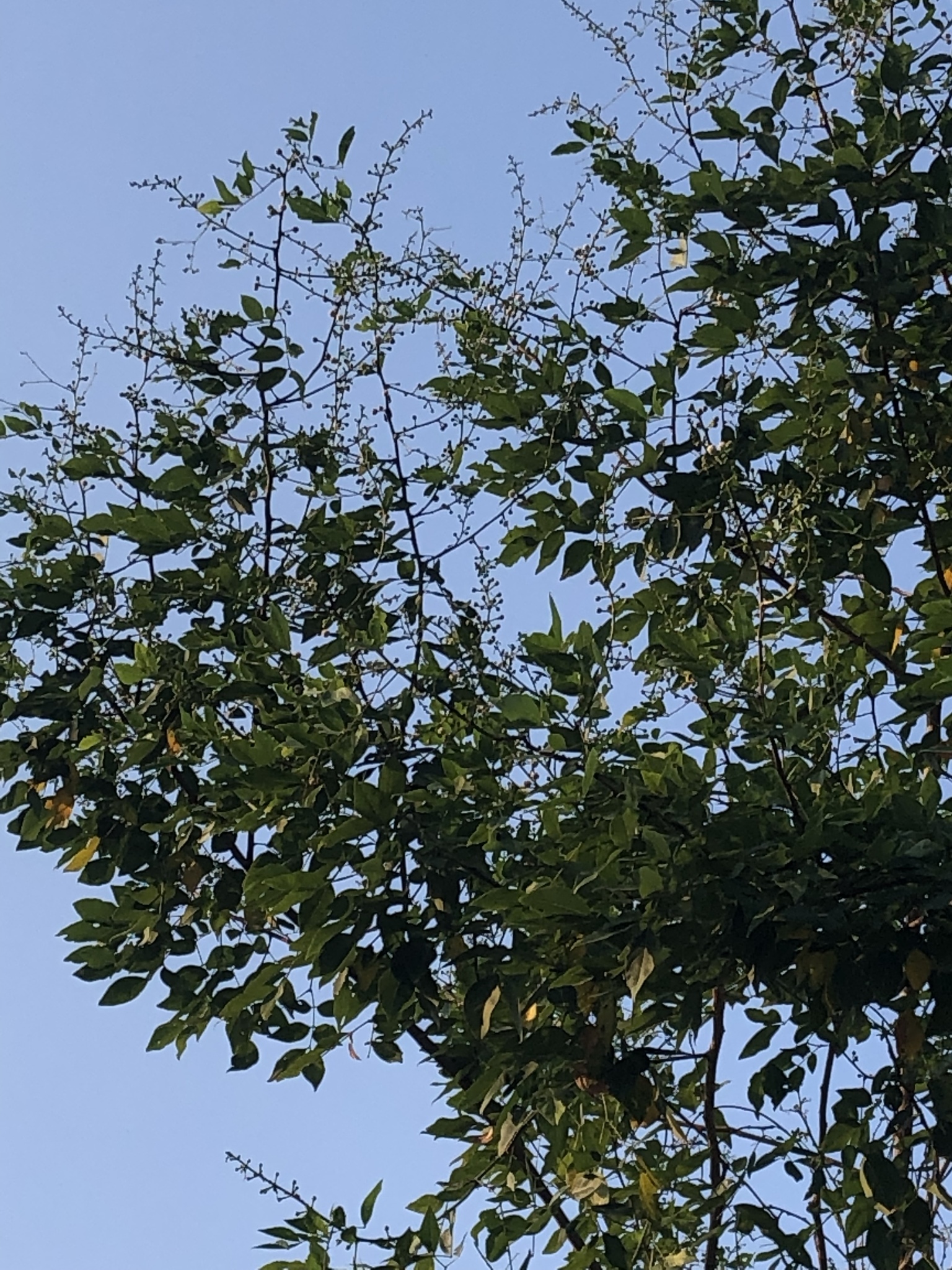
Leucaena macrophylla
1. Introduction & Taxonomy
Leucaena macrophylla is a robust leguminous tree native to Mexico, characterized by larger leaves than most Leucaena species. This nitrogen-fixing tree is valued in agroforestry systems for fodder production, green manure, and soil improvement. It shows promise as an alternative to the more invasive Leucaena leucocephala in some applications.
A small tree with large, broadly bipinnate leaves and white, powderpuff-like flowers. It is native to dry tropical forests to 1600 m in central and southern Mexico. Easy to grow in tropical and warm temperate climates in USDA Zones 9 and above.
Taxonomic Classification
Habitat and Distribution
Leucaena macrophylla is native to dry tropical forests to 1600 m in central and southern Mexico. The genus Leucaena is characterised by its deciduous/evergreen growth form.
Botanical Note: Trees are the dominant life form in most terrestrial ecosystems, providing structure, shade, food, and habitat for countless organisms. With approximately 73,000 known tree species worldwide, they represent a remarkable diversity of evolutionary strategies — from the ancient gymnosperms (conifers, ginkgos) that dominated Mesozoic forests to the angiosperms (flowering trees) that radiated spectacularly in the Cretaceous and now constitute the majority of tree species. Trees have independently evolved in many plant lineages, demonstrating the immense adaptive advantage of the woody, perennial growth form.
Native Range & Distribution Map
The map below shows the native range and notable cultivation regions for Leucaena macrophylla.
2. Morphology & Growth Form
Crown Form & Architecture
Leucaena macrophylla develops a broad, spreading canopy that can extend well beyond the height of the trunk. This umbrella-like crown form provides extensive shade and is characteristic of savanna and open-habitat trees.
Key Characteristics
- Height: 5-15m
- Growth Habit: Tree
- Growth Rate: Moderate under optimal conditions
Tree Biology Insight: Trees achieve their towering stature through secondary growth — the production of wood (secondary xylem) and bark (secondary phloem) by the vascular cambium. Each annual growth ring records a year of the tree's life, with ring width reflecting growing conditions. The world's tallest trees (Sequoia sempervirens, over 115 m) and most massive organisms (Sequoiadendron giganteum, over 1,400 tonnes) are both trees, demonstrating the extraordinary potential of woody plant architecture.
Notable Adaptations
The tree develops a substantial trunk and spreading crown with grey bark and large, bipinnate leaves with broader leaflets than other Leucaena species. The foliage is bright green and provides moderate shade. Like other Leucaenas, the roots form nitrogen-fixing nodules that enrich the soil naturally.
3. Reproduction & Propagation
The primary propagation methods for Leucaena macrophylla: Seed, cuttings, or grafting.
Propagating Leucaena macrophylla
White, fluffy, ball-shaped flower heads appear during warm months, attracting bees and other insects. The abundant flowers develop into flat, brown seed pods containing multiple hard-coated seeds. Pods dry on the tree and split to release seeds that can germinate quickly after scarification.
Leucaena macrophylla can be propagated from seed. Collect ripe fruit or seed pods and extract seeds. Many tree seeds have physical or physiological dormancy requiring scarification (nicking or soaking in hot water) or cold stratification before germination. Sow in a well-draining seed mix, keep moist, and provide warmth (20–25°C) and light.
Vegetative Propagation
- Cuttings: Take semi-hardwood cuttings in summer or hardwood cuttings in winter. Treat cut ends with rooting hormone and place in a well-draining medium (perlite/peat mix) under high humidity. Many tree species root readily from cuttings.
- Grafting: Grafting is widely used for fruit trees, ornamental cultivars, and species difficult to root from cuttings. Common techniques include whip-and-tongue, cleft, and bud grafting onto compatible rootstock.
- Air Layering: Useful for species difficult to root from cuttings. Wound a branch, apply rooting hormone, wrap with moist sphagnum and plastic, and wait for roots to develop (usually 2–6 months).
Tree Reproduction Biology: Flowering trees (angiosperms) employ diverse pollination strategies: wind (many temperate hardwoods like oaks, birches, and elms), insects (most fruit trees, magnolias), birds (Erythrina, some Eucalyptus), and bats (baobab, kapok). The evolution of enclosed seeds within fruits has been a major driver of angiosperm diversification and their symbiotic relationships with animal seed dispersers.
Propagation Tips: (1) Tree seeds are often short-lived — sow as fresh as possible. (2) Grafted trees produce fruit or flowers years earlier than seedlings. (3) Many tropical trees germinate best at 25–30°C with high humidity. (4) Temperate deciduous trees often require 60–120 days of cold stratification. (5) Some seeds (legumes, palms) benefit from scarification before sowing.
4. Cultivation & Planting
Plant in full sun with well-drained soil, spacing 4-6 meters apart for shade or timber, closer for fodder hedgerows. The species adapts to various soil types including poor, degraded land, and improves soil through nitrogen fixation. Water during establishment then rely on rainfall in areas with adequate seasonal precipitation.
Soil Requirements
Leucaena macrophylla grows best in deep, fertile, well-drained soil with a loamy texture. Most trees are adaptable to a range of soil pH values (5.5–7.5). Amend heavy clay soils with organic matter and grit to improve drainage and aeration.
Watering
Water regularly during establishment (first 2–3 years after planting). Once established, most trees develop deep root systems that access subsoil moisture. Supplemental irrigation during prolonged drought improves growth and reduces stress.
Light Requirements
Full sun to partial shade, depending on species. Most trees produce their best form, flowering, and fruiting in full sun. Some understorey species tolerate or prefer partial shade.
Temperature & Hardiness
- Optimal Growth: 15–30°C (59–86°F)
- Minimum Tolerance: -12°C (10°F)
- USDA Hardiness: Zones 8-11
Planting Guidelines
- Timing: Plant bare-root trees in late autumn to early spring during dormancy. Container-grown trees can be planted year-round but establish best when planted in autumn.
- Spacing: Allow adequate space for the mature canopy spread. Crowding leads to poor form, increased disease pressure, and competition for light and water.
- Depth: Plant at the same depth as in the nursery container. Do not bury the root flare — this is a common planting error that leads to slow decline.
- Staking: Stake only if necessary (exposed windy sites), and remove stakes after 1–2 years to encourage trunk strengthening.
Common Planting Mistake: Planting too deep is the most common cause of tree failure. The root flare (where the trunk widens at the base) must be visible at or slightly above soil level. Deep planting suffocates roots, promotes collar rot, and leads to girdling roots that can kill the tree years later.
Seasonal Care Calendar
Follow this season-by-season guide for optimal care timing throughout the year.
🌱 Spring (March–May)
Active growth begins with warming weather; flowers appear; establish pollarding cycle for fodder.
☀️ Summer (June–August)
Peak growth period; harvest fodder regularly; maintain moisture during dry spells.
❄️ Winter (December–February)
Growth slows in seasonal climates; protect from frost; tree may be partially deciduous in cool areas.
5. Diseases & Pests
Leucaena macrophylla, like most trees, is generally resilient when growing in appropriate conditions. Most disease problems arise from environmental stress, poor planting, or mechanical damage.
Major Diseases
Root Rot (Phytophthora, Armillaria)
Root rot is the most devastating tree disease complex. Phytophthora thrives in waterlogged soils and attacks fine roots, while Armillaria (honey fungus) produces distinctive mushrooms at the base of infected trees. Prevention: ensure good drainage, avoid overwatering, and do not pile soil or mulch against the trunk.
Canker Diseases
Canker-forming fungi (Nectria, Cytospora, Botryosphaeria) invade through wounds, pruning cuts, or stressed tissue. Sunken, discoloured bark areas expand and can girdle branches or trunks. Prune out infected wood well below the canker margin. Prevent by avoiding bark injuries and maintaining tree vigour.
Leaf Spot / Anthracnose
Fungal leaf spots and anthracnose cause browning, spotting, and premature leaf drop. Usually more cosmetic than life-threatening. Improve air circulation, rake and destroy fallen leaves, and apply fungicides in severe cases.
Common Pests
- Borers — Wood-boring beetles and clearwing moths attack stressed trees. Maintain vigour through proper watering, mulching, and avoiding bark damage.
- Defoliators — Caterpillars, sawfly larvae, and leaf beetles can severely defoliate trees. Healthy trees usually recover from a single defoliation event. Apply Bt (Bacillus thuringiensis) for caterpillar control.
- Scale Insects & Aphids — Sap-sucking insects that weaken trees and produce honeydew, leading to sooty mould. Treat with horticultural oil or systemic insecticide.
- Spider Mites — Cause stippled, bronzed foliage in dry conditions. Increase humidity and apply miticide.
Integrated Pest Management: (1) Select species and cultivars adapted to your climate and soil. (2) Maintain tree health through proper watering, mulching, and avoiding mechanical damage. (3) Monitor regularly for early signs of pest or disease. (4) Preserve beneficial insects (ladybirds, lacewings, parasitic wasps). (5) Use targeted treatments rather than broad-spectrum pesticides. (6) Prune during the correct season to minimise disease entry.
Additional Disease Notes
May be affected by leucaena psyllid though generally less susceptible than L. leucocephala. Root diseases can occur in poorly drained or waterlogged soils. Generally robust with fewer pest problems than its more widely cultivated relative.
6. Pruning & Maintenance
Pollard regularly for fodder production, cutting at 1-2 meters to encourage dense, leafy regrowth. For timber or shade, prune to develop a single trunk with well-spaced scaffold branches. The tree responds well to hard pruning and coppicing.
Pruning Principles
- Formative Pruning: Establish a strong central leader and well-spaced scaffold branches in the first 5–10 years. Remove co-dominant stems, crossing branches, and low branches that will need removal later.
- Maintenance Pruning: Remove dead, diseased, damaged, and crossing branches. Never remove more than 25% of the live crown in a single year.
- Timing: Prune deciduous trees during dormancy (winter) for major structural work. Summer pruning can be used for light corrective work and to slow vigorous growth.
Mulching
Apply a 5–10 cm layer of organic mulch (wood chips, bark, leaf mould) around the base of the tree, extending to the drip line if possible. Keep mulch 10–15 cm away from the trunk to prevent collar rot. Mulch conserves moisture, moderates soil temperature, suppresses weeds, and improves soil biology as it decomposes.
Fertilisation
Young trees benefit from a balanced slow-release fertiliser (NPK 10-10-10 or similar) applied in early spring. Established trees in good soil rarely need fertilisation. Avoid high-nitrogen fertilisers that promote soft, disease-susceptible growth.
Pruning Safety: Trees are large organisms and pruning above head height involves significant risk. For any pruning that requires a ladder, elevated work platform, or chainsaw, hire a certified arborist (ISA-certified or equivalent). Improper pruning — especially topping, flush cuts, and lion-tailing — causes long-term structural damage and decay that can make trees hazardous.
7. Landscape & Agroforestry
Best suited to agroforestry systems, fodder banks, and land rehabilitation projects in tropical regions. Less commonly planted than L. leucocephala but potentially less invasive. Use in alley cropping, as living fences, or for erosion control on slopes.
Landscape Applications
- Specimen Tree: Plant as a focal point in lawns, parks, or large gardens where its form can be fully appreciated
- Shade Tree: Provides cooling summer shade for buildings, patios, and outdoor living areas. A single large shade tree can reduce cooling costs by 20–40%.
- Street / Avenue Tree: Suitable for urban planting in streets, plazas, and parks where space allows for mature canopy development.
- Wildlife Habitat: Provides nesting sites for birds, food sources (seeds, fruit, nectar), and shelter for diverse wildlife
Companion Planting
Create effective plant communities by combining with:
- Understorey Trees — Smaller trees and large shrubs that thrive beneath the canopy
- Ground Covers — Shade-tolerant perennials, ferns, and bulbs for the forest floor layer
- Climbers — Mature trees can support non-damaging climbers like clematis or jasmine
- Bulbs — Spring-flowering bulbs beneath deciduous trees take advantage of light before leaf emergence
Ecosystem Services: A single mature tree provides extraordinary environmental benefits: absorbing 20–50 kg of CO₂ annually, releasing oxygen for 2–4 people, intercepting thousands of litres of stormwater, filtering air pollutants, reducing ambient temperature by 2–8°C through transpiration, and supporting hundreds of species of insects, birds, and other organisms. Trees are among the most cost-effective environmental investments any landowner can make.
8. Climate Adaptation & Hardiness
Tropical species requiring warm temperatures year-round, hardy to USDA zones 10-12. Sensitive to frost, especially when young, though may resprout from roots after light frost damage. Best growth in frost-free areas with seasonal rainfall patterns.
Hardiness Thresholds
- USDA Zones: 8-11
- Minimum Survival Temperature: -12°C (10°F)
Cold Protection Strategies
- Site Selection: Plant in sheltered positions with good air drainage (avoid frost pockets). South- or west-facing walls provide radiated warmth and wind protection.
- Mulching: A deep mulch layer (10–15 cm) over the root zone insulates roots from freezing temperatures and reduces soil temperature fluctuations.
- Wrapping: Protect the trunk and scaffold branches of borderline-hardy trees with horticultural fleece or hessian during severe cold events. This is especially important for young trees during their first few winters.
- Container Growing: Trees in containers can be moved to frost-free locations for winter. Use large, insulated containers to protect roots from freezing.
Heat & Drought Adaptation
Many trees develop deep taproots and extensive lateral root systems that access water well beyond the canopy drip line. Drought adaptations include deciduousness (shedding leaves to conserve water), thick bark, small or waxy leaves, and the ability to close stomata rapidly during water stress.
Climate Change Consideration: As climate zones shift, tree species suitable for a given location are changing. When planting trees for the long term (50–200+ years), consider selecting species or provenances adapted to projected future conditions rather than current ones. Diversifying species selection across a property or community reduces the risk of catastrophic losses from any single pest, disease, or climate event.
9. Ethnobotany & Cultural Significance
The leaves and young shoots provide nutritious fodder for ruminants, with high protein content. The tree is used in traditional Mexican agriculture for soil improvement and living fences. Wood is used for fuel and light construction in rural areas.
Conservation Note: Many tree species face threats from deforestation, climate change, and overexploitation. Trees are keystone organisms in terrestrial ecosystems, providing habitat for countless species, sequestering carbon, regulating water cycles, and stabilising soils. By cultivating Leucaena macrophylla and supporting sustainable forestry practices, you contribute to the conservation of global tree diversity. Over 30% of the world's tree species are threatened with extinction.
Frequently Asked Questions
How does it differ from Leucaena leucocephala?
It has larger leaves, is potentially less invasive, and may be less susceptible to psyllid damage.
Is it good for fodder?
Yes, it provides high-protein fodder for livestock when properly managed and introduced gradually.
Does it fix nitrogen?
Yes, it forms root nodules with rhizobia bacteria that fix atmospheric nitrogen, enriching the soil.
How fast does it grow?
Fast-growing like other Leucaenas, though slightly slower than L. leucocephala.
Is it invasive?
Less documented as invasive than L. leucocephala, but caution and local regulation checks are still advised.
Summary & Key Takeaways
Leucaena macrophylla is a Mexican nitrogen-fixing tree with larger leaves than related species, valued for fodder and agroforestry. It shows promise as a less invasive alternative in tropical agricultural systems.
Key Points to Remember:
- Propagation: Seed, cuttings, grafting
- Light: Full sun to partial shade depending on species
- Soil: Deep, fertile, well-drained
- Water: Regular during establishment, drought-tolerant once mature
- Hardiness: USDA Zones 8-11, minimum -12°C (10°F)
- Key Threat: Root rot from poor drainage — ensure well-drained planting site