Elaeocarpus alaternoides: Complete Shrub Growing Guide
Elaeocarpus alaternoides
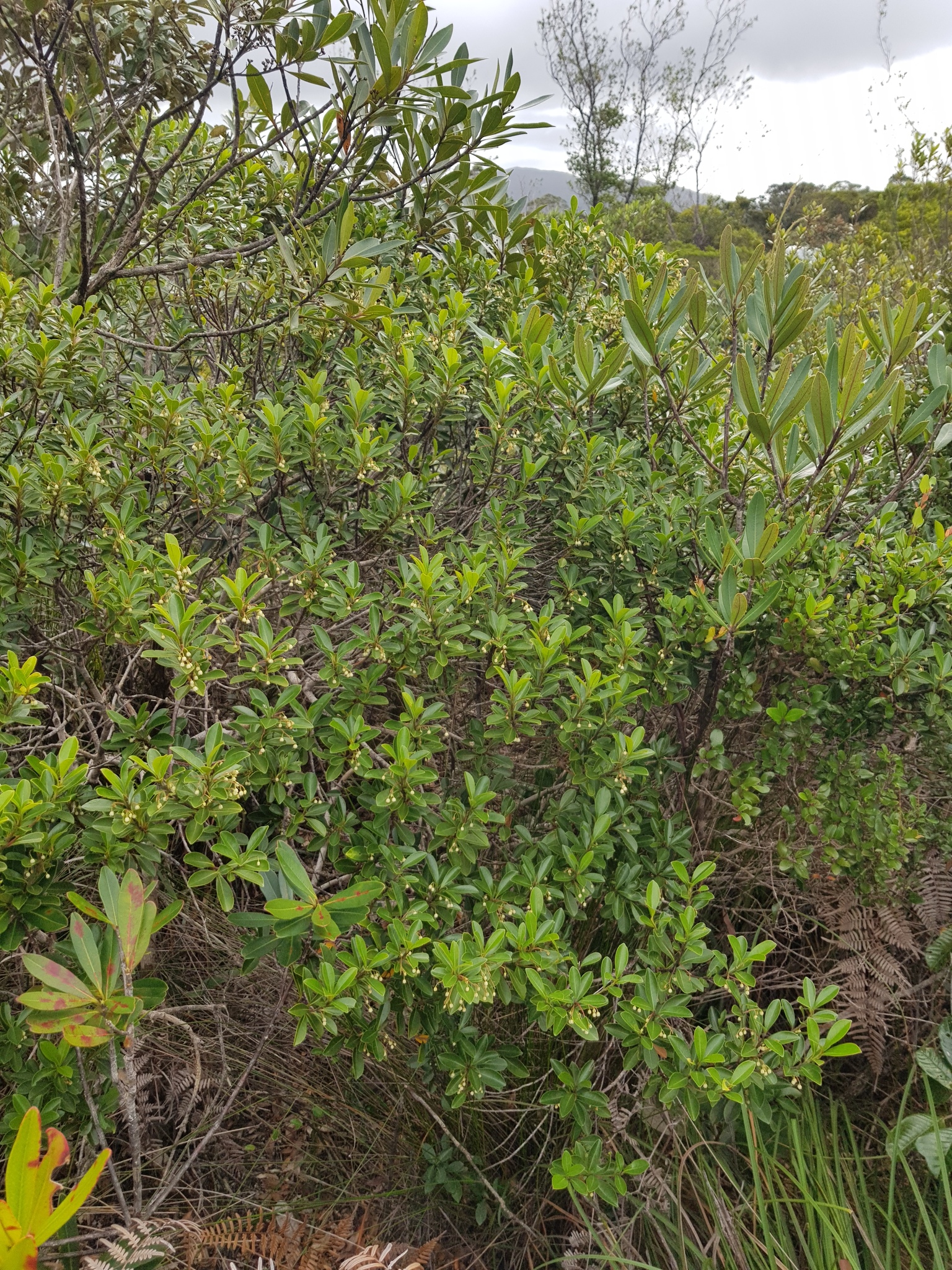
Elaeocarpus alaternoides
1. Introduction & Taxonomy
Elaeocarpus alaternoides is a rainforest tree or large shrub from Asia-Pacific regions, valued for its glossy foliage and attractive fruits. This member of the Elaeocarpaceae family produces small white flowers followed by blue or purple drupes. It represents the ornamental potential of lesser-known rainforest species suitable for tropical and subtropical gardens.
Elaeocarpus is a genus of plants. Elaeocarpus is a genus of nearly five hundred species of flowering plants in the family Elaeocarpaceae native to the western Indian Ocean, tropical and subtropical Asia, Australia and the Pacific. Plants in the genus are trees or shrubs with simple leaves, flowers with four or five petals, and usually blue fruit.
Taxonomic Classification
Habitat and Distribution
Elaeocarpus alaternoides is native to western Indian Ocean, tropical and subtropical Asia, Australia and the Pacific. This species inhabits environments typical of the Elaeocarpaceae.
Botanical Note: A tropical family of trees and shrubs with fringed petals, concentrated in Australasia.
Native Range & Distribution Map
The map below shows the native range and notable cultivation regions for Elaeocarpus alaternoides.
2. Biology & Morphology
Growth Form & Architecture
Elaeocarpus alaternoides is a multi-stemmed woody plant, typically smaller than a tree, with several stems arising from or near the base.
Flowers & Reproductive Structures
Shrub flowers vary enormously across families, from tiny wind-pollinated catkins to large, showy insect-pollinated blooms.
Key Characteristics
- Height: 1-3m
- Growth Habit: Erect Shrub
- Growth Rate: Moderate under optimal conditions
- Life Cycle: Perennial
3. Reproduction & Propagation
Primary propagation methods for Elaeocarpus alaternoides: Cuttings, seed, or layering (varies by species).
Propagation Methods
Propagated by semi-hardwood cuttings in summer, softwood cuttings in spring, or seed. Division may work for suckering species.
Propagation Tip: Use rooting hormone and maintain high humidity for best cutting success.
4. Cultivation Requirements
Soil / Substrate
Well-draining, moderately fertile soil. A mix of garden loam, compost, and coarse sand.
Watering
Regular watering during the growing season. Allow soil surface to dry slightly between waterings.
Light Requirements
Full sun to partial shade. Most ornamental shrubs perform best with at least 4-6 hours of direct light daily.
Temperature
- Optimal Growth: 18-30°C (65-86°F)
- Minimum Tolerance: -12°C (10°F)
- USDA Hardiness: Zones 8-11
Pruning
Prune after flowering to maintain shape. Remove dead, damaged, or crossing branches.
Fertilization
Apply a balanced slow-release fertilizer in spring. Most shrubs are moderate feeders.
Common Cultivation Mistake: Over-watering is the most common cause of shrub failure. Ensure good drainage and match watering to the species' natural habitat.
Seasonal Care Calendar
Follow this season-by-season guide for optimal care timing throughout the year.
🌱 Spring (March–May)
Apply balanced fertilizer, prune if needed to shape, monitor new growth
☀️ Summer (June–August)
Maintain consistent watering during hot weather, enjoy flowering, mulch to conserve moisture
🍂 Fall (September–November)
Reduce fertilization, appreciate fruit display, prepare for cooler weather
❄️ Winter (December–February)
Minimal care in tropical areas; protect from frost in subtropical zones, reduce watering
5. Diseases & Pests
Elaeocarpus alaternoides is generally robust and pest-resistant when cultural conditions are optimal.
Major Diseases
Root Rot (Phytophthora, Pythium)
Caused by overwatering or poor drainage. Ensure good drainage and avoid waterlogging. Improve soil aeration.
Powdery Mildew
White powdery coating on leaves. Improve air circulation, avoid overhead watering, and apply fungicide if severe.
Leaf Spot (various fungi)
Brown or black spots on foliage. Remove affected leaves, improve airflow, and avoid wetting foliage.
Common Pests
- Scale Insects — Hard or soft scales on stems and leaves; treat with horticultural oil
- Spider Mites — Fine webbing on undersides of leaves in dry conditions; increase humidity
- Mealybugs — White cottony masses at leaf axils; spray with soapy water or neem oil
- Aphids — Cluster on new growth; spray with soapy water or introduce ladybirds
- Whiteflies — Tiny white insects on leaf undersides; use yellow sticky traps
IPM: (1) Choose the right species for your conditions. (2) Maintain good air circulation and hygiene. (3) Monitor regularly and act early. (4) Use chemical controls only as a last resort.
6. Indoor & Container Growing
Elaeocarpus alaternoides can be grown in containers and brought indoors during winter in cold climates.
Container Selection
Use containers with adequate drainage holes. Choose pots at least 5 cm larger than the root ball. Plastic retains moisture longer; terra cotta dries faster.
Indoor Light
Place in the brightest available location. Most shrubs need at least 4-6 hours of direct or bright indirect light.
Container Success Key: Match your container medium to the species needs: free-draining for xerophytes, moisture-retentive for tropical species.
7. Landscape Use & Design
Elaeocarpus alaternoides is a versatile landscape plant offering structure, colour, and seasonal interest.
Design Applications
- Hedging & Screening: Dense shrubs for privacy, windbreaks, and boundary definition
- Foundation Planting: Soften building lines and define entrances
- Specimen / Accent: Showcase plants as focal points in the garden
- Mixed Border: Combine with perennials, grasses, and bulbs for year-round interest
- Topiary & Formal: Shape dense evergreens into geometric or sculptural forms
Companion Planting
- Perennials — Echinacea, Salvia, Lavandula for mixed borders
- Other Shrubs — Layer heights and textures for depth
- Grasses — Ornamental grasses add movement and contrast
- Ground Covers — Underplant with low-growing species for a finished look
Design Principle: Plant shrubs in groups of odd numbers (3, 5, 7) for natural-looking compositions. Repeat key species throughout the garden for cohesion.
8. Cold Climate Strategies
Elaeocarpus alaternoides tolerates cold to USDA Zone 8. Winter protection or container culture may be needed in colder areas.
Hardiness Thresholds
- USDA Zones: 8-11
- Minimum Survival Temperature: -12°C (10°F)
Overwintering Options
- In-Ground Protection: Apply 10-15 cm of mulch over the root zone before first frost. Wrap trunks of borderline-hardy species with fleece.
- Container Culture: Move potted plants to a frost-free garage, conservatory, or cold greenhouse for winter.
- Microclimate Selection: Plant against south-facing walls or in sheltered spots to gain 1-2 zones of extra warmth.
Winter Survival Rule: Most shrub losses occur from late frost after spring growth has started. Avoid premature uncovering.
Frequently Asked Questions
Are the fruits edible?
While some Elaeocarpus fruits are edible, E. alaternoides fruits are not commonly consumed. They're primarily ornamental. Always verify edibility with local experts before consuming.
How fast does this grow?
Moderate growth rate, typically adding 30-60 cm per year under optimal conditions. Slower in cooler or drier climates.
Can I grow this in a container?
Young plants can be grown in large containers, but eventual size makes in-ground planting preferable. Container culture limits ultimate size.
Summary & Key Takeaways
Elaeocarpus alaternoides, is a erect member of the genus Elaeocarpus (Elaeocarpaceae), native to western Indian Ocean, tropical and subtropical Asia, Australia and the Pacific.
Key Points to Remember:
- Propagation: Cuttings or seed
- Light: Full sun to partial shade for most species
- Substrate: Well-draining, moderately fertile
- Watering: Moderate — match to species needs
- Hardiness: USDA Zones 8-11, minimum -12°C (10°F)