Crataegus rosei: Complete Shrub Growing Guide
Crataegus rosei
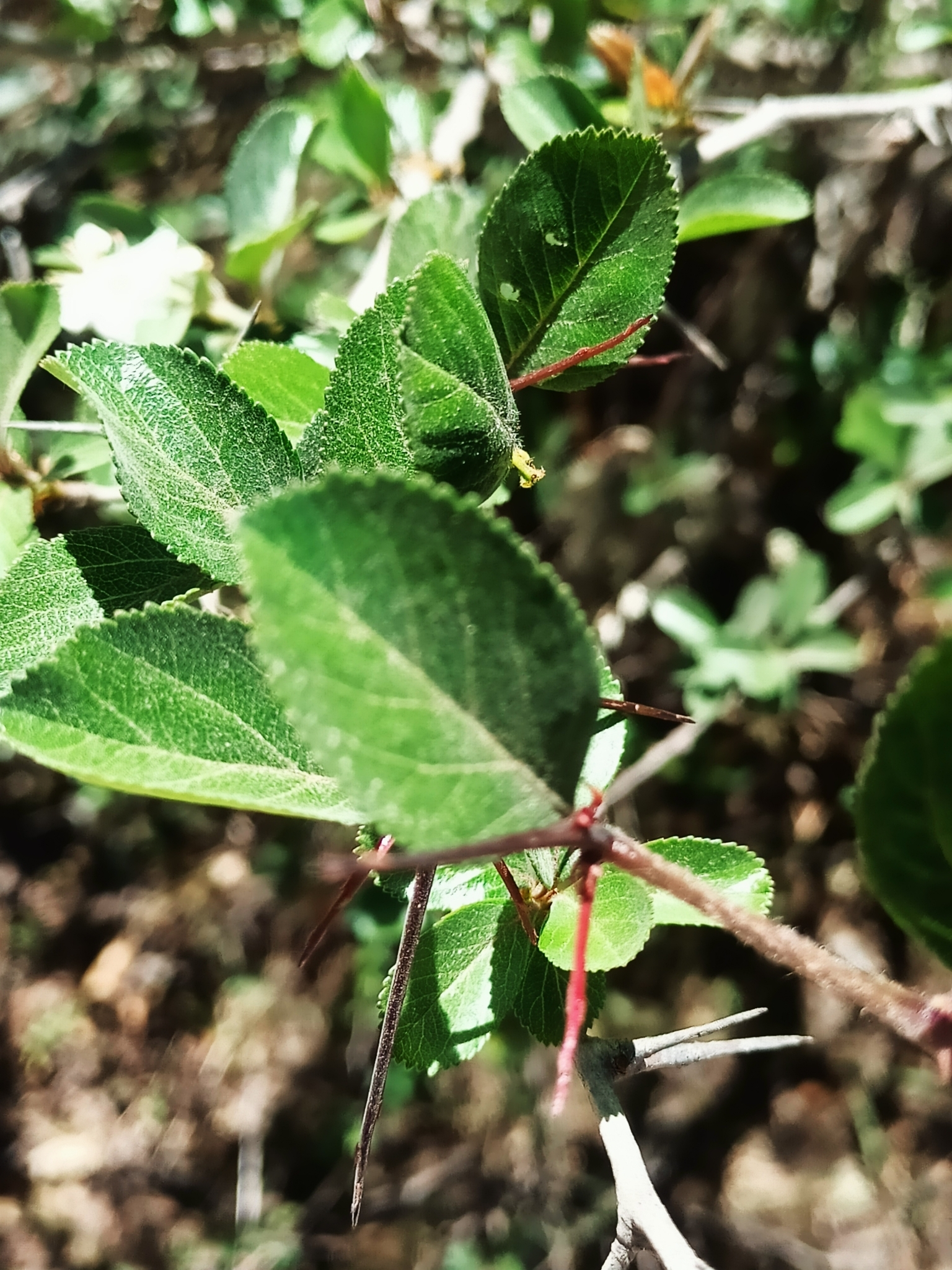
Crataegus rosei
1. Introduction & Taxonomy
Crataegus rosei is a distinctive ornamental shrub in the family Rosaceae that offers unique qualities to both botanical collections and garden landscapes.
(Description coming soon) Appearance Ornamental Value Pretty
Taxonomic Classification
Habitat and Distribution
Crataegus rosei is native to tropical and subtropical regions. This species inhabits environments typical of the Rosaceae.
Botanical Note: A major horticultural family including roses, fruit trees, and ornamental shrubs. Flowers typically have 5 petals and numerous stamens. Many species produce fleshy edible fruits.
Native Range & Distribution Map
The map below shows the native range and notable cultivation regions for Crataegus rosei.
2. Biology & Morphology
Growth Form & Architecture
Crataegus rosei is a woody deciduous shrub with a seasonal growth cycle. Its framework of branches provides winter interest, while spring and summer bring fresh foliage and often attractive flowers or fruit.
Flowers & Reproductive Structures
Shrub flowers vary enormously across families, from tiny wind-pollinated catkins to large, showy insect-pollinated blooms.
Key Characteristics
- Height: 1-3m
- Growth Habit: Erect Shrub
- Growth Rate: Moderate under optimal conditions
- Life Cycle: Perennial
Notable Adaptations
The overall growth architecture of Crataegus rosei reflects adaptation to its native habitat. The interplay between stem structure, leaf arrangement, and flowering pattern is tuned to the specific conditions of its ecological niche.
3. Reproduction & Propagation
Primary propagation methods for Crataegus rosei: Cuttings, seed, or layering (varies by species).
Propagating Crataegus rosei
Crataegus rosei can be propagated by hardwood cuttings taken in late autumn to early winter. Select healthy, pencil-thick stems of the current season's growth, cut to 20–30 cm lengths, and insert in open ground or a cold frame. Softwood cuttings in spring are faster but require more care.
Hardwood cuttings taken in late autumn/winter. Softwood cuttings in spring. Layering, grafting for named cultivars. Stratified seed.
Propagation Tip: Hardwood cuttings of pencil thickness, 20-30 cm long, root well in open ground.
4. Cultivation Requirements
Crataegus rosei performs best in a sheltered position with rich, well-drained soil. Full sun to light shade suits most situations. Water regularly during establishment, then reduce as the plant matures and develops a deeper root system.
Soil / Substrate
Adaptable to most soils with reasonable drainage. Enrich with compost at planting. Tolerates clay if not waterlogged.
Watering
Regular watering during establishment. Once mature, most are moderately drought-tolerant.
Light Requirements
Full sun to partial shade. Most ornamental shrubs perform best with at least 4-6 hours of direct light daily.
Temperature
- Optimal Growth: 18-30°C (65-86°F)
- Minimum Tolerance: -12°C (10°F)
- USDA Hardiness: Zones 8-11
Pruning
Prune in late winter while dormant. Remove crossing branches, dead wood, and shape as desired.
Fertilization
Apply a balanced slow-release fertilizer in spring. Most shrubs are moderate feeders.
Common Cultivation Mistake: Over-watering is the most common cause of shrub failure. Ensure good drainage and match watering to the species' natural habitat.
Seasonal Care Calendar
Follow this season-by-season guide for optimal care timing throughout the year.
🌱 Spring (March–May)
Apply balanced slow-release fertilizer as buds break. Mulch with compost. Water regularly as new growth develops. Complete any structural pruning before leaves fully emerge.
☀️ Summer (June–August)
Water deeply during dry spells. Deadhead spent flowers to encourage repeat blooming where applicable. Monitor for pests and diseases in warm, humid conditions.
🍂 Fall (September–November)
Reduce watering as leaves change colour. Allow natural leaf drop. Apply winter mulch over the root zone. Take hardwood cuttings for propagation.
❄️ Winter (December–February)
Structural pruning while dormant. Inspect for dead or diseased wood and remove. Protect root zone with mulch in cold regions. Plan next season's garden adjustments.
5. Diseases & Pests
Crataegus rosei is generally robust and pest-resistant when cultural conditions are optimal.
Major Diseases
Root Rot (Phytophthora, Pythium)
Caused by overwatering or poor drainage. Ensure good drainage and avoid waterlogging. Improve soil aeration.
Powdery Mildew
White powdery coating on leaves. Improve air circulation, avoid overhead watering, and apply fungicide if severe.
Leaf Spot (various fungi)
Brown or black spots on foliage. Remove affected leaves, improve airflow, and avoid wetting foliage.
Common Pests
- Scale Insects — Hard or soft scales on stems and leaves; treat with horticultural oil
- Spider Mites — Fine webbing on undersides of leaves in dry conditions; increase humidity
- Mealybugs — White cottony masses at leaf axils; spray with soapy water or neem oil
- Aphids — Cluster on new growth; spray with soapy water or introduce ladybirds
- Whiteflies — Tiny white insects on leaf undersides; use yellow sticky traps
IPM: (1) Choose the right species for your conditions. (2) Maintain good air circulation and hygiene. (3) Monitor regularly and act early. (4) Use chemical controls only as a last resort.
Additional Considerations
Root rot caused by Pythium and Phytophthora species is the most common cause of shrub death in cultivation. Ensure excellent drainage and avoid waterlogging at all costs, particularly during cool, wet periods.
6. Indoor & Container Growing
Crataegus rosei is best suited to outdoor cultivation. Deciduous shrubs generally need seasonal temperature changes.
Container Selection
Use containers with adequate drainage holes. Choose pots at least 5 cm larger than the root ball. Plastic retains moisture longer; terra cotta dries faster.
Indoor Light
Place in the brightest available location. Most shrubs need at least 4-6 hours of direct or bright indirect light.
Container Success Key: Match your container medium to the species needs: free-draining for xerophytes, moisture-retentive for tropical species.
Species-Specific Indoor Tips
Crataegus rosei is best suited to outdoor cultivation. Deciduous shrubs generally require seasonal temperature fluctuations and a period of winter dormancy that is difficult to provide indoors.
7. Landscape Use & Design
Crataegus rosei is a versatile landscape plant offering structure, colour, and seasonal interest.
Design Applications
- Hedging & Screening: Dense shrubs for privacy, windbreaks, and boundary definition
- Foundation Planting: Soften building lines and define entrances
- Specimen / Accent: Showcase plants as focal points in the garden
- Mixed Border: Combine with perennials, grasses, and bulbs for year-round interest
- Topiary & Formal: Shape dense evergreens into geometric or sculptural forms
Companion Planting
- Perennials — Echinacea, Salvia, Lavandula for mixed borders
- Other Shrubs — Layer heights and textures for depth
- Grasses — Ornamental grasses add movement and contrast
- Ground Covers — Underplant with low-growing species for a finished look
Design Principle: Plant shrubs in groups of odd numbers (3, 5, 7) for natural-looking compositions. Repeat key species throughout the garden for cohesion.
Species-Specific Design Ideas
Site in a position protected from strong winds to maintain the best form and foliage quality. A sheltered courtyard, walled garden, or the lee side of a building provides ideal conditions.
8. Cold Climate Strategies
Crataegus rosei tolerates cold to USDA Zone 8. Winter protection or container culture may be needed in colder areas.
Hardiness Thresholds
- USDA Zones: 8-11
- Minimum Survival Temperature: -12°C (10°F)
Overwintering Options
- In-Ground Protection: Apply 10-15 cm of mulch over the root zone before first frost. Wrap trunks of borderline-hardy species with fleece.
- Container Culture: Move potted plants to a frost-free garage, conservatory, or cold greenhouse for winter.
- Microclimate Selection: Plant against south-facing walls or in sheltered spots to gain 1-2 zones of extra warmth.
Winter Survival Rule: Most shrub losses occur from late frost after spring growth has started. Avoid premature uncovering.
Additional Winter Protection
Crataegus rosei can be cultivated in temperate climates with proper winter management. Options include heavy mulching, container culture with indoor overwintering, or microclimate exploitation (sheltered south-facing walls). Minimum survival temperature is approximately -29°C.
9. Ethnobotany & Cultural Significance
While specific ethnobotanical records for Crataegus rosei are limited, the genus Crataegus has significance in various cultural traditions. Ornamental shrubs worldwide have served as garden plants, living fences, sources of dyes, fibres, and traditional medicines. As natural habitats continue to shrink, growing Crataegus rosei serves both horticultural and conservation purposes, maintaining genetic diversity outside its increasingly pressured native range.
Conservation Note: Many ornamental shrub species have significant ecological value as habitat providers, pollinator attractors, and soil stabilizers. By growing Crataegus rosei, you contribute to maintaining biodiversity awareness and conservation of these remarkable plants.
Frequently Asked Questions
How big does Crataegus rosei get?
Specific height data for Crataegus rosei varies. As a member of the Rosaceae, expect growth patterns typical of the genus Crataegus. Provide good soil, adequate light, and regular care for best development.
How cold-hardy is Crataegus rosei?
Crataegus rosei is estimated to be hardy in USDA zones 5-9, tolerating minimum temperatures of approximately -29°C. In colder zones, grow in containers and overwinter indoors, or apply heavy mulch for root protection.
When should I prune Crataegus rosei?
Prune Crataegus rosei after flowering to maintain shape and encourage new growth. Remove dead, damaged, or crossing branches at any time. Avoid heavy pruning in late autumn as new growth may be damaged by winter cold.
What soil does Crataegus rosei need?
Crataegus rosei performs best in well-draining soil enriched with organic matter. Match your soil preparation to the species' natural habitat — lean and sandy for xerophytes, rich and humus-laden for woodland species.
Can Crataegus rosei be grown indoors?
Crataegus rosei can be grown in containers and placed in the brightest available indoor location. Supplement with grow lights during winter and maintain humidity above 50%. Success depends on matching indoor conditions to the plant's natural requirements.
How do I propagate Crataegus rosei?
Crataegus rosei can be propagated by cuttings, seed, or layering depending on the species. Semi-hardwood cuttings taken during the growing season, treated with rooting hormone, and placed in a humid environment are often the most reliable method.
What pests affect Crataegus rosei?
Common pests of Crataegus rosei include aphids, scale insects, spider mites, and mealybugs. Good cultural practices — adequate spacing, proper watering, and regular inspection — prevent most problems. Treat early with insecticidal soap or neem oil.
How often should I water Crataegus rosei?
Watering frequency for Crataegus rosei depends on climate, soil type, and season. Generally, water deeply when the top 2–3 cm of soil dries out. Reduce in winter and increase during hot, dry periods. Avoid waterlogging at all costs.
Summary & Key Takeaways
Crataegus rosei is a distinctive member of the genus Crataegus (Rosaceae). Best suited to USDA zones 5-9 (minimum -29°C), it may require container culture with indoor overwintering in colder regions.
Key Points to Remember:
- Propagation: Cuttings or seed
- Light: Full sun to partial shade for most species
- Substrate: Well-draining, moderately fertile
- Watering: Moderate — match to species needs
- Hardiness: USDA Zones 8-11, minimum -12°C (10°F)