Heliconia librata: Complete Care & Growing Guide for Heliconia Enthusiasts & Collectors.
Heliconia librata
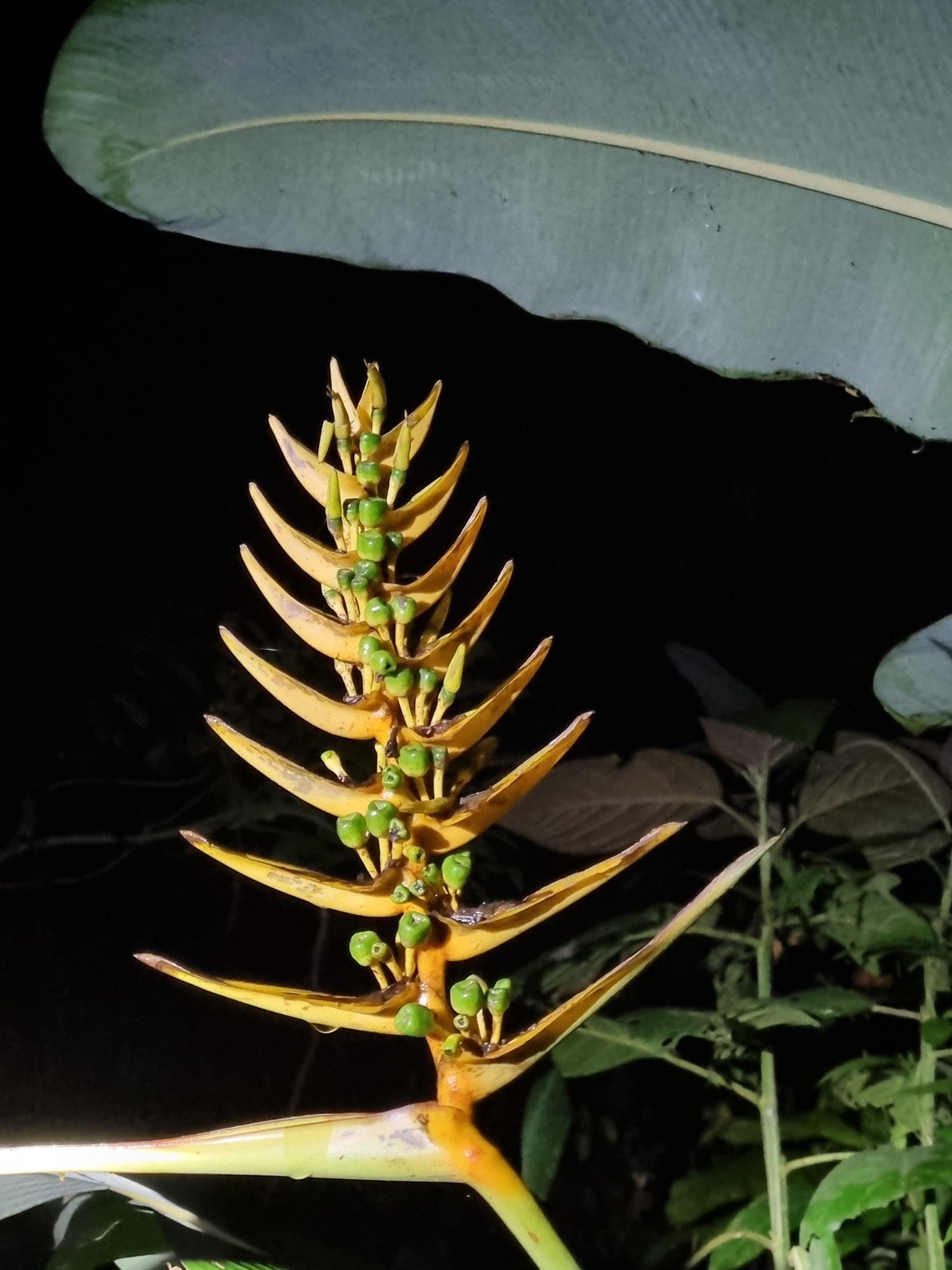
Heliconia librata (Source: gbif)
1. Introduction & Taxonomy
Heliconia librata, a distinctive member of the Heliconiaceae family, captivates botanists and horticulturists with its gracefully upright inflorescences that display bright yellow bracts arranged in a distichous (two-ranked) pattern. This small to medium-sized species originates from the tropical forests spanning southern Mexico through Central America to Nicaragua, where it thrives in the understory and forest margins at elevations typically between 100 and 800 meters. The species name 'librata' refers to the balanced, scales-like arrangement of its bracts, which creates a striking architectural form distinct from many of its more flamboyant relatives.
Unlike the pendant inflorescences of species such as H. collinsiana or H. pogonantha, H. librata presents its flowers in an erect stance that makes it particularly useful for cut flower production and ornamental displays. The bright yellow coloration of the bracts serves as a beacon for its primary pollinators, hummingbirds of the genera Amazilia and Phaethornis, which are abundant throughout its native range. Each inflorescence typically bears 8 to 15 bracts, each concealing tubular flowers that mature sequentially over several weeks.
In cultivation, H. librata has gained appreciation for its manageable size—typically reaching 1.5 to 2.5 meters in height—making it more suitable for smaller tropical gardens and container cultivation than many of its larger cousins. The foliage consists of oblong-elliptic leaves that can span 40 to 60 centimeters in length, creating a lush backdrop for the vibrant inflorescences that emerge throughout the warmer months in tropical climates.
A small to medium-sized Heliconia native from southern Mexico to Nicaragua with upright, distichous, bright yellow inflorescences.
Taxonomic Classification
Habitat and Distribution
Heliconia librata is native to southern Mexico to Nicaragua. This species inhabits diverse environments typical of tropical Heliconiaceae, from lowland rainforest gaps and riverbanks to montane cloud forests.
Botanical Note: The family Heliconiaceae contains a single genus, Heliconia, with approximately 200 species. Native primarily to the tropical Americas, with a few species in the western Pacific, heliconias are closely related to bananas (Musaceae) and gingers (Zingiberaceae) within the order Zingiberales. They are characterized by their musoid (banana-like) growth habit, large paddle-shaped leaves, and spectacular inflorescences with colourful waxy bracts that attract hummingbird pollinators. The bracts — not the small true flowers hidden within — are the showy part that makes heliconias among the most striking tropical ornamentals and cut flowers in the world.
Native Range & Distribution Map
The map below shows the native range and notable cultivation regions for Heliconia librata.
2. Biology & Morphology
<\!-- SIZE_COMPARISON_SVG -->Growth Form & Architecture
Heliconia librata is a large, musoid (banana-like) herbaceous perennial that grows from a robust underground rhizome. Like its close relatives the bananas (Musaceae), it forms pseudostems from tightly rolled leaf sheaths. Each pseudostem produces a single inflorescence before dying back, while new shoots continuously emerge from the rhizome to replace it. The large, paddle-shaped leaves are arranged in a single plane (distichous), giving the plant its characteristic banana-like silhouette.
Leaf Morphology
The leaves of Heliconia librata are large and paddle-shaped, arranged in two ranks (distichous) along the pseudostem. Unlike bananas, heliconia leaves typically have long petioles that twist at the base, orienting the blade in a characteristic pattern. The midrib is prominent, and leaves can range from 30 cm to over 3 m long depending on species.
Inflorescence & Bract Structure
The spectacular "flowers" of heliconias are actually colourful, waxy bracts — modified leaves that enclose the small, tubular true flowers within. These bracts can be erect (pointing upward), pendant (hanging downward), or spiralling, and come in vivid reds, oranges, yellows, pinks, and greens. The true flowers emerge one at a time from within each bract and produce nectar that attracts hummingbird pollinators — heliconias and hummingbirds have co-evolved in a remarkable mutualistic relationship.
Key Characteristics
- Height: 1-5m
- Growth Habit: Musoid / Rhizomatous
- Growth Rate: Fast under optimal conditions
Anatomical Insight: Heliconias have five fertile stamens (unlike gingers which have just one). The fruit is a drupe containing 1-3 seeds with a hard, stony endocarp — often bright blue or purple when ripe, attracting birds that disperse the seeds. The waxy coating on many heliconia bracts (pruinosity) serves as protection against water and UV radiation, and gives species like H. chartacea their distinctive frosted appearance.
Notable Adaptations
The morphological architecture of Heliconia librata reveals fascinating adaptations to its Central American habitat. The pseudostems, formed by tightly overlapping leaf sheaths, typically reach 1.5 to 2.5 meters, with individual stems bearing 5 to 8 leaves before producing an inflorescence. The leaves themselves display pronounced parallel venation characteristic of monocots, with a strong midrib and numerous secondary veins creating a pleated texture. The petioles are relatively short, measuring 20 to 35 centimeters, giving the plant a more compact appearance than species with elongated petioles.
The inflorescence structure demonstrates remarkable botanical precision. Each yellow bract (botanically a modified leaf) measures 8 to 12 centimeters in length and is boat-shaped (navicular), creating a protective chamber for the true flowers within. The bracts are arranged in a strictly distichous pattern along a stiff rachis, alternating at approximately 180-degree angles. Within each bract, 5 to 12 individual flowers develop, their tubular corollas extending 3.5 to 4.5 centimeters and colored pale green to cream with darker green tips. The flowers are protandrous (anthers mature before stigmas), promoting outcrossing and genetic diversity.
Pollination ecology in H. librata centers on hermit hummingbirds, particularly Phaethornis longirostris, which exhibit trap-lining behavior, visiting the same individual plants on regular circuits. The nectar, produced in quantities of 15 to 25 microliters per flower, contains sucrose concentrations of 20 to 25 percent, optimal for hummingbird metabolism. The yellow bract color, while unusual among heliconias (many display red or orange), may represent an adaptation to specific light conditions in the forest understory where this species naturally occurs.
3. Reproduction & Propagation
<\!-- PROPAGATION_METHODS_SVG -->The primary propagation methods for Heliconia librata: Rhizome division or seed.
Propagating Heliconia librata
Seed production in Heliconia librata follows successful pollination, with fruits developing as blue-black drupes approximately 8 to 10 millimeters in diameter, each containing one to three seeds. The fruits ripen sequentially within each bract over a period of 6 to 8 weeks, and the brilliant blue coloration attracts frugivorous birds, particularly manakins and tanagers, which serve as seed dispersers. Seeds are pyrenes (hard-coated) and exhibit a degree of dormancy that can persist for several months under natural conditions. Germination protocols developed for H. librata recommend scarification—either mechanical nicking of the seed coat or soaking in concentrated sulfuric acid for 10 to 15 minutes followed by thorough rinsing—to break physical dormancy. After treatment, seeds germinate best at temperatures between 25 and 30 degrees Celsius with consistent moisture, typically sprouting within 4 to 8 weeks.
Vegetative propagation represents the preferred method for maintaining true-to-type plants and achieving faster establishment. Rhizome division is most successful when performed at the beginning of the growing season, selecting divisions that include at least two to three pseudostems and a healthy portion of rhizome with active growing points. Each division should retain sufficient roots to support establishment; divisions planted immediately into prepared soil typically resume growth within 2 to 3 weeks under warm, humid conditions. Rhizome cuttings can also be successful—sections of rhizome 10 to 15 centimeters long with visible nodes can be laid horizontally in propagation media and maintained at high humidity until shoots emerge.
Tissue culture propagation has been successfully demonstrated for H. librata using shoot tip explants cultured on Murashige and Skoog medium supplemented with 2 to 4 milligrams per liter benzylaminopurine (BAP) for shoot multiplication. Rooting of in vitro shoots occurs readily on half-strength MS medium with 1 milligram per liter indole-3-butyric acid (IBA). This micropropagation approach allows rapid multiplication of superior clones, though the labor and equipment requirements limit its use primarily to commercial operations and research institutions.
Heliconia seeds have a hard, stony endocarp and can be slow to germinate — typically 2-6 months, sometimes up to a year. Soak seeds in warm water for 48-72 hours before sowing, and scarify if possible. Maintain warmth (28-32°C) and consistent moisture. Rhizome division is much faster and more reliable for established plants.
Vegetative Propagation
- Rhizome Division: The most reliable method for heliconias. Divide established clumps at the start of the growing season, ensuring each division has at least 2-3 pseudostems and a section of rhizome with healthy roots
- Timing: Best done in early spring (or start of wet season in the tropics) just as new growth begins
Heliconia Pollination Biology: Heliconias are almost exclusively pollinated by hummingbirds — one of the best examples of ornithophily (bird pollination) in the plant kingdom. The tubular flowers produce copious nectar, and the curved bract shapes often match the bill curvature of specific hummingbird species. In the Neotropics, hermit hummingbirds (Phaethornithinae) are the primary pollinators, following regular routes ("traplines") between heliconia plants. The Pacific species are pollinated by bats and some by insects.
Propagation Tips: (1) Heliconia seeds have very hard seed coats — soak for 48-72 hours in warm water and scarify if possible. (2) Use a warm, moist substrate (peat/coir and perlite) at 28-32°C. (3) Germination is slow (2-12 months) — be patient and keep the substrate moist. (4) Rhizome divisions flower in 1-2 years; seed-grown plants may take 3-5 years. (5) When dividing, ensure each piece has at least 2-3 growth buds and trim leaves by half to reduce transpiration stress.
4. Cultivation Requirements
<\!-- CULTIVATION_SVG -->Advanced cultivation of Heliconia librata demands attention to the species' preferences for consistently warm temperatures, high humidity, and fertile, well-drained soils. Optimal growth occurs at temperatures between 22 and 30 degrees Celsius; prolonged exposure below 15 degrees significantly slows growth and can damage foliage, while temperatures above 35 degrees may cause leaf scorching if humidity is insufficient. The species thrives in partial shade to filtered sunlight, receiving approximately 40 to 70 percent of full sun exposure—conditions that mimic the dappled light of forest margins in its native habitat. In cultivation, providing shade during the hottest midday hours prevents stress while ensuring sufficient light for robust flowering.
Soil requirements emphasize high organic matter content, excellent drainage, and slightly acidic to neutral pH (5.5 to 7.0). A planting mix incorporating 30 to 40 percent aged compost or leaf mold, combined with native soil and coarse sand or perlite for drainage, creates ideal conditions. Regular fertilization supports vigorous growth and abundant flowering; applying a balanced slow-release fertilizer (such as 14-14-14 or 15-15-15) every 3 to 4 months at rates of 50 to 80 grams per square meter provides baseline nutrition. Supplemental liquid feeding with a water-soluble fertilizer at half-strength every 2 to 3 weeks during active growth periods enhances performance. Micronutrient deficiencies, particularly iron and magnesium, occasionally manifest as chlorosis; addressing these with foliar sprays or soil amendments corrects the condition rapidly.
Water management proves critical for H. librata cultivation. The species requires consistent soil moisture throughout the growing season but cannot tolerate waterlogged conditions, which promote root rot. Installing drip irrigation or soaker hoses ensures even moisture delivery while minimizing foliar wetness that can encourage fungal diseases. During the dry season or in container culture, daily watering may be necessary; during cooler months or rainy periods, reducing irrigation frequency prevents oversaturation. Mulching with 5 to 8 centimeters of organic material conserves soil moisture, moderates soil temperature, and gradually contributes nutrients as it decomposes.
Soil / Substrate
Rich, well-draining soil with abundant organic matter. A mix of compost (40%), peat or coir (30%), perlite (20%), and bark (10%) works well. Heliconias are heavy feeders that thrive in fertile, humus-rich soil.
Watering
Maintain consistent moisture during active growth. Heliconias are tropical plants that prefer evenly moist soil and do not tolerate prolonged drought. Water deeply and regularly during the growing season, reducing frequency in cooler months.
Light Requirements
Most heliconias perform best in full sun to bright, filtered light. Some species (particularly Hedychium and Alpinia) tolerate full sun in humid climates, while forest-floor species prefer dappled shade. Strong afternoon sun in dry climates can scorch leaves.
Temperature
- Optimal Growth: 20–30°C (68–86°F)
- Minimum Tolerance: 2°C (36°F)
- USDA Hardiness: Zones 10-12
Humidity
Most heliconias thrive at 60–80% relative humidity. Low humidity causes brown leaf edges, reduced flowering, and increased pest susceptibility. In dry climates, mist foliage regularly, use humidifiers, or group plants together to create a favourable microclimate.
Fertilization
Heliconias are heavy feeders during active growth. Apply a balanced fertilizer (NPK 10-10-10 or 20-20-20) every 2–3 weeks during the growing season. Supplemental potassium promotes flowering, while nitrogen drives leafy growth. Organic mulch and compost provide slow-release nutrition. Reduce or stop feeding during dormancy or winter.
Common Cultivation Mistake: Rhizome rot from waterlogged soil is the most common cause of heliconia losses. During the resting period, keep dormant rhizomes nearly dry. In active growth, heliconias are thirsty plants, but even then, ensure containers have adequate drainage holes and never allow pots to sit in standing water for extended periods.
Seasonal Care Calendar
Follow this season-by-season guide for optimal care timing throughout the year.
🌱 Spring (March–May)
Resume regular fertilization as new growth emerges. Divide overcrowded clumps early in spring. Increase watering frequency as temperatures rise and growth accelerates. Apply fresh mulch layer. Monitor for pest activity as weather warms.
☀️ Summer (June–August)
Maintain consistent soil moisture with daily watering during heat. Provide shade during intense midday sun. Fertilize every 3-4 weeks. Watch for spider mites in hot, dry conditions. Peak flowering period—enjoy and harvest inflorescences. Remove spent blooms to maintain appearance.
🍂 Fall (September–November)
Continue watering but reduce frequency as temperatures moderate and growth slows. Apply final fertilization of the season. Remove any damaged or diseased foliage. In marginal climates, prepare cold protection materials. Collect seeds from mature inflorescences if propagation is desired.
❄️ Winter (December–February)
Reduce watering significantly, allowing soil to dry slightly between applications. No fertilization during dormancy. Protect from cold with mulch, covers, or relocation of containers to sheltered areas. Remove dead foliage only after threat of further cold has passed. Plan spring division and expansion of plantings.
5. Diseases & Pests
Heliconia librata faces several pest and disease challenges in cultivation, with fungal pathogens representing the most common issues. Leaf spot diseases, caused by fungi such as Cercospora and Phyllosticta species, manifest as circular to irregular brown lesions with yellow halos on foliage. These infections typically occur during periods of high humidity combined with poor air circulation; managing them requires improving spacing between plants, avoiding overhead irrigation, and removing infected leaves promptly. Fungicide applications using copper-based products or systemic fungicides containing azoxystrobin or propiconazole provide control when applied at 10 to 14 day intervals during disease-favorable conditions.
Root and rhizome rots, primarily caused by Pythium and Phytophthora species, pose serious threats, especially in poorly drained soils or during excessive rainfall. Symptoms include wilting despite adequate soil moisture, yellowing of lower leaves, and eventual collapse of pseudostems. Prevention through proper site selection and soil preparation far exceeds the effectiveness of curative treatments; ensuring excellent drainage and avoiding planting in low-lying areas where water accumulates are essential. When root rot appears, removing and destroying affected plants, improving drainage, and treating surrounding soil with fungicides containing mefenoxam or metalaxyl may prevent spread to healthy specimens.
Insect pests affecting H. librata include aphids, which colonize new growth and inflorescence bracts, spider mites that cause stippling and bronzing of leaves under hot, dry conditions, and heliconia beetles (Cephaloleia species) whose larvae mine within rolled young leaves. Regular monitoring allows early detection and intervention. Aphids and spider mites respond to insecticidal soap or horticultural oil applications, repeated at 5 to 7 day intervals. Heliconia beetles require systemic insecticides or manual removal of infested leaves. Maintaining plant vigor through proper cultural practices—adequate nutrition, appropriate watering, and stress reduction—represents the most effective long-term pest and disease management strategy.
Major Diseases
Heliconia Rust (Puccinia heliconiae)
The most common fungal disease of heliconias. Causes reddish-brown pustules on leaf undersides, leading to yellowing and premature leaf drop. Remove affected leaves promptly and improve air circulation. Fungicides containing mancozeb or chlorothalonil can help prevent spread.
Rhizome Rot (Pythium, Fusarium)
Fungi attack the rhizome in waterlogged conditions, causing soft, mushy, discoloured tissue. Prevention: ensure excellent drainage, avoid overwatering, and sterilize tools. In containers, use well-draining media and never let pots sit in standing water.
Bacterial Wilt (Ralstonia solanacearum)
Causes rapid wilting and collapse of pseudostems with watersoaked, foul-smelling rhizome rot. There is no cure; remove and destroy infected plants immediately. Use disease-free planting material and avoid replanting in contaminated soil.
Common Pests
- Spider Mites — Thrive in dry conditions; cause stippled, bronzed foliage. Increase humidity and apply miticides.
- Shoot Borers — Larvae tunnel into pseudostems, causing wilting of individual shoots. Remove and destroy affected stems.
- Mealybugs — White, cottony masses in leaf sheaths and at the base of pseudostems. Treat with isopropyl alcohol or systemic insecticide.
- Scale Insects — Brown or white bumps on stems and leaf undersides. Scrape off manually or treat with horticultural oil.
- Rhizome Scale — Tiny scales on stored or dormant rhizomes. Inspect rhizomes before planting and treat with insecticidal soap.
- Slugs & Snails — Feed on tender new shoots emerging from rhizomes. Use barriers, traps, or baits.
Integrated Pest Management: (1) Quarantine all new plants for 2-4 weeks. (2) Inspect rhizomes before planting for signs of rot or pests. (3) Maintain optimal humidity (60-80%) to deter mites. (4) Use sterile, well-draining potting media. (5) Sterilize cutting tools between plants with 70% isopropyl alcohol. (6) Neem oil is effective as both preventive and treatment for most soft-bodied pests on heliconias.
6. Indoor Growing Guide
Heliconia librata adapts reasonably well to container cultivation and greenhouse environments, though success requires attention to its tropical requirements. Selecting containers at least 40 to 50 centimeters in diameter and depth provides adequate root space for a single clump; larger containers (60+ centimeters) accommodate multiple pseudostems and create more impressive displays. Using a well-draining potting mix formulated for tropical plants—typically incorporating peat or coir, perlite, and compost—ensures proper moisture retention without waterlogging. Containers must have adequate drainage holes to prevent water accumulation.
Greenhouse cultivation of H. librata succeeds in warm, humid environments with minimum nighttime temperatures maintained above 15 degrees Celsius and daytime temperatures between 24 and 30 degrees. Relative humidity should ideally remain above 60 percent; achieving this may require humidifiers, frequent misting, or grouping plants together to create favorable microclimates. Providing bright, filtered light—achievable through shade cloth reducing intensity by 30 to 50 percent—prevents foliage burn while supporting healthy growth and flowering. Container plants require more frequent fertilization than field-grown specimens, as nutrients leach through the potting medium with regular watering; applying diluted liquid fertilizer every 2 weeks during active growth maintains vigor. Regular repotting every 2 to 3 years refreshes the growing medium and prevents root-bound conditions.
Container Selection
Use a wide container that allows the rhizome to spread horizontally. Heliconias produce vigorous lateral rhizome growth, so wider pots are better than deep narrow ones. Use containers at least 45-60 cm in diameter for mature plants. Ensure adequate drainage holes to prevent rhizome rot.
Indoor Light
Most heliconias need bright, indirect light for best growth and flowering indoors. A south- or west-facing window works well. Supplement with grow lights during winter — full-spectrum LEDs for 12-14 hours daily make a dramatic difference in growth quality and flower production. Many heliconias need very high light levels (10,000+ lux) to flower indoors.
Humidity & Air Circulation
Indoor humidity of 50-70% is adequate for most species; 70-80% is optimal for lush growth and flowering. Central heating and air conditioning can drop humidity below 30%, causing brown leaf edges, reduced growth, and pest vulnerability. Use humidifiers, group tropical plants together, or grow in a bathroom with natural light.
Seasonal Indoor Care
- Spring: Resume regular feeding and increase watering as new growth emerges. Repot or divide if rhizomes are crowded.
- Summer: Peak growth — water consistently, feed every 2 weeks, consider moving outdoors to a shaded spot for the summer months
- Autumn: Reduce feeding. Growth slows; reduce watering frequency.
- Winter: Minimal growth — water sparingly, stop fertilizing. Watch for spider mites in dry heated rooms.
Indoor Success Key: The combination of bright indirect light, consistent humidity above 55%, and a wide container with well-draining substrate covers 90% of indoor heliconia success. If your plant is struggling, address these three factors before anything else.
7. Landscape Use & Design
In landscape design, Heliconia librata offers versatility for tropical and subtropical gardens, functioning effectively as a mid-height accent plant, in mass plantings, or as part of mixed tropical borders. Its relatively compact size and upright inflorescences make it suitable for locations where taller Heliconia species would overwhelm the space. Planting in groups of 3 to 7 specimens creates impactful displays while maintaining visual balance. The species works well alongside other shade-tolerant tropical plants such as gingers (Alpinia, Costus), elephant ears (Alocasia, Colocasia), and ferns, creating layered compositions with complementary textures and forms.
Siting considerations for H. librata emphasize protection from strong winds, which can tatter the large leaves and damage emerging inflorescences. Planting near structures, beneath tree canopies, or behind windbreaks provides necessary shelter while maintaining adequate light. The species also performs well in rain gardens or near water features where ambient humidity remains elevated. In cut flower production, establishing rows with 1.5 to 2 meter spacing facilitates maintenance and harvest access while allowing adequate development of individual clumps. The inflorescences provide long-lasting cut flowers, typically remaining attractive for 2 to 3 weeks in arrangements when stems are recut and water changed regularly.
Design Applications
- Tropical Border: Combine with bananas, gingers, aroids, and tree ferns for layered jungle texture
- Focal Point: Heliconias command attention — use as bold architectural specimens in garden beds or along paths where the inflorescences can be admired up close
- Partial Shade: Most heliconias thrive in dappled shade or filtered light, perfect for underplanting beneath palms or large trees
- Container Feature: Large decorative pots on patios and terraces allow flexible placement and easy winter protection
- Cut Flowers: Heliconia inflorescences are among the most spectacular and long-lasting tropical cut flowers, prized worldwide in floristry
Companion Planting
Create stunning tropical compositions by pairing with:
- Banana species (Musa, Ensete) — dramatic height and complementary bold foliage
- Heliconias — bold, colourful inflorescences and similar cultural needs
- Tree Ferns (Dicksonia, Cyathea) — structural understory contrast
- Aroids (Alocasia, Colocasia) — bold foliage at the middle and lower layers
- Cannas — similar rhizomatous habit with vibrant flowers
- Begonias — shade-loving foliage contrast at ground level
Design Principle: Heliconias provide both lush tropical foliage and spectacular inflorescences. Use tall species (H. caribaea, H. bihai) as backdrop, mid-sized species (H. psittacorum, H. stricta) in the middle ground, and compact cultivars as ground-level accents. Group plants of different inflorescence types (pendant, erect, spiral) for year-round visual interest and diverse hummingbird attraction.
8. Cold Climate Strategies
Heliconia librata exhibits limited cold tolerance, with significant damage occurring when temperatures drop below 10 degrees Celsius and death of above-ground tissue likely at temperatures approaching freezing. In regions where occasional cold snaps threaten, implementing protective measures preserves plant health. For containerized specimens, moving plants indoors to protected locations—such as heated greenhouses, sunrooms, or well-lit garages—before temperature drops provides simple, effective protection. Field-grown plants in marginal climates benefit from several strategies during cold events.
Applying thick mulch layers (15 to 20 centimeters) of organic material such as straw, shredded leaves, or pine bark around the base of plants insulates rhizomes and root systems, which can survive brief light frosts even when foliage dies back. Wrapping plants with frost cloth or burlap when freezing temperatures are forecast traps heat radiating from the soil and creates a protective barrier. In some cases, stringing outdoor lights (incandescent, not LED) within the wrapped foliage generates sufficient heat to prevent freezing damage. Watering plants thoroughly before anticipated freezes takes advantage of water's high heat capacity, moderating temperature fluctuations.
Following cold damage, resist the temptation to prune damaged foliage immediately; dead leaves provide insulation for the crown and rhizomes during subsequent cold events. Wait until new growth emerges in spring before removing dead material and assessing damage. If rhizomes survived, new shoots typically appear within 4 to 8 weeks as temperatures warm. Providing additional fertilization and consistent moisture during the recovery period supports robust regrowth. In regions where temperatures regularly drop below 10 degrees Celsius, treating H. librata as a seasonal plant—enjoying it during warm months and accepting foliage loss in winter—represents a practical approach.
Hardiness Thresholds
- USDA Zones: 10-12
- Minimum Survival Temperature: 2°C (36°F)
Overwintering Options
- Rhizome Storage: Lift rhizomes after foliage dies back, dry for 1-2 days, then store in slightly damp peat, vermiculite, or wood shavings at 5-10°C. Check monthly for rot or desiccation.
- Heavy Mulch (borderline zones): Apply 15-30 cm of dry mulch (straw, leaves, bark) over the rhizome zone after the first frost. Cover with waterproof material to prevent moisture saturation. This works well for hardier species like H. schiedeana.
- Container Culture: Move potted plants indoors to a bright, cool location (10-15°C). Reduce watering significantly for dormant species.
- Greenhouse: An unheated or minimally heated glasshouse provides ideal winter protection for tender heliconias.
Winter Survival Rule: Cold + wet = death. Heliconia rhizomes are sensitive to both frost and waterlogging. Rhizomes that sit in cold, waterlogged soil rot rapidly. Ensure excellent drainage above all else when overwintering heliconias outdoors. Raised beds and gritty soil amendments dramatically improve winter survival rates.
9. Ethnobotany & Cultural Significance
Traditional uses of Heliconia librata among indigenous peoples of Central America reflect the practical utility of various plant parts, though documentation is less extensive than for some other Heliconia species. The large leaves have historically served as temporary roofing material for shelters, wrapping for food during cooking (similar to banana leaves), and as plates or serving vessels for meals. The waxy leaf surface provides natural water resistance, and the substantial size of mature leaves makes them practical for these applications. In some regions, young rolled leaves are cut to create natural disposable cups.
The fibrous pseudostems, while not as extensively used as those of bananas or plantains, have been employed for cordage and simple basketry when processed to extract the long fibers. The bright yellow inflorescences hold cultural significance in certain communities, where they are incorporated into ceremonial decorations and traditional celebrations. The tubular flowers, rich in nectar, have occasionally been sampled by children as a natural sweet treat, though this practice is not widespread given the relatively limited availability of the species compared to more common plants.
In traditional medicine, while H. librata specifically has not been extensively documented for medicinal applications, other Heliconia species in the same regions have been used to treat various ailments, suggesting knowledge systems that might encompass this species as well. The rhizomes of some heliconias have been prepared as poultices for treating inflammation and wounds, and leaf extracts have been used for digestive complaints, though specific references to H. librata in these contexts remain limited in ethnobotanical literature. Contemporary research into phytochemical constituents of Heliconiaceae may reveal compounds with pharmaceutical potential.
Conservation Note: Many heliconia species face increasing pressure from tropical deforestation and habitat fragmentation. As keystone species for hummingbird pollinators and other wildlife, their conservation is critical for maintaining tropical ecosystem health. Cultivating diverse heliconia species in gardens and collections contributes to ex-situ conservation. By growing Heliconia librata, you help maintain the genetic diversity of this spectacular plant family.
Frequently Asked Questions
How long does it take for Heliconia librata to flower from planting?
Heliconia librata typically requires 18 to 24 months from rhizome division to first flowering, though this timeline varies with growing conditions. Plants receiving optimal warmth, moisture, and nutrition may produce inflorescences sooner, while those in suboptimal conditions may take 3 years or more. Tissue-cultured plants generally take slightly longer to reach flowering maturity than rhizome divisions from established clumps.
Can Heliconia librata survive in full sun?
While H. librata tolerates full sun in some climates, it performs best with partial shade or filtered sunlight providing 40 to 70 percent of full sun exposure. In full sun, especially during hot afternoons, leaves may develop scorched margins and tips, and the plant may require significantly more frequent watering. In its native habitat, this species naturally occurs in forest margins and understory rather than fully exposed locations.
How do I know when to divide my Heliconia librata clump?
Division becomes beneficial when clumps become crowded—typically every 3 to 5 years—indicated by reduced flowering, smaller inflorescences, and densely packed pseudostems. The best time for division is at the beginning of the growing season when warm temperatures support rapid establishment. Each division should include 2 to 3 pseudostems with attached rhizome and roots for best success.
Why are my Heliconia librata leaves turning yellow?
Yellowing leaves on H. librata can result from several causes: natural senescence of older leaves (normal), overwatering causing root suffocation, underwatering leading to drought stress, nutrient deficiencies (especially nitrogen or iron), or cold temperature exposure. Examine the pattern of yellowing—lower leaves aging naturally is normal, while widespread yellowing suggests watering or nutritional issues requiring adjustment of care practices.
Is Heliconia librata toxic to pets or humans?
Heliconia librata is generally considered non-toxic to humans and pets, though individual sensitivities can vary. The plant does not contain known poisonous compounds, and indigenous peoples have used the leaves for food contact applications. However, as with any non-food plant, ingestion is not recommended, and the sharp leaf margins could cause minor cuts. If significant quantities are ingested by pets, monitoring and veterinary consultation is prudent.
Summary & Key Takeaways
Heliconia librata is a small to medium-sized tropical species native to southern Mexico through Nicaragua, distinguished by its upright, bright yellow, distichous inflorescences and compact growth habit reaching 1.5 to 2.5 meters. This manageable Heliconia thrives in partial shade with consistent warmth, high humidity, and fertile, well-drained soil, making it suitable for tropical gardens, container cultivation, and cut flower production.
Key Points to Remember:
- Propagation: Division/seed
- Light: Bright indirect to filtered light (partial shade preferred)
- Substrate: Rich, well-draining, high in organic matter
- Humidity: 60-80% for optimal growth and flowering
- Hardiness: USDA Zones 10-12, minimum 2°C (36°F)
- Key Threat: Rhizome rot during dormancy — drainage and dry rest are paramount