Paspalum saccharoides: Complete Grass Growing Guide
Paspalum saccharoides
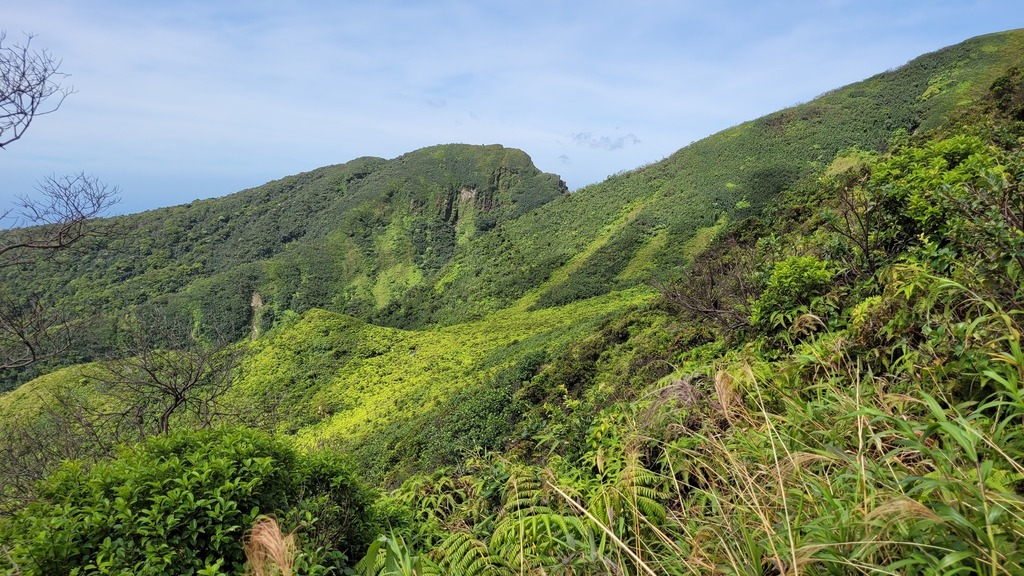
Paspalum saccharoides (Source: inaturalist)
1. Introduction & Taxonomy
Paspalum saccharoides is a striking tropical grass that commands attention with its large, feathery, drooping inflorescences that cascade like silvery-white plumes from tall, cane-like stems. Native to the warm regions of the Americas from the southern United States through Central and South America, this sugar cane relative brings a touch of tropical grandeur to any landscape. Its robust stature and dramatic flower display make it a natural focal point in large gardens and public spaces.
Paspalum saccharoides is a tall, robust perennial grass growing 100-200 cm tall, with thick, cane-like culms and broad, flat leaves up to 2 cm wide that give it a sugarcane-like appearance. The foliage is medium to dark green, with a prominent pale midrib. The inflorescence is the main ornamental feature: a large, terminal panicle composed of numerous slender racemes bearing densely silky-hairy spikelets. The long, silvery-white silky hairs give the entire inflorescence a feathery, plume-like appearance that droops gracefully under its own weight. In sunlight, the plumes shimmer and glow, creating a spectacular display that can persist for weeks. The overall plant habit is upright and slightly arching, creating an impressive vertical presence.
Taxonomic Classification
Habitat and Distribution
Paspalum saccharoides is native to the tropical and subtropical Americas, ranging from the southern United States (Texas, Louisiana) through Mexico, Central America, and the Caribbean to South America (as far south as Argentina). It grows in moist to wet habitats including riverbanks, marshes, wet meadows, and seasonally flooded grasslands.
Botanical Note: Poaceae (the grass family) is one of the largest and most ecologically important plant families, with over 12,000 species worldwide. True grasses have hollow, jointed culms (stems), narrow leaves with parallel veins and a distinctive ligule where the blade meets the sheath, and flowers reduced to spikelets arranged in panicles, racemes, or spikes. Ornamental grasses from this family are prized for their graceful movement, feathery inflorescences, and seasonal colour changes.
Native Range & Distribution Map
The map below shows the native range and notable cultivation regions for Paspalum saccharoides.
2. Biology & Morphology
<\!-- SIZE_COMPARISON_SVG -->Growth Form & Architecture
Paspalum saccharoides is a clumping true grass (Poaceae) with hollow, jointed culms, narrow leaves with parallel veins, and a distinctive ligule.
Species-Specific Morphology
Paspalum saccharoides is a tall, robust perennial grass growing 100-200 cm tall, with thick, cane-like culms and broad, flat leaves up to 2 cm wide that give it a sugarcane-like appearance. The foliage is medium to dark green, with a prominent pale midrib. The inflorescence is the main ornamental feature: a large, terminal panicle composed of numerous slender racemes bearing densely silky-hairy spikelets. The long, silvery-white silky hairs give the entire inflorescence a feathery, plume-like appearance that droops gracefully under its own weight. In sunlight, the plumes shimmer and glow, creating a spectacular display that can persist for weeks. The overall plant habit is upright and slightly arching, creating an impressive vertical presence.
Inflorescence & Flower Structure
Grass flowers are highly reduced and arranged in spikelets, with wind pollination as the primary reproductive strategy.
Key Characteristics
- Height: 0.5-2m
- Growth Habit: Clumping / Caespitose
- Growth Rate: Fast under optimal conditions
- Life Cycle: Perennial
- Toxicity: Non-toxic. The young shoots are edible and mildly sweet. The grass is also used as livestock forage in parts of its native range. Safe around children and pets.
- Conservation Status: Least Concern. Widely distributed and common across its extensive range in the Americas. Not considered threatened in any part of its native habitat.
3. Reproduction & Propagation
<\!-- PROPAGATION_METHODS_SVG -->Primary propagation methods for Paspalum saccharoides: Seed or vegetative division.
Propagating Paspalum saccharoides
Division of established clumps in spring is the most reliable propagation method. Use a sharp spade to separate sections with strong roots and several culm bases. Replant immediately in moist, fertile soil and water well until established. Seed propagation is possible but less commonly used: collect the silky seeds when ripe and sow on the surface of moist seed-starting mix at 25-30C. Germination can be erratic and may take 2-6 weeks.
Vegetative Propagation
Propagated by clump division in spring or early summer.
Propagation Tip: Division of established clumps in spring gives the fastest results.
4. Cultivation Requirements
<\!-- CULTIVATION_SVG -->Soil / Substrate
Well-draining, moderately fertile soil. A mix of garden loam, compost, and coarse sand.
Watering
Moderate to high. Prefers consistently moist soil and tolerates periodic waterlogging. In garden settings, water regularly during the growing season, especially during hot, dry weather. Can tolerate brief drought once established but performs best with reliable moisture.
Light Requirements
Full sun to partial shade. Most ornamental grasses perform best in full sun with at least 6 hours of direct light daily.
Temperature
- Optimal Growth: 18-30°C (65-86°F)
- Minimum Tolerance: -12°C (10°F)
- USDA Hardiness: Zones 8-11
Fertilization
Apply a balanced slow-release fertilizer in spring. Most grasses are light feeders.
Common Cultivation Mistake: Over-watering and over-fertilizing promote weak, floppy growth. These plants prefer lean conditions.
Seasonal Care Calendar
Follow this season-by-season guide for optimal care timing throughout the year.
🌱 Spring (March–May)
Cut back old culms to ground level before new growth emerges. Apply a generous dressing of compost or balanced fertilizer to fuel vigorous new growth.
☀️ Summer (June–August)
Peak growing season. Water regularly, especially during dry spells. Flowering begins in mid to late summer. Feed monthly with dilute liquid fertilizer.
🍂 Fall (September–November)
Enjoy the spectacular plume display. Reduce watering as growth slows. In marginal climates, apply a thick mulch around the base for winter protection.
❄️ Winter (December–February)
In tropical areas, may remain semi-evergreen. In temperate zones, dies back to the roots. Hardy to approximately -5C (23F) with mulch protection.
5. Diseases & Pests
Below are the most common pests and diseases affecting Paspalum saccharoides and how to manage them.
Sugarcane aphid
Yellow-green aphids may colonize leaves and stems, producing honeydew. Spray with strong water jets or apply insecticidal soap.
Leaf blight
Brown, water-soaked lesions on leaves can occur in very humid conditions. Remove affected foliage and ensure good air circulation.
Stem borers
Larvae of certain moths may bore into the thick culms, causing dieback of individual stems. Remove and destroy affected stems.
IPM: (1) Choose the right species for your conditions. (2) Maintain good air circulation. (3) Cut back dead foliage in late winter. (4) Most ornamental grasses are remarkably pest-free when well-sited.
6. Indoor Growing Guide
Paspalum saccharoides can be grown in containers and brought indoors during winter in cold climates.
Container Selection
Use containers with adequate drainage holes. Terra cotta pots provide good drainage and stability.
Indoor Light
Place in the brightest available location. Most grasses need at least 4-6 hours of direct or bright indirect light.
Indoor Success Key: Bright direct light is the single most important factor for growing grasses indoors.
7. Landscape Use & Design
Paspalum saccharoides provides graceful movement, fine texture, and seasonal interest in the landscape.
Design Applications
- Waterside and pond margins
- Tropical garden focal points
- Screen or windbreak plantings
- Large container specimen
- Erosion control along waterways
- Public park and boulevard plantings
Companion Planting
These species pair well with Paspalum saccharoides in garden settings:
- Canna indica
- Hedychium coronarium
- Thalia dealbata
- Cyperus papyrus
- Miscanthus sinensis
Design Principle: Ornamental grasses are at their most magical when backlit by low sun. Position where morning or evening light illuminates inflorescences from behind.
8. Cold Climate Strategies
Paspalum saccharoides tolerates cold to USDA Zone 8. Winter protection or container culture may be needed in colder areas.
Hardiness Thresholds
- USDA Zones: 8-11
- Minimum Survival Temperature: -12°C (10°F)
Overwintering Options
- Leave in Place (hardy species): Cut back dead foliage in late winter. Apply 5-10 cm of mulch around the crown.
- Container Culture: Move potted plants to a frost-free location for winter.
- Mulching: Apply thick straw or bark mulch over the crown after the first hard frost.
Winter Survival Rule: Most grass losses occur from wet cold. Ensure excellent drainage through winter.
Winter Care Tip: In tropical areas, may remain semi-evergreen. In temperate zones, dies back to the roots. Hardy to approximately -5C (23F) with mulch protection.
9. Ethnobotany & Cultural Significance
In tropical America, Paspalum saccharoides is a common and conspicuous component of wet grasslands, riverbanks, and disturbed ground. Indigenous peoples recognized it as an indicator of fertile, well-watered soils. The common name 'Sugar Cane Grass' reflects not only its physical resemblance to sugar cane (Saccharum officinarum) but also the slightly sweet taste of its young shoots. In rural areas of Central and South America, it is sometimes used as emergency fodder for livestock and as thatching material. In ornamental horticulture, it is gaining recognition as a dramatic accent grass for tropical and subtropical garden designs.
Conservation Note: Many grass, sedge, and rush species play critical ecological roles as habitat providers, soil stabilizers, and water filtration agents. By growing Paspalum saccharoides, you contribute to maintaining awareness of these often-overlooked botanical workhorses.
Did You Know?
- The species name 'saccharoides' means 'sugar-like,' referring to both its physical resemblance to sugar cane and the sweet quality of its young shoots.
- In some parts of South America, children chew the young stems for their mildly sweet flavor, much as sugar cane is chewed.
- The silky plumes were historically used in tropical America for stuffing pillows and mattresses, similar to the use of cattail down.
- A single inflorescence can contain thousands of tiny spikelets, each equipped with a tuft of silky hairs for wind dispersal.
Frequently Asked Questions
How large does it get?
It can reach 150-200 cm tall and 100-150 cm wide in ideal conditions, forming an impressive clump. The feathery inflorescences add additional height.
Does it need wet soil?
It tolerates a range of moisture levels but performs best in consistently moist to occasionally wet soil. It naturally grows near water sources and in seasonally flooded areas.
Is it cold hardy?
Marginally hardy in USDA zone 8b with protection. Reliable in zones 9-11. In cooler areas, grow in a large container that can be moved to shelter for winter.
Is it related to sugar cane?
Both are in the grass family Poaceae but in different genera. The resemblance in growth habit and the slightly sweet young stems are convergent features rather than close kinship.
Summary & Key Takeaways
Paspalum saccharoides, is a clumping member of the genus Paspalum (Poaceae), native to the tropical and subtropical Americas.
Key Points to Remember:
- Propagation: Seed or clump division
- Light: Full sun for most species
- Substrate: Well-draining, moderately fertile
- Watering: Moderate — avoid overwatering
- Hardiness: USDA Zones 8-11, minimum -12°C (10°F)