Flagellaria neocaledonica: Complete Grass Growing Guide
Flagellaria neocaledonica
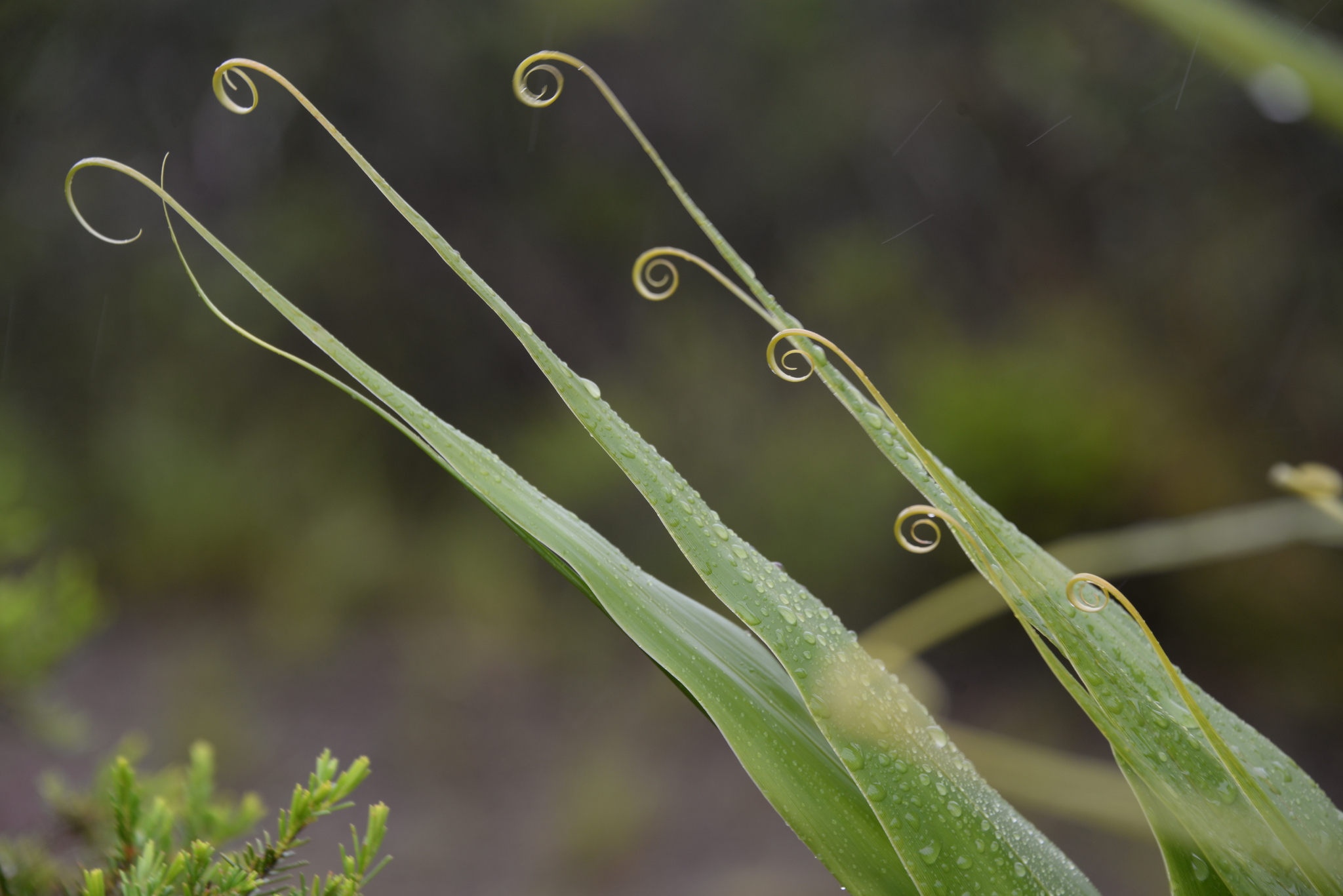
Flagellaria neocaledonica (Source: gbif)
1. Introduction & Taxonomy
New Caledonian Whip Vine is a rare and visually striking climbing plant endemic to the ancient forests of New Caledonia, where it combines the lush, broad-leaved appearance of a ginger with the scrambling, cane-like growth of a bamboo. This botanical curiosity represents an isolated lineage on one of the world's most botanically extraordinary islands. Its rarity in cultivation and the spectacular biodiversity of its island home make it a plant of great fascination to tropical collectors and conservation botanists alike.
Flagellaria neocaledonica is a robust climbing monocot reaching 5-12 m, with slender, cane-like stems branching as they ascend through the forest canopy. The leaves are broad and lanceolate, 10-25 cm long and 3-6 cm wide, with a glossy, deep green surface and prominent parallel venation reminiscent of ginger or Heliconia foliage. Each leaf terminates in a modified coiling tendril used for climbing. The inflorescence is a terminal branched panicle bearing small whitish flowers, followed by rounded drupes that ripen to red or dark purple. The overall growth form suggests a hybrid aesthetic between a tropical ginger and a climbing bamboo.
Taxonomic Classification
Habitat and Distribution
Endemic to the tropical moist forests and maquis shrublands of New Caledonia, a French territory in the southwestern Pacific Ocean. It grows in lowland to montane forests, often on ultramafic (serpentine) soils derived from the island's ancient geological substrate.
Botanical Note: Flagellariaceae is a small family of climbing monocots with just one genus, Flagellaria, containing about 4 species. These unusual grass relatives climb using coiling leaf-tip tendrils, reaching high into the tropical forest canopy. Their strong, flexible stems have been used for weaving and cordage by indigenous peoples across the tropics.
Native Range & Distribution Map
The map below shows the native range and notable cultivation regions for Flagellaria neocaledonica.
2. Biology & Morphology
<\!-- SIZE_COMPARISON_SVG -->Growth Form & Architecture
Flagellaria neocaledonica is an unusual climbing monocot in the family Flagellariaceae that uses coiling leaf-tip tendrils to ascend into the forest canopy.
Species-Specific Morphology
Flagellaria neocaledonica is a robust climbing monocot reaching 5-12 m, with slender, cane-like stems branching as they ascend through the forest canopy. The leaves are broad and lanceolate, 10-25 cm long and 3-6 cm wide, with a glossy, deep green surface and prominent parallel venation reminiscent of ginger or Heliconia foliage. Each leaf terminates in a modified coiling tendril used for climbing. The inflorescence is a terminal branched panicle bearing small whitish flowers, followed by rounded drupes that ripen to red or dark purple. The overall growth form suggests a hybrid aesthetic between a tropical ginger and a climbing bamboo.
Inflorescence & Flower Structure
The inflorescence structure varies across grass-related families.
Key Characteristics
- Height: 0.5-2m
- Growth Habit: Climbing / Scandent
- Growth Rate: Moderate under optimal conditions
- Life Cycle: Perennial
- Toxicity: Non-toxic. Like its relative F. indica, the plant is considered safe. Stems have been traditionally used for weaving by Kanak communities.
- Conservation Status: Vulnerable to Near Threatened due to its restricted range in New Caledonia. Threatened by mining, fire, invasive species (particularly deer), and habitat conversion. Protected within several nature reserves.
3. Reproduction & Propagation
<\!-- PROPAGATION_METHODS_SVG -->Primary propagation methods for Flagellaria neocaledonica: Seed or vegetative division.
Propagating Flagellaria neocaledonica
Flagellaria neocaledonica is propagated by fresh seed or stem cuttings, though material is rarely available. Clean ripe fruits of their flesh and sow immediately on warm, moist, well-drained tropical substrate at 25-30°C. Germination is slow, taking 6-16 weeks. Semi-hardwood stem cuttings with 2-3 nodes can be rooted under mist in humid, warm conditions. Air layering of established stems is also possible. Given the species' rarity, propagation efforts are particularly valuable for conservation and botanical collections.
Vegetative Propagation
Propagated by clump division in spring or early summer.
Propagation Tip: Division of established clumps in spring gives the fastest results.
4. Cultivation Requirements
<\!-- CULTIVATION_SVG -->Soil / Substrate
Well-draining, moderately fertile soil. A mix of garden loam, compost, and coarse sand.
Watering
Moderate to high. Requires consistent moisture and high humidity, reflecting its tropical forest habitat. Does not tolerate drought or dry air.
Light Requirements
Full sun to partial shade. Most ornamental grasses perform best in full sun with at least 6 hours of direct light daily.
Temperature
- Optimal Growth: 18-30°C (65-86°F)
- Minimum Tolerance: -29°C (-20°F)
- USDA Hardiness: Zones 5-9
Fertilization
Apply a balanced slow-release fertilizer in spring. Most grasses are light feeders.
Common Cultivation Mistake: Over-watering and over-fertilizing promote weak, floppy growth. These plants prefer lean conditions.
Seasonal Care Calendar
Follow this season-by-season guide for optimal care timing throughout the year.
🌱 Spring (March–May)
Begin regular feeding with balanced organic fertilizer. Provide strong climbing support. Increase watering as growth resumes.
☀️ Summer (June–August)
Peak growing season with vigorous stem extension. Maintain consistent moisture and humidity. Train stems toward support structures.
🍂 Fall (September–November)
Fruits ripen on flowering stems. Reduce fertilization as growth slows. Monitor for pests in greenhouse culture.
❄️ Winter (December–February)
Protect from temperatures below 10°C. Reduce watering but maintain humidity. In tropical climates, growth continues year-round.
5. Diseases & Pests
Below are the most common pests and diseases affecting Flagellaria neocaledonica and how to manage them.
Scale Insects
Armored and soft scale species may colonize stems and leaf undersides, producing honeydew and attracting sooty mold.
Leaf Spot
Fungal pathogens can cause dark lesions on leaves during extended wet periods in poorly ventilated conditions.
Root Rot
Poorly drained soils or container conditions can promote root rot pathogens, especially Phytophthora species.
Mites
Spider mites may infest plants grown in dry indoor or greenhouse conditions, causing stippled, bronzed foliage.
IPM: (1) Choose the right species for your conditions. (2) Maintain good air circulation. (3) Cut back dead foliage in late winter. (4) Most ornamental grasses are remarkably pest-free when well-sited.
6. Indoor Growing Guide
Flagellaria neocaledonica can be grown in containers and brought indoors during winter in cold climates.
Container Selection
Use containers with adequate drainage holes. Terra cotta pots provide good drainage and stability.
Indoor Light
Place in the brightest available location. Most grasses need at least 4-6 hours of direct or bright indirect light.
Indoor Success Key: Bright direct light is the single most important factor for growing grasses indoors.
7. Landscape Use & Design
Flagellaria neocaledonica provides graceful movement, fine texture, and seasonal interest in the landscape.
Design Applications
- Tropical conservatory or greenhouse specimen
- Botanical garden collection plant
- New Caledonian themed garden in tropics
- Pergola or arbor covering in frost-free climates
- Conservation ex situ collection
- Ethnobotanical display garden
Companion Planting
These species pair well with Flagellaria neocaledonica in garden settings:
- Amborella trichopoda
- Araucaria columnaris
- Xeronema moorei
- Pandanus tectorius
- Cyathea intermedia
Design Principle: Ornamental grasses are at their most magical when backlit by low sun. Position where morning or evening light illuminates inflorescences from behind.
8. Cold Climate Strategies
Flagellaria neocaledonica shows good cold tolerance and can be grown outdoors year-round in many temperate climates.
Hardiness Thresholds
- USDA Zones: 5-9
- Minimum Survival Temperature: -29°C (-20°F)
Overwintering Options
- Leave in Place (hardy species): Cut back dead foliage in late winter. Apply 5-10 cm of mulch around the crown.
- Container Culture: Move potted plants to a frost-free location for winter.
- Mulching: Apply thick straw or bark mulch over the crown after the first hard frost.
Winter Survival Rule: Most grass losses occur from wet cold. Ensure excellent drainage through winter.
Winter Care Tip: Protect from temperatures below 10°C. Reduce watering but maintain humidity. In tropical climates, growth continues year-round.
9. Ethnobotany & Cultural Significance
As an endemic species of New Caledonia, Flagellaria neocaledonica is part of one of the world's most remarkable floras, with over 75% of the island's plants found nowhere else on Earth. The Kanak people of New Caledonia have traditionally used Flagellaria stems for lashing, weaving, and construction in their customary architecture. The plant represents the deep botanical heritage of this biodiversity hotspot and is increasingly recognized in conservation efforts to protect New Caledonia's unique ecosystems.
Conservation Note: Many grass, sedge, and rush species play critical ecological roles as habitat providers, soil stabilizers, and water filtration agents. By growing Flagellaria neocaledonica, you contribute to maintaining awareness of these often-overlooked botanical workhorses.
Did You Know?
- New Caledonia is home to Amborella trichopoda, considered the most basal living flowering plant, and Flagellaria neocaledonica shares these ancient forests.
- The island's ultramafic soils, rich in nickel and chromium, have driven remarkable plant diversification and endemism.
- Flagellaria is one of only three genera in the family Flagellariaceae, a small family of climbing monocots.
- New Caledonia has been an island since the late Cretaceous period, approximately 85 million years, giving its flora extraordinary time to evolve in isolation.
Frequently Asked Questions
How does it differ from Flagellaria indica?
F. neocaledonica is endemic to New Caledonia with typically broader, more ginger-like leaves and a more restricted distribution compared to the pantropical F. indica. It also tends to be slightly less vigorous in cultivation.
Can it be grown outside the tropics?
Only in heated greenhouses or warm conservatories in temperate regions. It requires minimum temperatures above 10°C and high humidity year-round.
Is it available in cultivation?
Rarely. It is a collector's plant occasionally available from specialist tropical plant nurseries. Seeds or plants may be sourced from botanical gardens with New Caledonian collections.
Why is New Caledonia so botanically special?
New Caledonia separated from Gondwana 85 million years ago and harbors ancient plant lineages, ultramafic soils supporting specialized flora, and over 3,400 plant species of which 75% are found nowhere else.
Summary & Key Takeaways
Flagellaria neocaledonica, is a climbing member of the genus Flagellaria (Flagellariaceae), native to variety of habitats from the Solomon Is. It shows good cold tolerance, making it suitable for temperate gardens.
Key Points to Remember:
- Propagation: Seed or clump division
- Light: Full sun for most species
- Substrate: Well-draining, moderately fertile
- Watering: Moderate — avoid overwatering
- Hardiness: USDA Zones 5-9, minimum -29°C (-20°F)