Dacrydium guillauminii (Guillaumin's Resin Yew): Complete Care & Growing Guide
Dacrydium guillauminii
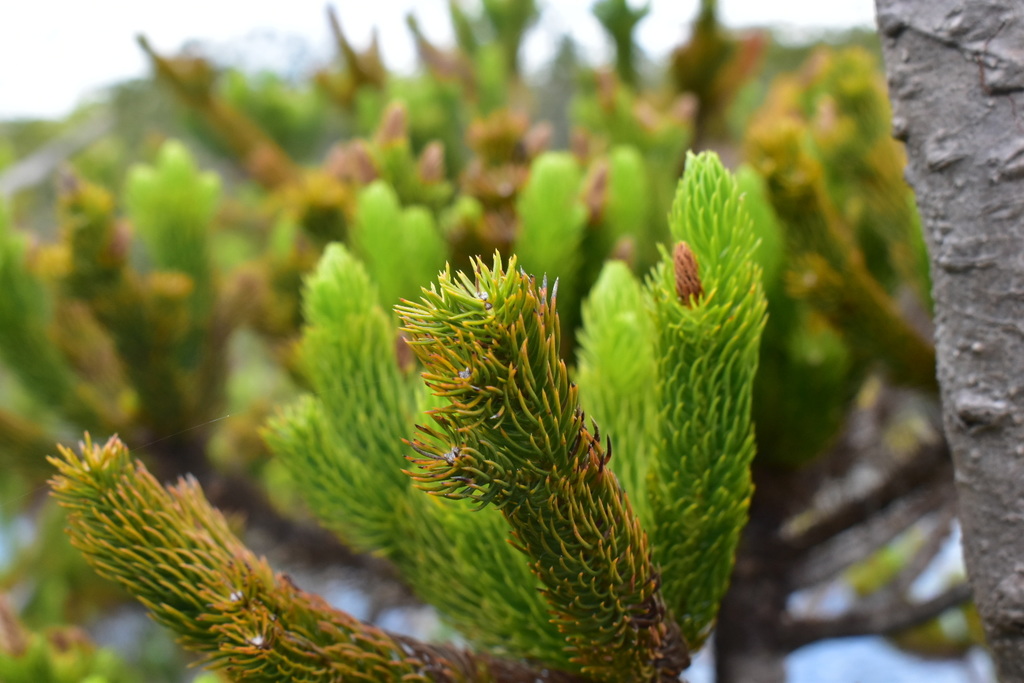
Dacrydium guillauminii (Guillaumin's Resin Yew)
1. Introduction & Taxonomy
The genus Dacrydium represents a diverse lineage of Southern Hemisphere conifers, and Dacrydium guillauminii exemplifies the group's characteristic fine-textured foliage and modest stature. Several species in this genus are notable for their tolerance of extremely poor, waterlogged soils.
Dacrydium guillauminii, commonly known as cat-tail Rimu or swamp Dacrydium, is a species of conifer in the family Podocarpaceae. It is found only in New Caledonia. It is a slow growing shrub or small tree with roots that grow in water, and reaches a height between 1 and 2 metres.
Taxonomic Classification
Habitat and Distribution
Dacrydium guillauminii is native to Distributional data for Dacrydium guillauminii is currently limited. Further field surveys and herbarium studies will help clarify its native range within the broader distribution of the genus Dacrydium.. It occurs naturally at elevations of 1-2 m, This species inhabits environments typical of its genus, from montane forests to rocky outcrops and coastal areas.
Botanical Note: The genus Pinus is the largest genus of conifers with about 120 species of evergreen trees and shrubs. Pines are characterized by their needle-like leaves held in bundles (fascicles) of 2, 3, or 5, and their woody seed cones. They are ecologically and economically among the most important tree genera in the world, dominating vast areas of boreal and montane forests across the Northern Hemisphere.
Native Range & Distribution Map
The map below shows the native range and notable cultivation regions for Dacrydium guillauminii.
2. Biology & Morphology
Growth Form & Architecture
Dacrydium guillauminii is an evergreen conifer with needle-like leaves typical of the conifer lineage. It develops the characteristic conical or pyramidal form shared by many conifers, with a straight trunk and tiered branching.
Reproductive Structures
As a gymnosperm, Dacrydium guillauminii reproduces via seeds borne on the scales of cones (or modified structures). Male (pollen) cones are typically small and short-lived, releasing clouds of wind-borne pollen in spring. Female (seed) cones are larger and may take 1-3 years to mature. The woody seed cones open when mature to release winged seeds.
Key Characteristics
- Height: 5-20m
- Growth Habit: Evergreen Conifer
- Growth Rate: Moderate under optimal conditions
- Foliage: Evergreen
Ancient Lineage: Conifers are among the oldest living plant groups, with fossils dating back over 300 million years to the Carboniferous period. They predate flowering plants by roughly 200 million years. Despite their ancient origins, conifers remain ecologically dominant in many biomes, particularly boreal forests, montane regions, and the Southern Hemisphere's cool temperate zones.
Notable Adaptations
Like all conifers, Dacrydium guillauminii is a gymnosperm — its seeds are borne exposed on cone scales rather than enclosed in an ovary as in flowering plants. This ancient reproductive strategy has proved extraordinarily successful, with conifers dominating vast forest biomes across the planet.
3. Reproduction & Propagation
The primary propagation method for Dacrydium guillauminii: Seeds.
Propagating Dacrydium guillauminii
Propagation of Dacrydium guillauminii is typically from seed, though vegetative methods may be employed for selected forms. Conifer seed viability varies considerably — some species produce recalcitrant seeds that must be sown immediately, while others can be stored dry for extended periods. Research the specific requirements of this species before sowing.
Seeds of Dacrydium guillauminii should be sown fresh when possible. Cold stratification (4-12 weeks) generally improves germination. Sow in well-draining seed mix and maintain cool, moist conditions.
Seed Stratification: Most temperate conifers require cold stratification — a period of cool, moist conditions that mimics winter and breaks seed dormancy. Place seeds in moist vermiculite or peat in a sealed bag in the refrigerator (2-5°C) for the recommended period before sowing.
Propagation Tips: (1) Sow conifer seeds fresh when possible — viability declines with storage. (2) Use a well-draining, slightly acidic seed mix. (3) Maintain cool temperatures during germination. (4) Protect seedlings from damping-off with good ventilation. (5) Transplant when large enough to handle, being careful not to disturb the taproot.
4. Cultivation Requirements
Cultivation of Dacrydium guillauminii centres on providing the drainage, light, and soil conditions appropriate to its native climate. Most conifers require full sun for optimal growth, though some genera tolerate shade. Container culture is practical for tender species in cooler climates.
Soil / Substrate
Well-draining, slightly acidic to neutral soil (pH 5.0-7.0). Most conifers prefer deep, loamy soil but tolerate a wide range of substrates. Good drainage is essential, as waterlogging causes root rot.
Watering
Water regularly during the first 2-3 years to establish a deep root system. Once established, most conifers are moderately drought-tolerant. Water deeply during prolonged dry spells, especially in summer. Avoid overwatering, which can lead to root rot.
Light Requirements
Full sun for optimal growth. Provide at least 6 hours of direct sunlight daily.
Temperature
- Optimal Growth: 15–30°C (59–86°F)
- Minimum Tolerance: -5°C (23°F)
- USDA Hardiness: Zones 8-11
Fertilization
Apply a slow-release, acidifying fertilizer formulated for evergreens in early spring. Most conifers are light feeders and do not require heavy fertilization. Avoid high-nitrogen fertilizers, which promote soft, frost-susceptible growth. An annual application of sulphur or acidifying mulch helps maintain optimal soil pH.
Common Cultivation Mistake: Planting too deep is a frequent cause of conifer decline. The root flare (where the trunk meets the roots) should be at or slightly above soil level. Buried root flares lead to bark rot, suffocated roots, and eventual death. Also avoid piling mulch against the trunk ('volcano mulching').
5. Diseases & Pests
The main pest and disease concerns for Dacrydium guillauminii include root rot from poor drainage, foliar pests (scale, mites, adelgids), and fungal needle diseases in humid conditions. Maintain good drainage, appropriate spacing for air circulation, and tree vigour through proper care. Stressed trees are significantly more susceptible to secondary pest and disease attack.
Major Problems
Root Rot (Phytophthora / Armillaria)
The most common cause of conifer death in cultivation. Caused by waterlogged soil and fungal infection. Symptoms include yellowing, browning, and progressive dieback. Prevention: ensure excellent drainage and avoid overwatering.
Needle Blight / Cast
Various fungal diseases cause needle browning, often starting from the base of the tree. Improve air circulation, remove fallen debris, and apply copper-based fungicide in severe cases.
Common Pests
- Bark Beetles — Bore into trunks and branches of stressed trees. Keep trees healthy through proper watering and avoid wounding. Remove and destroy infested branches.
- Spider Mites — Cause needle yellowing and bronzing, especially in dry conditions. Spray with water to dislodge, or use miticide for heavy infestations.
- Adelgids / Woolly Aphids — White, cottony masses on needles and bark. Treat with horticultural oil or insecticidal soap.
- Scale Insects — Brown bumps on needles and bark. Treat with horticultural oil during the crawler stage.
Prevention: (1) Choose species appropriate to your climate and soil. (2) Plant in well-drained soil. (3) Avoid root disturbance and trunk wounds. (4) Maintain good air circulation. (5) Water during drought but do not overwater. Stressed conifers are far more susceptible to pest and disease attack.
Additional Disease & Pest Considerations
Good cultural practices are the foundation of disease prevention in conifers. Ensure adequate drainage, avoid overwatering, maintain appropriate spacing for air circulation, and remove and destroy diseased material promptly. A healthy, vigorous tree is far more resistant to pest and disease attack than a stressed one.
6. Indoor Growing Guide
Indoor cultivation of Dacrydium guillauminii is feasible only in very bright, cool conditions. Most conifers require full sun and outdoor air circulation for healthy growth. A cool conservatory or alpine house with maximum light is the most suitable indoor environment for conifers.
Container Selection
Use a deep container with excellent drainage. Conifers develop deep root systems and resent sitting in waterlogged soil. Terracotta or concrete pots provide weight for stability and allow moisture to evaporate through the walls.
Indoor Light
Maximum light is essential. Place in the brightest window available (south-facing in the Northern Hemisphere). Most conifers need at least 6 hours of direct sunlight daily. Full-spectrum grow lights on a 14-hour timer can supplement natural light in winter.
Winter Requirements
Many temperate conifers require a cool dormancy period (0-10°C) in winter. Without this, they weaken and become susceptible to pests and diseases. An unheated garage, cold greenhouse, or sheltered outdoor position provides ideal winter conditions for container-grown conifers.
Bonsai Potential
Dacrydium guillauminii can potentially be trained as bonsai, though it is less commonly used than the classic conifer bonsai species.
Indoor Success Key: Cool temperatures and maximum light are the critical factors for indoor conifer success. Conifers are not tropical houseplants — they need fresh air, bright light, and cool winter conditions. A cool, bright conservatory or unheated porch is far more successful than a warm living room.
Species-Specific Indoor Tips
Container-grown conifers benefit from seasonal outdoor placement during the warm months. The combination of full sun, natural rainfall, and outdoor air circulation produces significantly better growth than year-round indoor conditions.
7. Landscape Use & Design
In landscape design, Dacrydium guillauminii serves as an excellent specimen tree, providing evergreen structure, screening, and the distinctive character that mature conifers bring to any garden. Position in full sun with adequate space for canopy development.
Design Applications
- Specimen Tree: The natural form of many conifers — pyramidal, columnar, or spreading — creates beautiful focal points without pruning.
- Windbreak / Screen: Dense, evergreen conifers are ideal for creating year-round privacy screens and windbreaks that protect gardens from harsh weather.
- Foundation Planting: Dwarf and compact cultivars provide structure near buildings without growing too large.
- Rock Garden: Dwarf and prostrate conifers are essential elements of rock gardens and alpine plantings.
Companion Planting
Create stunning compositions by pairing with:
- Heathers & Heaths — acid-loving companions that share cultural needs
- Ornamental Grasses — textural contrast with conifer forms
- Rhododendrons & Azaleas — fellow acid-soil lovers with spring colour
- Deciduous Trees — conifers provide winter structure when deciduous partners are bare
- Ferns — natural woodland understorey beneath conifer canopy
- Ground Cover Plants — low-growing companions beneath taller conifers
Design Principle: Conifers provide the permanent evergreen framework of a garden. Place them first when designing, then add deciduous trees, shrubs, and perennials around them. The year-round presence of conifers ensures the garden never looks empty or formless, even in the depths of winter.
Species-Specific Design Ideas
Site Dacrydium guillauminii where its qualities can be best appreciated — as a specimen against a neutral background, at the end of a path or vista, or beside a seating area where the foliage texture and bark character can be observed at close range.
8. Cold Climate Strategies
Dacrydium guillauminii can be cultivated in temperate climates with appropriate winter protection. The minimum survival temperature is approximately -5°C (23°F). Good drainage is essential — cold, wet soils kill conifer roots far more effectively than cold, dry conditions.
Hardiness Thresholds
- USDA Zones: 8-11
- Minimum Survival Temperature: -5°C (23°F)
Winter Protection
- Snow Load: Heavy, wet snow can break branches. Gently brush off accumulated snow from pyramidal species. Avoid shaking, which can cause branch snapping.
- Winter Burn: Evergreen needles can desiccate in cold, dry, windy weather when the ground is frozen. Apply anti-desiccant spray in late autumn. Water deeply before ground freezes.
- Mulching: Apply 8-10 cm of organic mulch around the root zone (not touching the trunk) to insulate roots from extreme cold and reduce freeze-thaw cycles.
- Container Plants: Protect containerized conifers from root freezing by insulating pots with bubble wrap or burlap, or sinking pots into the ground for winter.
Winter Survival Rule: The greatest cold-climate risk for conifers is not freezing itself but winter desiccation — when cold, dry winds remove moisture from needles faster than frozen roots can replace it. Watering deeply before the ground freezes and applying anti-desiccant spray are the most effective preventive measures.
Additional Winter Protection
In all cases, good drainage is more important than any amount of insulation. Cold, wet soils kill conifer roots far more effectively than cold, dry conditions. Ensure excellent drainage at the planting site and consider raising the planting area on a mound in heavy soils.
9. Ethnobotany & Cultural Significance
The ethnobotanical significance of Dacrydium guillauminii reflects the broader importance of conifers in human cultures, where they serve as sources of timber, fuel, medicine, food, and spiritual symbolism. Conifer forests are among the most economically important ecosystems on Earth. The conservation of conifer diversity depends on both habitat protection in the wild and responsible cultivation ex situ. Growing Dacrydium guillauminii from legally sourced material contributes to the long-term preservation of this species and raises awareness of the distinct diversity of the gymnosperm world.
Conservation Note: Many conifer species are threatened by habitat loss, climate change, and over-exploitation. Several species in this collection are classified as endangered or critically endangered on the IUCN Red List. By growing Dacrydium guillauminii from responsibly sourced seeds, you contribute to the ex-situ conservation of these ancient lineages.
Frequently Asked Questions
How fast does Guillaumin's Resin Yew grow?
Specific growth rate data for Dacrydium guillauminii is limited, but most conifers are slow to moderate growers that accelerate once established. Expect the best growth in well-drained soil with full sun and adequate moisture during the growing season.
How cold-hardy is Guillaumin's Resin Yew?
Dacrydium guillauminii is estimated to be suitable for USDA zones 8-11, tolerating temperatures down to approximately -5°C (23°F). In colder climates, container cultivation with indoor overwintering or careful siting in a sheltered microclimate may be necessary.
What soil does Guillaumin's Resin Yew need?
Dacrydium guillauminii performs best in well-drained soil. Most conifers prefer slightly acidic conditions, though some genera (including junipers and yews) tolerate alkaline soils. Excellent drainage is the single most important soil requirement for virtually all conifers.
How much water does Guillaumin's Resin Yew need?
Water Dacrydium guillauminii regularly during the growing season, ensuring the soil remains moist but never waterlogged. Good drainage is essential — root rot from overwatering is the most common cause of conifer death in cultivation. Reduce watering during the dormant winter season.
Can Guillaumin's Resin Yew be grown in a container?
Dacrydium guillauminii can be grown in a container, especially in cooler climates where indoor overwintering may be necessary. Use a large, well-drained pot with an acidic growing mix. Be aware that the tree may eventually outgrow container culture and require a permanent in-ground position.
What pests affect Guillaumin's Resin Yew?
Common conifer pests include scale insects, adelgids, bark beetles, spider mites, and caterpillars. Root rot from waterlogged soil is the most serious disease concern. Good cultural practices — adequate drainage, appropriate watering, and maintaining tree vigour — prevent most problems.
Is Guillaumin's Resin Yew good for timber?
The timber value of Dacrydium guillauminii depends on the species' growth rate, wood density, and natural durability. Conifers as a group provide the majority of the world's commercial timber (softwood). Some species produce high-value specialty timber, while others are primarily ornamental. Research the specific wood qualities of this species for timber potential.
Does Guillaumin's Resin Yew need full sun?
Yes, most conifers perform best in full sun, which promotes the densest growth and strongest form. Some genera (notably yews, podocarps, and plum yews) tolerate shade. In very hot climates, afternoon shade may benefit some species during the hottest months.
Summary & Key Takeaways
Dacrydium guillauminii is a distinctive member of the genus Dacrydium. Hardy to approximately -5°C (23°F) (USDA zones 8-11), it can be grown in suitable climates with appropriate winter protection.
Key Points to Remember:
- Propagation: Seeds
- Light: Full sun for most species
- Substrate: Well-draining, slightly acidic soil
- Watering: Regular during establishment; drought-tolerant once mature
- Hardiness: USDA Zones 8-11, minimum -5°C (23°F)
- Key Feature: Evergreen structure and year-round garden presence