Vatricania guentheri: Complete Care & Growing Guide
Vatricania guentheri
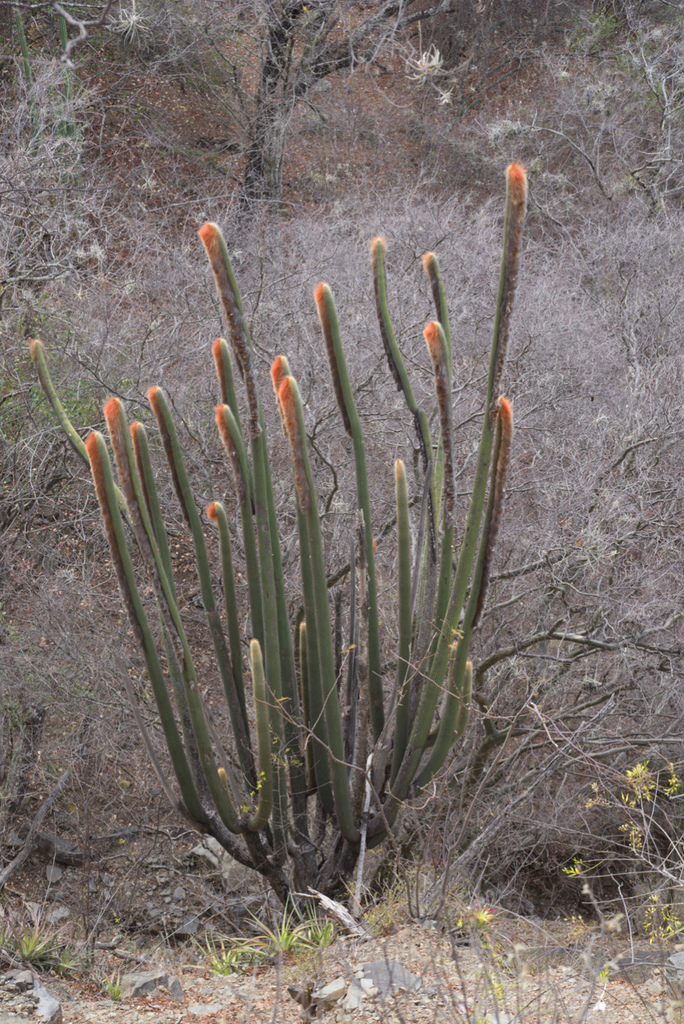
Vatricania guentheri
1. Introduction & Taxonomy
Vatricania guentheri is a distinctive member of the genus Vatricania that exemplifies the distinct adaptations of the cactus family, from its succulent water-storing stems to its areoles bearing specialized spines. Its natural range in Bolivia provides important clues to its preferred growing conditions.
This attractive columnar catus from the foothills of the Andes in central and southern Bolivia between 800 and 1300 m forms clusters of slender stems rarely more than 2 m tall, covered in masses of thin, pale yellow spines. Older plants form a patch of orangish fur (cephalium) near the top of the stem that produces large, yellowish flowers which are followed by edible, but not particularly tasty fruits.
Taxonomic Classification
Habitat and Distribution
Vatricania guentheri is native to foothills of the Andes in central and southern Bolivia. It occurs naturally at elevations of 800-1,300 m, This species inhabits environments typical of the Cactaceae, from coastal scrub and rocky hillsides to subtropical woodlands and montane forests.
Botanical Note: The largest genus in the cactus family with over 200 species, characterised by tubercles (nipple-like projections) arranged in spirals rather than ribs. Spines emerge from areoles at the tubercle tips. Flowers form in a ring around the crown, followed by colourful berry-like fruits.
Native Range & Distribution Map
The map below shows the native range and notable cultivation regions for Vatricania guentheri.
2. Biology & Morphology
Growth Form & Architecture
Vatricania guentheri is a globular cactus with a spherical to short-cylindrical body covered in areoles bearing spines. The body is ribbed or covered in tubercles, allowing it to expand when water is plentiful and contract during drought. This efficient body plan maximizes water storage while minimizing surface area exposed to the sun.
Stem & Spine Morphology
Cactus stems are succulent, photosynthetic organs that have replaced leaves as the primary site of photosynthesis. The outer skin (epidermis) has a thick, waxy cuticle to reduce water loss, and stomata that open only at night (CAM photosynthesis). Stems are typically ribbed or covered in tubercles — the ribs allow the stem to expand and contract like an accordion as water reserves change. Areoles are the defining feature of cacti: small cushion-like structures from which spines, flowers, and new growth emerge. Spines are modified leaves that provide shade, reduce airflow, deter herbivores, and can even collect fog moisture.
Flowers & Reproduction
Cactus flowers are often large, showy, and brightly colored — ranging from vivid magentas and reds to yellows and whites. Many species produce spectacular blooms that last only a day or open only at night. Flowers typically have numerous petals and stamens. Most cacti are hermaphroditic (flowers contain both male and female parts), though many require cross-pollination from a genetically different individual for seed set. Pollination is carried out by bees, hawkmoths, hummingbirds, or bats depending on the species.
Root System
Most cacti have shallow, widespread root systems that can rapidly absorb rainfall from a large area. Some species also develop a thick taproot for anchoring and deeper water access. Epiphytic cacti have aerial roots for clinging to host trees. The roots are highly sensitive to overwatering and will rot quickly in saturated soil, which is why excellent drainage is critical in cultivation.
Key Characteristics
- Height: 0.1-15m
- Growth Habit: Globular Cactus
- Growth Rate: Slow under optimal conditions
- Reproductive Type: Hermaphroditic flowers (most species)
Anatomical Insight: Cactus stems contain specialized water-storage tissue (parenchyma) that can hold enormous quantities of water relative to the plant's size. The thick, waxy epidermis and sunken stomata minimize transpiration. CAM (Crassulacean Acid Metabolism) photosynthesis — where stomata open at night to absorb CO₂ and close during the day — reduces water loss by up to 90% compared to conventional photosynthesis. These adaptations make cacti among the most drought-resistant plants on Earth.
Notable Adaptations
Like all cacti, Vatricania guentheri has evolved a suite of notable adaptations for water conservation: CAM photosynthesis allows gas exchange at night when evaporation rates are lowest; the thick, waxy cuticle minimises transcutaneous water loss; and the succulent stem parenchyma stores water that sustains the plant through months of drought.
3. Reproduction & Propagation
The primary propagation method for Vatricania guentheri: Seeds.
Propagating Vatricania guentheri
Seed is the primary propagation method for Vatricania guentheri. Sow on the surface of sterilised fine mineral substrate (e.g. crushed pumice or calcined clay) at 25–30°C. Light aids germination. The sealed baggy method maintains the high humidity needed for tiny cactus seedlings while preventing damping off. Most cactus species are self-sterile, requiring pollen from a genetically distinct individual for successful seed set. Hand pollination with a fine brush between two different clones is straightforward and reliable.
Cactus seeds are typically small and numerous, produced inside fleshy or dry fruits. Sow seeds on the surface of a fine, well-draining mineral mix (50% pumice or perlite, 50% fine sand). Keep consistently moist (not wet) under a humidity dome at 20-30°C with bright indirect light. Germination time varies widely — from a few days to several months depending on species. Cactus seedlings are tiny and vulnerable; keep them in the humidity dome for the first few months until they are large enough to handle.
Vegetative Propagation
Many cactus species can be propagated vegetatively from offsets, cuttings, or by grafting. The priority is allowing any cut surface to form a hard callus before planting, and keeping the substrate dry until roots form.
Cactus Reproduction: Cacti produce flowers that are often spectacular but sometimes short-lived (lasting only a day or night). After successful pollination, fruits develop containing numerous seeds. Many cacti are self-sterile and require cross-pollination from a genetically different plant of the same species. Some species can also reproduce vegetatively through offsets, fallen segments (Opuntia pads), or stem fragments. Grafting is a popular propagation technique used to grow slow or difficult species on faster-growing rootstock.
Propagation Tips: (1) Use fresh seeds for best germination rates. (2) Surface-sow on fine mineral substrate — do not bury seeds deeply. (3) Maintain humidity and warmth (25-30°C) for germination. (4) Always let cuttings and offsets callus completely before planting — this is the most important step for preventing rot. (5) Grafting onto Pereskiopsis or Hylocereus rootstock can dramatically speed growth of slow species.
4. Cultivation Requirements
Vatricania guentheri performs best in FULL SUN with extremely well-draining mineral substrate. A mix of 70–80% inorganic material (pumice, perlite, coarse sand, lava rock, or crusite) with 20–30% organic matter ensures the rapid drainage that cacti demand. Overwatering is the single most common cause of death in cultivation. A dry, cool winter rest (5–12°C with no water for 2–4 months) is essential for flower bud initiation in most species. Without this dormancy period, plants grow vegetatively but fail to bloom — the single most common reason collectors complain their cactus never flowers.
Soil / Substrate
Extremely well-draining, mineral-based substrate is essential for Vatricania. A mix of pumice or perlite (40-50%), coarse sand (20-30%), and a small amount of potting soil or coir (20%) works well. Many growers use even more mineral-heavy mixes for rot-prone species. The substrate should dry out completely within 1-3 days after watering. Slightly acidic to neutral pH (5.5-7.0) is ideal.
Watering
Water thoroughly but infrequently during the growing season (spring-summer) — soak the substrate completely, then allow it to dry out entirely before watering again. In winter, most cacti enter dormancy and need very little to no water. Overwatering is the number one killer of cacti in cultivation.
Light Requirements
Most Vatricania species thrive in full, direct sunlight. In habitat, they receive intense solar radiation and have evolved to handle it. Insufficient light causes etiolation (stretching) and weak, pale growth. Seedlings of all species benefit from some shade protection until established.
Temperature
- Optimal Growth: 20–35°C (68–95°F)
- Minimum Tolerance: 2°C (36°F)
- USDA Hardiness: Zones 10-12
Humidity
Desert cacti, including Vatricania, are tolerant of very low humidity and thrive in arid conditions. Good air circulation is more important than humidity — stagnant, humid air promotes fungal problems.
Fertilization
Feed with a dilute, balanced or low-nitrogen fertilizer (e.g., 5-10-10 or cactus-specific formula) during the active growing season (spring-summer). Apply at half strength every 2-4 weeks. Do not fertilize during winter dormancy. Excess nitrogen causes soft, weak growth that is prone to rot and pest attack.
Common Cultivation Mistake: Overwatering is by far the most common cause of cactus death in cultivation. Cacti evolved to survive extended drought, and their roots are highly susceptible to rot in consistently moist conditions. Always use a fast-draining mineral substrate, ensure pots have drainage holes, and never let water pool in the saucer. When in doubt, do not water.
5. Diseases & Pests
Root rot caused by Pythium, Fusarium, and Phytophthora species is the single greatest threat to Vatricania guentheri in cultivation, almost always resulting from overwatering or poorly draining substrate. Prevention through correct watering practice and mineral-heavy soil is far more effective than any chemical treatment.
Major Problems
Stem Rot (Basal / Crown Rot)
The most serious and common issue for cacti in cultivation. Caused by overwatering, poor drainage, cold + wet conditions, or physical wounds allowing fungal/bacterial entry. Affected tissue turns soft, dark, and mushy, often spreading rapidly. Prevention is far easier than cure — ensure excellent drainage, appropriate watering frequency, and avoid wetting the body in cool conditions. If caught early, rot can sometimes be stopped by cutting away all affected tissue to clean, green flesh with a sterile blade, dusting with sulfur powder, and allowing to callus completely before replanting.
Root Rot
Caused by persistently moist or waterlogged substrate, especially during cool dormancy periods. Roots turn dark and mushy. Unpot the plant, remove all dead roots, let the base dry completely, and repot into fresh, dry mineral substrate. Do not water for at least 2 weeks.
Common Pests
- Mealybugs — The most common pest of cacti. White, cottony masses between ribs, under spines, and on roots (root mealybugs). Treat with isopropyl alcohol applied directly, systemic imidacloprid, or neem oil. Root mealybugs require a systemic drench.
- Scale Insects — Brown, flat, or domed armored insects attached to the epidermis. They suck sap and weaken the plant. Remove manually or treat with systemic insecticide and horticultural oil.
- Spider Mites — Tiny arachnids that cause stippling and fine webbing, especially in hot, dry conditions. Increase air circulation, spray with water, or treat with miticide.
- Fungus Gnats — Larvae feed on roots in overly moist substrate. Let soil dry completely between waterings. Use yellow sticky traps and BTI (Bacillus thuringiensis israelensis) if needed.
Prevention: (1) Inspect new plants and their root balls thoroughly before adding to your collection. (2) Quarantine new acquisitions for at least 2-3 weeks. (3) Use mineral-heavy, fast-draining substrate. (4) Never overwater — most cactus problems stem from excess moisture. (5) Ensure good air circulation and adequate light.
Additional Disease & Pest Considerations
Mealybugs are the most persistent pest of cacti in cultivation, hiding in spine clusters, between ribs, and on roots where they are difficult to detect until populations are large. Regular inspection with a magnifying glass, systemic insecticides, or biological control with Cryptolaemus ladybirds are effective management strategies. Root mealybugs are particularly insidious — inspect roots at every repotting.
6. Indoor Growing Guide
Vatricania guentheri can be grown successfully indoors with adequate light. A south-facing window providing at least 4–6 hours of direct sunlight daily is the minimum requirement. Supplement with full-spectrum LED grow lights during winter months for best results.
Container Selection
Use a container with excellent drainage — drainage holes are absolutely essential. Terracotta or unglazed ceramic pots are ideal as they allow the substrate to dry quickly and evenly. Choose a pot only slightly larger than the root ball; cacti prefer being somewhat root-bound, and excess soil retains unwanted moisture. Shallow, wide pots (azalea pots) work well for globular and clustering species.
Indoor Light
The brightest windowsill you have — a south-facing window with direct sun is ideal for Vatricania. Cacti that receive insufficient light become etiolated (stretched and pale), losing their compact shape permanently. Supplement with full-spectrum grow lights if a bright windowsill is not available.
Humidity & Air Circulation
Desert cacti thrive in low humidity and are perfectly adapted to the dry air of heated homes. Good air circulation is more important than humidity — stagnant air promotes fungal problems.
Seasonal Indoor Care
- Spring: Resume watering gradually as growth resumes. Begin fertilizing at half strength. This is the best time to repot if needed.
- Summer: Peak growing season. Water when the substrate is completely dry. Consider moving plants outdoors to a sunny position for the summer months.
- Autumn: Reduce watering frequency and stop fertilizing. Bring outdoor plants inside before temperatures drop below 10°C.
- Winter: Most cacti need a cool, dry rest period (5-15°C) with minimal or no watering. This dormancy is essential for flowering. Keep in the brightest position available.
Indoor Success Key: Light is the single most important factor for indoor cactus success. Cacti on a dim shelf or in a north-facing window will stretch, weaken, and eventually decline. A bright south-facing windowsill, supplemented with grow lights if needed, is essential. The second key is a proper winter rest — cool and dry — which triggers spring flowering in many species.
Species-Specific Indoor Tips
Rotate the pot quarterly to ensure even, symmetrical growth. During the growing season, water thoroughly when the substrate is completely dry. In winter, withhold water entirely unless the plant shows visible signs of shrivelling. Overwatering dormant cacti is the most common cause of death indoors.
7. Landscape Use & Design
Vatricania guentheri contributes bold, sculptural form to xeriscape and desert-style garden designs. Its architectural growth habit creates instant visual impact and year-round structural interest.
Design Applications
- Desert / Xeric Garden: Cacti are the quintessential plants for water-wise desert landscapes. Combine multiple genera for textural variety — columnar, globular, barrel, and pad forms create a dynamic composition.
- Architectural Specimen: A mature columnar or barrel cactus is a living sculpture. The geometric ribs, bold spines, and dramatic silhouettes create unforgettable focal points.
- Rock Garden / Crevice Garden: Small globular and clustering species are perfect for rockeries and crevice plantings, nestled between stones where they receive reflected heat and sharp drainage.
- Container Feature: Cacti in decorative pots make stunning patio, courtyard, or entrance features. Their slow growth means they remain in scale for many years.
Companion Planting
Create stunning compositions by pairing with:
- Agaves & Aloes — bold rosette forms that contrast beautifully with columnar and globular cacti
- Yuccas & Dasylirion — dramatic linear foliage adds textural contrast
- Euphorbias — convergent evolution has produced cactus-like forms in this African genus
- Ornamental Grasses (Muhlenbergia, Nassella) — soft, flowing textures to contrast cactus rigidity
- Desert Wildflowers — seasonal color carpets beneath cacti specimens
- Ground Covers (Dymondia, Delosperma) — low, drought-tolerant carpet beneath cactus groupings
Design Principle: Cacti are living sculptures — treat them as you would a piece of garden art. Give each specimen enough space to be appreciated from all angles. Use gravel or decomposed granite mulch (never organic bark mulch, which retains moisture). Group cacti in odd numbers, varying heights and forms for visual interest. Use boulders and rock features as natural companions that echo the arid habitat.
Species-Specific Design Ideas
Combine with complementary xerophytes: Agave for bold rosette forms, Yucca for vertical accent, Aloe for winter colour in frost-free gardens, and Euphorbia for textural contrast. Gravel mulch unifies the composition and suppresses weeds while improving drainage around the root zone.
8. Cold Climate Strategies
Vatricania guentheri has limited cold tolerance typical of desert or subtropical cacti. In USDA zones 10-12, overwinter indoors or in a frost-free greenhouse. The dormant plant tolerates cool conditions (5–10°C) readily, and this cool rest actually promotes flowering. Minimum survival temperature is approximately 2°C (36°F).
Hardiness Thresholds
- USDA Zones: 10-12
- Minimum Survival Temperature: 2°C (36°F)
Overwintering Options
- Dry Cold Tolerance: Many cacti tolerate far colder temperatures than expected — provided they are completely dry. Wet soil + cold = rot and death. In-ground cacti in cold climates need rain shelters (glass or polycarbonate overhangs) during winter to keep precipitation off the root zone.
- Raised Beds & Gravel Gardens: Plant cold-hardy cacti in sharply drained raised beds filled with mineral substrate (gravel, pumice, sand). The elevation and fast drainage prevent the fatal combination of cold and wet roots.
- Container Culture: For tender species, grow in pots that can be moved to an unheated garage, cold frame, or greenhouse for winter. Most cacti are dormant in winter and need no water or light — a cool, dry space above 0°C is sufficient.
- Microclimate Selection: Plant near south-facing walls, under eaves, or on slopes where reflected heat and wind protection create milder, drier conditions. Dark stone or gravel mulch absorbs and re-radiates heat.
Winter Survival Rule: The golden rule for cold-hardy cacti: dry cold is survivable; wet cold is lethal. Even the hardiest Opuntia or Echinocereus will rot if its roots sit in cold, wet soil. Drainage is more important than temperature protection. In regions with wet winters, overhead rain protection is essential for in-ground plantings. Hardy cacti that have survived -30°C (-22°F) in the wild die at -5°C (23°F) in a soggy garden bed.
Additional Winter Protection
In regions with wet winters, a simple overhead rain cover (clear corrugated polycarbonate on a frame) that keeps winter rain off the plants while allowing air circulation is the most cost-effective winter protection investment. Many growers report this single measure reduces winter losses to near zero.
9. Ethnobotany & Cultural Significance
In South America, cacti including species related to Vatricania guentheri have long been used by indigenous peoples for food, medicine, and construction. The columnar species provide edible fruits and wood-like dried stems used for building and fuel. The hallucinogenic San Pedro cactus (Echinopsis pachanoi) has been used in Andean ceremonial practices for over 3,000 years. Wild populations of Vatricania guentheri, like those of many cactus species, face increasing pressure from habitat destruction, agricultural conversion, illegal collection, and climate change. All cacti (except Pereskia, Pereskiopsis, and Rhipsalis baccifera) are listed under CITES Appendix II, requiring export permits to regulate international trade.
Conservation Note: Many cacti are threatened by habitat destruction, climate change, and illegal collection. Numerous species are listed under CITES (Convention on International Trade in Endangered Species), and many are critically endangered in the wild. Cacti are keystone species in arid ecosystems, providing food and shelter for birds, bats, insects, and other wildlife. By growing Vatricania guentheri from legally sourced, nursery-propagated material, you contribute to the conservation of these notable plants and reduce pressure on wild populations.
Frequently Asked Questions
How often should I water Vatricania guentheri?
During the active growing season (spring through early autumn), water Vatricania guentheri thoroughly when the substrate is completely dry — typically every 7—14 days depending on temperature, pot size, and substrate. In winter, withhold water entirely during the dormant period. Overwatering is the single most common cause of cactus death.
Why isn't my Vatricania guentheri flowering?
The most common reason is lack of a proper winter rest period. Vatricania guentheri, like most cacti, requires a cool (5–12°C), dry, bright dormancy of 2–4 months to initiate flower buds. Without this cold, dry rest, the plant grows vegetatively but does not flower. Insufficient light is the second most common cause — ensure maximum direct sunlight year-round.
How do I repot Vatricania guentheri without getting hurt?
Wrap the cactus body in a thick band of folded newspaper, bubble wrap, or a strip of old carpet to grip it safely. Leather gloves provide some protection but are not sufficient for heavily spined species. For large specimens, use loops of thick rope or webbing to lift. Repot every 2–3 years in spring, into a pot only slightly larger, using fresh mineral-heavy substrate.
How fast does Vatricania guentheri grow?
Growth rate varies with conditions. Vatricania guentheri grows most actively in spring and summer with adequate light, warmth, and water. Expect modest but steady growth each season. Cacti are not fast growers by conventional standards — measuring growth in millimetres rather than centimetres is normal.
Can Vatricania guentheri grow indoors or outdoors?
Both are possible. Indoors, provide the brightest position available with maximum direct sun. Outdoors (in frost-free climates or during summer), full sun and excellent drainage are essential. Many growers keep cacti outdoors in summer and overwinter them indoors in a cool, bright, dry position.
How cold-hardy is Vatricania guentheri?
Vatricania guentheri tolerates minimum temperatures of approximately 2°C (36°F) (USDA zones 10-12). In climates with frost, overwinter indoors in a cool (5–10°C), bright, dry position. A cool dormancy actually benefits the plant by promoting flower bud formation for the following spring.
Is Vatricania guentheri toxic to pets or children?
Most cacti, including Vatricania guentheri, are not chemically toxic. However, the spines pose a significant mechanical hazard — they can cause painful puncture wounds and are difficult to remove, especially the fine, barbed glochids found in Opuntia species. Position cacti out of reach of children and pets, and handle with appropriate protection.
How do I identify my cactus species?
Accurate cactus identification relies on a combination of features: body shape (columnar, globular, pad-forming), rib or tubercle count, spine number and arrangement per areole, spine colour and texture, and flower characteristics. Photograph the plant from multiple angles with close-ups of areoles and spines. Online communities and specialist societies can assist with identification.
Summary & Key Takeaways
Vatricania guentheri is a distinctive member of the genus Vatricania, native to Bolivia. Hardy to approximately 2°C (36°F) (USDA zones 10-12), it requires full sun, extremely well-draining mineral substrate, and a dry winter rest period for best growth and flowering.
Key Points to Remember:
- Propagation: Seeds or cuttings
- Light: Full direct sun
- Substrate: Fast-draining mineral mix; pumice, perlite, coarse sand
- Watering: Soak and dry completely — never leave in wet soil; drought-tolerant
- Hardiness: USDA Zones 10-12, minimum 2°C (36°F)
- Key Threat: Overwatering / root rot and mealybugs
- Conservation: Many cacti are CITES-listed or locally protected; ensure specimens are legally sourced