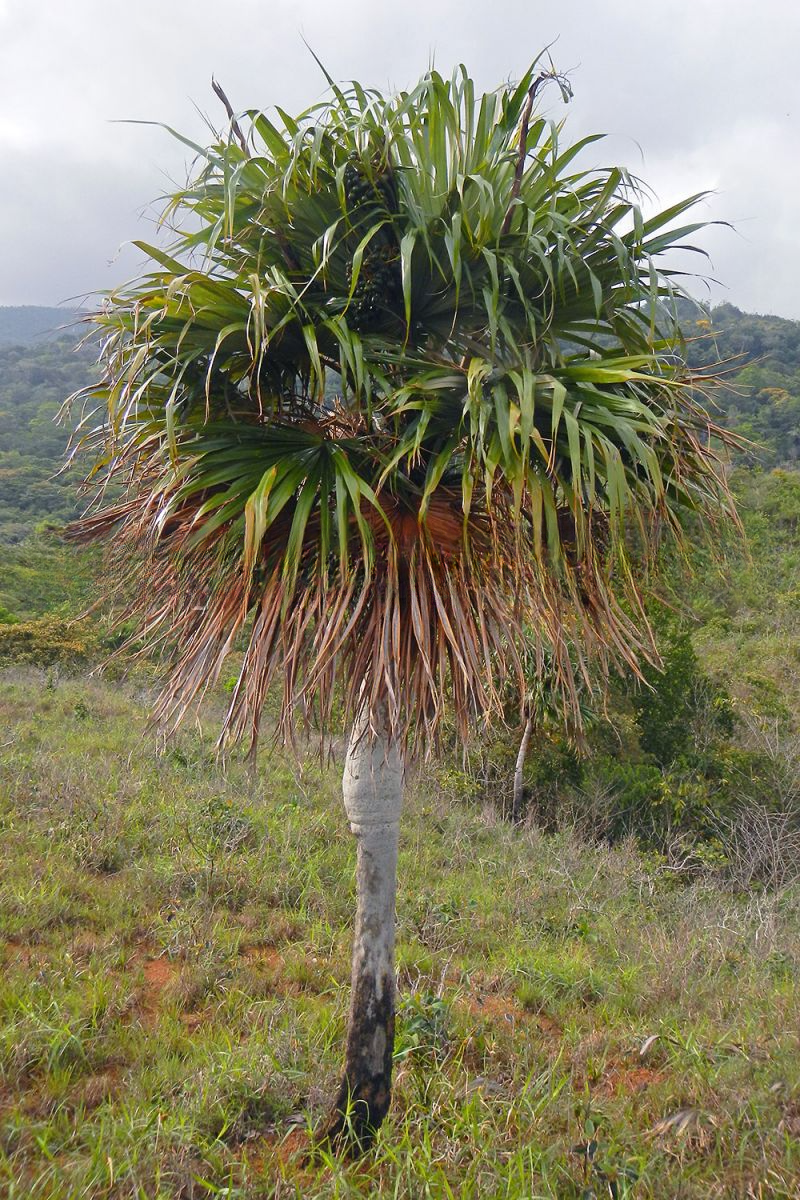
Colpothrinax aphanopetala: A comprehensive Growing Guide for Enthusiasts & Collectors.
Colpothrinax aphanopetala
This study provides an in-depth look at the palm Colpothrinax aphanopetala, designed to be a valuable resource for novice enthusiasts and seasoned horticulturalists alike. It covers everything from its wild origins and biological characteristics to detailed cultivation and propagation techniques.


1. Introduction
-
Habitat and Distribution, Native Continent: Colpothrinax aphanopetala is native to the wet forests and cloud forests of Central America, specifically found in countries like Panama, Costa Rica, and Nicaragua. It typically grows on mountain slopes and in valleys at moderate elevations (from 50 to 1,200 meters), where it experiences high rainfall, consistent humidity, and stable, mild temperatures. This specific habitat dictates its needs in cultivation. Its native continent is North America (Central America).
-
Taxonomic Classification and Species: The palm belongs to the Arecaceae family, which encompasses all palm trees.
-
Scientific Classification:
-
Kingdom: Plantae
-
Clade: Tracheophytes
-
Clade: Angiosperms
-
Clade: Monocots
-
Clade: Commelinids
-
Order: Arecales
-
Family: Arecaceae
-
Genus: Colpothrinax
-
Species: C. aphanopetala
-
-
-
Synonyms: The species has been known by other scientific names throughout history, a common occurrence in botany as classification systems evolve. A notable synonym is Pritchardia aphanopetala.
-
Common Names: Due to its distinctive appearance and regional presence, it has several common names. These include "Yarey," "Palmita," and the highly descriptive "Slice-of-Cheese Palm" or "Cheese-Wheel Palm," a name derived from the unique, flattened shape of its fruit. It is also sometimes grouped with others in the genus under the name "Old Man Thatch Palm" due to the fibrous trunk.
-
Expansion of this Palm in the World: While not a common commercial palm like the Coconut or Date Palm, Colpothrinax aphanopetala has seen a steady expansion in cultivation among collectors and botanical gardens worldwide. Its unique ornamental features—the shaggy fibrous trunk and large, perfect, circular leaves—make it a prized specimen. It is now grown in subtropical and tropical regions across the globe, from Florida and California in the USA to Australia and Southeast Asia, primarily by enthusiasts who can replicate its native growing conditions.
2. Biology and Physiology
-
Morphology:
-
Trunk (Strain): This species is a solitary palm, meaning it grows with a single, unbranching trunk. The trunk is relatively slender and can reach heights of up to 15-20 meters (50-65 feet) in its natural habitat. Its most striking feature is the thick, persistent mat of light brown to grayish fibers that covers it, which are the remnants of old leaf bases. This gives the palm a distinctly shaggy and robust appearance, especially in its younger years.
-
Leaves: The leaves are large, costapalmate (where the petiole, or leaf stalk, extends slightly into the leaf blade like a short midrib), and impressively circular, often measuring over a meter in diameter. The leaf blade is dark green on the upper surface and sometimes has a silvery or whitish waxy coating on the underside. It is deeply divided into numerous rigid segments that give it a classic fan palm look.
-
Flower Systems (Inflorescence): The inflorescence is a remarkable feature, often being very long—sometimes several meters—and arching gracefully out from the crown, extending well beyond the leaves. It is highly branched, bearing thousands of tiny, yellowish, bisexual flowers. The specific epithet aphanopetala means "hidden petals," referring to the very small and inconspicuous nature of the flower's petals.
-
-
Life Cycle: The life cycle follows the standard pattern for a flowering plant: seed germination, a slow-growing seedling stage, a juvenile period where it establishes its root system and trunk, and finally, a mature, reproductive stage where it begins to flower and produce fruit. It is known to be a slow-growing palm, taking many years to reach maturity.
-
Specific Adaptation to Different Climate Conditions: Colpothrinax aphanopetala is highly adapted to a stable, wet, and humid environment. Its robust root system helps anchor it on steep, often-soggy mountain slopes. The fibrous trunk may offer some protection against physical damage and pests. Its large leaves are efficient at capturing the filtered light of the forest canopy. It is not adapted to drought, saline soils, or significant cold, making it a specialist of the cloud forest environment.
3. Reproduction and Propagation
-
Seed Reproduction: This is the primary method of propagating Colpothrinax aphanopetala.
-
Seed Morphology and Diversity: The seeds are one of the most identifiable features of the genus. They are flattened and disc-like, resembling a small wheel of cheese, which is the origin of its common name. They are typically dark brown or black when mature and are contained within a fleshy fruit that ripens from green to black.
-
Detailed Seed Collection and Viability Testing: Seeds should be collected from fully ripe fruit, ideally fresh from the tree or recently fallen. To prepare them, the fleshy outer layer (mesocarp) must be thoroughly cleaned off, as it contains germination-inhibiting chemicals. A simple viability test is the "float test": after cleaning, place the seeds in a container of water. Healthy, viable seeds will typically sink, while non-viable or undeveloped seeds will float.
-
Pre-germination Treatments: The most common and effective pre-treatment is to soak the cleaned seeds in warm (not hot) water for 24 to 48 hours, changing the water daily. This helps to soften the seed coat and signal the embryo to begin germination. Scarification (nicking the seed coat) is generally not necessary or recommended for this species. Heat treatments are also not advised, as this palm comes from a stable, mild climate, not one with extreme temperature fluctuations.
-
Step-by-step Germination Techniques: The "baggie method" is highly effective. 1) Take a zip-lock plastic bag. 2) Fill it loosely with a sterile, moisture-retentive medium like sphagnum moss or coconut coir. The medium should be damp, not soaking wet (squeeze it until no more water drips out). 3) Mix the pre-soaked seeds into the medium. 4) Seal the bag, leaving some air inside, and place it in a consistently warm location, such as on top of a refrigerator or in a propagation chamber. Ideal temperatures are between 25-30°C (77-86°F). Check the bag periodically for signs of germination (the emergence of a root or spike) and to ensure the medium remains moist.
-
Germination Difficulty: Germination is considered moderately difficult. The primary challenges are the long wait times and the potential for erratic germination, where seeds in the same batch may sprout months apart. Patience is essential.
-
Germination Time: This is highly variable. Germination can begin in as little as 3 months, but it is common for it to take 6 to 12 months, or even longer in some cases.
-
Seedling Care and Early Development: Once a seed has germinated, it should be carefully removed and planted in a deep pot. Deep pots are crucial for palms as they tend to send down a long primary root first. Use a well-draining soil mix. The seedling should be kept in a warm, humid environment with bright, indirect light. Direct sun will scorch young leaves. Keep the soil consistently moist but never waterlogged.
-
-
Advanced Germination Techniques:
-
Hormonal Treatments: For difficult batches of seeds, some advanced growers experiment with a soak in a diluted solution of Gibberellic Acid (GA3). This plant hormone can help break dormancy in some stubborn seeds. However, it should be used with caution, as incorrect concentrations can damage or kill the embryo. For most growers, patience with standard methods is the better approach.
-
4. Cultivation Requirements
-
Light Requirements: In its juvenile stage, Colpothrinax aphanopetala thrives in partial shade or filtered light, mimicking its natural understory habitat. As it matures and grows taller, it can tolerate more direct sun, but it generally looks its best when protected from the harsh, direct afternoon sun, which can cause leaf burn. For indoor cultivation, a spot near a bright east-facing or north-facing window is ideal.
-
Temperature and Humidity Management:
-
Optimal Temperature Ranges: It prefers a subtropical or tropical climate with stable temperatures. The ideal growing range is between 20-30°C (68-86°F).
-
Cold Tolerance Thresholds: This is not a cold-hardy palm. It can tolerate very brief, light frosts (down to approximately -1°C or 30°F), but will sustain leaf damage. It is not suitable for climates with prolonged freezing temperatures. It is best grown in USDA Hardiness Zone 10a or warmer. In Zone 9b, it would require significant winter protection in a favorable microclimate to survive.
-
Humidity: High humidity is critical for this palm to look its best. In drier climates, the leaf tips may turn brown. For indoor plants, this can be achieved with a room humidifier, regular misting, or by placing the pot on a tray of water-filled pebbles.
-
-
Soil and Nutrition:
-
Ideal Soil Composition and pH: It requires a rich, well-draining soil with plenty of organic matter, similar to a forest floor. A mix of peat moss, perlite, and high-quality compost or potting soil works well. The ideal pH is slightly acidic to neutral (6.0-7.0).
-
Nutrient Requirements: Like many palms, it benefits from regular feeding during the growing season (spring and summer). Use a balanced, slow-release palm fertilizer that contains micronutrients, particularly Magnesium (Mg), Manganese (Mn), and Potassium (K), to prevent common deficiencies that cause yellowing (chlorosis) or frizzled leaves.
-
Organic vs. Synthetic Fertilization: Both can be effective. Organic approaches, such as top-dressing with compost and using liquid seaweed or fish emulsion, build soil health over time. Synthetic palm fertilizers provide a more direct and controlled release of specific nutrients.
-
Micronutrient Deficiencies: Potassium deficiency often appears as yellowing or necrosis on the oldest leaves. Magnesium deficiency causes broad yellow bands on the outer edges of leaves. Manganese deficiency ("frizzletop") affects the newest emerging fronds, causing them to look stunted and frizzled. Using a specialized palm fertilizer helps prevent these issues.
-
-
Water Management:
-
Irrigation Frequency: The key is to keep the soil consistently moist but not waterlogged. Water thoroughly when the top inch or two of soil feels dry. As it is native to high-rainfall areas, it is not drought-tolerant.
-
Water Quality: It can be sensitive to highly chlorinated or mineral-heavy tap water. Using rainwater or filtered water is ideal, especially for container-grown plants.
-
Drainage: Excellent drainage is non-negotiable. The pot must have drainage holes, and the soil mix must be porous to prevent root rot, which is one of the biggest risks in cultivating this moisture-loving palm.
-
5. Diseases and Pests
-
Common Problems in Growing: The most common issues are related to cultural care: root rot from overwatering or poor drainage, leaf tip burn from low humidity or poor water quality, and nutrient deficiencies.
-
Identification of Diseases and Pests:
-
Diseases: Fungal leaf spots can occur in conditions of high humidity and poor air circulation. Root rot presents as a general decline in health, yellowing leaves, and a mushy root system.
-
Pests: When grown indoors or under stress, it can be susceptible to common houseplant pests like spider mites (fine webbing on leaves), mealybugs (white, cottony masses in leaf axils), and scale insects (small, hard bumps on leaves and stems).
-
-
Environmental and Chemical Protection Methods: The best defense is a healthy plant. Ensure good air circulation, proper watering, and correct nutrition. For pests, treat early with horticultural oils or insecticidal soaps. For fungal issues, improve air movement and apply a copper-based or other appropriate fungicide if necessary.
6. Indoor Palm Growing
-
Specific Care in Housing Conditions: Growing Colpothrinax aphanopetala indoors is challenging but rewarding. It needs a large, deep pot to accommodate its root system. Place it in a location with bright, indirect light. The primary challenge is maintaining high humidity; a humidifier is strongly recommended. Keep it away from heating/cooling vents that produce dry air.
-
Replanting and Wintering: Repot every 2-3 years, or when it becomes root-bound, into a pot that is only slightly larger. Use fresh, well-draining soil. Wintering for this palm simply means providing it with stable indoor conditions, as it cannot survive a cold winter outdoors in most temperate climates. Reduce watering slightly during the winter months when growth slows, but never allow the soil to dry out completely.
7. Landscape and Outdoor Cultivation
When planted in a suitable climate, Colpothrinax aphanopetala is a stunning landscape specimen. Its solitary, fibrous trunk and perfectly symmetrical crown of large, fan-shaped leaves make it a powerful focal point in a tropical or subtropical garden design. It is best planted where its unique form can be appreciated, either as a standalone feature or grouped with other lush, tropical foliage plants. It pairs well with ferns, heliconias, and gingers that share its love for moisture and rich soil.
8. Cold Climate Cultivation Strategies
-
Cold Hardiness: This palm has low cold hardiness. It is reliably hardy in USDA Zone 10a and above. It may survive in a protected microclimate in Zone 9b, but it will likely suffer damage in any significant freeze and is not a recommended choice for this zone without extensive protection.
-
Winter Protection: In marginal zones (like 9b), plant it in the most protected spot available—for example, on the south side of a building or under the canopy of larger, evergreen trees.
-
Winter Protection Systems and Materials: Before an expected freeze, water the palm well. Mulch the root zone heavily with a thick layer of pine straw or bark. The trunk can be wrapped with burlap or frost cloth. For more severe freezes, incandescent Christmas lights can be wrapped around the trunk and crown (under the frost cloth) to provide a few degrees of critical warmth. Small, young palms can be completely covered with a frost blanket propped up with stakes to keep it from touching the leaves.
Establishment and Maintenance in Landscapes
-
Planting Techniques for Success: Dig a planting hole that is twice as wide as the root ball but no deeper. It is critical not to plant the palm too deep, as this can lead to trunk rot. The point where the roots meet the trunk should be level with or slightly above the surrounding soil. Backfill the hole with a mixture of the native soil and organic compost. Water thoroughly after planting to settle the soil and remove air pockets. Stake only if necessary in a very windy location.
-
Long-term Maintenance Schedules: Once established, this palm requires relatively low maintenance in the right climate. Provide deep, regular watering during any dry periods. Fertilize 2-3 times during the growing season with a balanced palm fertilizer. Pruning is minimal; only remove fronds once they are completely brown and dead. Never cut green or partially yellowing fronds, as the palm is still reabsorbing valuable nutrients from them.
Final Short Summary
Colpothrinax aphanopetala, also known as the "Slice-of-Cheese Palm," is a visually striking fan palm native to the cloud forests of Central America. It is distinguished by its solitary, fiber-covered trunk and large, circular green leaves. Its cultivation requires mimicking its native habitat: high humidity, consistently moist but well-draining soil, rich organic matter, and protection from intense sun and frost. Best suited for tropical and subtropical landscapes (USDA Zone 10a+), it can also be grown as a large, impressive indoor specimen where humidity can be maintained. Propagation is by seed, a process that demands significant patience, as germination can take over a year. Despite these challenges, its unique beauty makes it a highly sought-after palm for dedicated collectors and enthusiasts.