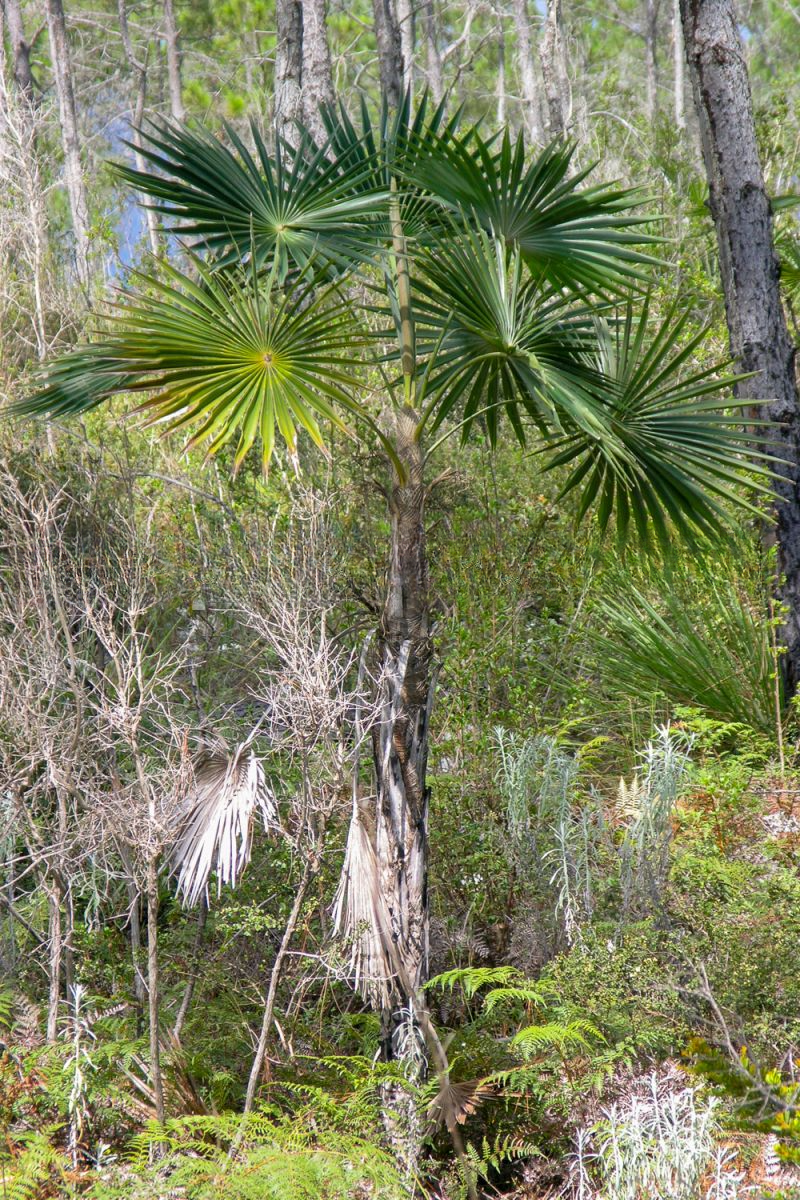
Coccothrinax scoparia: A comprehensive Growing Guide for Enthusiasts & Collectors.
Coccothrinax scoparia
1. Introduction


-
Habitat and Distribution, Native Continent: Coccothrinax scoparia is native to the Caribbean island of Hispaniola, where it is found in both the Dominican Republic and Haiti. It primarily grows in coastal, dry, and often exposed limestone or serpentine rock formations. Its natural habitat is characterized by low rainfall, high sun exposure, and nutrient-poor, alkaline soils, making it exceptionally well-adapted to harsh conditions. Its native continent is North America (specifically, the Caribbean archipelago).
-
Taxonomic Classification and Species: As a member of the Arecaceae family, Coccothrinax is a genus of fan palms. Coccothrinax scoparia is a distinct species within this genus, known for its unique aesthetic and resilience.
-
Kingdom: Plantae
-
Phylum: Tracheophyta
-
Class: Liliopsida
-
Order: Arecales
-
Family: Arecaceae (Palm family)
-
Genus: Coccothrinax
-
Species: C. scoparia
-
-
Synonyms: This species has a stable taxonomic history and no widely accepted synonyms.
-
Common Names: "Hispaniolan Silver Palm," "Broom Palm," "Guano de Escoba." The specific epithet scoparia is Latin for "broom-like," referring to the dense, woven fibers on its trunk which were historically used to make brooms.
-
Expansion in the World: While endemic to Hispaniola, Coccothrinax scoparia has been introduced into cultivation globally by palm enthusiasts and botanical gardens. It is not grown commercially on a large scale but is a prized collector's palm in subtropical and tropical regions, valued for its ornamental qualities and toughness. Its presence is most notable in specialty nurseries and private collections in places like Florida, California, and parts of the Mediterranean.
2. Biology and Physiology
-
Morphology:
-
Trunk: C. scoparia is a solitary palm with a very slender, single trunk that can reach heights of 2-10 meters (6-33 ft). Its most distinguishing feature is the trunk's dense covering of dark, woven fibers, which persist for many years before weathering away on the oldest parts of the trunk.
-
Leaves: It has palmate (fan-shaped) leaves that are nearly circular and deeply segmented. The upper surface is a dull green, while the underside is a striking, bright silvery-white, which flashes in the wind. The petioles (leaf stems) are smooth and unarmed (lacking spines).
-
Flower Systems: The inflorescence is short, branched, and emerges from among the leaves. It bears small, inconspicuous, yellowish-white to purplish flowers. The palm is monoecious, meaning both male and female reproductive parts are on the same plant.
-
-
Life Cycle: The life cycle begins with a seed, which germinates slowly. The seedling stage is characterized by extremely slow growth. It can take several years for the palm to develop a noticeable trunk. As a juvenile, it focuses on root and leaf development. Maturity is reached after many years, at which point it begins to flower and produce fruit. The fruit is a small, spherical drupe, turning dark purple to black when ripe, containing a single seed.
-
Specific Adaptation: Its biology is a testament to its native environment. The silvery underside of the leaves (indumentum) helps reflect intense sunlight. Its deep root system seeks out water in porous rock. High tolerance to salt spray, wind, and drought makes it a quintessential coastal palm. The fibrous trunk may offer protection from fire and pests.
3. Reproduction and Propagation
-
Seed Reproduction:
-
Seed Morphology: The seed is small, round, and contained within a thin layer of fleshy pulp. Seeds are typically 5-7 mm in diameter.
-
Seed Collection and Viability: Collect fruits when they are fully black and slightly soft. The pulp contains germination inhibitors and must be cleaned off immediately. Fresh, cleaned seeds are most viable. Viability can be tested using a "float test" in water; fresh, viable seeds will typically sink.
-
Pre-germination Treatments: Scarification is generally not needed. The most important treatment is soaking clean seeds in warm water for 24-48 hours, changing the water daily. Heat is the primary catalyst for germination.
-
Step-by-step Germination:
-
Use a sterile, well-draining medium like a mix of peat and perlite or sphagnum moss.
-
Place the medium in a pot or a zip-lock bag (the "baggie method"). Moisten it until it's damp but not waterlogged.
-
Sow seeds about 1 cm (0.5 inch) deep.
-
Maintain consistently high temperatures between 30-35°C (85-95°F). A heat mat is highly recommended.
-
Keep the medium consistently moist and ensure high humidity by sealing the bag or covering the pot.
-
-
Germination Difficulty: Difficult. Coccothrinax species are notoriously slow and erratic germinators. Patience is essential.
-
Germination Time: Germination can take anywhere from 3 months to well over a year.
-
Seedling Care: Once a sprout and root appear, carefully transfer the seedling to a deep pot with a very well-draining, gritty soil mix. Keep it warm, in bright indirect light, and be extremely careful not to overwater. Growth will be very slow for the first few years.
-
-
Advanced Germination Techniques:
-
Hormonal Treatments: Some advanced growers use gibberellic acid (GA3) solutions during the soaking phase to help break dormancy and potentially speed up germination, though success is not guaranteed and heat remains the most critical factor.
-
4. Cultivation Requirements
-
Light Requirements: Requires full sun to thrive and achieve its best form, especially once established. Young seedlings benefit from some protection from harsh, direct afternoon sun. For indoor cultivation, it needs the brightest possible location, such as a south-facing window.
-
Temperature and Humidity Management:
-
Optimal Temperature: Thrives in hot climates. Ideal growth occurs in temperatures consistently above 20°C (68°F).
-
Cold Tolerance: It is not cold-hardy. It can tolerate very brief, light frosts but will sustain leaf damage at temperatures around -1°C to -2°C (28-30°F). It is best suited for USDA Hardiness Zone 10a and above.
-
Humidity: It is tolerant of both moderate and high humidity but requires good air circulation to prevent fungal issues.
-
-
Soil and Nutrition:
-
Ideal Soil: This is the most critical factor for success. The soil must be exceptionally well-draining. A sandy, gritty, or rocky mix is ideal. It prefers alkaline soils (pH 7.5-8.5). Amending soil with limestone or crushed coral can be beneficial.
-
Nutrient Requirements: It is a light feeder, adapted to nutrient-poor conditions. A slow-release palm fertilizer can be applied once or twice during the growing season. Avoid heavy, nitrogen-rich fertilizers.
-
Micronutrient Deficiencies: In non-alkaline soils, it can be prone to potassium (K) or manganese (Mn) deficiencies.
-
-
Water Management:
-
Irrigation: Once established, it is highly drought-tolerant. Water deeply and infrequently, allowing the soil to dry out considerably between waterings. Overwatering is the most common cause of failure.
-
Water Quality: Tolerant of various water qualities, including slightly saline water.
-
Drainage: Perfect drainage is non-negotiable. In pots, use a mix heavy with sand, perlite, or pumice. In the landscape, plant on a berm or mound if the native soil is heavy.
-
5. Diseases and Pests
-
Common Problems: The single greatest problem is root rot caused by poor drainage and overwatering.
-
Identification of Diseases and Pests: It is generally very pest-resistant. However, stressed plants (especially those grown indoors) can be susceptible to scale, mealybugs, and spider mites. Fungal leaf spots can occur in conditions of low air circulation and high humidity.
-
Protection Methods: The best protection is prevention through proper culture: excellent drainage, appropriate watering, and good air circulation. For pests, use insecticidal soap or horticultural oil. Fungicides can be used for persistent fungal issues.
6. Indoor Palm Growing
-
Specific Care: Growing C. scoparia indoors is challenging due to its high light requirements. Place it in the sunniest window available. Use a very gritty, fast-draining potting mix. Water only when the top few inches of soil are completely dry. Good airflow is important.
-
Replanting and Wintering: Due to its extremely slow growth, it requires repotting very infrequently (perhaps every 3-5 years). Always use a deep pot to accommodate its root system. Wintering indoors involves maximizing light exposure and reducing watering frequency significantly.
7. Landscape and Outdoor Cultivation
-
Establishment and Maintenance:
-
Planting Techniques: Choose a location in full sun with excellent drainage. If planting in clay or heavy soil, create a raised mound of sandy/gritty soil to plant into. Do not plant the palm deeper than it was in its original container. Water regularly to help it establish its root system for the first year, then reduce frequency.
-
Long-term Maintenance: This is a very low-maintenance palm. It is self-cleaning to some extent, though old fibrous leaf bases may need to be manually removed for aesthetics. Pruning should be limited to removing only fully dead leaves. Do not prune green or yellowing leaves.
-
8. Cold Climate Cultivation Strategies
-
Cold Hardiness: C. scoparia is tender and not suitable for cold climates. It is strictly a palm for USDA zones 10-11.
-
Hardiness Zone: USDA Zone 10a (can survive brief dips to 30°F / -1°C) is its absolute limit. Zone 10b or 11 is much safer.
-
Winter Protection: In marginal zones like 9b, survival is possible but requires extreme measures and is not recommended. This would involve planting in the most protected microclimate (e.g., against a south-facing wall), covering with frost cloths during cold snaps, and potentially using active heating like wrapping the trunk with heating cables. Even with protection, damage is highly likely. For all other cold climates, it must be grown as a container plant and brought indoors for the winter.
Final Short Summary
Coccothrinax scoparia, the Hispaniolan Silver Palm, is a slow-growing, highly ornamental fan palm native to the dry, coastal regions of Hispaniola. It is prized for its slender, fiber-covered trunk and striking silver-backed leaves. Cultivation success hinges on three key principles: providing maximum sunlight, ensuring exceptionally fast-draining alkaline soil, and practicing infrequent watering. While extremely tolerant of drought, heat, and salt, it is not cold-hardy and is only suitable for outdoor cultivation in subtropical/tropical climates (USDA Zone 10a+). Propagation from seed is a slow and difficult process requiring high heat and immense patience, making this a rewarding but challenging palm for enthusiasts.