Dendrobium linguella: Complete Orchid Growing Guide
Dendrobium linguella
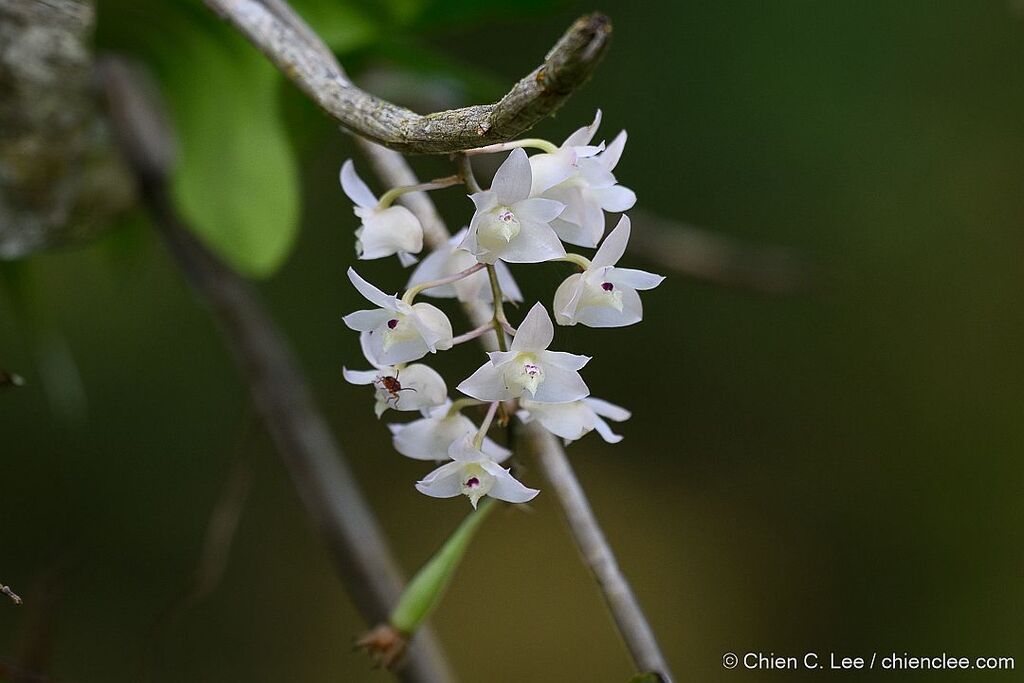
Dendrobium linguella
1. Introduction & Taxonomy
Dendrobium linguella (Orchidaceae, order Asparagales) is a lithophytic orchid native to diverse habitats throughout much of south, east and southeast Asia, including China. Dendrobium linguella is notable for its epiphytic growth habit.
Dendrobium is a genus of plants. Dendrobium is a genus of mostly epiphytic and lithophytic orchids in the family Orchidaceae. It is a very large genus, containing more than 1,800 species that are found in diverse habitats throughout much of south, east and southeast Asia, including China, Japan, India, the Philippines, Indonesia, Australia, New Guinea, Vietnam and many of the islands of the Pacific. Orchids in this genus have roots that creep over the surface of trees or rocks, rarely having their roots in soil. Up to six leaves develop in a tuft at the tip of a shoot and from one to a large number of flowers are arranged along an unbranched flowering stem. Several attempts have been made to separate Dendrobium into smaller genera, but most have not been accepted by the World Checklist of Selected Plant Families.
Taxonomic Classification
Habitat and Distribution
Dendrobium linguella is native to diverse habitats throughout much of south, east and southeast Asia, including China. This species is adapted to its native environment and is valued for its ornamental qualities and horticultural significance.
Botanical Note: The genus Dendrobium is one of the largest orchid genera with over 1,800 species distributed from Southeast Asia to Australia and the Pacific islands. They display distinct diversity in growth form, flower shape, and cultural requirements. Many species produce cane-like pseudobulbs and spectacular sprays of flowers.
Native Range & Distribution Map
The map below shows the native range and notable cultivation regions for Dendrobium linguella.
2. Biology & Morphology
Growth Form & Architecture
Dendrobium linguella is a sympodial orchid producing cane-like pseudobulbs (stems) that can be upright, pendulous, or scrambling. Growth habit varies enormously across the genus — from tiny twig epiphytes to massive specimens with 1 m+ canes. Flowers emerge from nodes along the canes, either singly or in clusters, and display notable diversity in form, color, and fragrance.
Orchid Adaptations
Orchids have evolved notable adaptations for life as epiphytes. Velamen-covered aerial roots rapidly absorb moisture from rain and humidity. Pseudobulbs (in sympodial species) store water and nutrients for dry periods. Many orchids use CAM (Crassulacean Acid Metabolism) or C3 photosynthesis depending on their habitat. Their dust-like seeds — the smallest in the plant kingdom — require mycorrhizal fungi for germination in the wild.
Key Characteristics
- Height: 30–90cm
- Growth Habit: Sympodial Epiphyte
- Growth Rate: Moderate under optimal conditions
- Foliage: Evergreen
Orchid Diversity: Orchidaceae is the largest flowering plant family with over 28,000 species — roughly 10% of all flowering plants. They have colonized nearly every habitat on Earth, from tropical rainforest canopies to arctic tundra, desert margins to cloud forests above 4,000 m. Their success stems from distinct pollination strategies and partnerships with mycorrhizal fungi.
3. Reproduction & Propagation
The primary propagation method for Dendrobium linguella: Division and back-bulbs.
Propagation Methods
Dendrobium linguella can be propagated by division of clumps (minimum 3–4 pseudobulbs per division), from keikis that form on canes, or from seed via flask culture. Some dendrobiums produce keikis readily, especially when exposed to warmth and humidity. Back-bulb propagation is also possible — old leafless canes can produce new growths when laid on moist sphagnum.
Vegetative Propagation
- Division: Divide sympodial orchids when repotting, ensuring each division has 3+ pseudobulbs. Cut rhizome with a sterile blade.
- Keikis: Some orchids (especially Phalaenopsis, Dendrobium) produce keikis — complete plantlets on flower spikes or stems. Remove when roots are 5+ cm.
- Back-bulbs: Old, leafless pseudobulbs can be potted separately and may produce new growth in 2–6 months.
- Stem Cuttings: For monopodial and climbing orchids, stem sections with aerial roots can be rooted independently.
Propagation Tips: (1) Always use sterile cutting tools to prevent disease transmission. (2) Apply cinnamon or fungicide to cut surfaces. (3) Avoid watering newly divided plants heavily — mist instead until new roots form. (4) Provide warm, humid conditions (75–85% humidity) for fastest recovery. (5) Flask-cultured seedlings need gradual acclimatization when removed from sterile culture.
4. Cultivation Requirements
Growing Medium
Use a well-draining epiphytic orchid mix. Medium to coarse bark chips, mixed with perlite, charcoal, and/or sphagnum moss, is the standard. The exact mix depends on your climate — drier environments benefit from more moisture-retentive components. Repot every 1–2 years as the medium decomposes.
Watering
Water thoroughly when the medium approaches dryness — for bark mixes this is typically every 5–7 days, less in winter. Allow water to run freely through the pot. Never let orchids sit in standing water. For vandas with bare roots, daily misting or dunking in water is essential in warm weather.
Light Requirements
Bright light with some direct sun. These light-hungry orchids need 4–6 hours of bright, filtered sunlight daily. Vanda and Cattleya tolerate more direct sun than most orchids.
Temperature
- Optimal Growth: 15–28°C (59–82°F)
- Minimum Tolerance: 10°C (50°F)
- USDA Hardiness: Zones 10–12
Fertilization
Feed with a balanced orchid fertilizer (e.g., 20-20-20) at quarter to half strength every 1–2 weeks during active growth. Many growers follow the 'weakly, weekly' approach. Reduce or stop feeding during dormancy and in winter.
Critical Cultivation Rule: For orchids, the growing medium is everything. These plants are not soil-dwellers — their roots need air circulation. Use open, chunky media (bark, perlite, charcoal) that drains instantly. A waterlogged orchid will lose its roots within days. When in doubt, water less and increase humidity instead.
5. Diseases & Pests
No major disease issues reported for Dendrobium linguella when grown under appropriate conditions with good air circulation.
Major Problems
Root Rot
The most common cause of orchid death. Decomposing potting medium, overwatering, and poor drainage create anaerobic conditions that kill roots. Healthy orchid roots are firm and silvery-green (when dry) or bright green (when wet). Brown, mushy roots indicate rot. Prevention: repot regularly (every 1–2 years), ensure perfect drainage, and never let pots sit in water.
Crown Rot
Water collecting in the crown (growth point) of monopodial orchids like Phalaenopsis can cause fatal bacterial rot. Always water in the morning so crowns dry by evening. If growing in humid conditions, tilt pots slightly to prevent water pooling in the crown. Treat early infections with hydrogen peroxide or cinnamon.
Common Pests
- Scale Insects — Brown or white bumps on leaves and pseudobulbs. Remove manually with rubbing alcohol on cotton swabs, or use horticultural oil.
- Mealybugs — White, cottony masses in leaf axils and under sheaths. Treat with isopropyl alcohol or systemic insecticide for severe infestations.
- Spider Mites — Tiny pests causing stippled, silvered leaves. More common in dry indoor conditions. Increase humidity and use miticide if needed.
- Thrips — Tiny insects that damage flower buds and petals, causing streaking and deformation. Systemic insecticides are most effective.
- Slugs & Snails — Nocturnal pests that destroy root tips, flower buds, and new growths. Use bait or copper barriers.
Orchid Health Protocol: (1) Ensure excellent air circulation — stagnant air promotes fungal and bacterial disease. (2) Quarantine new plants for 2–3 weeks. (3) Water in the morning so foliage dries by evening. (4) Remove dead leaves and spent flower spikes promptly. (5) Sterilize cutting tools between plants (flame or bleach solution).
6. Indoor Growing Guide
Dendrobium linguella grows well indoors in bright, indirect light. These genera need more light than Phalaenopsis — a south or west-facing window with filtered light is ideal. Good air circulation and moderate humidity (50–70%) are important for success.
Container Cultivation
Use transparent or clear pots where possible — orchid roots photosynthesize and benefit from light exposure. Ensure generous drainage holes. Terracotta pots dry faster and suit overwatering-prone growers. Use an appropriate orchid potting mix — never regular potting soil, which suffocates orchid roots.
Light & Environment
Light is typically the limiting factor for indoor orchids. Most species need bright, indirect light for at least 4–6 hours daily. LED grow lights are excellent supplements, especially during winter. Most orchids need 50–70% humidity — far higher than typical indoor levels (30–40%). Use humidity trays (pebble trays with water), room humidifiers, or group plants together to create a humid microclimate. Do not mist flowers directly.
Overwintering
Move tropical orchids indoors before temperatures drop below their minimum tolerance. A bright, slightly cooler winter position (with a 5–8°C night-time drop) promotes flower spike initiation in many species.
Indoor Orchid Success: The three keys to indoor orchid success are: (1) Right light — bright but filtered, (2) Right water — thorough but infrequent, allowing roots to nearly dry, and (3) Right medium — open, chunky, fast-draining. Get these right and most orchids will reward you with spectacular blooms year after year.
7. Landscape Use & Design
Dendrobium linguella is a stunning specimen for tropical and subtropical gardens. In warm climates, orchids can be grown mounted on trees, attached to garden structures, or displayed in hanging baskets under tree canopy.
Design Applications
- Tropical Garden: Mount orchids on trees, palm trunks, and tree fern trunks for a naturalistic tropical effect. Cattleya, Dendrobium, and Oncidium excel in this setting.
- Shade House / Pergola: Create an outdoor orchid display under shade cloth or a pergola. Hanging baskets and mounted plants create a stunning overhead canopy of blooms.
- Container Display: Orchids in decorative pots are perfect for patios, balconies, and entrances. Move indoors during cold weather for year-round enjoyment.
- Terrarium / Vivarium: Miniature orchids and jewel orchids thrive in enclosed glass environments with controlled humidity — living art installations.
Companion Planting
Create stunning displays by combining orchids with complementary tropical plants:
- Bromeliads — Fellow epiphytes with complementary forms and colors
- Ferns — Tree ferns and bird's nest ferns provide a lush backdrop and humidity
- Aroids — Anthuriums, philodendrons for tropical foliage contrast
- Tillandsia — Air plants for a complete epiphyte display
Orchid Garden Design: In tropical and subtropical regions, outdoor orchid gardens are among the world's most beautiful botanical displays. The key is replicating natural growing conditions: dappled shade, good air circulation, high humidity, and mounting or potting in appropriate media. A single tree can host dozens of orchid species in a naturalistic display.
8. Medicinal & Economic Uses
Several Dendrobium species have significant roles in traditional Asian medicine. Dendrobium officinale (shi hu) is one of the most valued herbs in Traditional Chinese Medicine, used for over 2,000 years. It is believed to nourish yin, clear heat, and promote fluid production. Wild populations are severely depleted from overcollection.
Economic Significance
- Ornamental Trade: The global orchid industry is worth billions of euros annually. Phalaenopsis alone accounts for the majority of potted plant sales in many countries. Rare species and awarded cultivars can command prices of hundreds to thousands of euros.
- Vanilla Industry: Vanilla planifolia is the world's most labor-intensive crop — each flower must be hand-pollinated. Madagascar produces roughly 80% of global vanilla supply.
- Traditional Medicine: Dendrobium, Gastrodia, and other genera are important in Traditional Chinese Medicine. Orchid-based medicines are a multi-billion-dollar industry in East Asia.
- Conservation Value: Many orchids are indicator species for forest health. Their presence or absence reflects ecosystem quality, making them important for conservation monitoring.
Cultural Significance
Orchids have captivated humans for millennia. Confucius praised their fragrance. The Aztecs flavored chocolate with vanilla. Victorian England's 'orchidelirium' sent collectors to remote jungles worldwide. Today, orchids remain the world's most popular flowering houseplant and symbols of elegance, refinement, and exotic beauty.
Ethical Orchid Growing: Wild orchid collection remains a serious conservation threat. CITES (Convention on International Trade in Endangered Species) lists all orchids in Appendix II, with the most threatened species in Appendix I. Always purchase nursery-propagated plants from reputable sources. Growing from seed via flask culture or buying tissue-cultured plants are the most ethical approaches.
Summary & Key Takeaways
Dendrobium linguella, is a member of the genus Dendrobium, native to diverse habitats throughout much of south, east and southeast Asia, including China, notable for epiphytic growth habit.
Key Points to Remember:
- Propagation: Division, keikis, back-bulbs, or flask culture (genus-dependent)
- Light: Bright, filtered light for most species
- Medium: Open, fast-draining bark mix or mounted (never soil)
- Watering: Thorough but infrequent — allow roots to nearly dry between waterings
- Hardiness: USDA Zones 10–12, minimum 10°C (50°F)
- Key Feature: Spectacular flowers, diverse growth forms, and rewarding cultivation