Orthotrichum diaphanum (White-tipped Bristle-moss)
Orthotrichum diaphanum (White-tipped Bristle-moss)




Contents
Introduction
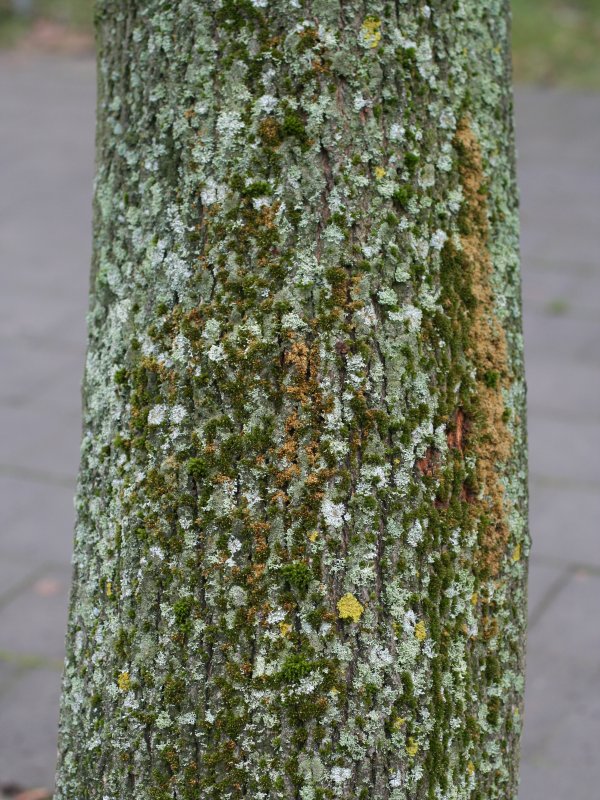
Orthotrichum diaphanum is a epiphytic moss of the family Orthotrichaceae, forming cushions typically 0–2 cm tall in tree bark/rock/walls. It is notable for hyaline hair-points, pollution tolerant. This species is widely studied in bryology and plays an important ecological role in its native habitats.
Orthotrichum diaphanum belongs to the family Orthotrichaceae and produces cushions typically 0–2 cm tall in tree bark/rock/walls. Notable for hyaline hair-points, pollution tolerant. The gametophyte bears leaves arranged spirally around the stem in an erect acrocarpous habit. Leaf cells vary from smooth to papillose depending on environmental conditions. The costa (midrib) extends through most of the leaf length, and alar cells at the leaf base may be differentiated. This species occupies a defined ecological niche within bryophyte communities and serves as an indicator of specific habitat conditions.
Height: 1 cm • Form: Cushion • Moisture: dry • USDA zones: 4-9
Botanical Description
Family Orthotrichaceae, order Orthotrichales. The genus Orthotrichum is characterized by immersed to emergent capsules on very short setae, crisped leaves when dry, and an epiphytic habit. Notable: hyaline hair-points, pollution tolerant. Diagnostic features for species-level identification include leaf shape, costa length, cell ornamentation, capsule morphology, and peristome structure. Confirm identification with microscopic examination of leaf cross-sections and cell dimensions.
| Gametophyte Height | 1 cm |
| Spread | 5 cm |
| Leaf Shape | lanceolate |
| Colour | grey-green |
| Capsule | cylindrical |
| Sporophyte Height | 1 cm |
| Spore Colour | brown |
Growth Form & Architecture
Forms compact cushions or small pads 0–2 cm in diameter and height. Shoots radiate from a central point, creating a hemispherical to dome-shaped colony. The cushion form is an effective strategy for moisture retention in exposed habitats, with dead material accumulating in the interior providing a moisture reservoir.
Group Identification — Epiphytic Moss
Growing on bark of living trees. Often with pendant or spreading growth. Leaves may be plicate (folded). Key genera: Orthotrichum, Neckera, Leucodon, Anomodon.
Cultivation Guide
To cultivate Orthotrichum diaphanum, provide a bark or cork substrate that mimics natural tree bark. Maintain moderate humidity (60–80%) with good air circulation. Bright indirect light is ideal (5,000–10,000 lux). Mist regularly with rainwater or soft water. Temperature range 5–25 °C depending on origin. The species establishes slowly — allow 3–6 months for firm attachment. Avoid waterlogging the substrate, which causes rot. In gardens, encourage growth on mature trees with appropriate bark pH by transplanting small portions with attached bark.
Group Cultivation Guide — Epiphytic Moss
Mount on bark, branches, or cork. Mist frequently — 2–3 times daily in dry conditions. High humidity (70%+) essential. Indirect light. Excellent in vivariums and paludariums. Allow brief drying between mistings.
Climate & Seasons
Orthotrichum diaphanum exhibits notable desiccation tolerance, surviving complete water loss for weeks to months and resuming metabolic activity within minutes to hours of rehydration. This poikilohydric strategy — allowing tissue water content to equilibrate with the environment — is a fundamental bryophyte adaptation. UV-protective compounds (flavonoids, melanins) accumulate in exposed habitats. Cold tolerance extends to approximately -15 to -25 °C, typical of its temperate distribution. Heat stress occurs above approximately 35 °C for most populations. The reflective hair-points reduce heat absorption in exposed habitats. Metabolic recovery after stress follows predictable patterns: photosynthesis recovers within minutes of rehydration, while growth resumes over days to weeks.
Zones 4–9
Seasonal Changes
Spring brings fresh bright green growth to Orthotrichum diaphanum, with new shoots or branch extensions emerging from March to May. Sporophytes occasionally develop, with setae elongating in spring to early summer and capsules maturing by summer. Autumn and winter see desiccation-induced dormancy in exposed sites, with leaves appressing tightly to stems. The species recovers rapidly from drought with rehydration.
Propagation
Division of established colonies is the most reliable propagation method for Orthotrichum diaphanum. Separate portions in spring and press firmly onto prepared substrate matching the species' requirements. Stem fragments of 1–3 cm can regenerate new shoots within 4–8 weeks if kept consistently moist. Spore culture: surface-sow fresh spores on sterile agar or mineral substrate (pH 6.0–7.0) under bright indirect light at 15–20 °C. Protonema develops in 2–4 weeks; gametophores emerge in 2–6 months. Maintain high humidity (>80%) throughout. Transplant once colonies reach 5+ mm diameter.
Spore Reproduction
Orthotrichum diaphanum is dioicous — male and female gametophytes are separate, requiring water for sperm transport between plants. Sporophyte frequency varies — in some populations they are rare, with vegetative reproduction predominating. The sporophyte consists of a foot embedded in the gametophyte, a seta that is very short, keeping the capsule immersed among the leaves, and a capsule with an arthrodontous peristome for controlled spore release. Spores germinate to produce a filamentous protonema that eventually develops buds giving rise to new gametophyte shoots. Spore viability ranges from months to years under cool, dry storage conditions.
Problems & Pests
Common Problems
Overwatering is a common mistake — these species need to dry periodically and will rot in constantly saturated conditions. Acidic conditions below pH 5.5 stress calcicole species — ensure substrate remains calcareous. Algal overgrowth (green films or cyanobacteria) can smother colonies in over-lit or nutrient-enriched conditions. Fungal attack (Rhizoctonia, Pythium) occurs in poorly ventilated terrariums or overwet conditions, appearing as brown or white patches. Slugs and snails may graze on moss colonies in garden settings, particularly affecting young growth. In terrariums, condensation dripping onto moss can cause localized rot. Ensure ventilation.Group Problem Reference (Epiphytic Moss)
Loss of host trees through logging or disease. Air pollution sensitivity — many species absent from cities. Drying from canopy opening. Slug and snail grazing.
1. Moisture consistency — most problems stem from irregular watering
2. Water quality — use rainwater or distilled; avoid tap water minerals
3. Light balance — too much causes drying and algae; too little causes etiolation
4. Air circulation — prevents mould while maintaining humidity
5. Clean substrate — remove dead material and competing plants promptly
Terrarium & Aquarium
Orthotrichum diaphanum adapts well to terrarium culture. Use a glass container with partial lid for ventilation. Substrate: mineral soil with fine gravel or bark pieces, pH 5.5–7.5. Maintain humidity 60–80%. Light: 5,000–10,000 lux from LED grow lights, 10–12 hour photoperiod with seasonal variation. Temperature: 10–20 °C with cooler winter period. Mist with dechlorinated tap water 1–2 times daily. Excellent as groundcover or accent plant in bioactive terrariums.
Group Terrarium Guide — Epiphytic Moss
Mount on branches and bark pieces inside terrarium. Creates natural tropical forest effect. Needs frequent misting if in open setup. Excellent vertical element.
Aquascaping
Orthotrichum diaphanum is not suitable for submersed aquarium culture as it is a terrestrial moss that will decay underwater within weeks. It can be used in the terrestrial section of paludariums above the waterline, on moist substrate or vertical surfaces kept humid by proximity to water. Do not confuse with aquatic mosses of similar appearance.
Identification Guide
Key identification features of Orthotrichum diaphanum: Hyaline hair-points, pollution tolerant. Growth form is cushion, typically 0–2 cm tall, in tree bark/rock/walls. Use a x10–20 hand lens in the field to examine leaf shape, costa, and margin features. Confirm with microscopy of leaf cells, papillae, and cross-sections. Sporophyte characters (capsule shape, peristome, calyptra) are important for definitive identification. Compare with similar species in the genus and consult regional bryophyte floras for confirmation.
Group Identification — Epiphytic Moss
Growing on bark of living trees. Often with pendant or spreading growth. Leaves may be plicate (folded). Key genera: Orthotrichum, Neckera, Leucodon, Anomodon.
Microscopic Features
Key microscopic features of Orthotrichum diaphanum: Costa single, strong, extending to near the leaf apex. Alar cells variable. Capsule peristome is arthrodontous with 16 outer and 16 inner teeth. Spores typically 10–20 µm in diameter.
Ecology & Ecosystem Role
Orthotrichum diaphanum contributes to ecosystem function through moisture retention — bryophyte mats can hold 6–10 times their dry weight in water, reducing surface runoff and erosion. The species provides microhabitat for soil invertebrates (mites, springtails, tardigrades, nematodes) that are essential for decomposition and nutrient cycling. On rock surfaces, the species contributes to physical and chemical weathering, initiating soil formation processes (pedogenesis) on bare substrates. The species participates in nitrogen fixation (via associated cyanobacteria), phosphorus cycling, and the creation of organic soil from mineral substrates.
Group Ecological Role — Epiphytic Moss
Create canopy microhabitats for invertebrates and other epiphytes. Intercept and store atmospheric moisture. Important in cloud forest water cycles. Host specialised micro-fauna communities.
Garden Design
In moss garden design, Orthotrichum diaphanum provides structural accent as cushions or tufts in appropriate light and moisture conditions. The cushion form creates punctuation marks in flat moss carpets. In Japanese garden style (kokedera), place in areas matching its natural light preference. Combine with contrasting moss species for textural variety — pair with Leucobryum glaucum (white cushions) or Thuidium tamariscinum (feathery) for visual interest. Ensure substrate pH and moisture match natural requirements.
Green Roof Applications
Orthotrichum diaphanum is highly suitable for green roof use as one of the more drought and sun-tolerant mosses. It thrives on thin mineral substrates (5–10 cm depth) and tolerates extended dry periods through dormancy. Establishment from scattered fragments over prepared substrate is the most cost-effective method. Once established, virtually maintenance-free. Excellent candidate for bryophyte-based extensive green roof systems. For living wall applications, the species can be incorporated into planting modules with appropriate substrate. Consider combining with other drought-tolerant bryophytes for a diverse, resilient green roof bryophyte community.
History & Culture
The genus Orthotrichum has been studied by bryologists since the early days of botanical classification. Orthotrichum diaphanum was described in the scientific literature as part of the ongoing documentation of bryophyte diversity. The genus is named from Greek/Latin roots reflecting its morphological features. In folklore and traditional practice, mosses have been associated with moisture, shade, and ancient places. Modern bryological research has clarified the taxonomy and ecology of this species, with molecular phylogenetics refining its placement within Orthotrichaceae.
Conservation
Orthotrichum diaphanum is globally widespread and not threatened. It is one of the more common and adaptable bryophytes, tolerating a wide range of conditions including urban environments. Actually benefits from human habitat modification. No specific conservation measures are required for this species, though it benefits indirectly from general habitat protection. It serves as a useful bioindicator for environmental monitoring, particularly air quality assessment.
Frequently Asked Questions
How do I grow White-tipped Bristle-moss?
Mount on bark, branches, or cork. Mist frequently — 2–3 times daily in dry conditions. High humidity (70%+) essential. Indirect light. Excellent in vivariums and paludariums. Allow brief drying between mistings.
Is White-tipped Bristle-moss suitable for terrariums?
White-tipped Bristle-moss may be challenging in terrariums. Check its specific moisture and light requirements carefully.
How tall does White-tipped Bristle-moss grow?
White-tipped Bristle-moss typically reaches 1 cm in height. Mosses are among the smallest land plants, with most species under 10 cm tall.
What light does White-tipped Bristle-moss need?
White-tipped Bristle-moss prefers partial_shade. Most mosses grow best in indirect light or shade. Direct sunlight causes drying and browning in the majority of species.
How do I propagate White-tipped Bristle-moss?
The easiest method is fragmentation: crumble pieces of White-tipped Bristle-moss onto moist substrate and keep humid. Division of established colonies also works well. Spore culture is possible but requires sterile technique.
Can I use White-tipped Bristle-moss in an aquarium?
White-tipped Bristle-moss is not typically suited for fully aquatic conditions. Check its specific requirements.
Why is my White-tipped Bristle-moss turning brown?
Browning in White-tipped Bristle-moss usually indicates desiccation (too dry), excessive sun exposure, or mineral buildup from tap water. Increase misting frequency, provide more shade, and switch to rainwater or distilled water.
What difficulty level is White-tipped Bristle-moss?
White-tipped Bristle-moss is rated as easy difficulty. This makes it a good choice for beginners learning moss cultivation.
What are expert tips for growing White-tipped Bristle-moss?
To establish Orthotrichum diaphanum on garden trees, transplant small pieces with attached bark rather than separating the moss from its substrate. Choose trees with appropriate bark pH — oak and elm for acidophiles, elder and ash for calcicoles. Maintaining air quality is critical for epiphytic bryophytes — they are highly sensitive to SO₂ and NH₃ pollution. In dry regions, position transplants on the north side of trunks where humidity is highest. Never strip bark for moss collection — this kills the host tree and destroys the epiphyte community. Ethical collection: never collect from protected sites, take only what you need, and preferably propagate from cultivated stock rather than wild collection.
Seasonal Care Calendar
Quick Reference: Orthotrichum diaphanum
Explore More Plant Encyclopedias
Roses Herbs Citrus Bulbs Ferns Vegetables Aquatic Plants Climbing Plants Mosses