Imperata cylindrica 'Rubra' (Japanese Blood Grass): Complete Grass Growing Guide
Imperata cylindrica 'Rubra'
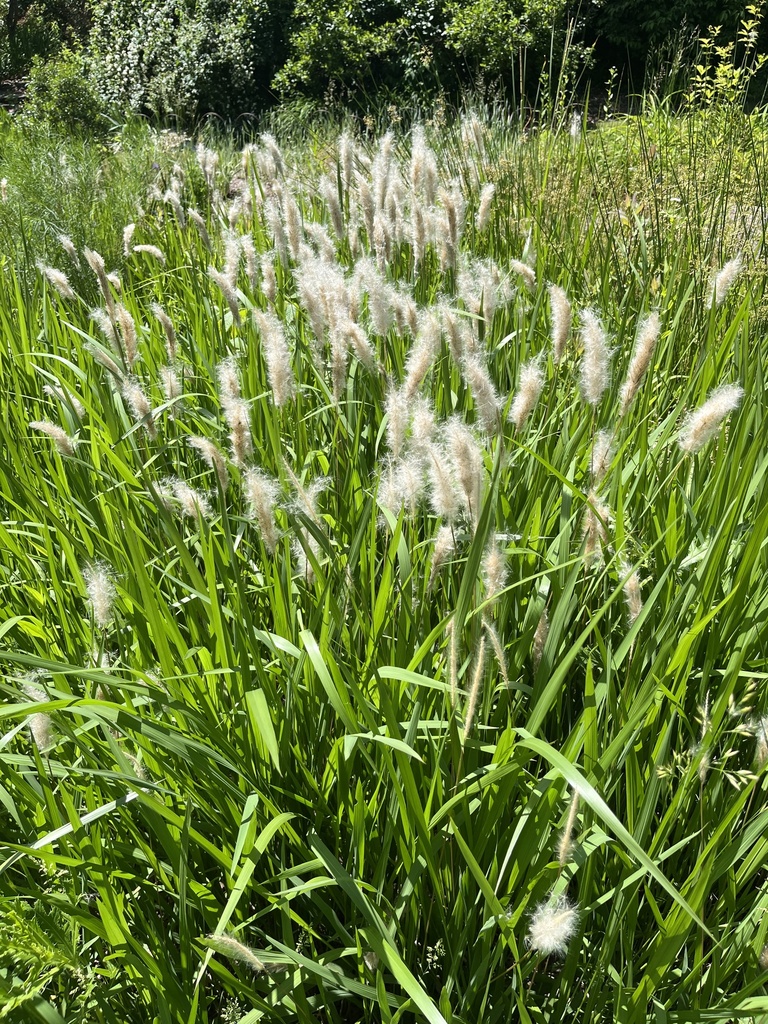
Imperata cylindrica 'Rubra' (Japanese Blood Grass) (Source: inaturalist)
1. Introduction & Taxonomy
Imperata cylindrica 'Rubra', the celebrated Japanese blood grass, transforms gardens with its upright blades that transition from green at the base to an incandescent crimson at the tips, glowing like embers when backlit by the sun. This ornamental cultivar of the otherwise notoriously invasive cogon grass has been bred for its spectacular foliage color rather than aggressive spreading, making it one of the most popular ornamental grasses for adding vivid red tones to borders and containers. Its compact stature and fiery autumn color have earned it a permanent place in the palette of modern garden design.
Imperata cylindrica 'Rubra' is a compact, clump-forming perennial grass that grows 30 to 45 centimeters tall, producing upright, slender leaf blades approximately 1 centimeter wide. The foliage emerges green in spring and progressively develops its signature blood-red coloration from the tips downward as the season advances. By midsummer, the upper two-thirds of each blade is a translucent wine-red to crimson, creating a stunning effect when backlit by low-angled sunlight. The color intensifies further in autumn, when the entire plant may turn deep burgundy to scarlet before going dormant. Unlike the aggressive wild species, this cultivar spreads slowly by short rhizomes and seldom flowers in cultivation. The overall habit is tidy, upright, and architectural, making it an excellent accent plant.
Taxonomic Classification
Habitat and Distribution
The wild species Imperata cylindrica is native to warm-temperate and tropical regions of Asia, including Japan, China, and Southeast Asia, as well as parts of Africa and Australia. The 'Rubra' cultivar was selected from Japanese populations and is maintained solely in cultivation. The wild type grows in grasslands, forest margins, and disturbed sites from sea level to moderate elevations.
Botanical Note: Poaceae (the grass family) is one of the largest and most ecologically important plant families, with over 12,000 species worldwide. True grasses have hollow, jointed culms (stems), narrow leaves with parallel veins and a distinctive ligule where the blade meets the sheath, and flowers reduced to spikelets arranged in panicles, racemes, or spikes. Ornamental grasses from this family are prized for their graceful movement, feathery inflorescences, and seasonal colour changes.
Native Range & Distribution Map
The map below shows the native range and notable cultivation regions for Imperata cylindrica 'Rubra'.
2. Biology & Morphology
<\!-- SIZE_COMPARISON_SVG -->Growth Form & Architecture
Imperata cylindrica 'Rubra' is a clumping true grass (Poaceae) with hollow, jointed culms, narrow leaves with parallel veins, and a distinctive ligule.
Species-Specific Morphology
Imperata cylindrica 'Rubra' is a compact, clump-forming perennial grass that grows 30 to 45 centimeters tall, producing upright, slender leaf blades approximately 1 centimeter wide. The foliage emerges green in spring and progressively develops its signature blood-red coloration from the tips downward as the season advances. By midsummer, the upper two-thirds of each blade is a translucent wine-red to crimson, creating a stunning effect when backlit by low-angled sunlight. The color intensifies further in autumn, when the entire plant may turn deep burgundy to scarlet before going dormant. Unlike the aggressive wild species, this cultivar spreads slowly by short rhizomes and seldom flowers in cultivation. The overall habit is tidy, upright, and architectural, making it an excellent accent plant.
Inflorescence & Flower Structure
Grass flowers are highly reduced and arranged in spikelets, with wind pollination as the primary reproductive strategy.
Key Characteristics
- Height: 0.5-2m
- Growth Habit: Clumping / Caespitose
- Growth Rate: Moderate under optimal conditions
- Life Cycle: Perennial
- Toxicity: Non-toxic. Imperata cylindrica 'Rubra' poses no known toxicity risk to humans, pets, or livestock. The leaf margins are somewhat sharp and may cause minor skin irritation when handled roughly.
- Conservation Status: Not applicable as a cultivar. The wild species Imperata cylindrica is one of the most widespread and abundant grasses on Earth, listed as a noxious invasive weed in many countries. It faces no conservation concerns whatsoever.
3. Reproduction & Propagation
<\!-- PROPAGATION_METHODS_SVG -->Primary propagation methods for Imperata cylindrica 'Rubra': Seed or vegetative division.
Propagating Imperata cylindrica 'Rubra'
Japanese blood grass is propagated exclusively by division to maintain the red-leaved characteristic; seed propagation would risk producing plants with the invasive wild-type genetics. Divide established clumps in early spring just as new growth begins, separating the outer portions with sharp spade or knife. Each division should have several growing points and a healthy root system. Replant immediately at the same depth and water thoroughly. Divisions establish quickly and will show good color by their first summer. Always inspect divisions for any all-green growth, which indicates reversion and should be discarded.
Vegetative Propagation
Propagated by clump division in spring or early summer.
Propagation Tip: Division of established clumps in spring gives the fastest results.
4. Cultivation Requirements
<\!-- CULTIVATION_SVG -->Soil / Substrate
Well-draining, moderately fertile soil. A mix of garden loam, compost, and coarse sand.
Watering
Moderate. Japanese blood grass prefers evenly moist but well-drained soil. Water regularly during establishment and in dry summers, but avoid waterlogged conditions, which promote crown rot. Once established, it tolerates moderate drought but looks best with consistent moisture.
Light Requirements
Full sun to partial shade. Most ornamental grasses perform best in full sun with at least 6 hours of direct light daily.
Temperature
- Optimal Growth: 18-30°C (65-86°F)
- Minimum Tolerance: -12°C (10°F)
- USDA Hardiness: Zones 8-11
Fertilization
Apply a balanced slow-release fertilizer in spring. Most grasses are light feeders.
Common Cultivation Mistake: Over-watering and over-fertilizing promote weak, floppy growth. These plants prefer lean conditions.
Seasonal Care Calendar
Follow this season-by-season guide for optimal care timing throughout the year.
🌱 Spring (March–May)
Cut back previous year's dried foliage to 5-8 cm before new growth emerges. Divide overcrowded clumps. Watch for green-leaved reversions and remove them immediately at the rhizome.
☀️ Summer (June–August)
Red coloration intensifies through summer. Water during dry spells but avoid overwatering. Apply a light balanced fertilizer in early summer. Monitor for reversion to green.
🍂 Fall (September–November)
Peak color display as foliage turns deep burgundy to scarlet. Reduce watering. Enjoy the spectacular autumn foliage. Do not cut back yet.
❄️ Winter (December–February)
Plant goes dormant and foliage dries to tan-brown. Leave standing for winter interest if desired. Apply a light mulch in zones 5-6 for cold protection.
5. Diseases & Pests
Below are the most common pests and diseases affecting Imperata cylindrica 'Rubra' and how to manage them.
Crown rot (Pythium/Fusarium)
Overwatering or poorly drained soils can lead to fungal crown rot, causing the center of the clump to die out. Ensure well-drained soil and avoid waterlogged conditions in winter.
Aphids
Occasionally colonize new growth in spring, causing distorted leaves. Usually controlled by natural predators; wash off with a strong water spray if populations build.
Rust (Puccinia spp.)
Orange-brown rust pustules may appear on leaves during prolonged humid weather, though the red coloration of the foliage can make symptoms less noticeable. Improve air circulation to reduce incidence.
IPM: (1) Choose the right species for your conditions. (2) Maintain good air circulation. (3) Cut back dead foliage in late winter. (4) Most ornamental grasses are remarkably pest-free when well-sited.
6. Indoor Growing Guide
Imperata cylindrica 'Rubra' can be grown in containers and brought indoors during winter in cold climates.
Container Selection
Use containers with adequate drainage holes. Terra cotta pots provide good drainage and stability.
Indoor Light
Place in the brightest available location. Most grasses need at least 4-6 hours of direct or bright indirect light.
Indoor Success Key: Bright direct light is the single most important factor for growing grasses indoors.
7. Landscape Use & Design
Imperata cylindrica 'Rubra' provides graceful movement, fine texture, and seasonal interest in the landscape.
Design Applications
- Front-of-border accent for fiery red color
- Mass planting for dramatic drifts of crimson
- Container specimen for patios and terraces
- Mixed ornamental grass gardens for color contrast
- Japanese-style and modern minimalist gardens
- Backlit plantings along paths or patios for translucent glow effect
Companion Planting
These species pair well with Imperata cylindrica 'Rubra' in garden settings:
- Hakonechloa macra 'Aureola'
- Carex morrowii 'Ice Dance'
- Ophiopogon planiscapus 'Nigrescens'
- Festuca glauca
- Heuchera 'Palace Purple'
- Sedum 'Autumn Joy'
Design Principle: Ornamental grasses are at their most magical when backlit by low sun. Position where morning or evening light illuminates inflorescences from behind.
8. Cold Climate Strategies
Imperata cylindrica 'Rubra' tolerates cold to USDA Zone 8. Winter protection or container culture may be needed in colder areas.
Hardiness Thresholds
- USDA Zones: 8-11
- Minimum Survival Temperature: -12°C (10°F)
Overwintering Options
- Leave in Place (hardy species): Cut back dead foliage in late winter. Apply 5-10 cm of mulch around the crown.
- Container Culture: Move potted plants to a frost-free location for winter.
- Mulching: Apply thick straw or bark mulch over the crown after the first hard frost.
Winter Survival Rule: Most grass losses occur from wet cold. Ensure excellent drainage through winter.
Winter Care Tip: Plant goes dormant and foliage dries to tan-brown. Leave standing for winter interest if desired. Apply a light mulch in zones 5-6 for cold protection.
9. Ethnobotany & Cultural Significance
Japanese blood grass holds a special place in Japanese garden aesthetics, where it is valued for its ability to evoke the feeling of autumn and the transience of beauty—a concept central to the Japanese aesthetic of mono no aware. In contemporary Western horticulture, it became one of the defining ornamental grasses of the 1990s and 2000s, championed by designers like Piet Oudolf and Wolfgang Oehme for its unique ability to introduce true red into grass plantings. The cultivar is widely grown in Japan, Europe, and North America, though it is banned in some U.S. states due to concern about reversion to the invasive wild type.
Conservation Note: Many grass, sedge, and rush species play critical ecological roles as habitat providers, soil stabilizers, and water filtration agents. By growing Imperata cylindrica 'Rubra', you contribute to maintaining awareness of these often-overlooked botanical workhorses.
Did You Know?
- The wild species Imperata cylindrica is ranked among the world's top 10 worst invasive weeds, while the 'Rubra' cultivar is one of the most beloved ornamental grasses—a remarkable contrast within a single species.
- The crimson color of blood grass is caused by anthocyanin pigments that intensify with sun exposure and cool temperatures, much like autumn leaf color in deciduous trees.
- Japanese blood grass is banned from sale in several U.S. states, including Florida, due to the risk of reversion to the invasive green-leaved wild type.
- When backlit by late afternoon or early morning sun, the translucent red blades of blood grass literally glow, creating one of the most dramatic lighting effects achievable with any ornamental plant.
Frequently Asked Questions
Will Japanese blood grass become invasive in my garden?
The 'Rubra' cultivar is much less aggressive than the wild species and rarely flowers or sets seed. However, it can occasionally revert to the vigorous, green-leaved wild type, which is extremely invasive. Monitor clumps for any all-green shoots and remove them immediately, including the rhizome.
Why is my blood grass turning all green?
This indicates reversion to the wild type of Imperata cylindrica. Green-leaved reversions are far more aggressive and potentially invasive. Dig out any all-green sections immediately, removing the entire rhizome. If most of the clump has reverted, it is safest to destroy the entire plant.
How much sun does blood grass need for best color?
Full sun produces the most intense red coloration. In partial shade, the color will be less vivid and the plants may remain mostly green with only light reddish tinting at the tips. At least 6 hours of direct sunlight is recommended for the best display.
Is blood grass cold hardy?
Japanese blood grass is hardy in USDA zones 5-9. In zone 5, apply a winter mulch over the dormant crowns. The plant is fully deciduous and goes dormant in winter, regrowing from the rootstock in spring.
Summary & Key Takeaways
Imperata cylindrica 'Rubra', is a clumping member of the genus Imperata (Poaceae), native to warm-temperate and tropical regions of Asia.
Key Points to Remember:
- Propagation: Seed or clump division
- Light: Full sun for most species
- Substrate: Well-draining, moderately fertile
- Watering: Moderate — avoid overwatering
- Hardiness: USDA Zones 8-11, minimum -12°C (10°F)