Gymnoschoenus sphaerocephalus (Buttongrass): Complete Grass Growing Guide
Gymnoschoenus sphaerocephalus
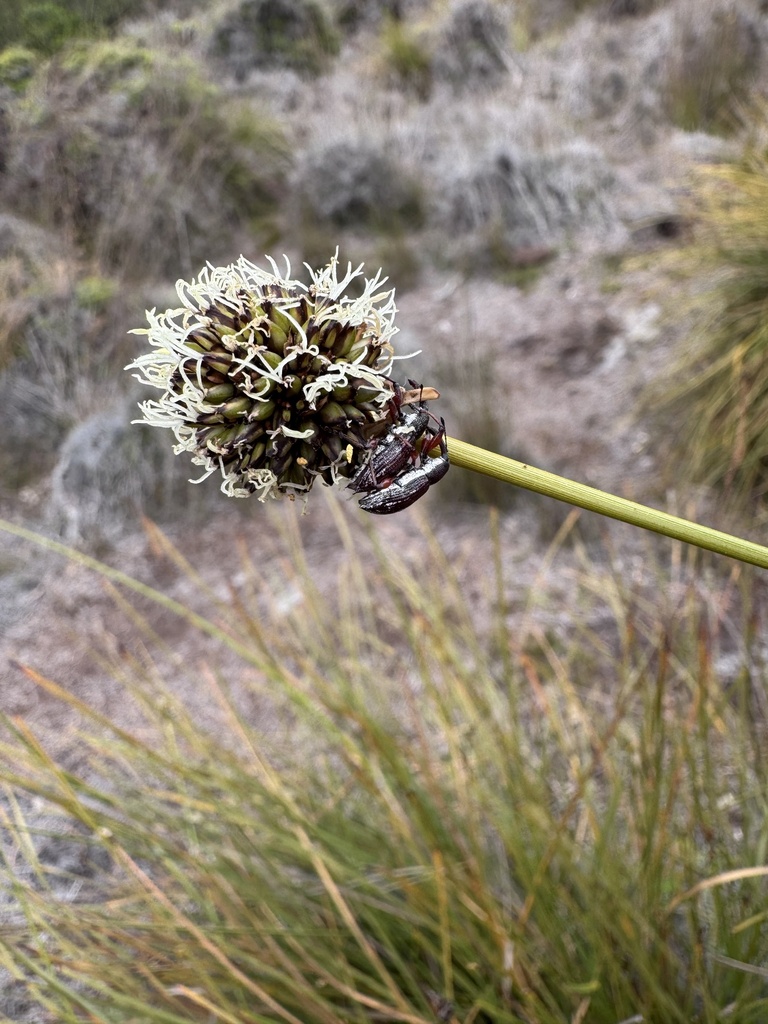
Gymnoschoenus sphaerocephalus (Buttongrass) (Source: inaturalist)
1. Introduction & Taxonomy
Gymnoschoenus sphaerocephalus is the iconic buttongrass of Tasmania and southeastern Australia, forming dense, rounded tussocks that define entire landscapes known as buttongrass moorlands. These ancient sedgelands are among the most fire-adapted ecosystems on the planet, with buttongrass itself regenerating vigorously after burning. With its distinctive spherical flower heads perched atop wiry stems, this sedge creates a hauntingly beautiful, wind-swept terrain that supports a remarkable diversity of endemic species.
Gymnoschoenus sphaerocephalus is a densely tussock-forming perennial sedge that grows 0.5 to 1.2 meters tall, producing stiff, narrow, dark green leaves that emerge in a dense fountain-like clump from a persistent, woody rootstock. The leaves are tough, wiry, and slightly rough to the touch, with a distinctive triangular cross-section typical of sedges. In spring and summer, slender flowering stems emerge above the foliage, each topped with a compact, spherical cluster of brownish spikelets approximately 1 to 2 centimeters in diameter—the characteristic "buttons" that give this species its common name. The tussocks expand slowly over decades, and individual plants may persist for a century or more, creating a distinctive hummocky landscape.
Taxonomic Classification
Habitat and Distribution
Gymnoschoenus sphaerocephalus is native to southeastern Australia, with its primary stronghold in Tasmania where it dominates vast moorland ecosystems in the southwest. It also occurs in scattered populations across Victoria, New South Wales, and South Australia, typically in permanently wet, acidic, nutrient-poor soils on quartzite or siliceous substrates.
Botanical Note: Cyperaceae (the sedge family) comprises about 5,600 species often found in wetland habitats. Sedges are distinguished from true grasses by their typically triangular (three-sided) stems, three-ranked leaves, and solid (not hollow) culms. The mnemonic 'sedges have edges' helps distinguish them from grasses. Many sedges such as Cyperus papyrus and Carex species are valued as ornamentals for water gardens, rain gardens, and naturalistic plantings.
Native Range & Distribution Map
The map below shows the native range and notable cultivation regions for Gymnoschoenus sphaerocephalus.
2. Biology & Morphology
<\!-- SIZE_COMPARISON_SVG -->Growth Form & Architecture
Gymnoschoenus sphaerocephalus is a member of the sedge family (Cyperaceae), characterized by typically triangular stems (the mnemonic 'sedges have edges'), solid culms, and three-ranked leaves.
Species-Specific Morphology
Gymnoschoenus sphaerocephalus is a densely tussock-forming perennial sedge that grows 0.5 to 1.2 meters tall, producing stiff, narrow, dark green leaves that emerge in a dense fountain-like clump from a persistent, woody rootstock. The leaves are tough, wiry, and slightly rough to the touch, with a distinctive triangular cross-section typical of sedges. In spring and summer, slender flowering stems emerge above the foliage, each topped with a compact, spherical cluster of brownish spikelets approximately 1 to 2 centimeters in diameter—the characteristic "buttons" that give this species its common name. The tussocks expand slowly over decades, and individual plants may persist for a century or more, creating a distinctive hummocky landscape.
Inflorescence & Flower Structure
The inflorescence structure varies across grass-related families.
Key Characteristics
- Height: 0.5-2m
- Growth Habit: Tussock-forming
- Growth Rate: Very slow under optimal conditions
- Life Cycle: Perennial
- Toxicity: Non-toxic. Gymnoschoenus sphaerocephalus poses no known toxicity risks to humans or animals, though the tough, wiry foliage is unpalatable and of negligible nutritional value to livestock.
- Conservation Status: Not globally threatened, though Tasmanian buttongrass moorlands are a conservation priority due to threats from altered fire regimes, climate change, and Phytophthora dieback. Listed as a threatened ecological community in some Australian states.
3. Reproduction & Propagation
<\!-- PROPAGATION_METHODS_SVG -->Primary propagation methods for Gymnoschoenus sphaerocephalus: Seed or vegetative division.
Propagating Gymnoschoenus sphaerocephalus
Buttongrass is most reliably propagated by division of established tussocks in late winter or early spring. Carefully separate outer portions of the tussock, ensuring each division has a good root system, and replant immediately into wet, acidic substrate. Seed propagation is possible but slow and erratic; sow fresh seed on the surface of moist peat in autumn, provide cold stratification over winter, and expect germination over several months. Smoke treatment or exposure to bushfire leachate can improve germination rates, reflecting the species' fire-adapted ecology.
Vegetative Propagation
Propagated by clump division in spring or early summer.
Propagation Tip: Division of established clumps in spring gives the fastest results.
4. Cultivation Requirements
<\!-- CULTIVATION_SVG -->Soil / Substrate
Well-draining, moderately fertile soil. A mix of garden loam, compost, and coarse sand.
Watering
Very high. Buttongrass requires permanently moist to waterlogged, acidic soil and is intolerant of drought. In its native habitat, it grows in saturated peatlands, bogs, and moorlands with year-round moisture.
Light Requirements
Full sun to partial shade. Most ornamental grasses perform best in full sun with at least 6 hours of direct light daily.
Temperature
- Optimal Growth: 18-30°C (65-86°F)
- Minimum Tolerance: -29°C (-20°F)
- USDA Hardiness: Zones 5-9
Fertilization
Apply a balanced slow-release fertilizer in spring. Most grasses are light feeders.
Common Cultivation Mistake: Over-watering and over-fertilizing promote weak, floppy growth. These plants prefer lean conditions.
Seasonal Care Calendar
Follow this season-by-season guide for optimal care timing throughout the year.
🌱 Spring (March–May)
New growth emerges from tussock centers; ensure consistently moist to waterlogged conditions. Apply a light top-dressing of acidic organic matter if growing in containers.
☀️ Summer (June–August)
Maintain adequate moisture as buttongrass is intolerant of drying out. Spherical flower heads develop and mature. In cultivation, mist foliage during hot spells.
🍂 Fall (September–November)
Seed heads mature and can be collected for propagation. Reduce watering slightly but never allow soil to dry completely. Remove any dead outer leaves for tidiness.
❄️ Winter (December–February)
Dormant period with minimal growth. Keep soil moist. Protect container plants from hard freezes in cold climates. In mild areas, the tussock remains evergreen.
5. Diseases & Pests
Below are the most common pests and diseases affecting Gymnoschoenus sphaerocephalus and how to manage them.
Phytophthora cinnamomi
This devastating water mold pathogen threatens buttongrass moorlands across Tasmania, causing dieback in associated species and altering the ecological balance of moorland communities.
Scale insects
Occasionally infest leaf bases in dense tussocks, feeding on plant sap and causing localized yellowing, though populations rarely reach damaging levels in natural settings.
Fungal leaf spot
Various fungal pathogens can cause brown or black spots on older leaves, particularly during prolonged wet periods, but typically do not affect overall plant health.
IPM: (1) Choose the right species for your conditions. (2) Maintain good air circulation. (3) Cut back dead foliage in late winter. (4) Most ornamental grasses are remarkably pest-free when well-sited.
6. Indoor Growing Guide
Gymnoschoenus sphaerocephalus can be grown in containers and brought indoors during winter in cold climates.
Container Selection
Use containers with adequate drainage holes. Self-watering pots work well for moisture-loving sedges and rushes.
Indoor Light
Place in the brightest available location. Most grasses need at least 4-6 hours of direct or bright indirect light.
Indoor Success Key: Bright direct light is the single most important factor for growing grasses indoors.
7. Landscape Use & Design
Gymnoschoenus sphaerocephalus is ideal for water gardens, rain gardens, and pond margins.
Design Applications
- Wetland restoration and revegetation
- Bog and moorland-themed gardens
- Water filtration and erosion control in acidic wetlands
- Native habitat reconstruction
- Naturalistic container plantings for wet areas
Companion Planting
These species pair well with Gymnoschoenus sphaerocephalus in garden settings:
- Leptospermum scoparium
- Melaleuca squamea
- Empodisma minus
- Gleichenia dicarpa
- Restio tetraphyllus
Design Principle: Ornamental grasses are at their most magical when backlit by low sun. Position where morning or evening light illuminates inflorescences from behind.
8. Cold Climate Strategies
Gymnoschoenus sphaerocephalus shows good cold tolerance and can be grown outdoors year-round in many temperate climates.
Hardiness Thresholds
- USDA Zones: 5-9
- Minimum Survival Temperature: -29°C (-20°F)
Overwintering Options
- Leave in Place (hardy species): Cut back dead foliage in late winter. Apply 5-10 cm of mulch around the crown.
- Container Culture: Move potted plants to a frost-free location for winter.
- Mulching: Apply thick straw or bark mulch over the crown after the first hard frost.
Winter Survival Rule: Most grass losses occur from wet cold. Ensure excellent drainage through winter.
Winter Care Tip: Dormant period with minimal growth. Keep soil moist. Protect container plants from hard freezes in cold climates. In mild areas, the tussock remains evergreen.
9. Ethnobotany & Cultural Significance
Buttongrass holds deep cultural significance for the Tasmanian Aboriginal peoples, who managed buttongrass moorlands through deliberate fire regimes for thousands of years to maintain open landscapes, encourage new growth, and facilitate hunting. These fire-stick farming practices shaped the very ecosystems that persist today. In modern Tasmania, buttongrass moorlands are recognized as a critical component of the Tasmanian Wilderness World Heritage Area, covering vast tracts of the island's southwest. The species has become emblematic of Tasmanian wild landscapes and features prominently in conservation discussions, bushwalking culture, and the identity of the island state.
Conservation Note: Many grass, sedge, and rush species play critical ecological roles as habitat providers, soil stabilizers, and water filtration agents. By growing Gymnoschoenus sphaerocephalus, you contribute to maintaining awareness of these often-overlooked botanical workhorses.
Did You Know?
- Buttongrass moorlands in Tasmania cover over 600,000 hectares, making them one of the most extensive sedgeland ecosystems in the Southern Hemisphere.
- Individual buttongrass tussocks can live for over a century, slowly building up a peat-like mound beneath them that stores significant amounts of carbon.
- Tasmanian Aboriginal people used fire-stick farming of buttongrass moorlands for at least 35,000 years, making it one of the longest-running land management practices in human history.
- The peat soils beneath buttongrass moorlands can be several meters deep and represent thousands of years of accumulated organic matter.
Frequently Asked Questions
Can buttongrass grow in normal garden soil?
Buttongrass requires acidic, peaty, poorly drained soil and will struggle in standard garden conditions. It thrives in boggy, nutrient-poor substrates similar to its native moorland habitat. In cultivation, use a mix of peat, sand, and sphagnum moss, and keep it perpetually moist.
Why is fire important for buttongrass?
Buttongrass has co-evolved with fire over millions of years. Periodic burning removes accumulated dead material, releases nutrients, stimulates fresh growth from the rootstock, and maintains the open moorland structure. Without fire, buttongrass moorlands gradually transition to scrub and forest.
How fast does buttongrass grow?
Buttongrass is very slow-growing, with tussocks expanding by only a few centimeters per year. Individual tussocks can take decades to reach full size, and some are estimated to be over 100 years old.
Is buttongrass suitable for rain gardens?
It can work in permanently wet rain garden zones where water pools, provided the soil is acidic and nutrient-poor. It is not suitable for rain gardens that dry out between storm events.
Summary & Key Takeaways
Gymnoschoenus sphaerocephalus, is a tussock member of the genus Gymnoschoenus (Cyperaceae), native to moor and sedgelands. It shows good cold tolerance, making it suitable for temperate gardens.
Key Points to Remember:
- Propagation: Seed or clump division
- Light: Full sun for most species
- Substrate: Well-draining, moderately fertile
- Watering: Keep consistently moist to wet
- Hardiness: USDA Zones 5-9, minimum -29°C (-20°F)