Cenchrus pilosus: Complete Grass Growing Guide
Cenchrus pilosus
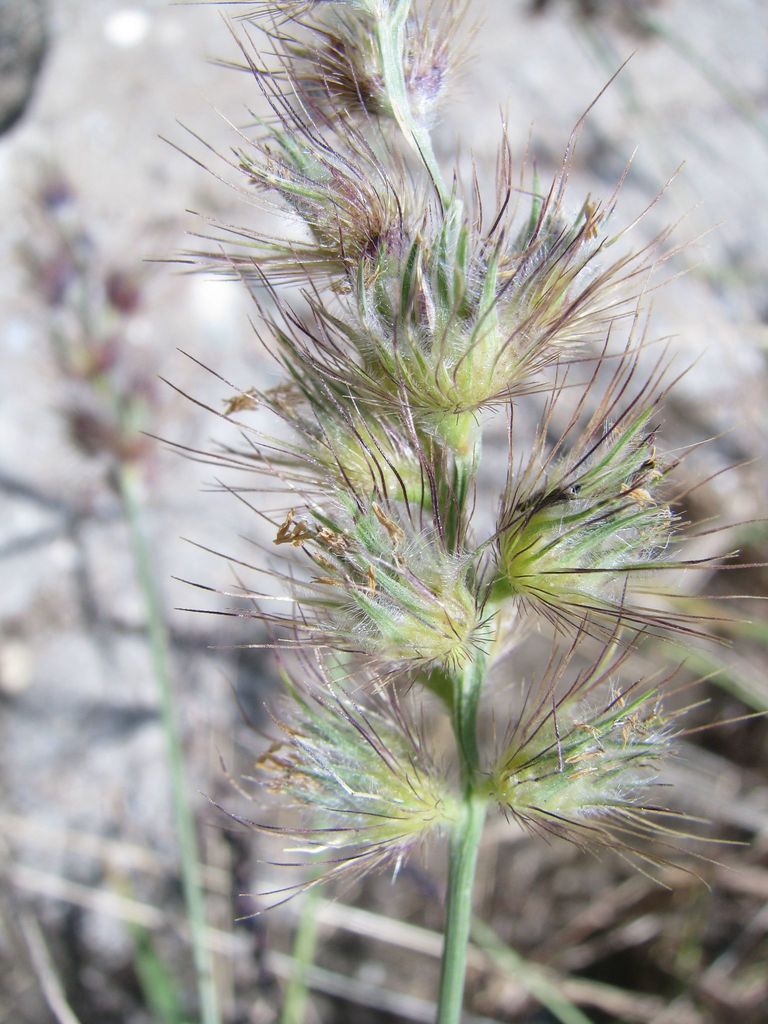
Cenchrus pilosus (Source: inaturalist)
1. Introduction & Taxonomy
Cenchrus pilosus is a tropical grass of the Poaceae family found across warm regions of the Americas, Africa, and Asia, typically encountered in disturbed habitats, roadsides, and tropical grasslands. Known as Tropical Bur Grass, it shares the characteristic bur-bearing inflorescence of its genus but is generally less aggressively spiny than some of its relatives. While not cultivated as an ornamental, it is part of the rich grass diversity of tropical ecosystems and is of interest to grassland ecologists and taxonomists.
Cenchrus pilosus is an annual to short-lived perennial grass growing 30-100 cm tall, with slender, erect to ascending stems. The leaf blades are flat, 4-10 mm wide, and softly hairy (pilose), which gives the species its name. The inflorescence is a spike-like raceme 4-10 cm long, bearing burs that are surrounded by bristles with fine hairs rather than the rigid, piercing spines seen in Cenchrus echinatus. The burs are less painfully spiny than those of related species but still serve as effective seed dispersal units, attaching to animal fur and clothing. The overall plant is moderately attractive in a wild grass aesthetic, with soft-textured foliage and gently bristled seed heads.
Taxonomic Classification
Habitat and Distribution
Distributed across tropical and subtropical regions of the Americas, Africa, and Asia. It grows in open, disturbed habitats including roadsides, field margins, pastures, and waste ground, typically on well-drained soils in full sun.
Botanical Note: Poaceae (the grass family) is one of the largest and most ecologically important plant families, with over 12,000 species worldwide. True grasses have hollow, jointed culms (stems), narrow leaves with parallel veins and a distinctive ligule where the blade meets the sheath, and flowers reduced to spikelets arranged in panicles, racemes, or spikes. Ornamental grasses from this family are prized for their graceful movement, feathery inflorescences, and seasonal colour changes.
Native Range & Distribution Map
The map below shows the native range and notable cultivation regions for Cenchrus pilosus.
2. Biology & Morphology
<\!-- SIZE_COMPARISON_SVG -->Growth Form & Architecture
Cenchrus pilosus is a clumping true grass (Poaceae) with hollow, jointed culms, narrow leaves with parallel veins, and a distinctive ligule.
Species-Specific Morphology
Cenchrus pilosus is an annual to short-lived perennial grass growing 30-100 cm tall, with slender, erect to ascending stems. The leaf blades are flat, 4-10 mm wide, and softly hairy (pilose), which gives the species its name. The inflorescence is a spike-like raceme 4-10 cm long, bearing burs that are surrounded by bristles with fine hairs rather than the rigid, piercing spines seen in Cenchrus echinatus. The burs are less painfully spiny than those of related species but still serve as effective seed dispersal units, attaching to animal fur and clothing. The overall plant is moderately attractive in a wild grass aesthetic, with soft-textured foliage and gently bristled seed heads.
Inflorescence & Flower Structure
Grass flowers are highly reduced and arranged in spikelets, with wind pollination as the primary reproductive strategy.
Key Characteristics
- Height: 0.5-2m
- Growth Habit: Clumping / Caespitose
- Growth Rate: Fast under optimal conditions
- Life Cycle: Perennial
- Toxicity: Not toxic to humans or livestock. The burs can cause minor mechanical irritation but are less aggressively spined than those of related species like Cenchrus echinatus.
- Conservation Status: Least Concern. A common tropical grass with a wide distribution. Not threatened and frequently found in human-modified landscapes.
3. Reproduction & Propagation
<\!-- PROPAGATION_METHODS_SVG -->Primary propagation methods for Cenchrus pilosus: Seed or vegetative division.
Propagating Cenchrus pilosus
Propagation is by seed, which germinates readily in warm, moist soil (above 20°C). Sow on the surface of prepared ground and press in lightly. No pretreatment is needed. For research or study purposes, grow in containers to prevent unwanted spread. The plant completes its lifecycle rapidly in warm conditions.
Vegetative Propagation
Propagated by clump division in spring or early summer.
Propagation Tip: Division of established clumps in spring gives the fastest results.
4. Cultivation Requirements
<\!-- CULTIVATION_SVG -->Soil / Substrate
Well-draining, moderately fertile soil. A mix of garden loam, compost, and coarse sand.
Watering
Moderate. Grows best with regular moisture during the tropical wet season but tolerates dry periods. Adapted to seasonally wet-dry tropical climates.
Light Requirements
Full sun to partial shade. Most ornamental grasses perform best in full sun with at least 6 hours of direct light daily.
Temperature
- Optimal Growth: 18-30°C (65-86°F)
- Minimum Tolerance: -23°C (-10°F)
- USDA Hardiness: Zones 6-10
Fertilization
Apply a balanced slow-release fertilizer in spring. Most grasses are light feeders.
Common Cultivation Mistake: Over-watering and over-fertilizing promote weak, floppy growth. These plants prefer lean conditions.
Seasonal Care Calendar
Follow this season-by-season guide for optimal care timing throughout the year.
🌱 Spring (March–May)
Germination occurs with the onset of warm, wet conditions. In temperate areas, this species would not survive winter and must be started from seed annually.
☀️ Summer (June–August)
Active growth, flowering, and bur formation. The plant thrives in the warm, wet conditions of tropical summers.
🍂 Fall (September–November)
Seed maturation and dispersal. Plants begin to senesce in areas with dry seasons. Collect seed for study if desired.
❄️ Winter (December–February)
Dies back or dies off in areas with cold or dry winters. Survives year-round only in tropical wet climates.
5. Diseases & Pests
Below are the most common pests and diseases affecting Cenchrus pilosus and how to manage them.
Leaf rust
Rust fungi may affect foliage in humid tropical conditions; usually minor and self-limiting.
Shoot fly
Fly larvae may attack growing points in tropical grasses; damage is typically minor.
Smut
Head smut fungi can replace seed heads with dark spore masses; generally uncommon but can reduce seed production.
IPM: (1) Choose the right species for your conditions. (2) Maintain good air circulation. (3) Cut back dead foliage in late winter. (4) Most ornamental grasses are remarkably pest-free when well-sited.
6. Indoor Growing Guide
Cenchrus pilosus can be grown in containers and brought indoors during winter in cold climates.
Container Selection
Use containers with adequate drainage holes. Terra cotta pots provide good drainage and stability.
Indoor Light
Place in the brightest available location. Most grasses need at least 4-6 hours of direct or bright indirect light.
Indoor Success Key: Bright direct light is the single most important factor for growing grasses indoors.
7. Landscape Use & Design
Cenchrus pilosus provides graceful movement, fine texture, and seasonal interest in the landscape.
Design Applications
- Tropical grassland ecology studies
- Botanical reference collections
- Tropical erosion stabilization on disturbed sites
- Grass diversity research
Companion Planting
These species pair well with Cenchrus pilosus in garden settings:
- Panicum maximum
- Paspalum notatum
- Desmodium incanum
- Sida acuta
Design Principle: Ornamental grasses are at their most magical when backlit by low sun. Position where morning or evening light illuminates inflorescences from behind.
8. Cold Climate Strategies
Cenchrus pilosus tolerates cold to USDA Zone 6. Winter protection or container culture may be needed in colder areas.
Hardiness Thresholds
- USDA Zones: 6-10
- Minimum Survival Temperature: -23°C (-10°F)
Overwintering Options
- Leave in Place (hardy species): Cut back dead foliage in late winter. Apply 5-10 cm of mulch around the crown.
- Container Culture: Move potted plants to a frost-free location for winter.
- Mulching: Apply thick straw or bark mulch over the crown after the first hard frost.
Winter Survival Rule: Most grass losses occur from wet cold. Ensure excellent drainage through winter.
Winter Care Tip: Dies back or dies off in areas with cold or dry winters. Survives year-round only in tropical wet climates.
9. Ethnobotany & Cultural Significance
Like many tropical grasses, Cenchrus pilosus occupies a quiet niche in the botanical record as part of the immense grass diversity that supports tropical ecosystems. It was described by early tropical botanists who catalogued the flora of the Americas and has since been found across much of the tropics. While not culturally prominent, it contributes to the mosaic of grassland species that tropical pastoralists and land managers encounter regularly. Its relatively gentle burs, compared to those of Southern Sandbur, make it less despised but also less discussed than its spikier relatives.
Conservation Note: Many grass, sedge, and rush species play critical ecological roles as habitat providers, soil stabilizers, and water filtration agents. By growing Cenchrus pilosus, you contribute to maintaining awareness of these often-overlooked botanical workhorses.
Did You Know?
- The species name 'pilosus' comes from Latin for 'hairy,' referring to the soft pubescence on the leaves and bur bristles.
- Cenchrus pilosus is one of approximately 25 species in the genus Cenchrus, which includes both significant pasture grasses and notorious weeds.
- The relatively soft burs suggest an evolutionary strategy focused on gentle attachment to animal fur rather than painful penetration.
Frequently Asked Questions
Is Cenchrus pilosus grown as an ornamental?
No, it is not typically cultivated for ornamental purposes. It is primarily of interest to tropical ecologists, grass taxonomists, and land managers.
How does it differ from other sandburs?
Cenchrus pilosus has softer, hairier burs with finer bristles compared to the aggressively barbed burs of C. echinatus. Its foliage is also noticeably hairy (pilose).
Is it a significant weed?
It is a minor weed in some tropical agricultural settings but is generally less problematic than Cenchrus echinatus or C. ciliaris.
Summary & Key Takeaways
Cenchrus pilosus, is a clumping member of the genus Cenchrus (Poaceae), native to Distributed across tropical and subtropical regions of the Americas.
Key Points to Remember:
- Propagation: Seed or clump division
- Light: Full sun for most species
- Substrate: Well-draining, moderately fertile
- Watering: Moderate — avoid overwatering
- Hardiness: USDA Zones 6-10, minimum -23°C (-10°F)