Lomandra insularis: Complete Care & Growing Guide - Complete Agave & Yucca Growing Guide
Lomandra insularis
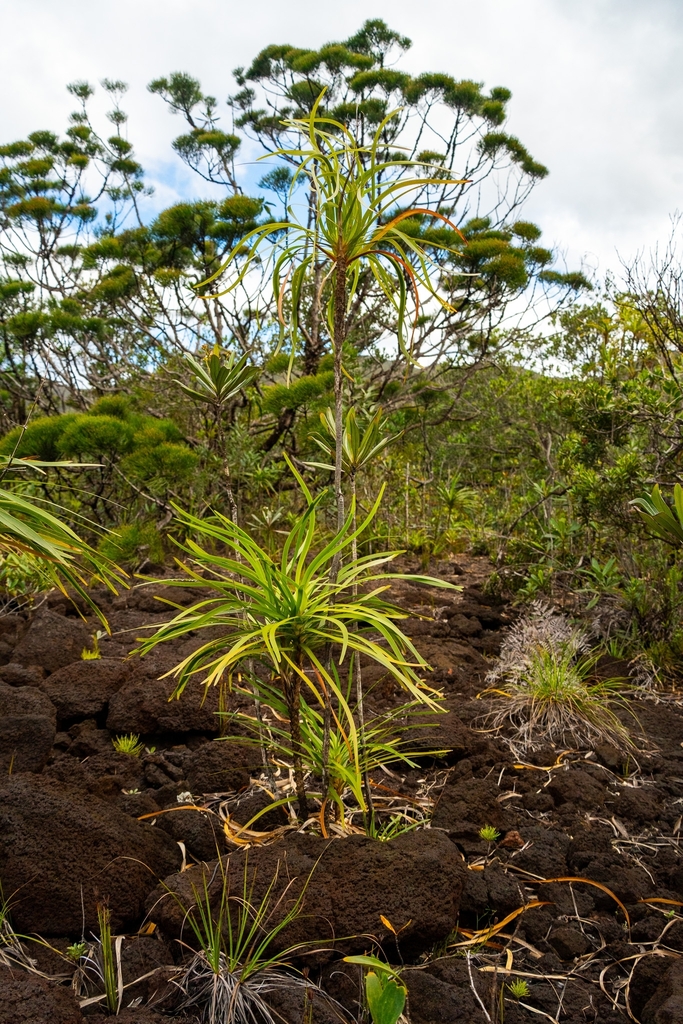
Lomandra insularis
1. Introduction & Taxonomy
The mat rushes of the genus Lomandra are among Australia's most versatile and resilient landscape plants, and Lomandra insularis exemplifies the genus's distinct toughness — tolerating drought, frost, poor soil, salt spray, and heavy foot traffic with equal composure. These grass-like perennials are increasingly used worldwide as sustainable alternatives to traditional turf and ornamental grasses. Its natural range in New Caledonia provides important clues to the growing conditions, seasonality, and environmental cues that drive its growth cycle and eventual flowering.
A curious, palmlike plant endemic to New Caledonia that looks much like a small Cordyline or Dracaena. It forms clusters of canelike stems, topped by crowns of light green, curiously curved, straplike leaves with rounded tips. The inflorescence has a beautiful feathery appearance and bears countless white flowers, followed by reddish berries in clusters of three. Other species of Lomandra are native to Australia but remain trunkless and very grass-like in appearance.
Taxonomic Classification
Habitat and Distribution
Lomandra insularis is native to Lomandra insularis is native to New Caledonia, where it occupies habitats that shape its growth form, drought adaptations, and cultivation requirements. Understanding these natural conditions is key to successful cultivation.. This species is adapted to arid and semi-arid environments and is valued for its architectural form, drought tolerance, and cultural significance.
Botanical Note: The genus Lomandra contains about 50 species of tussock-forming plants native to Australia and surrounding regions. They are extremely tough, drought-tolerant, and fire-resistant. L. longifolia (mat rush) is one of the most widely used Australian native plants in landscaping and revegetation.
Native Range & Distribution Map
The map below shows the native range and notable cultivation regions for Lomandra insularis.
2. Biology & Morphology
Growth Form & Architecture
Lomandra insularis forms a tree-like growth form characteristic of its genus, with leaves adapted to conserve water in arid environments. Flowering may be annual, periodic, or monocarpic depending on the species.
Water Conservation Strategies
Plants in this group have evolved notable strategies for surviving in arid environments. Thick, succulent leaves store water reserves. Waxy cuticles and sunken stomata reduce evaporation. CAM (Crassulacean Acid Metabolism) photosynthesis — opening stomata only at night — dramatically reduces water loss compared to conventional C3 plants.
Key Characteristics
- Height: 0.5-1m
- Growth Habit: Tussock
- Growth Rate: Moderate under optimal conditions
- Foliage: Evergreen succulent
Desert Adaptation: Agaves, yuccas, and their relatives are among the most drought-tolerant plants on Earth. Their architectural forms, water-storing tissues, and efficient photosynthetic pathways make them ideally suited to xeriscaping and low-water gardens in an era of increasing water scarcity.
Notable Adaptations
The biology of Lomandra insularis reflects the general adaptations of its genus — rosette growth, succulent or fibrous leaves, and reproductive strategies adapted to the challenging environments where these plants evolved. Many species in this group employ CAM photosynthesis, store water in fleshy tissues, and are adapted to periodic drought.
3. Reproduction & Propagation
The primary propagation method for Lomandra insularis: Seeds.
Propagating Lomandra insularis
Lomandra insularis can be propagated from seeds, offsets, or stem cuttings depending on the species. Seeds should be sown fresh for best germination rates in well-drained, sandy medium at 20–25 °C. Offsets or divisions from established plants provide the fastest route to mature specimens and preserve desirable characteristics.
Seeds of Lomandra insularis should be sown in a well-draining, mineral-rich mix. Maintain at 20–25°C and keep slightly moist but never waterlogged. Germination time varies from 1–12 weeks depending on species.
Vegetative Propagation
- Offsets/Pups: Many agave-family plants produce basal offsets that can be separated from the parent plant. Allow the cut surface to dry for several days before planting in dry, well-draining mix.
- Bulbils: Some agaves and furcraeas produce bulbils (plantlets) on their flower spikes. These can be detached and planted directly.
- Stem Cuttings: Dracaenas, cordylines, and yuccas can be propagated from stem sections. Cut into 15–30 cm lengths, allow to callus, and plant vertically in sandy mix.
Propagation Tips: (1) Always allow cut surfaces to dry and callus before planting to prevent rot. (2) Use extremely well-draining substrate (50%+ mineral content). (3) Water sparingly until roots establish. (4) Bottom heat (20–25°C) improves rooting success. (5) Protect young plants from intense sun until established.
4. Cultivation Requirements
Lomandra insularis performs best in bright conditions with well-drained soil and moderate watering. Provide full sun to light shade depending on the species and climate. Good drainage is essential — waterlogged soils promote root disease. In tropical regions, some species tolerate higher humidity and rainfall than their desert-dwelling relatives.
Soil / Substrate
Well-draining substrate is the single most important requirement. Most species in this group are killed by waterlogging far more often than by drought or cold. Use a mineral-rich mix with excellent drainage.
Watering
Water moderately during the growing season, allowing the top few centimeters of soil to dry between waterings. Reduce watering in autumn and winter. These plants are adapted to seasonal drought. Good drainage is more important than watering frequency.
Light Requirements
Full sun is essential for most species. At least 6–8 hours of direct sunlight daily for optimal growth and coloring.
Temperature
- Optimal Growth: 15–35°C (59–95°F)
- Minimum Tolerance: -5°C (23°F)
- USDA Hardiness: Zones 9-12
Fertilization
Apply balanced fertilizer monthly during the growing season. Reduce or stop feeding in winter. Organic options include compost tea and dilute seaweed extract.
Critical Cultivation Rule: For agaves, yuccas, and their relatives, drainage is everything. These plants can survive extreme drought, heat, and cold — but they cannot survive sitting in wet soil. If in doubt, water less. A plant that looks slightly thirsty is far healthier than one with rotting roots.
Seasonal Care Calendar
Follow this season-by-season guide for optimal care throughout the year.
🌱 Spring (March–May)
Begin active growing season care — water regularly, feed monthly with balanced liquid fertiliser. Repot if needed. Move outdoor containers back outside after last frost. Monitor for pest emergence.
☀️ Summer (June–August)
Peak growing season — water consistently and feed regularly. Provide appropriate light levels for the species. Monitor for pests and diseases. Maintain humidity for tropical species.
🍂 Fall (September–November)
Reduce watering and feeding as growth slows. In temperate climates, prepare to move container plants indoors before first frost. Clean up dead foliage.
❄️ Winter (December–February)
In tropics, continue normal care with reduced watering. In temperate climates, overwinter in a bright, frost-free position. Water sparingly. Do not feed dormant or semi-dormant plants.
5. Diseases & Pests
Lomandra insularis is susceptible to the standard range of succulent and xerophyte pests and diseases. Root rot from waterlogged soil is the most common concern. Scale insects, mealybugs, and spider mites are the primary insect pests. Fungal diseases including leaf spots and crown rot affect plants in humid conditions. Good drainage, appropriate watering, and air circulation prevent most problems.
Major Problems
Root & Crown Rot
The most common cause of death in agaves and their relatives. Waterlogged soil, poor drainage, and overhead watering create ideal conditions for Phytophthora and bacterial rot. Symptoms: soft, mushy base; yellowing outer leaves; foul smell. Prevention: ensure perfect drainage and avoid water sitting in the crown.
Agave Snout Weevil (Scyphophorus acupunctatus)
A devastating pest of agaves and related plants. Adult weevils bore into the heart of the plant, introducing bacteria that cause fatal rot. By the time symptoms are visible, the plant is usually beyond saving. Prevention: apply systemic insecticide (imidacloprid) preventively to at-risk specimens.
Common Pests
- Scale Insects & Mealybugs — Sap-sucking insects that shelter under leaves and in crevices. Control with horticultural oil, neem oil, or rubbing alcohol on a cotton swab.
- Thrips — Tiny insects that cause silvery scarring on leaves. Usually cosmetic damage only. Control with neem oil or insecticidal soap if severe.
- Slugs & Snails — Can damage young plants and seedlings. Use slug pellets, copper tape, or beer traps.
- Agave Beetle — Larvae bore into leaves and stems. Remove affected material and destroy.
Integrated Pest Management: (1) Ensure excellent air circulation and drainage. (2) Avoid overhead watering. (3) Inspect new plants carefully before adding to collections. (4) Remove dead leaves promptly. (5) Apply preventive systemic insecticide to valuable agave specimens in areas where snout weevil is present.
Additional Disease & Pest Considerations
The most common cause of death for rosette succulents in cultivation is root rot from overwatering or poor drainage. Plants from arid habitats are particularly susceptible when grown in heavy, moisture-retentive soils or watered on a schedule designed for conventional garden plants. Water only when the soil is thoroughly dry.
6. Indoor Growing Guide
Lomandra insularis is primarily an outdoor plant, but smaller specimens can be maintained in containers in a bright conservatory or on a sunny windowsill. Provide maximum light, water sparingly, and ensure excellent drainage. Rotate the plant regularly for even growth.
Container Cultivation
Use a heavy terracotta or ceramic pot with generous drainage holes. Choose a pot that is proportionate to the plant — these species prefer being slightly pot-bound. Use a fast-draining cactus/succulent mix with 50% mineral components.
Light & Environment
Maximum light is essential. Place in the brightest available position — a south-facing window is ideal. Maintain moderate humidity for tropical species. Mist occasionally or use a humidity tray. Supplemental grow lights can help during winter months.
Overwintering Indoors
Move frost-tender species indoors before the first frost. A bright, cool, frost-free position (5–10°C) is ideal for winter. Reduce watering to near zero. The cool, dry rest period promotes flowering in many species.
Indoor Success Tips: For agaves and yuccas indoors, the motto is: bright, dry, and neglected. These plants thrive on minimal care. Overwatering and insufficient light are the most common indoor problems. A sunny windowsill and watering once a month in winter is often sufficient.
7. Landscape Use & Design
Lomandra insularis contributes architectural form and drought tolerance to landscape plantings. Position as a specimen where the rosette form and eventual flowering display can be appreciated. Xeriscaping — combining beauty with water conservation — is increasingly popular and species like this are ideal candidates.
Design Applications
- Xeriscaping: Combine with other drought-tolerant plants — cacti, euphorbias, ornamental grasses, and Mediterranean herbs — for a water-wise garden that needs minimal irrigation.
- Architectural Accent: Use large specimens as focal points at entrances, in courtyards, or at the center of gravel gardens.
- Container Display: Smaller species and varieties make stunning container plants for patios, balconies, and rooftop gardens.
- Rock Garden: Combine with boulders, gravel mulch, and alpine/arid plants for a naturalistic desert or Mediterranean effect.
Companion Planting
Create stunning desert gardens by combining agave-family plants with:
- Ornamental grasses — Nassella, Muhlenbergia, Stipa provide feathery contrast to bold rosette forms
- Cacti & succulents — Opuntia, Echinocactus, Euphorbia create diverse desert compositions
- Mediterranean shrubs — lavender, rosemary, santolina add fragrance and color
- Gravel & boulders — mineral mulches complement the austere beauty of desert plants
Xeriscaping & Water Conservation: In an era of increasing water scarcity, agaves, yuccas, and their relatives offer a compelling alternative to water-hungry lawns and traditional plantings. A well-designed xeriscape can be as beautiful as a conventional garden while using 50–75% less water. These architectural plants are the backbone of any water-wise design.
8. Fiber & Economic Uses
While Lomandra insularis is primarily cultivated as an ornamental and landscaping plant, many species in this group have significant economic uses. The agave family produces fibers (sisal, henequen, fique), beverages (tequila, mezcal, pulque, sotol), food products (agave syrup), and traditional medicines.
Traditional & Modern Uses
- Fiber: Sisal (Agave sisalana), henequen (A. fourcroydes), and fique (Furcraea) produce strong natural fibers for rope, twine, and textiles.
- Beverages: Tequila (A. tequilana), mezcal (various Agave spp.), pulque (A. salmiana), and sotol (Dasylirion spp.) are economically important spirits.
- Food: Agave syrup, roasted agave hearts (traditionally pit-roasted), and yucca flowers are edible products.
- Medicinal: Traditional uses include anti-inflammatory preparations, wound healing, and digestive remedies from various species.
Ornamental & Horticultural Value
The primary economic value of most species in cultivation is ornamental. Agaves, yuccas, and their relatives are increasingly popular in modern landscape design, green architecture, and the global succulent plant trade. Rare species and cultivars command premium prices among collectors.
Sustainability Note: As global demand for natural fibers, sustainable agriculture, and low-water landscaping grows, agave-family plants are increasingly recognized for their economic and environmental potential. Many species thrive on marginal land unsuitable for conventional agriculture, offering income opportunities in arid and semi-arid regions.
9. Ethnobotany & Cultural Significance
Rosette-forming succulents and xerophytes have been central to human cultures in arid regions worldwide. As sources of fibre, food, drink, medicine, and building material, plants like Lomandra insularis have sustained civilisations in environments where few other plants can thrive. This deep relationship between people and desert plants continues to drive ethnobotanical research and sustainable development initiatives. The conservation of succulent and xerophyte diversity depends on both habitat protection in the wild and responsible cultivation. Growing Lomandra insularis from legally sourced seed or offsets contributes to the long-term preservation of this species and helps maintain the genetic diversity essential for future adaptation to changing climates.
Conservation Note: Many agave-family species are threatened by habitat loss, overharvesting, and climate change. By growing Lomandra insularis from responsibly sourced seeds, you contribute to the conservation of these notable desert plants and their ecosystems.
Frequently Asked Questions
How much water does Lomandra insularis need?
Lomandra insularis is drought-adapted and requires far less water than conventional garden plants. Water deeply but infrequently — allow the soil to dry completely between waterings. Overwatering and poor drainage are the most common causes of death in succulent and xerophytic plants. In winter, reduce watering further or stop entirely for dormant species.
When does Lomandra insularis flower?
Flowering in Lomandra insularis depends on the species, age, and growing conditions. Many rosette-forming succulents require several years of growth before reaching flowering maturity. Full sun, appropriate seasonal temperature changes, and good overall health promote flowering. Some species are monocarpic (flower once then die), while others flower repeatedly.
Can I grow Lomandra insularis in a cold climate?
Lomandra insularis is best suited to USDA zones 9-12 (minimum approximately -5°C (23°F)). In colder climates, container culture with winter protection indoors is the most reliable approach. A bright, frost-free conservatory or greenhouse maintained above 5–10 °C provides suitable overwintering conditions. Move containers outdoors after the last spring frost.
What soil does Lomandra insularis need?
Lomandra insularis requires extremely well-drained soil. A mix of coarse sand, perlite, and a small amount of compost or loam — mimicking the lean, rocky soils of its native habitat — is ideal. In the ground, raised beds or mounded planting positions improve drainage in regions with heavy clay or frequent rainfall. Avoid rich, moisture-retentive potting mixes designed for conventional garden plants.
Is Lomandra insularis toxic to pets?
Many rosette-forming plants in the Asparagaceae family contain saponins that can cause gastrointestinal upset in cats and dogs if ingested. The sharp leaf tips and spines of species like Lomandra insularis also pose a physical hazard. Position plants out of reach of curious pets and children. Consult a veterinarian if you suspect your pet has ingested plant material.
Summary & Key Takeaways
Lomandra insularis is a distinctive member of the genus Lomandra, native to New Caledonia. Hardy to approximately -5°C (23°F) (USDA zones 9-12), it requires warm conditions and frost protection in cooler climates. As a member of the mat rushes, it belongs to the Asparagaceae and displays grass_like growth in warm_temperate climates.
Key Points to Remember:
- Propagation: Seeds, offsets, or stem cuttings (genus-dependent)
- Light: Full sun for most species
- Substrate: Extremely well-draining, mineral-rich mix
- Watering: Sparingly — allow to dry completely between waterings
- Hardiness: USDA Zones 9-12, minimum -5°C (23°F)
- Key Feature: Architectural form, drought tolerance, and low-maintenance beauty