Marsilea azorica (Azorean Water Clover)
Marsilea azorica


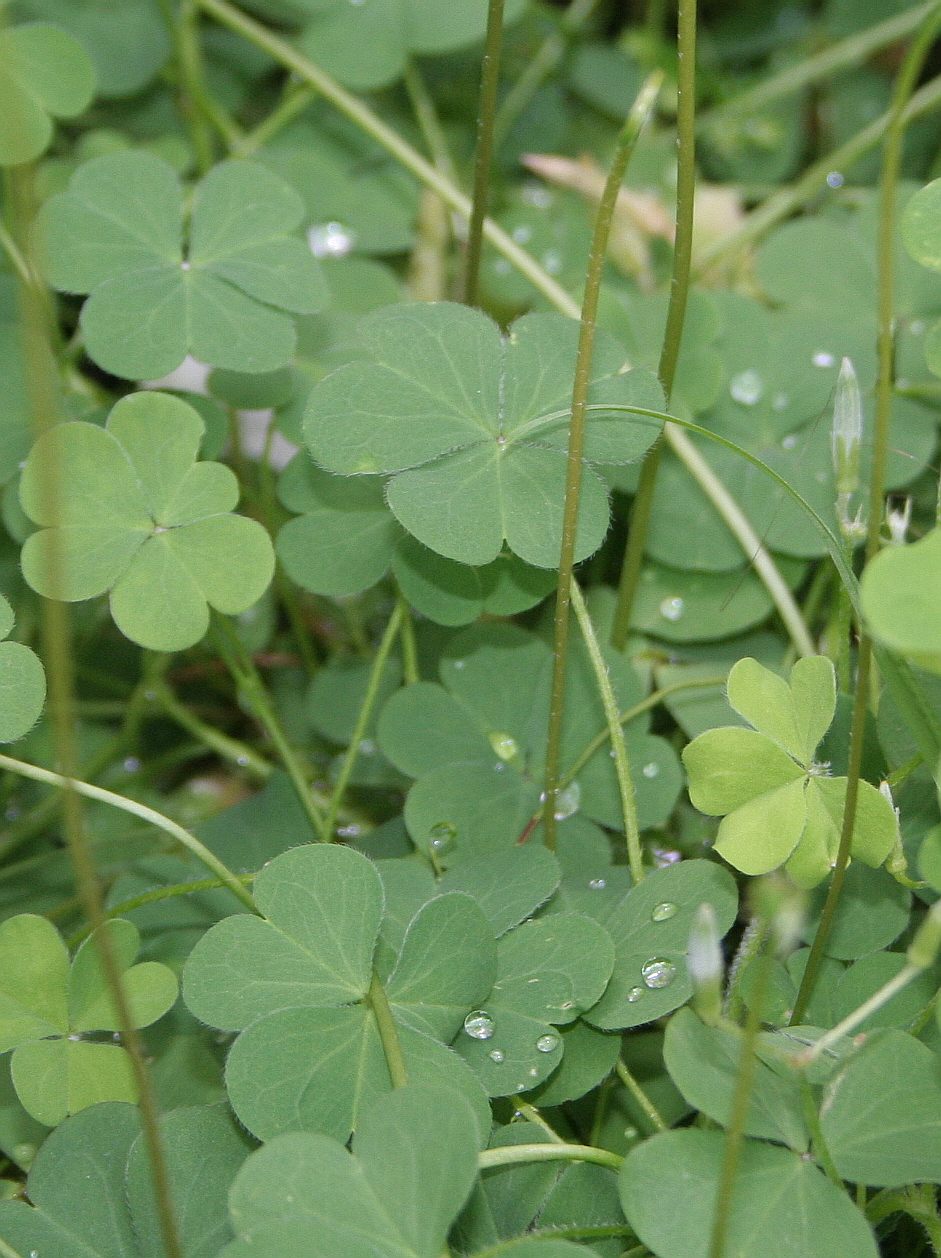
Table of Contents
Introduction & Discovery
Marsilea azorica represents one of the most intriguing cases of botanical misidentification and conservation controversy in recent fern taxonomy. Described in 1983 by E.J.O. Launert and J.A.R. Paiva from a single roadside pond on Terceira Island in the Azores archipelago, this diminutive water clover was immediately celebrated as a critically endangered endemic to the isolated volcanic islands of the North Atlantic. Its discovery triggered emergency conservation measures, inclusion on the IUCN Red List as Critically Endangered, and strict protection under the Bern Convention and European Union Habitats Directive. The species became a flagship for Azorean biodiversity conservation, representing the fragile uniqueness of Macaronesian island flora. However, in 2011, comprehensive molecular phylogenetic analysis combined with detailed morphological comparison overturned this narrative entirely. Researchers demonstrated that M. azorica is taxonomically indistinct from Marsilea hirsuta R.Br., an Australian species widely cultivated in the aquarium trade and naturalized across the southern United States, particularly Florida. DNA evidence strongly suggests that the Azorean population originated as a recent introduction from North American aquarium stock rather than representing ancient island endemism. This revelation transformed M. azorica from a conservation priority into an invasive species concern, illustrating how taxonomic precision is fundamental to effective biodiversity protection. Despite its controversial status, M. azorica remains botanically as a clover fern perfectly adapted to the ephemeral wetland habitats characteristic of volcanic island ecosystems, whether native or introduced.
Discovery & Naming
The discovery narrative of Marsilea azorica represents one of modern botany's most instructive cases of taxonomic revision and the critical importance of molecular phylogenetics in conservation biology. In 1983, German botanist E.J.O. Launert and Portuguese botanist Jorge Américo Rodrigues Paiva formally described M. azorica based on specimens collected from a single roadside pond on Terceira Island in the Azores archipelago. The authors noted morphological features they considered distinctive enough to warrant species status, particularly characteristics of the sporocarps and frond pubescence. Given the Azores' extreme geographic isolation and well-documented phenomenon of island endemism, the interpretation of this population as a unique species seemed entirely reasonable. The new species triggered immediate conservation alarm. With a known global population restricted to one small pond on a single island, M. azorica was rapidly classified as Critically Endangered by the IUCN Red List using criterion D (extremely restricted population). The species gained protection under the Bern Convention (Convention on the Conservation of European Wildlife and Natural Habitats) and was designated a priority species under the European Union's Habitats Directive (92/43/EEC), receiving the strictest level of legal protection available in European environmental law. Conservation resources were allocated to monitoring the population and preventing habitat degradation of the type locality. However, in 2011, a team of researchers led by Vasco et al. published a landmark study in Systematic Botany that fundamentally overturned this narrative. Using DNA sequence data from multiple chloroplast and nuclear markers combined with detailed morphological analysis, they demonstrated that Azorean Marsilea specimens were genetically indistinguishable from Marsilea hirsuta, a species described by Robert Brown in 1810 from Australian specimens. Furthermore, phylogeographic analysis indicated the Azorean population was most closely related to naturalized North American populations, particularly those in Florida, rather than representing ancient Atlantic island endemism. The researchers concluded that M. azorica was a recent introduction to the Azores, likely via the aquarium trade, and should be removed from conservation priority lists while being monitored as a potential invasive species. This discovery highlighted how molecular tools can dramatically reshape our understanding of biodiversity patterns and conservation priorities.
Frond Morphology
Marsilea azorica exhibits the distinctive tetrafid leaf architecture characteristic of the genus Marsilea, producing fronds that superficially resemble four-leaf clovers but are structurally modified fern leaves (megaphylls) rather than true clover leaflets. Each frond consists of a slender petiole (stipe) 2-8 cm long arising from creeping rhizomes, terminating in four fan-shaped pinnae arranged in a perfect cruciform pattern. Individual pinnae are broadly obovate to wedge-shaped, 4-12 mm long and 3-10 mm wide, with smooth to slightly undulate margins and delicate venation radiating from the base in a fan pattern. The fronds display notable morphological plasticity in response to water depth and environmental conditions. Submerged fronds develop shorter petioles (2-4 cm) and remain compact, with leaflets lying flat against the substrate to form dense carpets in aquarium cultivation. Emergent fronds elongate dramatically, developing petioles up to 8 cm that lift the leaflets above the water surface for improved gas exchange and photosynthesis. Floating fronds orient leaflets horizontally on the water surface, maximizing light capture while maintaining buoyancy. Frond surfaces are covered with fine, appressed hairs (trichomes) that give the plant a slightly fuzzy texture and contribute to the species epithet when considering its synonymy with M. hirsuta. Leaf color ranges from bright medium green in high light to darker forest green under shaded conditions. The rhizomes are slender, 0.5-1.5 mm diameter, freely branching and producing adventitious roots at nodes every 1-3 cm. This creeping growth habit enables rapid vegetative colonization of suitable habitat, whether pond margins in the Azores or aquarium substrates worldwide.
Native Range & Distribution Map
Distribution map showing the native range of Marsilea azorica.
Biology & Frond Morphology
Marsilea azorica exhibits the heterosporous reproductive biology characteristic of the Marsileaceae family, producing two distinct types of spores within specialized reproductive structures called sporocarps. These bean-shaped sporocarps, 3-8 mm in diameter, represent highly modified fertile leaves (sori) encased in a hardened, desiccation-resistant outer wall that can remain viable for decades or even up to 100 years in dry conditions according to studies of Australian Marsilea species. The sporocarps develop on short stalks 5-15 mm long near the base of vegetative fronds, typically appearing during summer months in response to day length and temperature cues. Inside each sporocarp, multiple sori develop along a gelatinous elongated tissue called the sorophore. Each sorus contains both megasporangia (producing large female megaspores, typically one per megasporangium) positioned centrally, and numerous microsporangia (producing many tiny male microspores) arranged peripherally. This spatial segregation of spore types is covered by a thin protective indusium. When mature sporocarps are wetted after a dry period, they absorb water, split along a natural dehiscence line, and the sorophore emerges as a gelatinous worm-like structure that can extend to several centimeters, carrying the sporangia into the water where spores are released. Megaspores germinate to produce archegonia (female gametophytes), while microspores produce antheridia (male gametophytes) that release motile sperm requiring water for fertilization. This alternation of generations allows sexual reproduction during wet seasons while the drought-resistant sporocarps ensure survival through Mediterranean-type climates with pronounced dry seasons. Vegetative reproduction via rhizome fragmentation is equally important, enabling rapid clonal expansion that likely facilitated the species' establishment in the Azores and its success as an aquarium plant worldwide.
Spore Dispersal
Sporocarp dispersal in Marsilea azorica follows a dual strategy optimized for both local colonization and long-distance transport to new wetland habitats. The bean-shaped sporocarps, with their hard, water-resistant outer coating, function as specialized dispersal units that can survive extended periods of desiccation, mechanical abrasion, and even passage through animal digestive systems. In the species' original Azorean habitat—a single roadside pond on Terceira Island—sporocarps likely dispersed locally via water flow during seasonal flooding, adhering to mud on the feet and feathers of migratory waterbirds, or in tire treads and agricultural equipment that contacted the pond margin. The long-distance introduction from Florida to the Azores, as revealed by molecular evidence, almost certainly occurred through the international aquarium trade. Sporocarps are frequently present as contaminants in aquatic plant shipments, aquarium substrate materials, or deliberately included in commercial water clover cultures. Their extreme longevity allows sporocarps to survive shipping delays, warehouse storage, and variable environmental conditions. Once introduced to a new water body, sporocarps settle into sediment or pond margins where they can remain dormant for years until favorable wet conditions trigger germination. The gelatinous sorophore that emerges during germination serves a critical dispersal function at the microscale. Its mucilaginous coating allows the entire structure to float temporarily, carrying sporangia several centimeters from the parent sporocarp before settling. This ensures that gametophytes don't compete directly with their siblings and increases genetic mixing when multiple sporocarps germinate simultaneously. Waterfowl are likely significant dispersal vectors, with sporocarps adhering to feathers and legs during foraging. This dispersal mechanism explains both the genus Marsilea's remarkably wide global distribution (65 species across six continents) and the successful establishment of M. azorica/hirsuta in geographically isolated locations from Australia to the Azores to Florida.
Comparison with Similar Species
Marsilea azorica invites comparison with several related aquatic ferns and morphologically convergent aquatic plants that occupy similar ecological and horticultural niches. Within the genus Marsilea, the most relevant comparison involves M. quadrifolia (European water clover), M. crenata (Australian water clover), and M. minuta (dwarf water clover). M. quadrifolia produces significantly larger fronds (2-4 cm diameter leaflet clusters on 5-15 cm petioles) and prefers cooler water temperatures (15-22°C), making it better suited to temperate outdoor ponds than tropical aquariums. M. crenata occupies an intermediate position with 1.5-2.5 cm fronds and greater tolerance for hard, alkaline water (pH up to 8.0), adapting well to African cichlid aquariums where M. azorica would struggle. M. minuta represents the smallest species (0.5-1.5 cm fronds) but proves finicky in cultivation, requiring very soft water (GH below 4 dKH) and intense lighting, limiting its appeal despite theoretical advantages for ultra-compact aquascapes. Beyond Marsilea, the primary horticultural competitors for foreground carpeting applications include Glossostigma elatinoides, Hemianthus callitrichoides, and Eleocharis acicularis (dwarf hairgrass). Glossostigma creates the lowest profile carpet (3-5 mm height) with small rounded leaves, but demands high CO2 injection (25-35 ppm), very high light (60-100 PAR), and nutrient-rich substrates to prevent vertical growth. H. callitrichoides produces tiny round leaves (2-3 mm diameter) forming dense mats, but shares Glossostigma's demanding requirements. Both require far more intensive management than Marsilea, which achieves satisfactory carpeting with moderate light and no CO2 injection. E. acicularis offers hardiness comparable to Marsilea but creates a distinctly different aesthetic with grass-like vertical blades rather than clover-like horizontal fronds. Ecologically, Marsilea resembles water spangles (Salvinia) and mosquito fern (Azolla) in its ability to grow both submerged and floating, though Marsilea roots in substrate while Salvinia and Azolla float freely. In wetland restoration contexts, Marsilea competes with native marginal species like rushes (Juncus), sedges (Carex), and creeping smartweed (Polygonum), sometimes forming monocultures that exclude these natives in introduced ranges. Conservation managers must distinguish between the rare native Marsilea species deserving protection versus introduced populations requiring control or eradication.
Reproduction & Propagation
Propagation of Marsilea azorica proceeds through three distinct methods: rhizome division, sporocarp germination, and tissue culture, each suited to different scales and purposes. Rhizome division represents the simplest and most reliable technique for home aquarists and terrarium enthusiasts. Select healthy established colonies with dense frond coverage and actively growing rhizomes identifiable by pale green growing tips and recently emerged fronds. Using sharp scissors sterilized in dilute bleach solution (1:10 bleach:water, rinsed thoroughly), cut rhizome sections 3-5 cm long, ensuring each contains at least 3-4 nodes with attached roots and fronds. Plant divisions immediately in prepared substrate, spacing 2-3 cm apart for carpet formation or 5-8 cm apart for slower colonization. Divisions establish within 7-10 days, producing new fronds from terminal growth points. Sporocarp propagation offers genetic diversity and long-term storage capability but requires more technical skill. Collect mature sporocarps in late summer when they have hardened and turned brown, distinguishing them from immature green sporocarps that won't germinate reliably. Dry sporocarps for 2-3 weeks at room temperature in paper envelopes, then store in cool (4-10°C), dark conditions where they remain viable for years. To germinate, scarify sporocarp surfaces lightly with fine sandpaper to breach the waterproof coating without crushing internal structures, then soak in room-temperature dechlorinated water for 24-48 hours. Germination begins within 2-7 days as the sporocarp splits and the gelatinous sorophore emerges carrying sporangia. Transfer germinating sporocarps to shallow trays (2-3 cm water depth) with fine sandy substrate enriched with aquarium soil. Within 2-3 weeks, tiny gametophytes develop, followed by fertilization and emergence of the first sporophyte fronds. These juvenile plants grow slowly, requiring 8-12 weeks to reach transplant size (3-4 fronds per plant). Tissue culture propagation enables commercial-scale production in sterile conditions, producing disease-free stock plants. This advanced technique requires laminar flow hoods, autoclaves, and specialized media beyond most hobbyist capabilities, but tissue-cultured Marsilea is increasingly available commercially. These plants arrive in sealed cups containing agar gel, requiring careful acclimation to prevent shock. Rinse gel thoroughly from roots using lukewarm water, then plant immediately in aquarium substrate, maintaining 100% humidity for the first week using plastic wrap covering to ease transition from sterile to open culture.
Cultivation & Substrate
Cultivating Marsilea azorica (M. hirsuta) successfully requires understanding its dual nature as both an aquatic carpeting plant and a semi-emergent wetland species. In aquarium cultivation, the species thrives when planted in nutrient-rich substrates such as ADA Amazonia aqua soil, Carib Sea Eco-Complete, or Seachem Fluorite with a minimum depth of 2.5-5 cm for adequate root anchorage. Plant small rhizome sections 1-2 cm apart in a grid pattern, pressing rhizomes gently into the substrate with tweezers to ensure the adventitious roots make good contact with the nutrient layer. Each section should contain at least 2-3 nodes to ensure successful establishment. Lighting requirements are moderate, with 30-60 PAR (photosynthetically active radiation) optimal for promoting horizontal carpeting growth. Under high light (above 70 PAR), fronds tend to grow vertically rather than forming the desired carpet effect, while insufficient light (below 25 PAR) leads to sparse, elongated growth. Photoperiod should be maintained at 8-10 hours daily using a timer to prevent algae overgrowth while providing adequate photosynthesis time. Water parameters should target pH 6.0-7.0, general hardness (GH) 3-8 dKH, and carbonate hardness (KH) 2-6 dKH. The species tolerates slightly brackish conditions up to 3 ppt salinity but performs best in pure freshwater. Temperature management is critical: maintain 18-25°C consistently, with 20-22°C ideal for carpeting growth. Never allow sustained temperatures above 26°C, which causes rapid frond deterioration and rhizome rot. CO2 injection is beneficial but not mandatory; without CO2, expect slower growth rates of 1-2 cm lateral expansion per week, while with pressurized CO2 at 20-30 ppm, growth accelerates to 3-5 cm per week. Fertilization should include both root tabs inserted every 10 cm and liquid fertilization providing iron, potassium, and trace elements weekly. Trim overgrown areas by removing entire fronds at the rhizome junction rather than cutting petioles, which causes die-back. For emersed cultivation in paludariums or bog gardens, maintain constantly moist but not waterlogged substrates, accepting that fronds will develop longer petioles and a more upright habit compared to the submerged carpeting form.
Substrate: Nutrient-rich aquarium soil 5-7 cm depth (ADA Amazonia, Tropica Aquarium Soil, Seachem Fluorite, or Carib Sea Eco-Complete), optionally capped with 1-2 cm fine sand (0.5-1 mm grain size) for aesthetic finish and algae reduction; for terrarium/paludarium culture, use equal parts peat moss, coconut coir, and aquarium soil; avoid plain gravel or sand without heavy supplementation 6.0-7.0 optimal for both aquatic and semi-terrestrial cultivation; tolerates 5.5-7.5 range but growth slows outside optimal window; pH above 7.5 causes iron precipitation reducing nutrient availability and triggering chlorosis Root fertilizer tabs containing chelated iron (Fe-EDTA or Fe-DTPA), potassium sulfate, and trace elements inserted every 8-10 cm, renewed every 2-3 months; weekly liquid fertilization with comprehensive aquarium fertilizer (Seachem Flourish, Tropica Premium) at label rates; avoid copper-containing fertilizers exceeding 0.5 ppm; clay-based amendments (laterite, akadama) enhance cation exchange capacity in sand-based substrates Not applicable for permanent aquarium installations; for container water gardens, refresh substrate annually in spring by removing 50% of old material and replacing with fresh aquarium soil; outdoor pond cultivation requires sediment removal every 2-3 years if organic accumulation exceeds 10 cm depth creating anaerobic conditions; terrarium installations benefit from substrate replacement every 18-24 months when nutrient depletion causes persistent chlorosis despite fertilization
Water: Soft to moderate hardness
Light: Moderate to bright indirect light, 30-60 PAR optimal, adapts to both submerged low-light and emergent high-light conditions, 6-10 hours daily for carpeting growth
Humidity: Aquatic / 80-100%
Common Mistakes to Avoid
The most prevalent cultivation error with Marsilea azorica involves planting in nutrient-deficient substrates such as plain gravel or sand without supplemental fertilization. Unlike many aquatic plants that derive nutrients primarily from the water column, Marsilea species are heavy root feeders requiring access to iron, potassium, nitrogen, and phosphorus in the substrate. Plants grown in inert substrates develop yellowing fronds (chlorosis), stunted growth with inter-node spacing exceeding 5 cm, and failure to form the dense carpeting habit that makes the species desirable. The solution requires either complete substrate replacement with nutrient-rich options or aggressive supplementation with root tabs inserted every 8-10 cm. Temperature mismanagement represents another critical failure point. Many aquarists maintain tropical community tanks at 26-28°C, temperatures that cause Marsilea azorica to enter stress mode with rapid frond die-back, rhizome rot, and eventual colony collapse. Symptoms include fronds that yellow from the tips downward, petioles that detach from rhizomes leaving bare stems, and cessation of new growth. Once heat stress begins, recovery is difficult even after temperature correction. Preventive measures include positioning the aquarium away from direct sunlight and heating vents, using a reliable aquarium chiller if ambient room temperatures exceed 25°C, or selecting alternative carpeting species better suited to warmer conditions. Lighting errors manifest in two opposite directions. Excessive light (above 70 PAR) triggers etiolation with vertical rather than horizontal growth, producing tall forests of upright fronds rather than tight carpets. Conversely, insufficient light (below 25 PAR) causes sparse growth with long bare rhizome sections between fronds. Many aquarists fail to measure actual PAR values at substrate level, relying instead on vague assessments of "moderate light." Investing in an inexpensive PAR meter (30-50 EUR) eliminates guesswork. Additionally, failure to maintain consistent photoperiods by manually operating lights rather than using timers creates unstable growing conditions that prevent optimal carpeting. Algae overgrowth frequently occurs when photoperiods exceed 10 hours daily, smothering the relatively slow-growing Marsilea with fast-growing filamentous and hair algae that requires manual removal and light reduction to control.
Seasonal Considerations
Seasonal care requirements for Marsilea azorica vary dramatically depending on whether the species is maintained in indoor controlled environments or outdoor pond installations. In aquarium settings, conditions remain stable year-round, requiring only minor adjustments to fertilization schedules and lighting duration. During winter months when natural daylight decreases, maintain consistent 8-10 hour photoperiods using timers to prevent circadian disruption. Growth rates slow slightly in winter even under controlled conditions, potentially due to subtle changes in barometric pressure or other environmental cues; reduce liquid fertilization frequency from weekly to bi-weekly to match decreased nutrient uptake. For outdoor pond cultivation in USDA Zones 9-11, seasonal management becomes more intensive. Spring (March-May) represents the primary growth season as water temperatures rise above 15°C and day length increases. This is the optimal period for dividing established colonies and introducing new plantings. Apply slow-release aquatic fertilizer tablets (10-14-8 NPK) at 1 tablet per 0.5 m² of pond surface in April to support vigorous spring growth. Monitor for sporocarp formation during May-June as increasing temperatures and day length trigger reproductive development. Summer care (June-September) focuses on temperature management and water level maintenance. In shallow ponds, water temperatures can exceed the species' 26°C tolerance threshold during heat waves; provide shade using floating plants (Pistia, Eichhornia) or shade cloth reducing solar radiation by 30-40%. Water levels naturally decrease through evaporation during summer; maintain minimum 5 cm depth over rhizomes to prevent desiccation of vegetative tissue, though sporocarps can tolerate complete drying. Remove excess growth monthly to prevent Marsilea from forming impenetrable mats that exclude other aquatic species. Autumn and winter (October-February) require preparing plants for temperature extremes. In Zone 9, outdoor plants typically survive winters with minimal protection if water depth exceeds 15 cm, preventing complete freezing. In Zone 8 or during unusual cold snaps, drain ponds to 2-3 cm depth allowing sporocarp formation, then cover with thick mulch (10-15 cm straw or leaves). Sporocarps overwinter successfully in frozen mud, germinating when conditions improve in spring. Alternatively, collect sporocarps in autumn and store dry in paper envelopes at 4-10°C, reintroducing them to ponds in April for reliable regeneration.
Diseases & Pests
Marsilea azorica demonstrates notable disease resistance compared to many aquatic plants, with most health problems stemming from environmental stress rather than infectious pathogens. However, several specific disorders warrant attention. Rhizome rot, caused by anaerobic bacteria in oxygen-depleted substrates, manifests as blackening rhizome tissue with foul odor, detachment of fronds leaving bare rhizome sections, and progressive colony die-back. This condition develops in compacted clay substrates or areas with excessive organic debris accumulation creating anoxic zones. Prevention requires using coarse, well-draining substrates and avoiding overfeeding in aquariums where uneaten food settles around Marsilea roots. Treatment involves removing affected rhizome sections with sterilized tools, improving substrate aeration, and reducing organic loading. Chlorosis (yellowing fronds) represents a nutritional disorder rather than infectious disease, typically indicating iron deficiency or general macronutrient depletion. Fronds yellow from tips downward while veins remain briefly green, eventually progressing to complete bleaching. Iron chelate supplements added to the water column provide temporary relief, but long-term resolution requires addressing substrate fertility through root tab insertion or complete substrate replacement. Chronic chlorosis weakens plants, making them susceptible to secondary algae overgrowth and opportunistic fungal infections. Algae overgrowth, while not a disease per se, represents the most common threat to Marsilea health in aquarium culture. Filamentous green algae (hair algae) colonizes frond surfaces, smothering photosynthetic tissue and causing frond death. Blue-green algae (cyanobacteria) forms gelatinous mats over carpets, releasing toxins that inhibit fern growth. Both conditions result from nutrient imbalances, excessive lighting, or irregular maintenance. Control measures include reducing photoperiod to 6-8 hours, implementing weekly 25-30% water changes, introducing algae-eating shrimp (Caridina, Neocaridina) or snails (Neritina), and spot-treating cyanobacteria with hydrogen peroxide (1 mL of 3% solution per 4 liters of aquarium water, applied directly to affected areas with a syringe). Fungal infections occasionally affect sporocarps stored in excessively humid conditions, producing white or gray fuzzy growth. Prevent by ensuring sporocarps are completely dry before storage and maintaining storage humidity below 50%. Infected sporocarps should be discarded as fungal penetration destroys internal spore viability.
Indoor Growing & Terrariums
Marsilea azorica ranks among the most versatile aquatic ferns for indoor cultivation, adapting successfully to aquariums, paludariums, terrariums, and even conventional houseplant containers with appropriate water management. For aquarium cultivation, the species functions primarily as a foreground carpeting plant in the aquascaping tradition, creating lush green lawns reminiscent of terrestrial grass but requiring submersion. Select aquariums with minimum 40 cm front-to-back depth to accommodate proper lighting gradients and provide adequate carpeting space; nano tanks (30 liters or less) work well for small Marsilea displays. Substrate depth should be 5-7 cm of nutrient-rich aquarium soil, sloped to create depth variation with shallower areas toward the front. Plant small rhizome divisions in a grid pattern with 2 cm spacing for rapid carpet formation, or 4-5 cm spacing for slower, more economical coverage. Initial establishment requires 3-4 weeks during which growth appears minimal; resist the urge to replant or adjust during this critical rooting phase. Install moderate lighting (30-60 PAR) on a timer set for 8-10 hours daily, positioning lights 25-35 cm above the water surface for 40-60 cm deep tanks. Water parameters should remain stable: temperature 20-22°C, pH 6.5-7.0, GH 4-8 dKH, with weekly 25-30% water changes using dechlorinated tap water or reverse osmosis water remineralized to appropriate hardness. For paludarium installations, create a transitional zone where Marsilea bridges aquatic and terrestrial sections. Plant along the waterline where rhizomes receive constant moisture from both substrate capillary action and occasional submersion from water circulation. The fronds will adopt an emergent habit with longer petioles and more upright leaflet orientation compared to fully submerged growth. Mist emergent fronds daily using dechlorinated water to prevent desiccation and maintain the high humidity (70-90%) that promotes optimal growth. In terrarium culture, Marsilea creates naturalistic wetland vignettes when combined with mosses, small ferns, and moisture-loving flowering plants. Use closed or semi-closed terrarium designs maintaining ambient humidity above 60%. Create a shallow water feature or saturated substrate zone where rhizomes remain constantly moist without complete submersion. Lighting requirements increase slightly for terrarium culture compared to aquariums due to glass refraction and greater distance from light source; provide 3000-5000 lux (approximately 40-60 PAR equivalent) for 10-12 hours daily using full-spectrum LED fixtures. Unconventional indoor cultivation is possible in wide, shallow bowls or bonsai training pots maintained as aquatic features. Fill containers with 3-5 cm nutrient-rich substrate and 2-4 cm water, positioning in bright indirect light (east or west-facing windows) with supplemental artificial lighting during winter. This desktop water garden approach requires weekly water topping to compensate for evaporation and monthly dilute liquid fertilization (quarter-strength standard aquarium fertilizer).
Terrarium Setup
Marsilea azorica excels in terrarium and paludarium installations where its amphibious nature can be fully expressed. For closed terrarium setups, begin with a 30-50 cm tall glass container providing adequate headroom for emergent frond growth. Layer drainage materials starting with 3-4 cm of lava rock or expanded clay pellets (LECA), followed by a mesh screen to prevent substrate mixing, then 5-7 cm of nutrient-rich terrarium soil mix consisting of equal parts peat moss, coconut coir, and aquarium soil capped with 1-2 cm fine sand or sphagnum moss to reduce algae growth on the surface. Create a shallow water feature by excavating a depression 2-4 cm deep in one section of the terrarium, allowing Marsilea rhizomes to colonize both the saturated margins and the submerged center. Fill the depression with dechlorinated water to just below the substrate surface elsewhere, creating a moisture gradient from fully aquatic to merely damp. Plant rhizome sections at 1-2 cm spacing around the water feature, ensuring nodes make firm contact with substrate. The closed terrarium environment provides ideal humidity (80-95%) without additional misting, though brief daily ventilation for 10-15 minutes prevents excessive condensation and fungal growth. Lighting should provide 2000-4000 lux (approximately 30-50 PAR equivalent) for 10-12 hours daily using full-spectrum LED grow lights positioned 20-30 cm above the terrarium top. Temperature management is critical in closed systems where heat accumulates; maintain 18-24°C by avoiding direct sunlight and providing adequate air circulation around the exterior. For paludarium installations with flowing water, position Marsilea in the shallow splash zone or along stream margins where rhizomes receive constant moisture without deep submersion. The flowing water prevents stagnation and provides nutrient replenishment, supporting more vigorous growth than static terrarium conditions. Companion plants include moisture-loving ferns (Nephrolepis, Pteris), mosses (Fissidens, Taxiphyllum), and small Cryptocoryne species that share similar humidity and light requirements. Prune aggressively every 4-6 weeks to prevent Marsilea from overwhelming slower-growing companions, removing entire fronds at the rhizome junction and dividing colonies when they exceed 10 cm diameter.
Landscape & Garden Use
Marsilea azorica can be used in the garden wherever its hardiness and habitat preferences are matched. Ferns are classic choices for shaded borders, woodland gardens, stumperies, rockeries, stream-side plantings, and ground-cover under trees.
Landscape Tips
- Companions: Hostas, Astilbe, Heuchera, Tiarella, Epimedium, hellebores, snowdrops and other shade-tolerant perennials are classic partners.
- Soil preparation: Incorporate leaf mould or composted bark to improve moisture retention and mimic a forest floor.
- Mulching: A 3–5 cm mulch of chipped bark or leaf litter protects the rhizomes, conserves moisture, and slowly releases nutrients.
- Watering: Establish new plantings with regular deep watering during the first growing season; most hardy ferns need only occasional supplemental irrigation once established.
Conservation & Collector Notes
The conservation status of Marsilea azorica represents one of the most dramatic reversals in plant conservation history, transforming from Critically Endangered to invasive alien species within a single taxonomic revision. As originally described in 1983, M. azorica appeared to meet all criteria for extreme conservation concern under IUCN Red List standards. Its entire known global distribution consisted of a single roadside pond on Terceira Island measuring less than 100 square meters, representing one of the most restricted ranges ever documented for a fern species. This extreme rarity triggered automatic classification as Critically Endangered under criterion D (population size extremely restricted) with additional vulnerability from the single location making the species susceptible to extinction from a single catastrophic event. Conservation measures implemented during the species' period of protection included regular population monitoring, fencing to exclude cattle trampling, and prohibition of pond drainage or modification under European Union Habitats Directive Annex II priority species designation. The Azorean regional government allocated resources for habitat management, and the species appeared in conservation prioritization schemes for Macaronesian island biodiversity. Scientific publications emphasized M. azorica as a flagship species demonstrating the conservation value of oceanic island wetlands. The 2011 molecular phylogenetic analysis by Vasco et al. completely reversed this conservation narrative by demonstrating that M. azorica represents a recent introduction of the widespread Australian species M. hirsuta rather than an endemic taxon. Marsilea hirsuta maintains a conservation status of Least Concern globally due to its extensive native range across Australia and naturally occurring populations throughout tropical and subtropical Asia. The species demonstrates no evidence of population decline, faces no major threats in its native range, and actually expands its distribution through naturalization in introduced regions including the southeastern United States. Conservation authorities subsequently removed M. azorica from protection lists, with the European Commission's Habitats Directive no longer according it priority status. Current management recommendations for the Azorean population focus on invasive species monitoring rather than protection, though the small population size and lack of expansion beyond the original pond suggest limited invasive potential in Atlantic island conditions. The case provides a cautionary lesson about the critical importance of accurate taxonomy in conservation prioritization, demonstrating how limited resources can be misdirected toward protecting introduced species while threatened endemic species receive insufficient attention. The incident has influenced conservation policy to require molecular verification for newly described species from isolated locations before allocating major protection resources.
Collector Notes
Among aquatic plant collectors and aquascaping enthusiasts, Marsilea azorica (correctly M. hirsuta) occupies a specialized niche as the premier miniature carpeting fern for foreground aquascaping. The species is particularly valued in nature aquarium designs following the Takashi Amano aesthetic tradition, where it creates naturalistic meadow effects along foreground slopes and around hardscape elements. Collectors prize the species' ability to maintain compact growth (1-2 cm height when properly lit) compared to larger Marsilea species like M. quadrifolia or M. crenata which grow 3-5 cm tall. This size difference proves critical in nano aquascapes (30-60 liters) where maintaining proper scale requires miniature plant selections. The taxonomic controversy surrounding M. azorica adds a layer of historical interest for fern specialists and conservation biologists. Herbarium specimens collected from the Terceira Island type locality before and after the 2011 reclassification provide valuable documentation of how molecular techniques revolutionized systematic botany. Pteridophyte collectors with access to the original population may acquire material of historical significance, though current international plant health regulations restrict movement of aquatic plants due to invasive species concerns and disease transmission risks. In the aquascaping competition circuit, particularly the International Aquatic Plants Layout Contest (IAPLC), Marsilea appears regularly in award-winning entries. Competitors value the species' reliability and ease of maintenance compared to more demanding carpeting plants like Hemianthus callitrichoides (dwarf baby tears) or Glossostigma elatinoides which require high CO2 injection and intense lighting. Marsilea achieves similar visual effects with lower technical demands, making it accessible to intermediate-level aquascapers attempting their first serious competition entries. Sporocarp collectors represent an unusual subspecialty within fern enthusiast communities. The seed-like sporocarps, with their extreme longevity and drought resistance, fascinate those interested in plant survival strategies and dispersal mechanisms. Collecting sporocarps from different geographic populations (Australian wild-type, Florida naturalized, Azorean introduced, Asian aquarium strains) and comparing germination rates, timing, and morphology can reveal subtle population-level variation even within species showing genetic uniformity at marker loci typically used for phylogenetic analysis. This micro-variation proves particularly relevant for understanding how the species adapts to local conditions during invasive establishment.
Ethnobotany & Cultural Significance
Unlike many fern species with extensive ethnobotanical histories, Marsilea azorica specifically lacks traditional human use documentation due to its recent taxonomic description (1983) and extremely restricted original range limited to a single Azorean pond. However, the genus Marsilea broadly demonstrates significant ethnobotanical importance across multiple cultures, providing context for understanding potential applications of M. azorica. In Australia, Aboriginal peoples traditionally harvested sporocarps of M. drummondii as a famine food called nardoo, grinding dried sporocarps into flour for damper bread. This practice carries historical tragedy: explorer Burke and Wills died of thiamine deficiency in 1861 after subsisting on improperly prepared nardoo that lacked the enzymatic treatment Aboriginal preparation methods employed to neutralize anti-nutritional compounds. In Asia, particularly India and Southeast Asia, M. quadrifolia and M. minuta serve as traditional vegetables consumed as greens in regional cuisines. The young fronds are harvested, blanched to remove astringency, and prepared as stir-fried dishes or incorporated into soups and curries. Ayurvedic medicine employs Marsilea species (सुशनी, sushni in Sanskrit) as cooling herbs treating inflammatory conditions, fever, and skin disorders. Traditional preparation involves grinding fresh fronds into paste applied topically to reduce swelling and heat in joints affected by arthritis or gout. Internal use as decoction treats urinary tract inflammation and supports kidney function according to classical Ayurvedic texts. In aquaculture applications, Marsilea species function as natural water purifiers in integrated rice-fish farming systems practiced across Asia. The plants absorb excess nutrients from fish waste, reducing algal blooms while providing supplemental forage for herbivorous fish species. This ecosystem service role extends to ornamental pond keeping, where Marsilea helps maintain water quality in koi ponds and goldfish installations. Modern aquaponics systems sometimes incorporate Marsilea as a nutrient-absorbing component in floating raft systems. The species' introduction to the Azores and subsequent taxonomic confusion carries cautionary ethnobotanical significance regarding the aquarium trade as a pathway for plant introduction. Well-intentioned aquarists disposing of excess plants into natural water bodies have established numerous invasive aquatic plant populations worldwide, demonstrating how horticultural applications can generate unintended ecological consequences requiring careful management and education about responsible plant disposal practices.
Frequently Asked Questions
Is Marsilea azorica an Azorean endemic species?
No. Despite its species name and original 1983 description from the Azores, molecular phylogenetic analysis published in 2011 demonstrated that M. azorica is taxonomically identical to M. hirsuta, an Australian species widely cultivated in the aquarium trade. DNA evidence indicates the Azorean population represents a recent introduction from Florida, likely via aquarium plant disposal, rather than an ancient island endemic. The species was removed from European conservation priority lists following this reclassification, transforming from Critically Endangered to invasive alien status.
Why do my Marsilea plants grow tall and upright instead of forming a carpet?
Vertical growth rather than horizontal carpeting indicates excessive lighting intensity or insufficient light duration. Under high PAR (above 70), Marsilea exhibits etiolation with elongated petioles seeking to escape intense light. Conversely, insufficient overall light (below 25 PAR) causes sparse growth with long internodes. Optimal carpeting requires moderate light (30-60 PAR) maintained consistently for 8-10 hours daily using a timer. Additionally, emersed or partially submerged growth naturally produces taller fronds; ensure plants are fully submerged under 5-15 cm water depth for compact horizontal form.
Can I grow Marsilea azorica without CO2 injection?
Yes, Marsilea azorica succeeds without CO2 supplementation, making it one of the few reliable carpeting plants for low-tech aquariums. Growth rates slow to 1-2 cm lateral expansion per week without CO2 compared to 3-5 cm weekly with pressurized injection at 20-30 ppm, but the species remains healthy and eventually forms dense carpets. Ensure nutrient-rich substrate and moderate lighting (40-50 PAR) to compensate for slower photosynthesis rates in low-CO2 conditions. Weekly liquid fertilization with iron and potassium supports growth without CO2.
What are the bean-shaped structures forming at the base of my Marsilea plants?
These are sporocarps, specialized reproductive structures unique to the Marsileaceae family containing both male microspores and female megaspores. Sporocarps develop in response to environmental stress, particularly warm temperatures (above 22°C) and long photoperiods (over 12 hours daily). They can remain viable for decades in dry conditions, germinating when rewetted to release a gelatinous sorophore carrying sporangia. Sporocarp formation indicates the plant perceives conditions as unfavorable for vegetative growth and switches to reproductive mode. No action needed; they can be left in place or collected for propagation.
Why are my Marsilea fronds turning yellow despite adequate lighting?
Yellowing (chlorosis) typically indicates iron deficiency or broader macronutrient depletion in the substrate. Marsilea is a heavy root feeder requiring continuous access to iron, nitrogen, potassium, and phosphorus in the substrate layer. Inert substrates (plain gravel, sand) cannot supply these nutrients. Solutions include inserting root tabs every 8-10 cm providing iron and macronutrients, adding liquid iron chelate to the water column (though substrate fertilization is more effective), or replacing substrate with nutrient-rich aquarium soil. Yellowing can also indicate temperature stress above 26°C; verify aquarium temperature remains 18-25°C.
Can Marsilea azorica survive outdoors in winter?
In USDA Zones 9-11, outdoor pond cultivation succeeds year-round with minimal protection, provided water depth exceeds 15 cm to prevent complete freezing. Zone 8 requires special winter preparation: allow sporocarp formation in autumn, then either drain ponds to 2-3 cm depth and mulch heavily (10-15 cm straw/leaves), or collect sporocarps for dry storage at 4-10°C, reintroducing them in spring. Sporocarps survive freezing in mud and germinate when conditions improve. Zones 7 and colder require overwintering indoors as aquarium plants. The species tolerates brief cold snaps to 12°C but cannot survive prolonged freezing of vegetative tissue.
How do I propagate Marsilea azorica most effectively?
Rhizome division provides the fastest, most reliable propagation method for immediate results. Cut healthy rhizomes into 3-5 cm sections with 3-4 nodes each, plant 2-3 cm apart, and expect establishment within 7-10 days with new frond production. For long-term storage or genetic diversity, collect mature brown sporocarps in late summer, dry for 2-3 weeks, and store at 4-10°C where they remain viable for years. Germinate by scarifying lightly with sandpaper and soaking 24-48 hours; sporocarps split releasing gelatinous sorophores within 2-7 days. Gametophytes develop in 2-3 weeks, sporophytes reach transplant size in 8-12 weeks. Tissue culture is available commercially but beyond most hobbyist capabilities.
Explore Our Other Encyclopedias
12,000+ expert articles on tropical & exotic plants
Quick Reference Summary: Marsilea azorica
Golden Rule: Match moisture, light and humidity to each fern’s natural habitat — woodland ferns need shade and humus, rock ferns need drainage, filmy ferns need constant humidity.
Marsilea azorica, the Azorean Water Clover, stands as a botanically yet taxonomically controversial aquatic fern whose conservation status underwent one of the most dramatic reversals in modern plant science. Originally described in 1983 from a single roadside pond on Terceira Island in the Azores archipelago and immediately classified as Critically Endangered due to its extremely restricted range, the species gained maximum legal protection under European Union conservation law as a priority endemic taxon. However, comprehensive molecular phylogenetic analysis published in 2011 demonstrated that M. azorica is taxonomically indistinguishable from Marsilea hirsuta, a widespread Australian species extensively cultivated in the aquarium trade and naturalized across the southern United States. DNA evidence indicated the Azorean population most likely originated as a recent introduction from Florida via the international aquarium plant trade rather than representing ancient island endemism, transforming the species from conservation priority to invasive alien concern. Despite its controversial taxonomic history, M. azorica remains horticulturally valuable as one of the most reliable carpeting plants for aquascaping, particularly in low-tech aquariums lacking CO2 injection. The species produces distinctive four-leaflet fronds resembling miniature four-leaf clovers on slender petioles arising from creeping rhizomes, creating lush green carpets 1-3 cm tall when cultivated under optimal conditions of moderate lighting (30-60 PAR), cool-to-moderate temperatures (18-25°C), and nutrient-rich substrates. The fern demonstrates notable morphological plasticity, adapting to fully submerged, floating, or emergent growth forms depending on water depth and environmental conditions. This versatility extends cultivation possibilities beyond aquariums to paludariums, terrariums, outdoor ponds in USDA Zones 9-11, and even desktop water gardens. The species' reproductive biology centers on specialized drought-resistant structures called sporocarps—bean-shaped capsules 3-8 mm diameter containing both male and female spores that can remain viable for decades in dry storage. These sporocarps represent a key evolutionary adaptation to ephemeral wetland habitats experiencing pronounced wet-dry cycles, allowing the species to survive extended droughts as dormant sporocarps that germinate rapidly when rewetted. This survival strategy explains both the genus Marsilea's remarkably wide global distribution and the successful establishment of introduced populations in geographically isolated locations. While propagation via rhizome division provides faster results for aquarium applications, sporocarp germination offers long-term storage capability and genetic diversity valuable for serious collectors and restoration projects. The M. azorica taxonomic case study provides essential lessons about the critical importance of molecular verification in conservation biology, demonstrating how limited resources can be misdirected toward protecting introduced species while threatened endemic taxa receive insufficient attention.