Ravenala agatheae (Orange Travellers Palm): Complete Care & Growing Guide
Ravenala agatheae
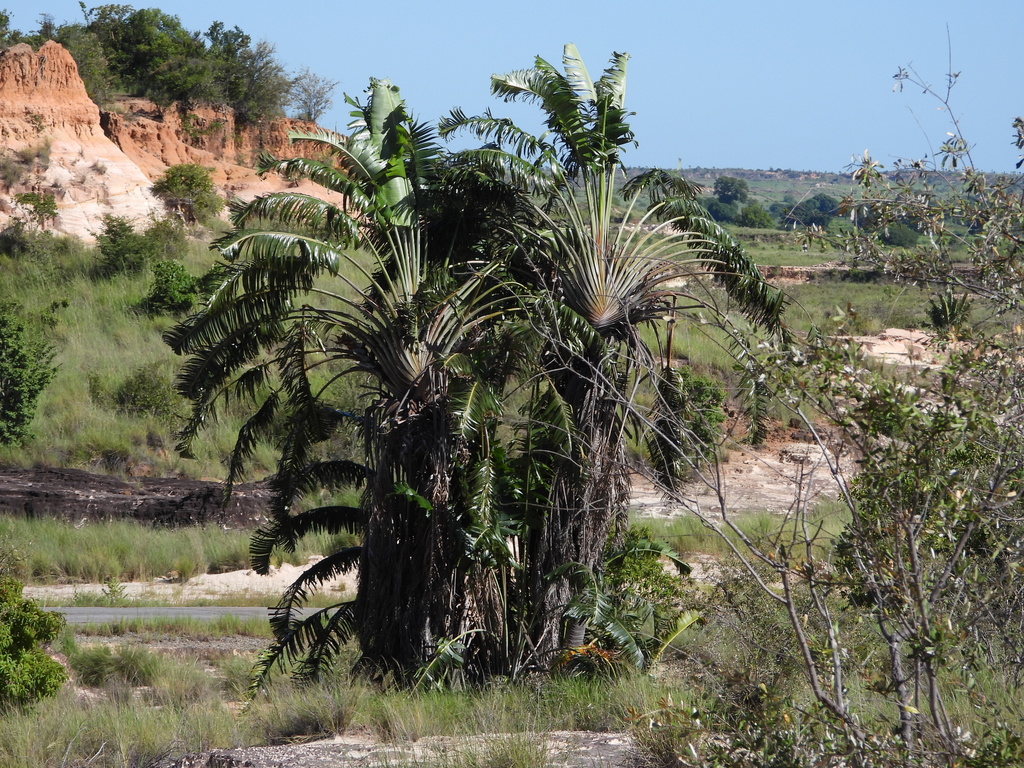
Ravenala agatheae (Orange Travellers Palm) (Source: iNaturalist)
1. Introduction & Taxonomy
Ravenala agatheae, known as the Orange Travelers Palm, is a recently described species endemic to Madagascar's eastern rainforests that captivates collectors with its distinctive orange-hued leaf bases and more compact growth habit. This rare species typically reaches only 6-8 meters at maturity, making it more manageable than its massive cousin R. madagascariensis. The striking orange to reddish coloration on new growth and leaf sheaths creates a spectacular display that intensifies in bright light conditions.
The Travellers Palm, Ravenala madagascariensis is a plant related to bananas, heliconias and gingers and a popular ornamental worldwide. What is little known however is that lumped under this name are several quite distinct species that occupy different habitats on the island of Madagascar. This particular form is common in the northwest of the island. Is is more compact than the common form native to the east coast and has a smaller, shorther trunk, tightly packed leafbases that are dark, orangeish along the edges near the base and waxy whitish petioles.
Taxonomic Classification
Habitat and Distribution
Ravenala agatheae is native to Endemic to Madagascar, specifically the eastern rainforest zones in the Atsinanana region, where it grows in humid lowland and mid-elevation forests between 100-800 meters elevation.. This species inhabits environments typical of the Strelitziaceae, from coastal scrub and forest margins to subtropical woodlands.
Botanical Note: The family Strelitziaceae contains three genera: Strelitzia (South Africa), Ravenala (Madagascar), and Phenakospermum (South America). Ravenala is characterized by its enormous fan-shaped arrangement of leaves on a single trunk, earning it the common name Traveller's Palm. The leaf bases hold water that can sustain travellers. Despite the common name, it is not a palm but a relative of bananas and gingers in the order Zingiberales.
Native Range & Distribution Map
The map below shows the native range and notable cultivation regions for Ravenala agatheae.
2. Biology & Morphology
Growth Form & Architecture
Ravenala agatheae is a large, palm-like herbaceous plant that develops a stout trunk topped by a spectacular fan of enormous, banana-like leaves arranged in a single plane (distichous). The plant can reach considerable height and is one of the most distinctive silhouettes in the tropical plant world. The leaf bases are tightly packed and overlap, forming cup-like structures that collect and store rainwater.
Leaf Morphology
The leaves of Strelitziaceae species are large and arranged in two ranks (distichous), creating the characteristic fan or paddle shape. In Strelitzia, leaves are typically leathery and glaucous with long petioles. Ravenala has enormous banana-like leaves that can exceed 3 m in length. The midrib is prominent, and leaves may tear along the veins in windy conditions — a feature shared with bananas.
Inflorescence & Flower Structure
The inflorescence emerges from the crown of leaves. Ravenala agatheae produces white flowers from a series of boat-shaped bracts, with bright blue seeds enclosed in orange arils that attract lemurs and birds for seed dispersal.
Key Characteristics
- Height: 7-12m
- Growth Habit: Distichous / Palm-like
- Growth Rate: Fast under optimal conditions
Anatomical Insight: The seeds of Strelitziaceae species are covered in a brightly coloured aril (fleshy seed coat) — bright blue in Strelitzia and orange in Ravenala — which attracts birds and lemurs that disperse the seeds. This is an example of zoochory (animal-mediated seed dispersal).
Notable Adaptations
The orange pigmentation in the leaf sheaths and young foliage is due to elevated anthocyanin production, possibly as UV protection in its native rainforest canopy gaps. This species has a more compact root system than R. madagascariensis, making it better adapted to slightly drier forest margins.
3. Reproduction & Propagation
The primary propagation methods for Ravenala agatheae: Seed.
Propagating Ravenala agatheae
Propagates readily from fresh seed with germination rates of 70-85% when sown within 6-8 weeks of harvest. Seeds require warm temperatures (25-32°C) and germinate in 3-6 weeks; seedlings develop their characteristic orange tones within the first year of growth.
Ravenala seeds have a distinctive bright blue aril that may contain germination inhibitors and should be removed. Soak seeds in hot water before sowing and maintain high temperatures (28-32°C) for germination. Germination can be erratic but the resulting plant grows very fast.
Pollination Biology: Ravenala species are pollinated primarily by lemurs (Eulemur and Varecia species) in Madagascar, making them one of the few plants pollinated by primates. The seeds have bright blue arils that attract these same animals for seed dispersal.
Propagation Tips: (1) Remove the colourful aril from seeds before sowing — it contains germination inhibitors. (2) Scarify the hard seed coat or soak in hot water. (3) Use a warm, well-draining substrate at 25-32°C. (4) Be patient — germination can take 1-12 months. (5) Seedlings grow fast once established.
4. Cultivation Requirements
More tolerant of container cultivation than other Ravenala species due to its compact size, thriving in large planters (200+ liters) for 5-8 years before requiring ground planting. Prefers rich, well-draining soil with consistent moisture and full sun to partial shade for best color development.
Soil / Substrate
Rich, moist, well-draining tropical soil. A mix of compost (40%), peat or coir (30%), perlite (20%), and bark (10%). Ravenala is a heavy feeder that thrives in fertile, humus-rich soils with consistent moisture.
Watering
Maintain consistent moisture during active growth. Ravenala species are tropical plants that prefer evenly moist soil. Water deeply and regularly, reducing frequency in cooler months.
Light Requirements
Full sun to bright filtered light. Ravenala species need high light levels for vigorous growth.
Temperature
- Optimal Growth: 22–32°C (72–90°F)
- Minimum Tolerance: 2°C (36°F)
- USDA Hardiness: Zones 10-12
Humidity
Most Strelitziaceae thrive at 60–80% relative humidity. Low humidity causes brown leaf edges and reduced growth.
Fertilization
Feed with a balanced fertilizer (NPK 10-10-10) every 4–6 weeks during the growing season. Organic mulch and compost provide slow-release nutrition. Reduce or stop feeding in winter.
Common Cultivation Mistake: Root rot from waterlogged soil is the most common cause of losses. Ensure containers have adequate drainage holes and never allow pots to sit in standing water.
Seasonal Care Calendar
Follow this season-by-season guide for optimal care timing throughout the year.
🌱 Spring (March–May)
Resume regular fertilization with balanced fertilizer (15-15-15) as new growth emerges. Increase watering frequency and watch for the emergence of new leaves with their characteristic orange tones. Repot container specimens if rootbound.
☀️ Summer (June–August)
Provide ample water during active growth, fertilizing every 3-4 weeks with liquid fertilizer. Ensure adequate drainage to prevent waterlogging. Maximum color development occurs during this period with bright light exposure.
🍂 Fall (September–November)
Reduce fertilization to monthly applications as growth slows. Maintain consistent moisture but allow slight drying between waterings. Clean away dead leaf material and inspect for pests before winter.
❄️ Winter (December–February)
Minimize fertilization but maintain regular watering, never allowing complete drying. Protect from temperatures below 10°C. Container plants can be moved to sheltered locations or greenhouses in subtropical regions.
5. Diseases & Pests
Generally disease-resistant but can develop leaf spot fungi (Cercospora species) during prolonged humid conditions with poor air circulation. Root-knot nematodes can be problematic in sandy soils, requiring soil solarization or beneficial nematode applications.
Major Diseases
Root Rot (Pythium, Fusarium)
The most common problem, caused by overwatering or poor drainage. Affected roots become soft and brown. Prevention: ensure excellent drainage and allow soil to dry between waterings. Remove affected tissue and repot in fresh, well-draining mix.
Leaf Spot (various fungi)
Circular brown or grey spots on leaves, often with a yellow halo. Usually caused by overhead watering or poor air circulation. Remove affected leaves and improve ventilation. Fungicides containing copper can help prevent spread.
Common Pests
- Scale Insects — Brown or white bumps on stems and leaf undersides. Scrape off manually or treat with horticultural oil.
- Mealybugs — White, cottony masses in leaf bases. Treat with isopropyl alcohol or systemic insecticide.
- Spider Mites — Thrive in dry indoor conditions; cause stippled foliage. Increase humidity and apply miticides.
- Aphids — Cluster on new growth and flower buds. Spray with soapy water or neem oil.
- Snails & Slugs — Feed on new leaves and flower buds, especially in moist climates.
Integrated Pest Management: (1) Quarantine new plants for 2-4 weeks. (2) Maintain good air circulation. (3) Avoid overhead watering. (4) Inspect regularly for early signs of pests. (5) Neem oil is effective as both preventive and treatment for most soft-bodied pests.
Additional Disease & Pest Considerations
Aphids occasionally colonize new growth, attracted to the tender orange-tinted leaves; control with insecticidal soap or neem oil. In tropical climates, monitor for thrips during dry spells, which can cause silvering and distortion of emerging foliage.
6. Indoor Growing Guide
Young specimens make excellent conservatory plants for 3-5 years, maintaining manageable size (2-3 meters) with stunning orange coloration under bright indirect light. Requires large containers, consistent warmth (minimum 15°C), and moderate to high humidity (60-80%) for successful indoor cultivation.
Container Selection
Use a large, sturdy container with good drainage. Ravenala species grow large and need substantial containers.
Indoor Light
Provide the brightest possible location. Full-spectrum grow lights help maintain vigorous growth during winter months.
Humidity & Air Circulation
Maintain humidity above 50% for optimal growth. Use humidifiers or group tropical plants together.
Seasonal Indoor Care
- Spring: Resume regular feeding and increase watering as new growth emerges. Repot if rootbound.
- Summer: Peak growth — water consistently, feed monthly. Consider moving outdoors to a sunny spot.
- Autumn: Reduce feeding. Growth slows as days shorten.
- Winter: Minimal watering, stop fertilizing. Keep in brightest available location. Watch for spider mites in dry heated rooms.
Indoor Success Key: Consistent bright light, adequate container size, and regular feeding are the keys to growing Ravenala successfully indoors.
7. Landscape Use & Design
Ideal as a specimen plant in tropical and subtropical gardens where space is limited, creating bold color accents with its orange-toned foliage against green backgrounds. Plant 3-4 meters from structures and use as focal points in contemporary landscape designs or tropical-themed gardens.
Design Applications
- Focal Point: The fan-shaped silhouette of Ravenala is one of the most distinctive and photogenic in the plant kingdom
- Border Planting: Mass plantings of Ravenala along driveways or paths create dramatic tropical avenues
- Container Feature: Large decorative pots on patios and terraces allow flexible placement and easy winter protection
- Cut Flowers: Ravenala foliage makes excellent architectural cut greenery.
Companion Planting
Create stunning compositions by pairing with:
- Palms — complementary tropical silhouettes at different heights
- Agaves & Aloes — drought-tolerant companions with contrasting textures
- Heliconias — bold, colourful inflorescences and similar cultural needs
- Bananas (Musa, Ensete) — dramatic foliage contrast
- Cycads — prehistoric texture and complementary growth rate
- Ornamental Grasses — movement and fine texture contrast
Design Principle: A single Ravenala specimen can define the character of an entire garden or courtyard. Plant where the full fan can develop without obstruction and be viewed from a distance for maximum impact.
8. Cold Climate Strategies
Tolerates brief drops to 8-10°C better than other Ravenala species but still requires frost-free conditions year-round. In marginal climates, grow in large mobile containers that can be moved to protected locations during cold snaps, or provide overhead protection and trunk wrapping.
Hardiness Thresholds
- USDA Zones: 10-12
- Minimum Survival Temperature: 2°C (36°F)
Overwintering Options
- Container Culture: The most reliable method in cold climates. Move potted plants to a bright, cool indoor location (5-15°C) for winter. Reduce watering significantly.
- In-Ground Protection (borderline zones): Apply 15-20 cm of dry mulch around the root zone before the first frost. Wrap the crown with horticultural fleece. Protection is critical as Ravenala species have minimal frost tolerance.
- Greenhouse: An unheated or minimally heated glasshouse provides ideal winter protection.
Winter Survival Rule: Cold + wet = death for most tropical plants. Ensure excellent drainage and keep soil on the dry side during cold weather.
9. Ethnobotany & Cultural Significance
While not as culturally significant as R. madagascariensis due to its limited range, local Malagasy communities in its native region use the leaves for temporary shelters and the seeds in traditional craftwork. The species has gained importance in conservation education as an example of Madagascar's unique biodiversity. Modern botanical gardens worldwide now cultivate it as an ambassador species for rainforest conservation efforts.
Conservation Note: The Strelitziaceae family contains just three genera with a limited number of species. Several Ravenala forms from Madagascar are threatened by deforestation, and Phenakospermum is virtually unknown in cultivation. By growing Ravenala agatheae, you contribute to the ex-situ conservation of this notable plant family and help maintain awareness of these botanical treasures.
Frequently Asked Questions
Will Ravenala agatheae maintain its orange color in shade?
The orange coloration is most intense in bright light to full sun conditions. In heavy shade, the plant will produce more chlorophyll and the orange tones will fade to greenish-orange or yellow-green, though new growth may still show some coloration.
How large does Orange Travelers Palm get compared to regular Travelers Palm?
Ravenala agatheae typically reaches 6-8 meters in height with a 4-5 meter spread, significantly more compact than R. madagascariensis which can exceed 12-15 meters. This makes it much more suitable for residential gardens and container culture.
Is Ravenala agatheae rare in cultivation?
Yes, this species is still relatively rare in cultivation outside specialized collections and botanical gardens. Seed availability is limited, and plants command premium prices when available. As propagation increases, it's gradually becoming more accessible to serious collectors.
Summary & Key Takeaways
Ravenala agatheae stands out as the most colorful member of the Travelers Palm group, offering manageable size and spectacular orange-tinted foliage that makes it perfect for collectors and smaller tropical gardens. Its compact growth and container-friendly nature open up cultivation possibilities unavailable with the massive R. madagascariensis. This relatively newly described species represents one of Madagascar's hidden treasures, bringing both beauty and botanical significance to cultivation.
Key Points to Remember:
- Propagation: Seed
- Light: Full sun to bright filtered light
- Substrate: Well-draining, fertile soil
- Watering: Regular — keep evenly moist
- Hardiness: USDA Zones 10-12, minimum 2°C (36°F)
- Key Threat: Root rot from overwatering — drainage is paramount