Pandanus bernardii: Complete Care & Growing Guide
Pandanus bernardii
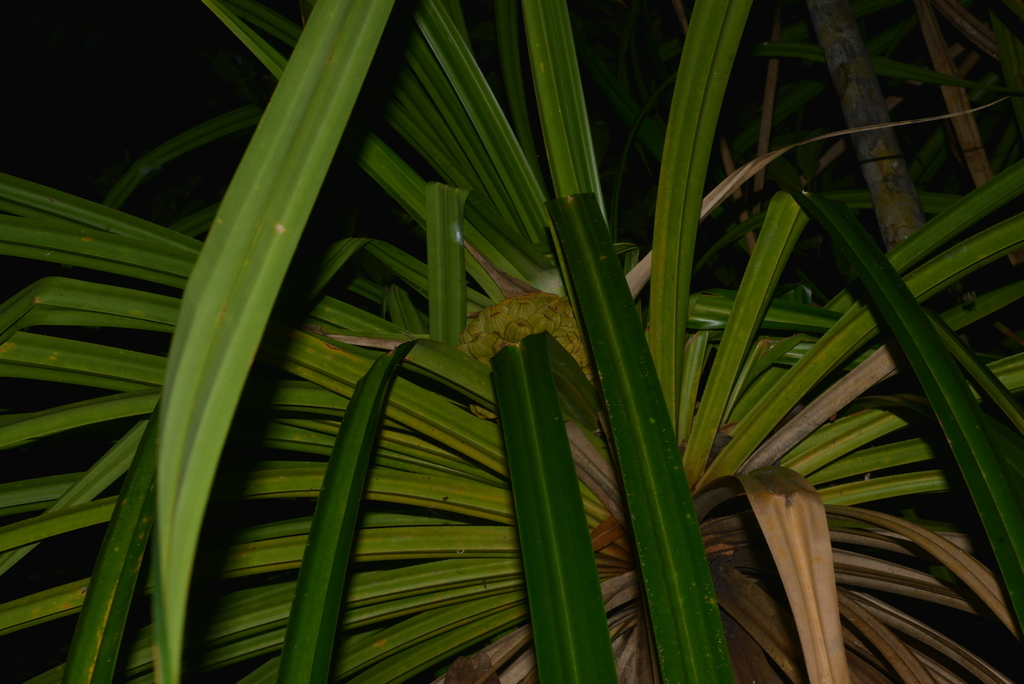
Pandanus bernardii
1. Introduction & Taxonomy
Pandanus bernardii is a shrubby, low-growing screwpine endemic to the southern regions of New Caledonia, where it inhabits the distinctive maquis vegetation on ultramafic substrates. This compact species is particularly notable for its yellow, fragrant, resinous fruits that scent the surrounding air with a sweet, balsamic aroma when ripe. Its manageable shrubby habit and aromatic fruiting display make it an intriguing addition to collections focused on New Caledonian endemics or fragrant tropical plants.
A shrubby Pandanus from humid lowland forests in southern New Caledonia with light green, spreading leaves and beautiful yellow, wonderfully scented, resiny fruits.
Taxonomic Classification
Habitat and Distribution
Pandanus bernardii is native to Endemic to southern New Caledonia, where it is restricted to maquis shrubland and low open forest on ultramafic (serpentine) soils. It grows at low to moderate elevations in areas characterized by mineral-rich but nutrient-poor substrates with high levels of nickel, chromium, and magnesium.. This species inhabits environments typical of the Pandanaceae, from coastal shores and mangroves to montane rainforests and riverbanks.
Botanical Note: The family Pandanaceae contains five genera: Pandanus (approx. 750 species), Freycinetia (approx. 250 climbing species), Benstonea (approx. 60 species, recently split from Pandanus), Sararanga (2 species), and Martellidendron (6 species). Pandanus is by far the largest genus — these iconic stilt-rooted trees with spirally arranged leaves are found throughout the Old World tropics and Pacific Islands. The characteristic spiral leaf arrangement (phyllotaxis) gives them the common name "screw pines," despite being unrelated to pines.
Native Range & Distribution Map
The map below shows the native range and notable cultivation regions for Pandanus bernardii.
2. Biology & Morphology
Growth Form & Architecture
Pandanus bernardii is a compact, shrubby screw pine that forms dense rosettes of spirally arranged leaves. Unlike its larger relatives, it remains small and is well suited to container cultivation. The leaves are typically narrow and strap-like, arranged in the characteristic spiral (phyllotaxis) of all Pandanaceae.
Leaf Morphology
The leaves of Pandanaceae are arranged in three spiral ranks (tristichous phyllotaxis), creating the characteristic "screw" pattern visible when looking down the trunk. In Pandanus, leaves are typically long, strap-like, and often armed with spines along the margins and midrib. The leaf base clasps the stem, and old leaves fall to reveal characteristic leaf scars spiraling around the trunk. Some species have smooth or spineless leaf margins.
Reproductive Structures
Pandanus species are dioecious — individual plants are either male or female. Male inflorescences are typically fragrant, pendulous spikes of staminate flowers. Female plants produce large, compound fruits called syncarps, composed of numerous wedge-shaped segments called drupes, keys, or phalanges. These fruits can be spectacularly colourful, ranging from green to orange, red, or blue.
Key Characteristics
- Height: 3-10m
- Growth Habit: Stilt-Rooted Tree
- Growth Rate: Moderate to Fast under optimal conditions
Anatomical Insight: The stilt (prop) roots of Pandanus are one of the most distinctive features in the plant kingdom. These adventitious roots grow from the trunk and lower branches, descending to the ground in a cone shape. They serve multiple functions: anchoring the plant against tropical storms, supporting the trunk as it grows taller, and absorbing water and nutrients from a wider area. In some species, the original base of the trunk eventually decays, leaving the tree entirely supported by its stilt roots.
Notable Adaptations
The shrubby habit, typically reaching only 1-2 meters in height, is unusual for Pandanus and may represent an adaptation to the harsh, exposed conditions of ultramafic maquis. The fruits are distinctive, developing a yellow color and producing fragrant resins that may serve to attract dispersal agents or deter herbivores.
3. Reproduction & Propagation
The primary propagation methods for Pandanus bernardii: Seed, cuttings, or offsets.
Propagating Pandanus bernardii
Propagation from seed is the preferred method. Clean seeds from the resinous fruit tissue and sow in a well-drained mineral substrate. Germination can be slow and erratic, taking 3-8 months. Vegetative propagation from basal shoots is possible when available.
Pandanus seeds are typically found within the composite fruit (syncarp). Each wedge-shaped drupe or key contains one or more seeds. To propagate from seed, separate the individual drupes from the fruit, remove any fleshy material, and soak in water for 24-48 hours. Sow in a warm, moist, well-draining medium at 25-30°C. Germination is slow and erratic, typically taking 1-6 months. Many species can also be propagated from stem cuttings or by separating offset shoots (suckers).
Vegetative Propagation
- Stem Cuttings: Take stem tip cuttings 30-60 cm long, remove lower leaves, and plant in moist sand or perlite in warm, humid conditions. Rooting typically occurs within 4-8 weeks.
- Offsets/Suckers: Many Pandanus produce basal offsets that can be separated and potted individually. Ensure each offset has some roots attached.
- Air Layering: Can be used on mature specimens to produce larger, ready-to-grow plants.
Pollination Biology: Pandanus species are dioecious (separate male and female plants). In the wild, pollination is primarily by wind, although some species are pollinated by insects or small animals. Male flowers are often strongly fragrant. Since both male and female plants are needed for seed production, and sex cannot be determined until flowering, growing from seed requires patience and multiple plants.
Propagation Tips: (1) Fresh seeds germinate much better than dried ones — sow as soon as possible after harvest. (2) Maintain consistently warm temperatures (25-32°C). (3) Use a well-draining medium to prevent rot. (4) Be patient — germination can take 1-6 months. (5) Stem cuttings from branch tips are the fastest and most reliable method for many Pandanus species.
4. Cultivation Requirements
Best grown in a mineral-rich, sharply drained substrate mimicking ultramafic soils. A mix of pumice, coarse sand, and minimal organic matter suits this species well. Avoid rich organic soils and heavy fertilization, which can overwhelm its adapted root system.
Soil / Substrate
Well-draining, fertile soil. A mix of loam (30%), perlite or pumice (30%), bark (20%), and compost (20%) provides the drainage and nutrition Pandanus needs. Most species prefer slightly acidic to neutral pH (5.5-7.0).
Watering
Most Pandanus species prefer consistent moisture during active growth but tolerate brief dry periods once established. Coastal species are notably drought-tolerant. Allow the top layer of soil to dry between waterings, and reduce frequency in winter.
Light Requirements
Full sun to partial shade. Most Pandanus thrive in full sun, which promotes the best growth and fruiting. Young plants benefit from light shade. Coastal species handle full, unprotected sun exposure.
Temperature
- Optimal Growth: 22–32°C (72–90°F)
- Minimum Tolerance: 5°C (41°F)
- USDA Hardiness: Zones 10-12
Humidity
Pandanus tolerate a range of humidity levels. Coastal species handle dry, windy conditions well. Rainforest species prefer 60–80% humidity. Indoor specimens benefit from occasional misting or a pebble tray.
Fertilization
Feed with a balanced fertilizer (NPK 10-10-10) every 4–6 weeks during the growing season. Pandanus are moderate feeders — coastal species require less fertilization than rainforest species. Organic mulch provides slow-release nutrition. Reduce or stop feeding in winter.
Common Cultivation Mistake: Overwatering combined with poor drainage is the most common cause of Pandanus losses. While these plants enjoy moisture, their stilt roots and trunk bases are susceptible to rot in waterlogged soil. Ensure containers have large drainage holes and the substrate drains freely.
Seasonal Care Calendar
Follow this season-by-season guide for optimal care timing throughout the year.
🌱 Spring (March–May)
Apply a very dilute low-phosphorus fertilizer once. Increase watering slightly as new growth appears but maintain excellent drainage. Repot in mineral substrate if needed.
☀️ Summer (June–August)
Water moderately, allowing the substrate to dry substantially between waterings. This species tolerates considerable drought once established. Full sun produces the most compact growth.
🍂 Fall (September–November)
Cease all fertilization. Reduce watering to match shorter days and cooler temperatures. Check fruits for ripeness if the plant is of bearing age.
❄️ Winter (December–February)
Water sparingly. Protect from prolonged cold below 5°C. Ensure the root zone remains dry rather than cold and wet, which is the primary cause of winter losses.
5. Diseases & Pests
Remarkably disease-resistant in appropriate growing conditions, likely due to the antimicrobial properties of its resinous tissues. Root rot is the primary concern in overly organic or poorly drained substrates.
Major Diseases
Root & Stem Rot (Pythium, Phytophthora)
The most serious problem for Pandanaceae, caused by waterlogged conditions. Stilt roots and trunk bases become soft and brown. Prevention: ensure excellent drainage and avoid overwatering. Remove affected tissue and repot in fresh, well-draining mix.
Leaf Spot & Leaf Blight
Various fungal pathogens cause brown or black spots on leaves. Usually triggered by overhead watering or poor air circulation. Remove affected leaves and improve ventilation. Copper-based fungicides can help prevent spread.
Common Pests
- Mealybugs — White, cottony masses in leaf bases and between leaf spirals. A common pest on indoor Pandanus. Treat with isopropyl alcohol or systemic insecticide.
- Scale Insects — Brown or white bumps on leaves and stems. Scrape off manually or treat with horticultural oil.
- Spider Mites — Thrive in dry indoor conditions; cause stippled, yellowing foliage. Increase humidity and apply miticides.
- Thrips — Cause silvery streaking on leaves. Treat with neem oil or insecticidal soap.
- Leaf-Cutting Insects — Various beetles and caterpillars may damage leaves, especially in tropical gardens.
Integrated Pest Management: (1) Quarantine new plants for 2-4 weeks. (2) Maintain good air circulation around the spiral leaf bases. (3) Avoid overhead watering. (4) Inspect regularly, especially in leaf axils where pests hide. (5) Neem oil is effective as both preventive and treatment for most soft-bodied pests.
Additional Disease & Pest Considerations
Phosphorus toxicity is a real concern with this ultramafic-adapted species; standard fertilizers can cause root necrosis and leaf yellowing. Use specialized low-phosphorus formulations designed for proteoid-rooted or ultramafic plants. Iron chlorosis can occur if grown in alkaline substrates.
6. Indoor Growing Guide
Its compact shrubby habit makes it one of the more suitable Pandanus species for long-term indoor culture. Provide bright light, excellent drainage, and spare watering. The fragrant fruits, if produced, are a delightful indoor bonus.
Container Selection
Use a sturdy container with excellent drainage. Pandanus develop extensive root systems and stilt roots that may need a wide, stable pot. Use containers at least 30-45 cm in diameter for mature plants. Heavy terracotta or ceramic pots help stabilize tall plants.
Indoor Light
Place in the brightest available location — a south- or west-facing window is ideal. Most Pandanus tolerate some direct sun indoors and need at least 4-6 hours of bright light daily. Supplement with full-spectrum grow lights during winter if natural light is insufficient.
Humidity & Air Circulation
Pandanus tolerate normal indoor humidity (30-60%) reasonably well, though they appreciate occasional misting. The spiral leaf arrangement can trap dust, so regular cleaning of leaves improves appearance and plant health.
Seasonal Indoor Care
- Spring: Resume regular feeding and increase watering as new growth emerges. Repot if rootbound.
- Summer: Peak growth — water consistently, feed monthly. Consider moving outdoors to a warm, sheltered spot.
- Autumn: Reduce feeding. Growth slows as days shorten.
- Winter: Minimal watering, stop fertilizing. Keep in brightest available location. Watch for mealybugs in leaf spirals.
Indoor Success Key: Bright light and excellent drainage are the two most important factors for indoor Pandanus success. These plants can tolerate neglect better than overwatering — err on the dry side rather than risk root rot.
7. Landscape Use & Design
An unusual specimen for rock gardens, gravel gardens, and Mediterranean-climate landscapes where its drought tolerance and compact habit are assets. Pairs beautifully with other New Caledonian maquis plants, cycads, and drought-adapted monocots.
Design Applications
- Focal Point: The stilt roots and spiral crown of Pandanus create one of the most distinctive and photogenic silhouettes in the tropical plant world
- Coastal Planting: Many Pandanus species are supremely adapted to coastal conditions, tolerating salt spray, sandy soil, and strong winds
- Container Feature: Large decorative pots on patios and terraces allow flexible placement and easy winter protection
- Screening: Mature Pandanus with their branching habit make effective natural screens and windbreaks
Companion Planting
Create stunning compositions by pairing with:
- Palms — complementary tropical silhouettes at different heights
- Heliconias — bold, colourful inflorescences and similar cultural needs
- Bananas (Musa, Ensete) — dramatic foliage contrast
- Gingers (Alpinia, Hedychium) — fragrant flowers and lush undergrowth
- Cycads — prehistoric texture and complementary growth rate
- Ferns — soft texture contrast beneath the stilt roots
Design Principle: Use Pandanus where its distinctive stilt roots can be displayed — elevated positions, slopes, or near water features where the roots are visible. The architectural form works equally well as a solitary specimen or in groves.
8. Cold Climate Strategies
Adapted to the mild New Caledonian climate with moderate cold tolerance. Can withstand brief drops to about 3-5°C. Excellent drainage is more critical than cold protection per se, as cold wet soils are more damaging than cold dry conditions.
Hardiness Thresholds
- USDA Zones: 10-12
- Minimum Survival Temperature: 5°C (41°F)
Overwintering Options
- Container Culture: The most reliable method in cold climates. Move potted Pandanus to a bright, cool indoor location (10-15°C) for winter. Reduce watering significantly.
- In-Ground Protection (borderline zones): Apply 15-20 cm of dry mulch around the root zone and stilt roots before the first frost. Wrap the crown with horticultural fleece during cold snaps.
- Greenhouse: An unheated or minimally heated glasshouse provides ideal winter protection. Even cool greenhouses (5-10°C) are sufficient for most species.
Winter Survival Rule: Cold + wet = death for most Pandanaceae. Ensure excellent drainage and keep soil on the dry side during cold weather. The stilt roots are particularly vulnerable to cold, wet conditions. Raised beds and gritty soil amendments dramatically improve winter survival rates.
9. Ethnobotany & Cultural Significance
In New Caledonia, the fragrant resins of Pandanus bernardii fruits have attracted attention from Kanak communities who recognize the plant's distinctive scent. Resinous Pandanus fruits have traditionally been used as natural air fresheners and insect repellents in dwellings. The plant is also of interest to chemists studying novel terpene compounds in Pandanaceae fruit resins. Its restricted range on ultramafic soils makes it a species of conservation concern.
Conservation Note: Many Pandanaceae species face threats from habitat loss, particularly in island ecosystems and coastal areas. Several Pandanus species from New Caledonia and the Pacific Islands are critically endangered. By growing Pandanus bernardii, you contribute to the ex-situ conservation of this remarkable plant family and help maintain awareness of these botanical treasures.
Frequently Asked Questions
Will Pandanus bernardii produce fragrant fruits in cultivation?
Fruiting requires a mature plant and cross-pollination between male and female individuals, as Pandanus species are dioecious. If both sexes are available, the fragrant yellow fruits can develop in cultivation under appropriate warm conditions. Hand pollination may be necessary in the absence of natural pollinators.
Why does Pandanus bernardii need poor soil?
This species evolved on New Caledonia's ultramafic soils, which are extremely low in nitrogen and phosphorus but high in heavy metals. Its root system is adapted to these lean conditions and can be damaged by the nutrient levels in standard potting mixes. A mineral-based substrate with minimal organic matter best replicates its natural growing conditions.
How does Pandanus bernardii compare to other shrubby Pandanus?
Among the relatively few shrubby Pandanus species, P. bernardii is distinguished by its fragrant resinous fruits and extreme adaptation to ultramafic soils. Its compact 1-2 meter stature makes it more manageable than most Pandanus species, which tend toward tree-sized.
Summary & Key Takeaways
Pandanus bernardii is a charming shrubby screwpine whose fragrant yellow fruits and compact habit set it apart from its larger relatives. This New Caledonian endemic demands lean, well-drained conditions that mirror its ultramafic homeland. For collectors drawn to unusual aromatic plants and conservation-worthy endemics, this species offers both sensory pleasure and botanical significance.
Key Points to Remember:
- Propagation: Seed, cuttings, or offsets
- Light: Full sun to partial shade
- Substrate: Well-draining, fertile soil
- Watering: Moderate — tolerates brief dry periods once established
- Hardiness: USDA Zones 10-12, minimum 5°C (41°F)
- Key Threat: Root rot from waterlogged soil — drainage is paramount