Syagrus glazioviana (Glaziou's Palm): A comprehensive Growing Guide for Enthusiasts & Collectors.
Syagrus glazioviana
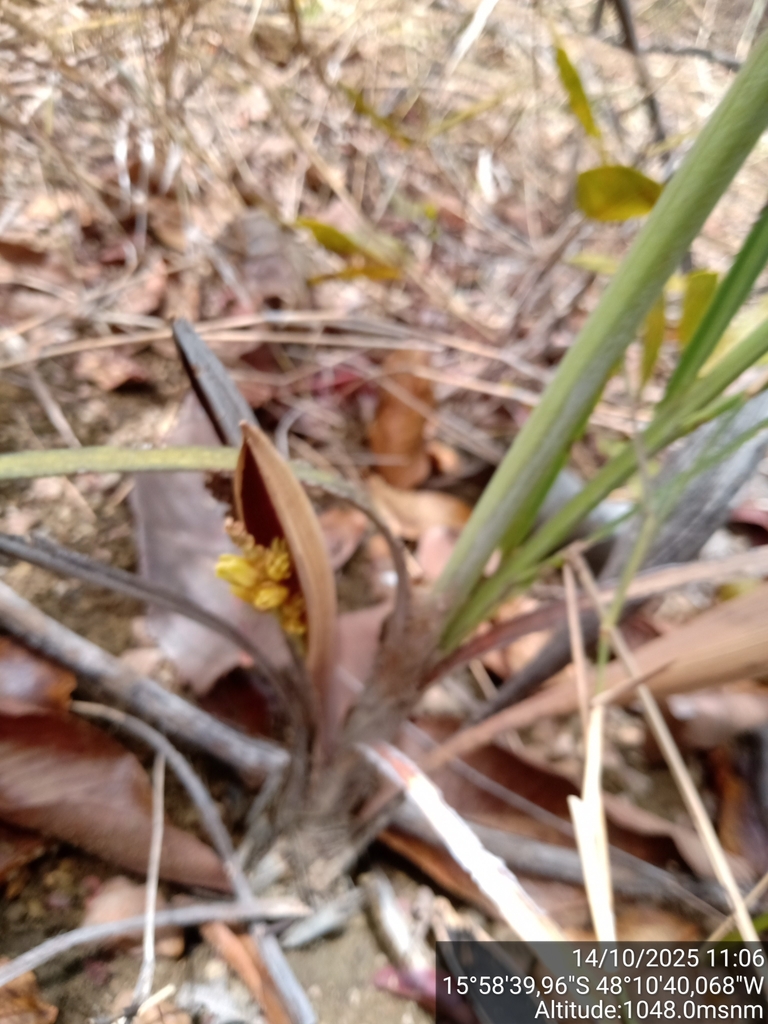
Image via iNaturalist (Research Grade). (c) Paulo C. O. Cunha, some rights reserved (CC BY)


1. Introduction
Habitat and Distribution
Syagrus glazioviana is endemic to Brazil's Atlantic Forest (Mata Atlântica), specifically found in the mountainous regions of Rio de Janeiro and southern Espírito Santo states. This rare palm inhabits steep slopes and ridges in montane and upper montane forests at elevations between 800-1,800 meters. It thrives in cloud forest conditions with high humidity, frequent mists, and relatively cool temperatures, often growing on shallow soils over granite outcrops.
Native Continent
Scientific Classification
Synonyms
- Cocos glazioviana Dammer (basionym)
- Glaziova glazioviana (Dammer) Nehrl.
- Arecastrum glaziovianum (Dammer) Becc.
Common Names
- English: Glaziou's palm, Mountain syagrus
- Portuguese: Coco-de-vassoura, Palmeira-de-glaziou, Coquinho-da-serra
- Local Brazilian: Vassourinha, Palmeira-da-neblina
Global Expansion
Due to its rarity and specific habitat requirements, Syagrus glazioviana has limited distribution outside Brazil:
- United States: Rare in specialized collections in California and Florida
- Europe: Few specimens in botanical gardens with controlled environments
- Australia: Experimental cultivation in Tasmania and Victoria
- New Zealand: Limited success in North Island cloud forests
- South Africa: Drakensberg botanical collections
The species' expansion has been severely limited by its narrow ecological requirements, rarity in nature (classified as Endangered), and difficulty in cultivation outside cloud forest conditions.
2. Biology and Physiology
Morphology
Trunk/Stem
Syagrus glazioviana develops a slender, solitary trunk reaching 4-8 meters in height (rarely to 10 meters). The trunk diameter ranges from 8-15 cm, relatively thin for its height, giving it an elegant appearance. The trunk is gray-brown, marked with closely spaced ring scars from fallen leaves. In habitat, trunks often show slight curves due to slope growth and wind exposure.
Leaves
The species displays gracefully arching pinnate leaves, 2-3 meters long, with a distinctive plumose arrangement. Each leaf contains 80-120 leaflets distributed in groups along the rachis, creating a feathery appearance. Leaflets are dark green above, lighter below, linear-lanceolate, 30-45 cm long and 2-3 cm wide. The crown typically consists of 8-15 leaves. Petioles are 60-80 cm long with fibrous margins.
Flower Systems
Monoecious with infrafoliar inflorescences emerging below the crown. The branched spadix measures 80-120 cm, initially enclosed by a boat-shaped, woody spathe. Rachillae bear cream-colored male flowers distally and female flowers basally. Flowering is irregular but peaks during warmer months (November-February in habitat).
Life Cycle
- Germination phase (0-6 months): Slow initial establishment
- Juvenile phase (6 months-7 years): Trunkless rosette stage
- Trunk initiation (7-10 years): Visible trunk development begins
- Adult phase (10+ years): Regular flowering and fruiting
- Longevity: Estimated 60-100 years
Climate Adaptations
- Cool temperature preference: 15-25°C optimal range
- High humidity requirement: 75-95% relative humidity
- Mist/cloud adaptation: Captures moisture from fog
- Wind resistance: Flexible trunk and leaves
- Low light tolerance: Understory juvenile phase
3. Reproduction and Propagation
Seed Reproduction
Seed Morphology and Diversity
Seeds are ellipsoid to ovoid, 2.5-3.5 cm long and 1.8-2.5 cm diameter, enclosed in a hard, fibrous endocarp. The endosperm is homogeneous, white, and oil-rich. Seed coat is dark brown with three germination pores. Fresh seed weight ranges from 4-8 grams. Limited genetic diversity due to small population sizes.
Seed Collection and Viability Testing
- Optimal harvest: When fruits turn bright orange, 8-10 months after pollination
- Processing: Remove pulp within 48 hours
- Viability period: Very short - 1-3 months maximum
- Storage: Not recommended; sow immediately
- Testing: Cut test for firm, white endosperm
- Expected viability: 40-60% even when fresh
Pre-germination Treatments
- Mechanical: Carefully file endocarp
- Soaking: 10-14 days in water changed daily
- Acid treatment: Not recommended for this species
- Cool stratification: 15-20°C for 30 days
- Mimics natural cloud forest conditions
Step-by-step Germination Techniques
- Immediate processing: Clean seeds within 24 hours
- Scarification: Light filing of endocarp
- Soaking: Room temperature water for 10 days
- Medium: 40% peat, 30% perlite, 30% vermiculite
- Sowing: 3-4 cm deep in deep containers
- Temperature: 20-25°C (cooler than most palms)
- Humidity: 80-90% essential
- Light: Bright shade, no direct sun
- Misting: Daily to maintain moisture
Germination Difficulty: Difficult
- Challenges: Short viability, specific temperature needs, slow germination
- Success rate: 30-50% under optimal conditions
Germination Time
- Range: 3-12 months
- Average: 5-7 months
- Highly irregular emergence
Seedling Care and Early Development
- Months 1-6: Maintain high humidity, cool temperatures
- Months 7-12: Very slow growth, patience required
- Year 2: Begin weak fertilization
- Years 3-5: Gradually adapt to more light
Advanced Germination Techniques
Hormonal Treatments
- GA3: 200-400 ppm may improve germination
- Cytokinins: Combined treatment shows promise
- Natural extracts: Seaweed extracts beneficial
4. Cultivation Requirements
Light Requirements
Species-specific Light Tolerance
- Seedlings (0-3 years): 70-80% shade required
- Juveniles (3-7 years): 50-70% shade
- Adults (7+ years): 30% shade to filtered sun
- Never: Full, intense direct sun
Seasonal Light Management
- Increase shade during hot periods
- Morning sun tolerated better than afternoon
- Protect from intense summer sun
Artificial Lighting for Indoor Cultivation
- LED full spectrum at low intensity
- 12-14 hour photoperiod
- 100-200 μmol/m²/s maximum
Temperature and Humidity Management
Optimal Temperature Ranges
- Ideal: 15-25°C (59-77°F)
- Summer maximum: 30°C (86°F)
- Winter minimum: 5°C (41°F)
- Critical: Dislikes heat above 35°C
Cold Tolerance and Hardiness
- Hardiness Zone: USDA 9a-11
- Frost tolerance: Light frosts to -2°C
- Young plants: Protect below 5°C
Humidity Requirements
- Critical need: 70-90% relative humidity
- Minimum: 60% with frequent misting
- Optimal: 80-85% year-round
Soil and Nutrition
Ideal Soil Composition
- Type: Rich, organic, well-draining
- pH range: 5.0-6.5 (acidic preferred)
- Organic matter: 10-20% optimal
- Mix: 30% peat, 30% leaf mold, 20% perlite, 20% coarse sand
Nutrient Requirements
- Fertilizer: Balanced 10-10-10 NPK
- Frequency: Monthly during growing season
- Rate: Half strength of label recommendation
- Organic preference: Composted leaf litter ideal
Micronutrient Management
- Iron: Critical in alkaline soils
- Manganese: Regular supplementation
- Magnesium: Epsom salts monthly
Water Management
Irrigation Requirements
- Frequency: Keep consistently moist
- Never: Allow complete drying
- Method: Overhead misting plus soil watering
- Water type: Rainwater or filtered preferred
Drought Tolerance
- Cannot tolerate drought
- Wilting: Occurs quickly in dry conditions
- Recovery: Slow if stressed
Water Quality
- Salinity: Very sensitive (<500 ppm)
- pH preference: 5.5-6.5
- Temperature: Room temperature or cool
Drainage Requirements
- Balance needed: Moist but not waterlogged
- Solution: High organic matter with drainage material
5. Diseases and Pests
Common Problems
- Low humidity stress: Brown leaf tips
- Heat stress: Yellowing and decline
- Overwatering: Root rot in poor drainage
- Nutrient deficiency: Common in alkaline soils
Disease Identification
Fungal Diseases
- Leaf spot: High humidity encourages; improve air flow
- Root rot: From poor drainage; critical issue
- Anthracnose: In warm, wet conditions
Bacterial Diseases
- Bacterial leaf blight: From overhead watering in heat
Pest Identification
Insect Pests
- Spider mites: In low humidity; increase misting
- Scale insects: Manual removal, horticultural oil
- Mealybugs: Alcohol swabs for control
Protection Methods
Environmental
- Maintain high humidity consistently
- Ensure excellent air circulation
- Avoid temperature extremes
- Use preventive fungicides in summer
Chemical
- Minimal pesticide use preferred
- Neem oil for pest prevention
- Copper fungicides if necessary
6. Indoor Palm Growing
Specific Indoor Care
Environmental Requirements
- Humidity: Humidifier essential
- Temperature: Cool room preferred
- Light: North or east window
- Air circulation: Fan necessary
Container Selection
- Size: Wide rather than deep
- Material: Plastic retains moisture better
- Drainage: Layer of gravel at bottom
Replanting Procedures
- Frequency: Every 2-3 years
- Season: Early spring only
- Root disturbance: Minimize
- Medium: Refresh with organic matter
- Recovery: Slow, maintain high humidity
Wintering Indoor Palms
- Temperature: Cool (10-15°C) beneficial
- Humidity: Maintain high levels
- Watering: Reduce but never dry
- Fertilization: Suspend completely
7. Landscape and Outdoor Cultivation
Design Applications
- Cloud gardens: Ideal for foggy coastal areas
- Understory planting: Below tree canopy
- Ferneries: Combines well with ferns
- Shade gardens: Elegant accent plant
- Conservation gardens: Atlantic Forest themes
- Container specimen: For protected patios
Site Selection
- Protected from wind and sun
- High humidity microclimate
- Morning sun only if any
- Rich, organic soil
- Good air circulation
8. Cold Climate Cultivation Strategies
Cold Hardiness Assessment
- Mature plants: Tolerate 0°C briefly
- Established plants: -2°C for short periods
- Young plants: Damage below 5°C
- Optimal range: 15-25°C year-round
Winter Protection Systems
Physical Protection
- Wrapping: Essential for trunk and crown
- Mulching: Heavy organic layer
- Anti-desiccant: Reduce moisture loss
Structural Protection
- Greenhouse: Ideal for this species
- Cold frames: For smaller plants
- Shade cloth: Reduce frost exposure
Hardiness Zone Specifications
- Zone 9a-11: Possible with protection
- Zone 8b: Only in exceptional microclimates
- Zone 8a and below: Greenhouse only
Winter Protection Materials
- Insulation: Horticultural fleece
- Humidity: Plastic sheeting tent
- Heating: Required below 5°C
Establishment and Maintenance in Landscapes
Planting Techniques for Success
- Site preparation: Ensure adequate shade
- Soil preparation: Incorporate 30% organic matter
- Drainage check: Good drainage essential
- pH testing: Acidify if needed
- Irrigation planning: Misting system ideal
- Planting process: Wide, shallow hole
- Initial care: Daily misting
Long-term Maintenance Schedules
Final Summary
Syagrus glazioviana stands as one of Brazil's rarest and most challenging palms to cultivate, requiring specific cloud forest conditions that are difficult to replicate outside its native habitat. This endangered species demands high humidity (70-90%), cool temperatures (15-25°C), and filtered light, making it suitable only for dedicated enthusiasts with the ability to provide these exacting conditions.
The palm's elegant appearance, with its slender trunk and gracefully arching leaves, makes it a prized specimen for specialized collections. However, its cultivation challenges include extremely short seed viability (1-3 months), slow germination (3-12 months), and poor drought tolerance. Success requires mimicking its montane Atlantic Forest habitat with consistent moisture, cool temperatures, and protection from direct sun and wind.
Key cultivation requirements center on maintaining cloud forest-like conditions: high humidity through misting systems or humidifiers, acidic soil rich in organic matter, and careful temperature management avoiding both extreme heat and cold. The species' poor adaptation to typical garden conditions makes it unsuitable for general landscaping except in rare microclimates resembling its native habitat.
Conservation concerns add importance to successful cultivation, as habitat loss threatens wild populations. Ex-situ cultivation in botanical gardens and specialized collections may prove crucial for species preservation. The palm's slow growth rate and specific requirements demand patience and dedication from growers.
For those able to provide appropriate conditions, Syagrus glazioviana offers the reward of growing one of Brazil's most distinctive montane palms, bringing the misty cloud forests of the Atlantic Forest into cultivation. Success requires commitment to maintaining year-round cool, humid conditions and acceptance of slow growth rates, but the result is a living connection to one of Earth's most threatened biodiversity hotspots.
Every cultivated specimen of Syagrus glazioviana contributes to species preservation. The Atlantic Forest has lost over 88% of its original extent, making ex-situ cultivation crucial for maintaining genetic diversity. Successful growers should maintain detailed records and participate in seed exchange programs when possible.