Phoenix theophrasti: A comprehensive Growing Guide for Enthusiasts & Collectors.
Phoenix theophrasti
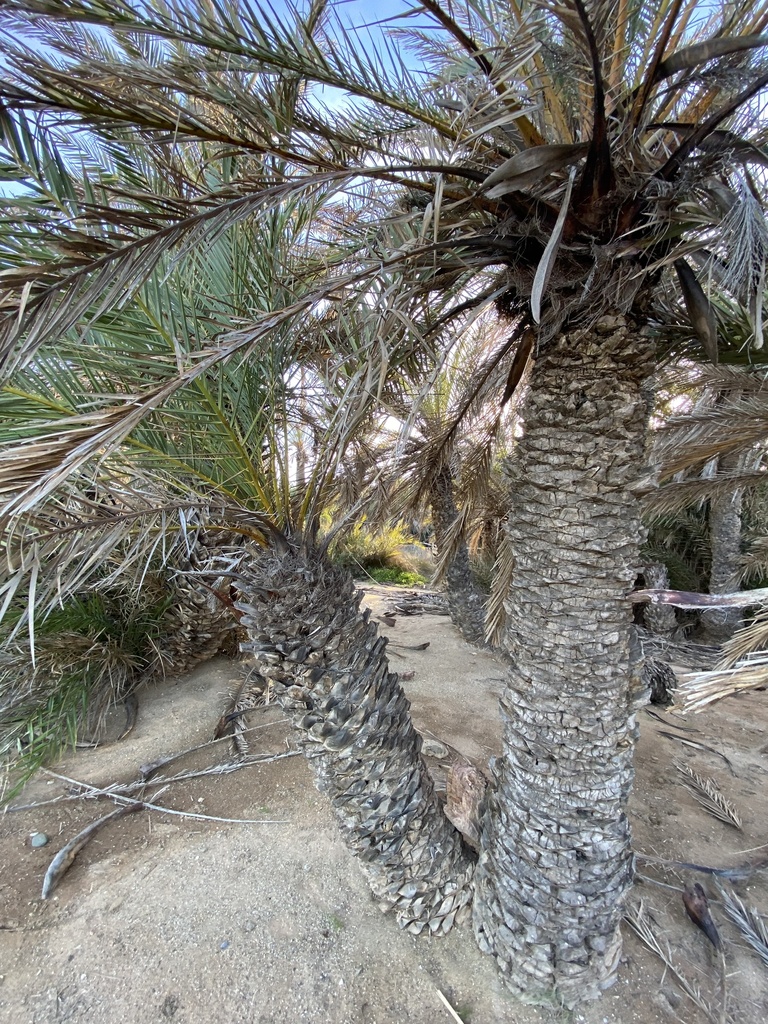
Image via iNaturalist (Research Grade). (c) Vanya Mitin, some rights reserved (CC BY-NC)

1. Introduction
Habitat and Distribution
Phoenix theophrasti is Europe's only native palm species, with an extremely restricted natural distribution limited to Crete (Greece) and southwestern Turkey. On Crete, wild populations occur at only a few locations: the famous palm forest at Vai Beach in eastern Crete, Preveli Beach in the south, and small populations at Agios Nikitas and Souda. In Turkey, populations exist in southwestern Anatolia, particularly in the Datça Peninsula and near Bodrum and Antalya.
Native Continent
Scientific Classification
Synonyms
- Phoenix cretensis hort. (invalid name)
- Often confused with P. canariensis in cultivation
- Historical misidentification as P. dactylifera var.
Common Names
- English: Cretan date palm, Theophrastus palm, Vai palm
- Greek: Κρητικός φοίνικας (Kritikos foinikas)
- Turkish: Girit hurma palmiyesi
- French: Palmier de Théophraste
- Spanish: Palmera de Creta
- Chinese: 克里特海枣
Global Expansion
P. theophrasti remains rare in cultivation despite conservation interest:
- Botanical Gardens: Mediterranean regions
- Conservation Collections: Throughout Europe
- Limited Presence: California and Australia
- Specialist Palm Collections: Worldwide
- Seeds Occasionally Available
- Often Mislabeled in Cultivation
- IUCN Red List Status: Near Threatened
2. Biology and Physiology
Morphology
Trunk
P. theophrasti typically develops a solitary trunk reaching 10-17 meters in height (rarely to 20m) with a diameter of 20-50cm. The trunk is more slender than P. canariensis but stouter than P. dactylifera. It is covered with persistent leaf bases in a diagonal pattern, creating a rough texture that becomes smoother with age on the lower portions. The trunk often shows a slight taper from base to crown. Suckering is common, especially in damaged or stressed individuals, leading to multi-trunked clumps in some populations.
Leaves
The crown consists of 30-50 pinnate leaves forming a relatively open, gracefully arching canopy. Leaves measure 2-3 meters long, shorter than P. canariensis but with a similar blue-green to gray-green color. Leaflets number 60-80 per side, arranged regularly but not in distinct planes, giving a softer appearance than P. dactylifera. Basal leaflets are modified into spines 10-20cm long. The petiole is relatively short (20-40cm) and armed with strong spines. A key identifying feature is the intermediate leaf morphology between P. canariensis and P. dactylifera.
Root System
Develops deep taproots to access groundwater, with extensive lateral roots in the upper soil layers. In its native habitat, roots often reach permanent water tables 3-5 meters below the surface.
Flower Systems
Dioecious with separate male and female plants. Inflorescences emerge from among the leaves, enclosed in a woody spathe 40-80cm long. Male inflorescences are cream to yellowish, densely branched with abundant pollen production. Female inflorescences are green initially, becoming orange as fruits develop. Flowering occurs in spring (March-May), with peak activity in April. The flowers have a sweet, intense fragrance that attracts various pollinators.
Life Cycle
P. theophrasti has a long life cycle, with some specimens estimated at over 200 years:
- Germination to Seedling (0-5 years): Very slow initial growth
- Juvenile Phase (5-15 years): Trunk development begins
- Sub-adult Phase (15-30 years): Steady vertical growth
- Adult Phase (30-150+ years): Full maturity and fruiting
- Senescent Phase (150-200+ years): Continued survival
Specific Adaptations to Climate Conditions
- Mediterranean Drought: Deep roots and waxy leaves
- Coastal Tolerance: High salt resistance
- Wind Resistance: Flexible fronds and strong trunk
- Fire Adaptation: Resprouts after crown damage
- Temperature Extremes: Tolerates brief freezes and high heat
- Water Table Dependence: Roots seek permanent moisture
3. Reproduction and Propagation
Seed Reproduction
Seed Morphology and Diversity
P. theophrasti produces cylindrical to ovoid fruits 1.5-2.5cm long and 1-1.5cm diameter, intermediate in size between P. dactylifera and P. canariensis. Fruits ripen from green through yellow-orange to dark brown or purplish-black. The flesh is thin, fibrous, and slightly sweet but generally considered inedible. Each fruit contains a single cylindrical seed with a shallow ventral groove. Seeds are 1.2-2cm long and 0.8-1.2cm diameter. Fresh seed weight is 0.6-1.2 grams. Limited genetic diversity exists due to small, isolated populations.
Detailed Seed Collection and Viability Testing
Collection Protocols
- Limited seed availability (protected species)
- Collection requires permits
- September-November harvest
- Only from fallen fruits
Viability Assessment
- Float test: After cleaning
- Viable seeds: Sink
- Endosperm: Should be white, firm
- Fresh viability: 85-95%
- Room temperature storage: 60-70% after 1 year
- Cool storage: Extends viability
Pre-germination Treatments
- Remove thin flesh completely
- Soak 2-3 days
- Clean thoroughly
- Allow surface drying
- Light filing beneficial
- Focus on groove area
- Hot water: 60°C for 20 minutes
- Improves germination speed
- Cool stratification beneficial
- 10-15°C for 30-60 days
- Mimics Mediterranean winter
- Improves germination uniformity
Step-by-step Germination Techniques
- Medium: 40% coarse sand, 30% peat, 20% perlite, 10% pumice
- Container: Deep individual pots
- Planting: 2-3cm deep, groove horizontal
- Temperature: 20-28°C (68-82°F)
- Humidity: 60-70%
- Light: Bright shade initially
- Moisture: Consistent but not waterlogged
Germination Difficulty
- Slower germination
- Less uniform emergence
- Cool stratification helps
- Patience required
Germination Time
- First germination: 45-90 days
- Peak germination: 90-150 days
- Complete process: up to 300 days
- Success rate: 60-80%
Seedling Care and Early Development
- Very slow growth typical
- Maintain moderate temperatures
- 50% shade beneficial
- Minimal fertilization
- Simple leaves persist longer
- Begin light feeding
- Gradually increase light
- Growth remains slow
- First pinnate leaves
- Can move to full sun
- Regular fertilization
- Trunk development begins
Advanced Germination Techniques
Hormonal Treatments for Germination Enhancement
- 300-500 ppm
- 24-48 hour soak
- After scarification
- 20-30% improvement
- Combined treatment effective
- Stratify first, then GA3
- Best germination rates
- Some benefit noted
- Natural fire adaptation
- 1:100 dilution
4. Cultivation Requirements
Light Requirements
Species-specific Light Tolerance Ranges
- Seedlings (0-2 years): 800-1500 μmol/m²/s (50-70% shade)
- Juveniles (2-6 years): 1500-2000 μmol/m²/s (light shade to full sun)
- Adults: Full sun preferred (2000+ μmol/m²/s)
Seasonal Light Variations and Management
- Adapts to Mediterranean light patterns
- Winter shade tolerated
- Summer full sun essential
- Natural seasonal rhythm beneficial
Artificial Lighting for Indoor Cultivation
- High light requirements
- Difficult houseplant
- Conservatory plant ideally
- Supplement with grow lights
Temperature and Humidity Management
Optimal Temperature Ranges
- Ideal: 20-35°C (68-95°F)
- Acceptable: 5-42°C (41-108°F)
- Minimum survival: -10°C (14°F) brief
- Maximum tolerance: 47°C (117°F)
Cold Tolerance Thresholds
- Frond damage: -5°C (23°F)
- Severe damage: -8°C (18°F)
- Trunk damage: -10°C (14°F)
- Death: -12°C (10°F) extended
Hardiness Zone Maps
- USDA Zones: 8b-11
- Hardy in 8a with protection
- Sunset Zones: 9, 12-24
- European: H4 (borderline H5)
Humidity Requirements and Modification
- Optimal: 40-60%
- Minimum: 25%
- Maximum: 80%
- Mediterranean adapted - handles dry air
Soil and Nutrition
Ideal Soil Composition and pH
- pH preference: 6.5-8.5 (alkaline tolerant)
- Native soil type: Calcareous, rocky, well-draining, low organic matter
- Cultivation mix: 40% coarse sand, 20% loam, 20% pumice/gravel, 10% compost, 10% limestone chips
Nutrient Requirements Through Growth Stages
- Light feeding only
- NPK ratio: 3-1-2
- Quarterly application
- NPK ratio: 8-3-10
- Every 3 months
- Low to moderate rates
- NPK ratio: 8-2-12+4Mg
- 3-4 times annually
- Moderate fertilization only
Organic vs. Synthetic Fertilization
- Mimics natural low fertility
- Compost applications
- Aged manure acceptable
- Avoid over-fertilization
- Low rates essential
- Slow-release formulations
- Mediterranean plant fertilizers
- Monitor for excess growth
Micronutrient Deficiencies and Corrections
- Magnesium: Most common - dolomite lime
- Iron: In very alkaline soils - chelated iron
- Manganese: Occasional - foliar spray
- Generally undemanding
Water Management
Irrigation Frequency and Methodology
- Drought-tolerant once established
- Deep, infrequent watering
- Summer irrigation beneficial
- Winter reduction essential
Drought Tolerance Assessment
- Survives on natural rainfall
- Growth slows without irrigation
- Deep roots find water
Water Quality Considerations
- Tolerates alkaline water
- Moderate salt tolerance
- Hard water acceptable
- Avoid very soft water
Drainage Requirements
- Cannot tolerate waterlogging
- Raised planting in heavy soils
- Gravel mulch beneficial
5. Diseases and Pests
Common Problems in Growing
- Red Palm Weevil: Increasing threat
- Scale insects: Occasional
- Fungal diseases: In humid conditions
- Generally healthy in proper conditions
Identification of Diseases and Pests
Pest Concerns
- Rhynchophorus ferrugineus: Major threat
- Paysandisia archon: Palm borer moth
- Various scale species
- Generally fewer pests than tropical species
Disease Issues
- Graphiola leaf spots
- Pestalotiopsis: In humid conditions
- Root rot: In poor drainage
- Resistant to many diseases
Environmental and Chemical Protection Methods
- Proper siting prevents most issues
- Good drainage essential
- Adequate spacing
- Natural predators encouraged
- Systemic insecticides for borers
- Minimal intervention preferred
- Biological controls where available
- Follow EU regulations strictly
6. Indoor Palm Growing
Specific Care in Housing Conditions
- High light requirements
- Cool winter needs
- Large eventual size
- Better for conservatories
- Maximum light essential
- Cool winter rest
- Large containers
- Summer outdoors beneficial
Replanting and Wintering
- Slow growth reduces repotting
- Every 3-4 years adequate
- Spring timing best
- Well-draining mix critical
- Cool period beneficial (5-15°C)
- Reduce watering significantly
- No fertilization
- Protect from hard freezes
7. Landscape and Outdoor Cultivation
Garden Value
- Rare European native palm
- Conservation importance
- Mediterranean gardens
- Coastal landscapes
- Historical interest
Design Applications
- Specimen planting
- Mediterranean themes
- Xeriscape gardens
- Coastal tolerance excellent
- Pairs well with olives, cypress
8. Cold Climate Cultivation Strategies
Cold Hardiness
Best cold tolerance among date palms, surviving -10°C briefly.
Winter Protection
- Hardy to -8°C unprotected
- -10°C with preparation
- Dry soil improves hardiness
- Wind protection important
Hardiness Zone
- USDA 8b-11 standard
- Zone 8a with protection
- Mediterranean climates ideal
Winter Protection Systems and Materials
- Plant in warmest microclimate
- South-facing walls
- Excellent drainage crucial
- Wrap trunk below -8°C
- Antidesiccant sprays
Establishment and Maintenance in Landscapes
Planting Techniques for Success
- Full sun essential
- Perfect drainage mandatory
- Protected from cold winds
- Allow for eventual size
- Add drainage material
- Incorporate limestone
- Avoid rich soils
- Raised planting beneficial
- Spring planting best
- Minimal root disturbance
- Stake if necessary
- Water sparingly
Long-term Maintenance Schedules
Final Summary
Phoenix theophrasti represents a remarkable botanical survivor—Europe's only native palm, clinging to existence in scattered coastal populations from Crete to Turkey. This living fossil from the Tertiary period has adapted to the Mediterranean climate through deep roots, drought tolerance, and the ability to withstand brief freezes down to -10°C.
As a conservation priority, P. theophrasti offers both scientific importance and ornamental value. Its intermediate characteristics between P. canariensis and P. dactylifera make identification challenging but add to its botanical interest. The palm's slower growth, smaller stature than P. canariensis, and superior cold hardiness make it valuable for Mediterranean climates where space or cold limit other Phoenix species.
Cultivation requires patience, as growth is notably slower than other date palms. Success depends on providing excellent drainage, full sun, and Mediterranean conditions—wet winters and dry summers. The species' adaptation to low-nutrient, alkaline soils means less fertilization is needed compared to tropical palms. Its coastal origin provides excellent salt tolerance.
For conservation-minded gardeners in suitable climates (USDA Zones 8b-11), P. theophrasti offers the opportunity to grow a piece of European botanical heritage. Each cultivated specimen helps preserve genetic diversity of this near-threatened species while adding grace and historical significance to Mediterranean-style gardens.
The key to success lies in respecting its origins—providing the sharp drainage, seasonal water patterns, and patience that allow this ancient survivor to thrive far from its native Cretan shores. In return, gardeners receive not just a palm, but a living connection to Europe's tropical past and a reminder of the importance of preserving botanical diversity for future generations.
Phoenix theophrasti represents more than just a palm—it's a living piece of European natural history. Every cultivated specimen helps preserve the genetic heritage of this Tertiary relict while connecting us to an ancient Mediterranean world. Growing this species is both a gardening achievement and a conservation act, ensuring that Europe's only native palm continues to grace gardens worldwide.