Pelagodoxa henryana: A comprehensive Growing Guide for Enthusiasts & Collectors.
Pelagodoxa henryana
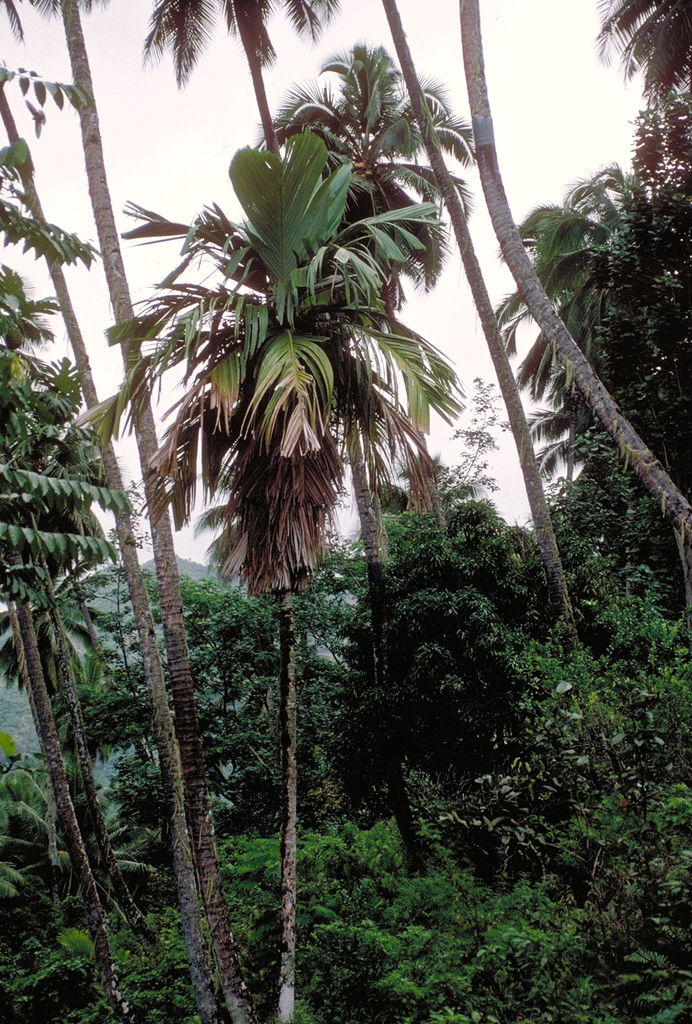
Image via iNaturalist (Research Grade). (c) Kenneth R. Wood (NTBG), some rights reserved (CC BY-NC)

⚠️ CRITICALLY ENDANGERED SPECIES ⚠️
Fewer than 1,000 individuals remain in the wild
Every cultivated specimen contributes to ex-situ conservation


1. Introduction
Habitat and Distribution, Native Continent
Pelagodoxa henryana is endemic to the Marquesas Islands in French Polynesia, specifically found only on Nuku Hiva and formerly on Hiva Oa (where it is now believed extinct). This extraordinary palm inhabits steep-sided valleys and ravines in tropical montane cloud forest between 700-1,000 meters elevation. The entire wild population is estimated at fewer than 1,000 mature individuals, confined to the most inaccessible valleys of Nuku Hiva's interior mountains.
The habitat is characterized by persistent cloud cover, extreme humidity (often 100%), and annual rainfall exceeding 3,000mm. The palm grows in deep volcanic soil on precipitous slopes, often clinging to near-vertical cliff faces where it is protected from introduced herbivores. The genus name "Pelagodoxa" means "glory of the sea," though ironically this palm grows far from the ocean in mountain refugia.
📍 Endemic Distribution:
- Nuku Hiva: Only remaining natural habitat
- Hiva Oa: Extinct (formerly present)
- Habitat: Cloud forest 700-1,000m elevation
- Population: <1,000 mature individuals
- Area: Extremely restricted range
Endemic range: Marquesas Islands, French Polynesia
Click on markers for details
Taxonomic Classification and Scientific Classification
Synonyms
- Pelagodoxa mesocarpa Burret (1928)
- Sometimes misspelled as "P. henriana" or "P. henryiana"
- No other valid synonyms (monotypic genus)
Common Names
- Marquesas palm (English)
- Henry's palm (English)
- Palmier des Marquises (French)
- Enu (Marquesan - traditional name)
- White elephant palm of Marquesas (rare English)
- 亨利海岛椰子 (Chinese)
Expansion in the World
P. henryana remains one of the rarest palms in cultivation worldwide:
- National Tropical Botanical Garden, Hawaii (ex-situ conservation priority)
- Montgomery Botanical Center, Florida (limited specimens)
- Singapore Botanic Gardens (single mature specimen)
- Private collections in Hawaii (most successful cultivation)
- Tahiti botanical gardens (regional conservation)
- Extremely rare in European collections
- Seeds command highest prices when available
- IUCN Red List status: Critically Endangered
The extreme rarity reflects the tiny wild population, difficult access to habitat, and challenging cultivation requirements.
2. Biology and Physiology
Morphology
Trunk
P. henryana develops a solitary, massive trunk reaching 10-18 meters in height with a diameter of 30-45cm at the base, tapering slightly toward the crown. The trunk is distinctive pale gray to whitish, smooth, marked with widely spaced ring scars. A unique feature is the conspicuous bulge or "belly" that develops in the upper third of mature trunks. The base shows minimal swelling but extensive, deep root system for cliff anchorage. Young trunks retain persistent leaf bases for many years.
Leaves
The crown is magnificent, consisting of 20-30 massive pinnate leaves forming a perfectly spherical canopy. Individual leaves measure 4-6 meters long including the 1-1.5 meter petiole. Leaflets number 80-120 per side, regularly arranged, pendulous, creating an elegant plumose appearance. Each leaflet is 60-100cm long and 4-6cm wide, dark green above with a distinctive silvery-white underside. New leaves emerge nearly white, gradually turning green. The crownshaft is absent, with leaf bases forming a loose crown.
Flower Systems
P. henryana is monoecious with spectacular infrafoliar inflorescences emerging below the leaves. The branched inflorescence can reach 1.5-2 meters long, initially enclosed in a massive woody bract. The peduncle is short and thick, with numerous (200-300) pendulous rachillae bearing flowers in triads (two males flanking one female) in the proximal portion and paired or solitary males distally. Male flowers are 15-20mm long, cream to pale yellow with 60-100 stamens—among the highest counts in palms. Female flowers are 8-10mm, greenish-white. Flowering is irregular, often triggered by environmental stress.
Life Cycle
P. henryana has an extremely long life cycle:
- Germination to Seedling (0-5 years): Very slow initial growth
- Juvenile Phase (5-25 years): Establishment phase
- Sub-adult Phase (25-50 years): Trunk development
- Adult Phase (50-200+ years): Reproductive maturity
- Longevity: Estimated 200-300 years
First flowering occurs at 40-60 years, among the latest in palms.
Specific Adaptations to Climate Conditions
- Cloud Forest Specialization: Extracts moisture from fog
- Cliff Adaptation: Deep anchorage for vertical habitats
- Wind Resistance: Flexible leaves and strong trunk
- Low Light Tolerance: Thrives under cloud cover
- Slow Growth: Adaptation to nutrient-poor volcanic soils
- Massive Seeds: Gravity dispersal on steep slopes
3. Reproduction and Propagation
Seed Reproduction
Seed Morphology and Diversity
P. henryana produces the largest seeds of any palm in Polynesia. Fruits are ovoid to ellipsoid, massive at 7-10cm long and 5-7cm diameter, weighing 150-300 grams. Immature fruits are green, ripening to bright orange or red-orange. The epicarp is smooth and thin; the mesocarp is thick, fibrous, and bright orange; the endocarp is thick and woody. Seeds are ovoid, 5-7cm long and 3.5-5cm diameter, with homogeneous endosperm and a large basal embryo. Fresh seed weight ranges from 60-120 grams. Significant variation exists in fruit size even within the small population.
Detailed Seed Collection and Viability Testing
Collection Extreme Challenges:
- Access requires helicopter or dangerous climbing
- Mature trees fruit irregularly (every 2-5 years)
- Limited seed production (50-200 per tree)
- Competition from rats and birds
Viability Characteristics:
- Fresh viability: 95-98%
- Extremely recalcitrant
- One week: 80% viability
- Two weeks: 50% viability
- One month: <10% viability
- Cannot be stored conventionally
Pre-germination Treatments
Immediate Processing Critical:
- Remove mesocarp within 24 hours
- Never allow drying
- Clean carefully - endocarp fragile when fresh
- Plant immediately
Minimal Scarification:
- File small area near embryo
- Endocarp naturally porous
- Over-treatment fatal
- Some success without treatment
Hydration:
- Maintain constant moisture
- Brief soak in warm water
- Fungicide treatment essential
- Keep at germination temperature
Step-by-step Germination Techniques
- Container: Very large pots (40cm+ deep)
- Medium: 40% volcanic sand, 30% peat, 20% perlite, 10% crushed lava rock
- Planting: Horizontal position, half-buried
- Temperature: Constant 24-28°C (75-82°F)
- Humidity: 90-100% critical
- Light: Deep shade initially
- Special: Bottom heat beneficial
Germination Difficulty
Moderate if fresh, impossible if not:
- Seed availability primary limitation
- Transport time critical
- Large container space needed
- Patience required
Germination Time
- First germination: 90-180 days
- Peak germination: 180-365 days
- Complete process: up to 18 months
- Success rate: 70-90% if fresh
Seedling Care and Early Development
Years 1-2:
- Extremely slow growth
- Maintain germination conditions
- First leaf may take 6 months
- No fertilization year one
Years 3-5:
- 2-3 leaves typical
- Begin dilute monthly feeding
- Maintain high humidity
- Growth remains very slow
Years 6-10:
- Pinnate leaves develop
- Can reduce humidity slightly
- Regular feeding program
- Still slower than most palms
Advanced Germination Techniques
Hormonal Treatments for Germination Enhancement
Gibberellic Acid (GA3):
- Low concentration: 200-300 ppm
- Brief application only
- May speed emergence slightly
- Risk of abnormal growth
Bottom Heat Protocol:
- 2-3°C above air temperature
- Stimulates root growth
- Reduces fungal issues
- Most effective enhancement
Biological Inoculants:
- Mycorrhizal fungi beneficial
- Volcanic soil microbes
- Improves nutrient uptake
- Natural enhancement method
4. Cultivation Requirements
Light Requirements
Species-specific Light Tolerance Ranges
- Seedlings (0-5 years): 100-300 μmol/m²/s (deep shade, 90% shade cloth)
- Juveniles (5-15 years): 300-800 μmol/m²/s (heavy shade, 80% shade cloth)
- Sub-adults (15-30 years): 800-1500 μmol/m²/s (moderate shade, 60% shade cloth)
- Adults: 1200-2000 μmol/m²/s (light shade to filtered sun)
Never tolerates full sun well, even when mature.
Seasonal Light Variations and Management
- Prefers consistent filtered light
- Cloud simulation beneficial
- Protect from intense sun always
- Morning sun acceptable for adults
Artificial Lighting for Indoor Cultivation
- Low to moderate light needs
- Full spectrum LED ideal
- 10-12 hour photoperiod
- 150-250 foot-candles sufficient
Temperature and Humidity Management
Optimal Temperature Ranges
- Ideal: 20-26°C (68-79°F)
- Acceptable: 15-30°C (59-86°F)
- Minimum survival: 10°C (50°F)
- Maximum tolerance: 35°C (95°F) briefly
- Prefers cool nights
Cold Tolerance Thresholds
- Light damage: 12°C (54°F)
- Severe damage: 10°C (50°F)
- Death likely: 5°C (41°F)
- No frost tolerance
Hardiness Zone Maps
- USDA Zones: 10b-11
- Marginal in 10a with protection
- Sunset Zones: 23-24, possibly 17
- European hardiness: H2
Humidity Requirements and Modification
- Optimal: 80-100%
- Minimum: 65%
- Cloud forest conditions ideal
- Multiple daily misting beneficial
Soil and Nutrition
Ideal Soil Composition and pH
- pH preference: 6.0-7.0 (slightly acidic to neutral)
Volcanic soil mix:
- 30% volcanic sand/cinder
- 25% aged compost
- 20% peat moss
- 15% perlite
- 10% crushed lava rock
Rich, well-draining essential.
Nutrient Requirements Through Growth Stages
Seedlings (0-5 years):
- No feeding first year
- 1/8 strength monthly years 2-5
- Focus on root development
Juveniles (5-15 years):
- NPK ratio: 3-1-2
- Monthly during growing season
- Increase gradually
Sub-adults and Adults (15+ years):
- NPK ratio: 8-4-12
- Bi-monthly application
- Heavy feeder once established
Organic vs. Synthetic Fertilization
Organic Approach Preferred:
- Aged compost base
- Volcanic rock dust
- Bat guano supplements
- Mimics natural nutrition
Synthetic Considerations:
- Controlled-release best
- Avoid salt buildup
- Complete micronutrients essential
- pH monitoring important
Micronutrient Deficiencies and Corrections
- Iron: Common in cultivation - chelated iron
- Magnesium: Epsom salts monthly
- Manganese: Foliar spray effective
- Boron: Occasional requirement
Water Management
Irrigation Frequency and Methodology
- Constant moisture essential
- Never allow drying
- Deep watering preferred
- Misting for humidity
Drought Tolerance Assessment
- Rapid decline if dry
- Permanent damage likely
- Cloud forest species
Water Quality Considerations
- Prefers rainwater
- Low salt tolerance
- pH 6.0-7.0 ideal
- Avoid hard water
Drainage Requirements
- Perfect drainage mandatory
- No waterlogging tolerance
- Volcanic amendments help
- Raised planting beneficial
5. Diseases and Pests
Common Problems in Growing
- Root rot: Primary killer in cultivation
- Scale insects: On trunk and leaves
- Nutrient deficiencies: Common in containers
- Low humidity damage: Leaf tip burn
Identification of Diseases and Pests
Disease Issues:
- Phytophthora root rot: Major threat
- Pythium: In waterlogged soil
- Pestalotiopsis leaf spots: High humidity
- Ganoderma butt rot: Older specimens
Pest Problems:
- Coconut scale: White encrustations
- Palm aphids: New growth distortion
- Spider mites: In dry conditions
- Mealybugs: Crown and leaf bases
Environmental and Chemical Protection Methods
Cultural Prevention:
- Perfect drainage prevents most problems
- High humidity reduces mites
- Good air circulation
- Quarantine new plants
Chemical Options:
- Systemic fungicides for root rot
- Horticultural oil for scales
- Miticides if necessary
- Minimal chemical use preferred
6. Indoor Palm Growing
Specific Care in Housing Conditions
Indoor Challenges:
- High humidity requirement
- Large eventual size
- Slow growth advantage
- Cool temperature needs
Success Factors:
- Humidity control essential
- Bright indirect light
- Cool nights beneficial
- Excellent drainage
Replanting and Wintering
Replanting Schedule:
- Only when necessary
- Every 3-5 years typical
- Spring timing best
- Minimal root disturbance
Replanting Process:
- Prepare oversized container
- Rich volcanic medium
- Handle roots carefully
- Same planting depth
- High humidity recovery
Winter Care:
- Maintain above 15°C (59°F)
- Reduce watering slightly
- Maintain high humidity
- No fertilization
- Maximum light available
7. Landscape and Outdoor Cultivation
Garden Applications
- Specimen palm extraordinaire
- Conservation collections
- Cloud forest gardens
- Protected valleys
Design Impact
- Prehistoric appearance
- Massive architectural presence
- Silvery leaf undersides dramatic
- Conversation piece
8. Cold Climate Cultivation Strategies
Cold Hardiness
Limited cold tolerance despite montane origin.
Winter Protection
- Protection below 15°C (59°F)
- Cannot tolerate frost
- Wind protection essential
- Overhead shelter beneficial
Hardiness Zone
- USDA 10b-11 reliable
- Zone 10a marginal
- Container culture safer
Winter Protection Systems and Materials
Protective Measures:
- Wrap trunk if needed
- Overhead protection
- Wind barriers critical
- Heat source ready
Container Culture:
- Move to protection
- Reduce exposure
- Maintain humidity
- Monitor temperatures
Establishment and Maintenance in Landscapes
Planting Techniques for Success
Site Selection Critical:
- Protected valley ideal
- High humidity area
- Filtered shade essential
- Rich, deep soil
Soil Preparation:
- Deeply cultivated
- Heavily amended
- Volcanic materials beneficial
- Perfect drainage
Planting Process:
- Spring planting only
- Large hole preparation
- Minimal root disturbance
- Immediate mulching
Long-term Maintenance Schedules
Monthly Tasks:
- Humidity monitoring
- Pest inspection
- Moisture checking
- Growth documentation
Quarterly Tasks:
- Fertilization program
- Comprehensive health check
- Pruning dead fronds only
- Photography for records
Annual Requirements:
- Soil testing
- Nutritional adjustment
- Conservation reporting
- Offset monitoring
Conservation Focus:
- Document all aspects
- Share propagation success
- Contribute to ex-situ preservation
- Collaborate with institutions
Final Summary
Pelagodoxa henryana stands as one of the rarest and most magnificent palms on Earth, a living relic confined to the cloud-shrouded peaks of Nuku Hiva in the remote Marquesas Islands. With fewer than 1,000 individuals clinging to inaccessible cliff faces, this critically endangered species represents both a conservation emergency and one of horticulture's greatest challenges.
The palm's extraordinary features—massive size, enormous seeds, silvery-backed leaves, and distinctive bulging trunk—reflect its evolution in one of the Pacific's most isolated environments. Its adaptation to perpetual cloud cover, extreme humidity, and precipitous terrain makes cultivation exceptionally demanding. Success requires replicating cloud forest conditions: constant moisture, high humidity (80-100%), perfect drainage, and protection from direct sun.
Propagation faces severe constraints beginning with seed availability and extending through the extreme recalcitrance that sees viability plummet within days of collection. The remote habitat and irregular fruiting make seed acquisition a major expedition. When fresh seeds are obtained, germination requires patience, with emergence taking 3-18 months and growth remaining frustratingly slow for decades.
For those committed to preserving this remarkable species, cultivation offers profound rewards. Each successfully grown specimen contributes to ex-situ conservation of a palm teetering on extinction's edge. The eventual sight of a mature P. henryana, with its massive crown of silver-backed fronds emerging from morning mist, ranks among horticulture's most spectacular achievements.
Success ultimately depends on understanding that P. henryana is not merely a palm but a fragment of an ancient ecosystem, requiring conditions that mimic its cloud forest home. In appropriate climates or sophisticated facilities, this species offers unparalleled conservation value combined with extraordinary beauty. Every cultivated specimen represents hope for a species whose wild population continues to decline, making P. henryana not just a horticultural challenge but a sacred trust—preserving one of Earth's rarest palms for future generations to marvel at and learn from.
- Critically Endangered - fewer than 1,000 wild individuals
- Endemic to single island (Nuku Hiva)
- Extinct on Hiva Oa
- Every cultivated specimen vital for conservation
- Requires cloud forest conditions
- Extreme seed recalcitrance
- 40-60 years to first flowering
- 200-300 year lifespan
- Ex-situ conservation priority species