Orania trispatha: A comprehensive Growing Guide for Enthusiasts & Collectors.
Orania trispatha
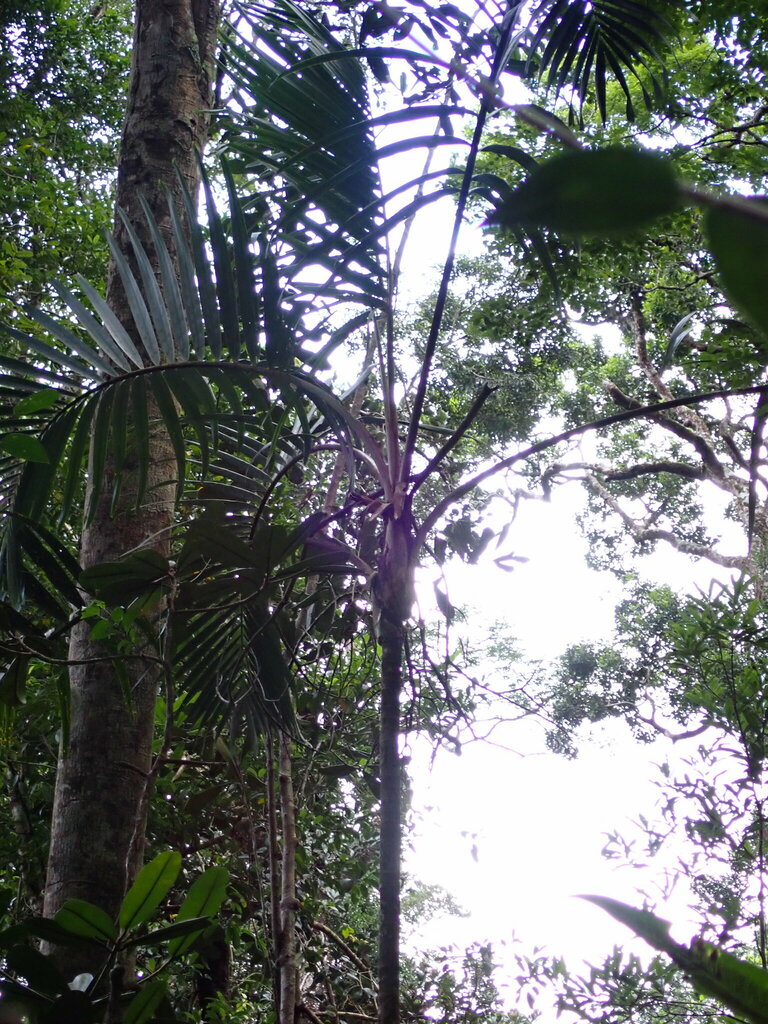
Image via iNaturalist (Research Grade). (c) Louis Aureglia, some rights reserved (CC BY)


1. Introduction
Habitat and Distribution
Orania trispatha is endemic to Madagascar, specifically confined to the humid forests of the eastern escarpment and northeastern regions of the island. This rare species occurs in primary rainforest between 800-1,400 meters elevation, with the largest populations found in the Andasibe-Mantadia and Ranomafana regions. It inhabits steep slopes and ridge tops where the forest is frequently bathed in mist and clouds.
The species thrives in areas with annual rainfall of 2,000-3,500mm and year-round high humidity. O. trispatha shows a marked preference for sites with excellent drainage despite the high rainfall, often growing among granite boulders and on thin soils over bedrock. The specific epithet "trispatha" refers to the characteristic three-branched inflorescence unique among Malagasy Orania species.
Native Continent
📍 Endemic Distribution:
- Andasibe-Mantadia: Main population center
- Ranomafana: Secondary population
- Elevation: 800-1,400 meters
- Habitat: Cloud forest on steep slopes
- Status: IUCN Endangered
Native range: Eastern Madagascar montane forests
Click on markers for details
Taxonomic Classification
Synonyms
- No synonyms (recently described species)
- Previously confused with O. longisquama
- Undescribed in collections before 1995
Common Names
- English: Three-branched orania, Madagascar orania
- Malagasy: Dypsis telo ("three dypsis"), Satrana kely ("small satrana")
- Chinese: 三枝奥拉尼亚椰子
Expansion in the World
O. trispatha remains virtually unknown outside of Madagascar:
- Parc Botanique et Zoologique de Tsimbazaza (conservation collection)
- Kew Gardens (single specimen in Palm House)
- Montgomery Botanical Center (conservation priority)
- No documented private collections
- Seeds rarely available
- Never commercially offered
- IUCN Red List status: Endangered
The extreme rarity in cultivation reflects Madagascar's strict export controls and the species' limited wild populations.
2. Biology and Physiology
Morphology
Trunk
O. trispatha develops a solitary, slender trunk reaching 15-25 meters in height with a diameter of 15-25cm. The trunk is distinctive in being dark brown to almost black, with prominent, widely spaced ring scars every 15-25cm. The internodal surface is smooth with a subtle vertical striation pattern. The base shows minimal swelling and no aerial roots. A unique feature is the tendency for the trunk to lean slightly, possibly an adaptation to steep slope habitats.
Leaves
The crown is relatively small and open for an Orania, consisting of 12-20 pinnate leaves forming an elegant, spreading canopy. Leaves measure 3-4 meters long including the 60-80cm petiole. Leaflets number 60-80 per side, regularly arranged but with a distinctive drooping appearance. Each leaflet is 50-70cm long and 4-6cm wide, dark green above with a waxy coating, and silvery-green below.
Spectacular Feature: New leaves emerge bronze-red, creating a stunning contrast against the dark trunk. The petioles are covered in chocolate-brown scales that persist longer than in other species.
Flower Systems
The distinctive three-branched inflorescence gives this species its name. Monoecious with infrafoliar inflorescences emerging below the crown. The inflorescence is unique in having exactly three primary branches (rarely 2 or 4), each 80-120cm long, with branching to 3 orders. This tripod-like structure is diagnostic for the species.
Rachillae bear flowers in typical triads basally with paired or solitary males distally. Male flowers are 6-8mm, cream to pale yellow with 15-20 stamens. Female flowers are 4-5mm, greenish-white. Flowering appears strongly seasonal, concentrated in the warm wet season (November-March).
Life Cycle
O. trispatha has a moderate life cycle for a large palm:
- Germination to Seedling (0-4 years): Slow initial phase
- Juvenile Phase (4-15 years): Trunk initiation
- Sub-adult Phase (15-30 years): Rapid height growth
- Adult Phase (30-100 years): Reproductive maturity
- Senescent Phase (100-150 years): Gradual decline
First flowering at 25-35 years when palms reach 10-15 meters.
Specific Adaptations to Climate Conditions
- Montane Adaptation: Tolerates cooler temperatures than lowland species
- Mist Harvesting: Waxy leaves collect moisture from cloud forest conditions
- Slope Stability: Deep roots anchor on steep terrain
- Wind Resistance: Flexible trunk and drooping leaflets reduce wind damage
- Cloud Forest Specialist: High tolerance for low light conditions
- Nutrient Efficiency: Adapted to poor soils over granite bedrock
3. Reproduction and Propagation
Seed Reproduction
Seed Morphology and Diversity
O. trispatha produces ovoid to ellipsoid fruits, 3.5-4.5cm long and 2.5-3cm in diameter. Immature fruits are green with a waxy bloom, ripening to deep purple-black. The epicarp is smooth and thin; the mesocarp is fibrous and astringent; the endocarp is thick and woody with three longitudinal ridges.
Seeds are ovoid, 2.5-3cm long, with ruminate endosperm showing an intricate pattern. Fresh seed weight is 8-15 grams. Limited genetic diversity exists due to small, fragmented populations.
Detailed Seed Collection and Viability Testing
- Endangered status limits collection
- Permits required from Madagascar
- Difficult terrain access
- Limited fruiting observed
- Fresh viability estimated: 80-90%
- Rapid viability loss typical
- One month: 40-50%
- Three months: <10%
- Deep recalcitrance suspected
Pre-germination Treatments
Based on limited experience:
Fruit Processing:
- Remove mesocarp immediately
- Clean thoroughly
- Do not allow drying
- Fungicide treatment critical
Scarification:
- File the thick endocarp
- Focus on one end
- Avoid embryo damage
- Essential for germination
Temperature Treatment:
- Brief hot water soak beneficial
- 70°C for 10 minutes
- Immediately cool
- Improves permeability
Step-by-step Germination Techniques
- Medium: 50% river sand, 30% peat, 20% perlite
- Container: Deep pots essential (30cm+)
- Planting: 4-5cm deep
- Temperature: 24-28°C (75-82°F) - cooler than lowland species
- Humidity: 85-90%
- Light: Moderate shade
- Special: Mist simulation beneficial
Germination Difficulty
- Seed scarcity primary issue
- Specific requirements unknown
- Long germination period
- Low success rates reported
Germination Time
- First germination: 4-8 months
- Peak germination: 8-14 months
- Complete process: up to 24 months
- Success rate: 20-40% (very limited data)
Seedling Care and Early Development
First year:
- Cool, humid conditions
- Deep shade (85-90%)
- No fertilization
- Extremely slow growth
Years 2-4:
- Begin light feeding
- Maintain high humidity
- Bronze new leaves appear
- Still very slow
Years 5+:
- Gradually increase light
- Regular fertilization
- Trunk development begins
Advanced Germination Techniques
Hormonal Treatments for Germination Enhancement
Limited testing suggests:
- Gibberellic Acid (GA3): 1000 ppm concentration, extended soak (72 hours), may improve germination, more research needed
- Smoke Water: Madagascar palms may respond, natural fire regime exists, worth testing
- Temperature Cycling: Day/night differential mimics montane conditions - 28°C day/20°C night
4. Cultivation Requirements
Light Requirements
Species-specific Light Tolerance Ranges
- Seedlings (0-4 years): 100-300 μmol/m²/s (deep shade, 85-90%)
- Juveniles (4-12 years): 300-700 μmol/m²/s (heavy shade, 70-80%)
- Sub-adults (12-25 years): 700-1200 μmol/m²/s (moderate shade, 50-60%)
- Adults: 1200-1800 μmol/m²/s (light shade to filtered sun)
Cloud forest adaptation requires consistent shade.
Seasonal Light Variations and Management
- Avoid direct sun exposure
- Consistent filtered light ideal
- Mist/fog simulation beneficial
- Protect from hot afternoon sun
Artificial Lighting for Indoor Cultivation
- Low to moderate light
- Cool white fluorescent
- 10-12 hour photoperiod
- 150-250 foot-candles
Temperature and Humidity Management
Optimal Temperature Ranges
- Ideal: 18-25°C (64-77°F)
- Acceptable: 12-30°C (54-86°F)
- Minimum survival: 5°C (41°F)
- Maximum tolerance: 35°C (95°F)
- Cooler than most Orania species
Cold Tolerance Thresholds
- Light damage: 8°C (46°F)
- Severe damage: 5°C (41°F)
- Fatal: 0°C (32°F)
- Best cold tolerance in genus
Hardiness Zone Maps
- USDA Zones: 10a-11
- Possible in 9b with protection
- Sunset Zones: 17, 22-24
- European: H2
Humidity Requirements and Modification
- Optimal: 75-90%
- Minimum: 65%
- Mist forest conditions ideal
- Frequent misting essential
Soil and Nutrition
Ideal Soil Composition and pH
pH preference: 5.0-6.5 (acidic)
Montane forest mix:
- 30% leaf mold
- 25% coarse sand
- 20% peat moss
- 15% granite chips
- 10% charcoal
Sharp drainage essential
Nutrient Requirements Through Growth Stages
Seedlings (0-4 years):
- Minimal nutrition needed
- Light feeding after year 2
- Low concentration critical
Juveniles (4-12 years):
- NPK ratio: 3-1-2
- Monthly during warm season
- Half strength recommended
Adults (12+ years):
- NPK ratio: 8-3-10
- Bi-monthly application
- Moderate fertility needs
Organic vs. Synthetic Fertilization
Organic Preferred:
- Leaf compost ideal
- Light applications
- Slow-release natural
- Mimics forest floor
Synthetic Cautions:
- Low salt formulations
- Reduced rates essential
- Monitor for burn
- Avoid in cool season
Micronutrient Deficiencies and Corrections
- Iron: Common in alkaline conditions
- Magnesium: Occasional need
- Manganese: Foliar application
- Generally light feeder
Water Management
Irrigation Frequency and Methodology
- Consistent moisture critical
- Never waterlogged
- Increase in warm season
- Misting important
Drought Tolerance Assessment
- Cloud forest adaptation
- Rapid stress response
- Difficult recovery
Water Quality Considerations
- Soft water essential
- Rainwater ideal
- Low mineral content
- pH 5.5-6.5 preferred
Drainage Requirements
- Perfect drainage mandatory
- No standing water
- Slope planting beneficial
- Coarse amendments
5. Diseases and Pests
Common Problems in Growing
- Root rot: Primary issue
- Leaf spots: In poor air circulation
- Scale insects: Occasional
- Cultural problems common
Identification of Diseases and Pests
Disease Issues:
- Phytophthora: Root and crown rot
- Cylindrocladium: Leaf spots
- Pythium: Damping off
- Generally healthy if drainage good
Pest Problems:
- Madagascar palm scale
- Mealybugs occasional
- Few pest issues overall
Environmental and Chemical Protection Methods
Cultural Prevention:
- Perfect drainage prevents most issues
- Good air circulation
- Proper watering critical
- Quarantine important
Treatment Options:
- Systemic fungicides if needed
- Minimal chemical use
- Biological controls preferred
- Focus on prevention
6. Indoor Palm Growing
Specific Care in Housing Conditions
Indoor Advantages:
- Slower growth manageable
- Lower temperature needs
- Moderate size
- Attractive bronze new leaves
Requirements:
- Cool, humid conditions
- Bright indirect light
- Excellent drainage
- Stable environment
Replanting and Wintering
Replanting Needs:
- Every 3-4 years
- Spring timing
- Minimal disturbance
- Deep containers
Winter Care:
- Maintain above 10°C (50°F)
- Reduce watering 50%
- No fertilization
- Maximum humidity
- Good air circulation
7. Landscape and Outdoor Cultivation
Garden Applications
- Cloud forest gardens
- Montane collections
- Conservation priority
- Specimen plant
Design Features
- Elegant appearance
- Bronze new growth stunning
- Moderate size useful
- Rare species value
8. Cold Climate Cultivation Strategies
Cold Hardiness
Winter Protection
- Can handle brief 5°C (41°F)
- Protection below 10°C (50°F)
- Mulch heavily
- Overhead protection
Hardiness Zone
- USDA 10a-11 standard
- Zone 9b possible with care
- Mediterranean climates marginal
Winter Protection Systems and Materials
Cool Greenhouse Ideal:
- Minimal heating needed
- High humidity maintained
- Good ventilation
- Natural conditions
Establishment and Maintenance in Landscapes
Planting Techniques for Success
Site Selection:
- Shaded, protected location
- Perfect drainage site
- Moist but not wet
- Wind protection
Soil Preparation:
- Extensively amend
- Create raised bed
- Add coarse material
- Acidify if needed
Installation:
- Plant high if drainage doubtful
- Immediate mulch
- Shade protection
- Mist system beneficial
Long-term Maintenance Schedules
Monthly Tasks:
- Moisture monitoring
- Mist application
- Light fertilization
- Health inspection
Seasonal Tasks:
- Adjust watering
- Mulch renewal
- Pruning dead fronds
- Soil testing
Conservation Notes:
- Document all growth
- Attempt propagation
- Share data
- Preserve genetics
Final Summary
Orania trispatha represents one of Madagascar's rare endemic palms, combining moderate stature with distinctive features and challenging cultivation requirements. The diagnostic three-branched inflorescence, bronze-red new leaves, and dark trunk create an elegant presence, while its montane forest adaptations offer better cold tolerance than most tropical palms.
The species' endangered status and extremely limited availability make it primarily a conservation subject rather than a general horticultural specimen. Its adaptation to Madagascar's eastern mountain forests—with cool temperatures, persistent mist, and perfect drainage—creates specific challenges for cultivation. Success requires recreating cloud forest conditions: consistent moisture with perfect drainage, cool temperatures, high humidity, and protection from extremes.
Propagation remains poorly understood due to minimal experience and seed scarcity. The few cultivation attempts suggest very slow initial growth, specific temperature requirements, and the need for patience measured in decades rather than years. However, the relatively cool temperature tolerance and moderate ultimate size make this species potentially valuable for subtropical collections.
For botanical institutions and dedicated collectors able to obtain material through conservation programs, O. trispatha offers the opportunity to preserve a piece of Madagascar's unique palm flora. Success requires understanding its montane origins, providing appropriate cool, humid conditions, and accepting extremely slow growth. The reward—a graceful palm with distinctive architecture and spectacular bronze new growth—contributes to ex-situ conservation while showcasing Madagascar's remarkable endemic biodiversity.
This species reminds us that some of the world's most interesting palms remain virtually unknown in cultivation, awaiting dedicated efforts to understand and preserve them.
- ENDANGERED - Conservation priority
- Three-branched inflorescence diagnostic
- Stunning bronze-red new leaves
- Dark brown to black trunk
- Cloud forest specialist - cool growing
- Best cold tolerance in Orania genus
- Extremely rare in cultivation
- Very slow growth - decades to maturity
- Requires perfect drainage + high humidity
- Seed germination: 4-24 months