Orania disticha: A comprehensive Growing Guide for Enthusiasts & Collectors.
Orania disticha
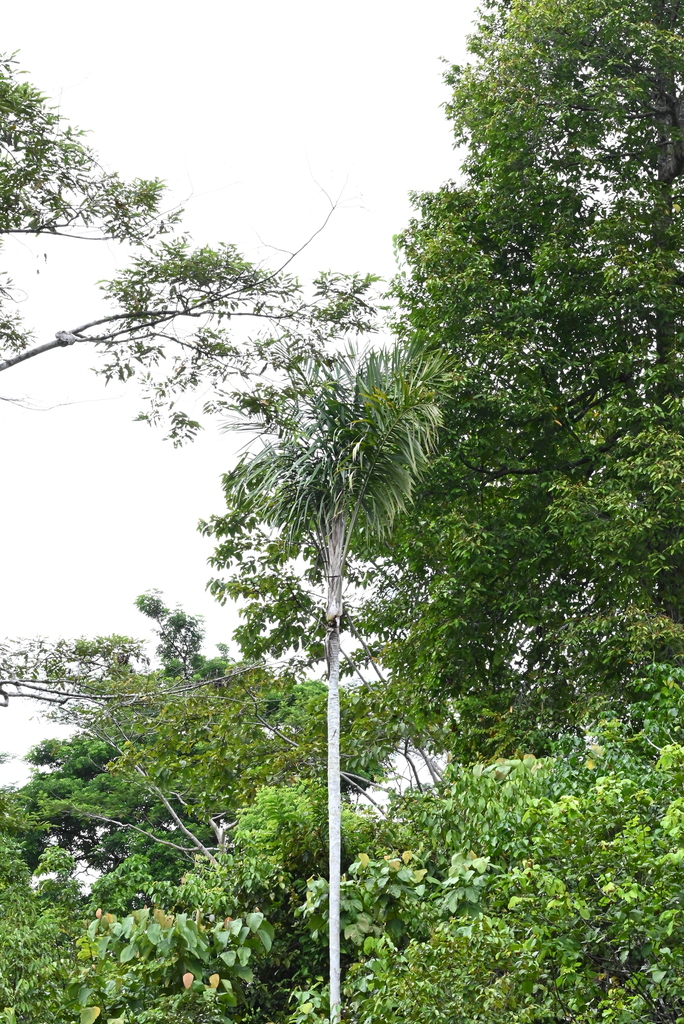
Image via iNaturalist (Research Grade). (c) Dwi Suratman, all rights reserved
⚠️ DATA DEFICIENT - NEVER IN CULTIVATION
Extremely rare limestone specialist from New Guinea with unique two-ranked leaf arrangement. No documented cultivation outside habitat. Seeds never available commercially. Represents ultimate challenge for palm collectors.


1. Introduction
Habitat and Distribution
Orania disticha is endemic to northwestern New Guinea, with populations in Indonesian Papua (formerly Irian Jaya) and western Papua New Guinea. This remarkable palm occurs in lowland to hill forests from near sea level to 600 meters elevation, with a very specific habitat preference for limestone karst formations and ultramafic soils. It inhabits areas with 2,000-3,500mm annual rainfall, often growing on steep limestone cliffs, in sinkholes, and on rocky outcrops where few other palms can survive. The species shows remarkable adaptation to these calcium-rich but otherwise nutrient-poor substrates. The specific epithet "disticha" refers to its unique two-ranked leaf arrangement, making it instantly recognizable among Orania species.
Native Continent
Native range: Limestone karst of northwestern New Guinea
Click markers for details • Use buttons to switch map types
Taxonomic Classification
Synonyms
- Orania macropetala Becc. (misapplied)
- Sometimes included in broad O. regalis concept
- No true synonyms due to distinctive morphology
Common Names
- Two-ranked orania (English)
- Fan-leaved orania (English - misnomer)
- Limestone palm (English)
- "Palem kipas" (Indonesian - "fan palm")
- Local Papuan names unrecorded
Expansion in the World
O. disticha has very limited cultivation presence:
- Bogor Botanical Gardens, Java (historical records)
- Singapore Botanic Gardens (unconfirmed)
- No documented private collections
- Never commercially available
- Seeds extremely rarely collected
- IUCN Red List status: Data Deficient
The unique leaf arrangement makes this highly desirable but unavailable to cultivation.
2. Biology and Physiology
Morphology
Trunk
O. disticha develops a solitary, slender to moderate trunk reaching 8-15 meters in height with a diameter of 10-20cm. The trunk is distinctive gray-white, often with lichens and mosses, marked with prominent ring scars. A unique feature is the flattened appearance of the trunk below the crown, corresponding to the two-ranked leaf arrangement. The base may develop pneumatophores (breathing roots) in waterlogged limestone depressions.
Leaves
The most distinctive feature is the perfectly distichous (two-ranked) leaf arrangement, unique among large Orania species. The crown consists of 12-20 pinnate leaves arranged in two opposite ranks, creating a fan-like appearance from front or back. Leaves measure 2.5-3.5 meters long including the 50-70cm petiole. Leaflets number 40-60 per side, regularly arranged, each 40-60cm long and 4-6cm wide. They are held stiffly in one plane, glossy green above and paler below. This arrangement maximizes light capture in the shaded limestone cliff habitats.
Flower Systems
Monoecious with relatively small infrafoliar inflorescences for the genus. The branched inflorescence is 50-80cm long, emerging between the two ranks of leaves. Rachillae number 50-100, relatively thick and few-flowered. Flowers are in triads with unusual spacing. Male flowers are 6-8mm, yellowish-white with 9-12 stamens. Female flowers are 4-5mm, greenish. Flowering appears tied to dry season onset, possibly triggered by water stress.
Life Cycle
O. disticha shows moderate growth rates despite challenging habitats:
- Germination to Seedling (0-3 years): Slow initial establishment
- Juvenile Phase (3-12 years): Distichous arrangement develops early
- Sub-adult Phase (12-25 years): Trunk elongation begins
- Adult Phase (25-80 years): Reproductive maturity
- Senescent Phase (80-120 years): Individual decline
First flowering at 20-30 years when palms reach 5-8 meters height.
Specific Adaptations to Climate Conditions
- Limestone Specialist: Extreme calcicole adaptation
- Distichous Leaves: Maximizes light in narrow habitats
- Drought Tolerance: Despite rainfall, limestone drains rapidly
- Pneumatophores: Flooding adaptation in sinkholes
- Flexible Trunk: Survives rockfalls
- Limited Leaf Number: Energy conservation strategy
3. Reproduction and Propagation
Seed Reproduction
Seed Morphology and Diversity
O. disticha produces globose to slightly ovoid fruits, 2.5-3.5cm diameter, smaller than most Orania species. Immature fruits are green with a waxy bloom, ripening to orange or red-orange. The epicarp is smooth and relatively thick; the mesocarp is thin and fibrous with little flesh; the endocarp is very hard and thick. Seeds are globose, 2-2.5cm diameter, with shallowly ruminate endosperm. Fresh seed weight is 5-10 grams. No genetic diversity data exists.
Detailed Seed Collection and Viability Testing
- Cliff habitat access dangerous
- Limited seed production observed
- Limestone terrain difficult
- No collection protocols exist
- High initial viability likely
- Recalcitrant behavior expected
- Calcium requirement possible
- Storage data lacking
Pre-germination Treatments
Fruit Processing:
- Remove thin mesocarp
- Clean carefully
- Don't over-dry
Scarification:
- Thick endocarp needs filing
- Calcium water soak?
- Hot water treatment
Special Considerations:
- Limestone chips in medium?
- Alkaline conditions?
- Research needed
Step-by-step Germination Techniques
Hypothetical protocol:
- Medium: Include limestone component
- Container: Deep pots with drainage
- Planting: 3-4cm deep
- Temperature: 26-30°C (79-86°F)
- Humidity: 75-85%
- Light: Bright shade
- pH: Neutral to alkaline?
Germination Difficulty
Difficult (estimated):
- Unknown requirements
- Possible calcium needs
- Slow germination expected
- High failure rate likely
Germination Time
- Estimated: 4-10 months
- Irregular emergence
- Extended period likely
- No actual data
Seedling Care and Early Development
Expected needs:
Early years:
- Limestone influence important?
- Moderate shade required
- Careful watering
- Distichous pattern early
Establishment:
- Slow growth likely
- Special nutrition needs
- Well-draining essential
- Document everything
Advanced Germination Techniques
All theoretical:
- GA3 standard treatment
- Calcium supplements in soak
- Smoke water worth trying
- pH manipulation?
4. Cultivation Requirements
Light Requirements
Species-specific Light Tolerance Ranges
- Seedlings (0-3 years): 400-1000 μmol/m²/s (60-70% shade)
- Juveniles (3-10 years): 1000-1800 μmol/m²/s (40-50% shade)
- Sub-adults (10-20 years): 1800-2200 μmol/m²/s (light shade)
- Adults: Nearly full sun tolerance
Adapts to bright conditions due to exposed limestone habitat.
Seasonal Light Variations and Management
- Tolerates seasonal changes
- Protect young plants
- Adults handle exposure
- Gradual acclimation crucial
Artificial Lighting for Indoor Cultivation
- Bright light needed
- LED or HID lighting
- 14-hour photoperiod
- 400+ foot-candles
Temperature and Humidity Management
Optimal Temperature Ranges
- Ideal: 24-32°C (75-90°F)
- Acceptable: 18-36°C (64-97°F)
- Minimum survival: 12°C (54°F)?
- Maximum tolerance: 42°C (108°F)
- Heat tolerance from exposed habitat
Cold Tolerance Thresholds
- Damage begins: 15°C (59°F)
- Severe damage: 12°C (54°F)
- Fatal: 8°C (46°F)?
- Some reports of cold tolerance
Hardiness Zone Maps
- USDA Zones: 10a-11
- Possibly 9b in limestone areas
- Sunset Zones: 22-24
- European: H2-H1a
Humidity Requirements and Modification
- Optimal: 60-80%
- Minimum: 50%
- Drought adapted despite habitat
- Less demanding than rainforest species
Soil and Nutrition
Ideal Soil Composition and pH
pH requirement: 7.0-8.5 (alkaline essential)
Limestone-based mix:
- 30% crushed limestone
- 25% coarse sand
- 20% leaf mold
- 15% perlite
- 10% decomposed bark
Calcium availability critical
Nutrient Requirements Through Growth Stages
Seedlings (0-3 years):
- Very light feeding
- Calcium more important than NPK
- Monthly dilute applications
Juveniles (3-10 years):
- NPK ratio: 3-1-3
- Low rates essential
- Calcium supplements
Adults (10+ years):
- NPK ratio: 8-2-10
- Still low rates
- Avoid acid fertilizers
Organic vs. Synthetic Fertilization
Special Requirements:
- Bone meal for calcium
- Dolomite lime regular
- Avoid acidifying fertilizers
- Very light hand needed
Synthetic Caution:
- Calcium nitrate base
- Avoid ammonium sources
- Low concentrations only
- Monitor pH constantly
Micronutrient Deficiencies and Corrections
- Calcium: Paramount importance
- Iron: Despite alkaline preference
- Magnesium: From dolomite
- Avoid excess of anything
Water Management
Irrigation Frequency and Methodology
- Moderate water needs
- Allow slight drying
- Limestone drains rapidly
- Deep, infrequent best
Drought Tolerance Assessment
- Good drought tolerance
- Limestone adaptation
- Recovery generally good
- Avoid overwatering
Water Quality Considerations
- Hard water beneficial
- High calcium content ideal
- Alkaline pH preferred
- Never use softened water
Drainage Requirements
- Perfect drainage essential
- Limestone chips in mix
- Raised planting
- Never waterlogged
5. Diseases and Pests
Common Problems in Growing
Theoretical issues:
- Iron chlorosis in alkaline soil
- Root problems from overwatering
- Calcium deficiency if wrong soil
- pH-related nutrient lockout
Identification of Diseases and Pests
Potential Problems:
- Fewer pests due to calcium?
- Root rot if too wet
- Nutrient deficiencies common
- pH monitoring critical
Environmental and Chemical Protection Methods
Prevention Through Culture:
- Maintain proper pH
- Perfect drainage
- Appropriate nutrition
- Monitor constantly
6. Indoor Palm Growing
Specific Care in Housing Conditions
Indoor Considerations:
- Bright light essential
- Alkaline soil maintenance
- Moderate humidity okay
- Unique appearance valuable
Challenges:
- pH management difficult
- Calcium supplementation
- Drainage critical
- Specialized care
Replanting and Wintering
Replanting Care:
- Maintain limestone component
- Minimal root disturbance
- Check drainage carefully
- Spring timing
Winter Management:
- Cool tolerance better?
- Reduce water significantly
- Maintain pH
- Maximum light
7. Landscape and Outdoor Cultivation
Garden Applications
- Limestone rock gardens
- Xerophytic collections
- Specimen plant extraordinary
- Conservation value high
Design Impact
- Unique two-ranked leaves
- Architectural interest
- Conversation piece
- Small spaces suitable
8. Cold Climate Cultivation Strategies
Cold Hardiness
Possibly better than most lowland species due to exposure adaptation.
Winter Protection
- May tolerate brief cool periods
- Protect below 15°C (59°F)
- Dry conditions improve hardiness
- Research needed
Hardiness Zone
- USDA 10a-11 standard
- Zone 9b worth testing
- Mediterranean climates possible
Winter Protection Systems and Materials
- Well-draining position crucial
- Overhead protection
- Minimal heating needed?
- Keep dry in winter
Establishment and Maintenance in Landscapes
Planting Techniques for Success
Critical Requirements:
- Limestone amendment essential
- Perfect drainage mandatory
- Elevated planting
- Full sun to light shade
Soil Preparation:
- Deep limestone incorporation
- Check pH (must be alkaline)
- Create mounded beds
- Consider rock garden setting
Establishment:
- Slow initial growth
- Maintain pH
- Light feeding only
- Patient approach
Long-term Maintenance Schedules
Regular Tasks:
- pH monitoring critical
- Calcium supplementation
- Light fertilization
- Drainage maintenance
Annual Requirements:
- Lime application
- Soil testing
- Photo documentation
- Health assessment
Special Focus:
- Document leaf arrangement
- Share any success
- Conservation priority
- Research value high
Final Summary
Orania disticha stands as one of the most morphologically distinctive palms in cultivation, with its unique two-ranked leaf arrangement creating an architectural effect unlike any other large palm. This limestone specialist from northwestern New Guinea has evolved remarkable adaptations to one of nature's most challenging substrates, requiring cultivation approaches that differ markedly from typical palms.
The species' perfect distichous leaf arrangement, which gives it an almost fan-palm appearance despite being pinnate, represents an elegant solution to light capture in narrow limestone cliff habitats. This same adaptation makes it extraordinarily ornamental and highly desired by collectors, though seeds remain essentially unavailable.
Cultivation requirements center on replicating limestone chemistry: alkaline pH (7.0-8.5), high calcium availability, perfect drainage, and very careful nutrition management. Unlike most palms, O. disticha requires hard water, alkaline soils, and calcium supplementation—the opposite of typical palm culture. The reported drought tolerance and possible cool tolerance (for a lowland species) suggest surprising resilience.
The complete absence from general cultivation reflects both seed unavailability and unknown cultural requirements. Any future cultivation attempts would be pioneering, requiring experimentation with limestone-based media, pH management, and specialized nutrition. Success would contribute invaluable conservation and horticultural knowledge.
For botanical gardens and advanced collectors, O. disticha represents the ultimate challenge and reward: a palm so distinctive it's instantly recognizable, adapted to conditions that kill most plants, and completely untested in cultivation. Its architectural two-ranked crown would make it a centerpiece in any collection, while its limestone adaptation opens possibilities for alkaline soil regions where most palms fail. Until seeds become available, this remarkable species remains a dream for palm enthusiasts—a living sculpture shaped by limestone cliffs, waiting to reveal whether its extraordinary beauty can be matched by cultivation success.
- Unique two-ranked (distichous) leaf arrangement
- Limestone specialist - pH 7.0-8.5 required
- Never documented in cultivation
- Seeds never commercially available
- Height: 8-15 meters
- Estimated germination: 4-10 months
- USDA Zones: 10a-11
- Calcium-rich substrate essential
- Perfect drainage mandatory
- Ultimate collector's challenge